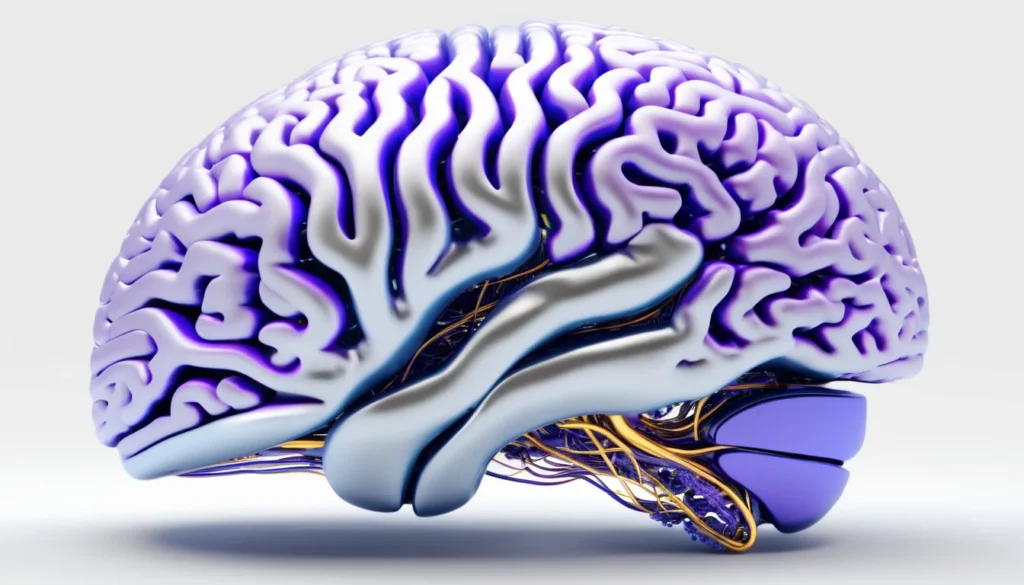
Obsessive thoughts are unwanted, repeated ideas that push into your mind even when you don’t want them there. They can feel threatening or irrational, and yet they keep coming back. This article explains what obsessive thoughts are, the different types, what causes them, and how treatment in Canada can help you take back control of your daily life.
What Are Obsessive Thoughts?
An obsessive thought is a recurring idea or mental image that forces itself into your awareness. Even when you recognize that the thought makes no logical sense, you cannot easily push it away. This is what makes obsessive thoughts different from ordinary worrying.
Most people have a passing strange or unwanted thought from time to time. However, obsessive thoughts are persistent. They return again and again, often causing significant distress and interfering with work, relationships, and daily routines.
Obsessive thoughts are closely linked to a condition called Obsessive-Compulsive Disorder (OCD). OCD is a recognized mental health condition that affects roughly one in every 40 adults in Canada. According to Health Canada, mental health conditions like OCD are among the most common reasons Canadians seek mental health support each year.
Common Types of Obsessive Thoughts
Obsessive thoughts do not look the same for everyone. They tend to fall into a few broad categories. Understanding the type you experience can help your family doctor or mental health provider recommend the right support.
Phobic Obsessions
Phobic obsessions are triggered by the idea of a specific object, place, or situation. For example, a person may become overwhelmed with fear simply by thinking about germs, sharp objects, or being in a crowd. The distress happens even without direct contact with the feared thing.
This type of obsessive thought is closely related to phobias and anxiety disorders. However, the key difference is that the person usually recognizes their fear is out of proportion. They know the threat isn’t as real as their mind is making it feel.
Impulsive Obsessions
Impulsive obsessions involve a fear of acting on a harmful or antisocial impulse. A person might fear that they will suddenly hurt someone they love, shout something inappropriate in public, or do something dangerous while driving. These thoughts are deeply distressing precisely because they go against the person’s values.
It is very important to understand that having an impulsive obsessive thought does not mean a person will act on it. In fact, the distress caused by the thought is evidence that the person does not want to act on it. Furthermore, these thoughts are a recognized symptom of OCD, not a sign of dangerous character.
Contamination Obsessions
Contamination obsessions involve repeated, intrusive fears about germs, dirt, illness, or being “unclean.” A person with this type of obsessive thought may wash their hands dozens of times a day or avoid touching common surfaces. The compulsive behaviour that follows — like excessive cleaning — is an attempt to relieve the anxiety caused by the thought.
Harm-Related Obsessions
Some people experience obsessive thoughts about accidental harm. They may worry constantly that they left the stove on, that they accidentally injured someone while driving, or that they failed to lock the door. As a result, they may check and recheck these things repeatedly, which disrupts their daily routine.
Existential and Religious Obsessions
Obsessive thoughts can also centre on religion, morality, or deep philosophical questions. A person might feel consumed by doubt about whether they are a good person, whether they have sinned, or whether life has meaning. These are sometimes called “scrupulosity” obsessions. They can be just as distressing as other forms.
What Causes Obsessive Thoughts?
There is no single cause of obsessive thoughts. Research suggests that a combination of biological, psychological, and environmental factors play a role. Understanding these causes can reduce shame and help people seek support sooner.
Brain Chemistry and Genetics
Studies show that differences in brain chemistry — particularly involving a chemical called serotonin — are linked to OCD and obsessive thoughts. People with a family history of OCD are also more likely to experience obsessive thoughts themselves. This suggests a genetic component.
However, having a genetic risk does not mean obsessive thoughts are inevitable. Many people with a family history never develop the condition. Likewise, many people without a family history do.
Stress and Life Events
Stressful or traumatic life events can trigger the onset of obsessive thoughts. Major transitions — like starting university, having a baby, or losing a job — can sometimes bring on symptoms for the first time. In addition, prolonged stress can worsen existing obsessive thoughts.
The Canadian Mental Health Association notes that stress is one of the most common triggers for worsening mental health symptoms across many conditions, including OCD. Managing stress through healthy habits is therefore an important part of overall mental wellness.
Learned Behaviour Patterns
Sometimes, obsessive thought patterns develop through learned behaviour. If a person grows up in an environment where certain fears were reinforced, they may be more likely to develop obsessive thought cycles. Cognitive-behavioural therapy, which we discuss below, works specifically to change these learned patterns.
How Obsessive Thoughts Affect Daily Life
Obsessive thoughts can significantly disrupt a person’s quality of life. They take up mental energy, making it hard to concentrate at work or school. Relationships can suffer when a person withdraws, seeks constant reassurance, or is consumed by rituals meant to ease the anxiety.
Sleep is often affected. Many people with obsessive thoughts find their mind races at night, replaying fears and worst-case scenarios. Over time, this can lead to exhaustion and even depression.
Physical health can also be impacted. Chronic anxiety linked to obsessive thoughts raises cortisol levels, which over time can affect heart health, immune function, and digestion. Therefore, addressing obsessive thoughts is not just about mental wellness — it is about whole-body health.
According to the World Health Organization’s mental health fact sheet, anxiety-related disorders — which include OCD — are among the leading causes of disability worldwide. This underlines just how real and serious obsessive thoughts can be.
Treatment Options for Obsessive Thoughts in Canada
The good news is that obsessive thoughts are very treatable. Most people see significant improvement with the right support. Treatment is generally a combination of psychotherapy, and in some cases, medication.
Cognitive-Behavioural Therapy (CBT)
Cognitive-behavioural therapy, or CBT, is the most well-researched and effective treatment for obsessive thoughts. A specific form of CBT called Exposure and Response Prevention (ERP) is considered the gold standard for OCD treatment. In ERP, a therapist gradually exposes the person to the triggers of their obsessive thoughts while helping them resist the urge to perform compulsions.
CBT helps you identify the thought patterns that drive obsessive thinking. It then teaches you practical tools to challenge and reframe those patterns. Many Canadians access CBT through their provincial health plan, though wait times can vary by province.
Medication
In some cases, a doctor may recommend medication alongside therapy. Selective serotonin reuptake inhibitors (SSRIs) — a type of antidepressant — are commonly prescribed for OCD. These medications help regulate brain chemistry and reduce the intensity of obsessive thoughts.
Medication is not always necessary. However, for moderate to severe cases, combining medication with therapy often produces the best results. Your family doctor can discuss whether this option is right for you.
Mindfulness and Self-Help Strategies
Mindfulness-based approaches can also help manage obsessive thoughts. Mindfulness teaches you to notice a thought without immediately reacting to it. Over time, this reduces the power that obsessive thoughts hold over your emotions and behaviour.
Regular physical activity, good sleep hygiene, and reducing caffeine and alcohol intake can also support mental wellness. These strategies do not replace professional treatment but they are helpful additions to your overall care plan.
For more detailed information on managing anxiety and intrusive thoughts, the Mayo Clinic’s overview of OCD is a trusted resource.
When to See a Doctor
If obsessive thoughts are interfering with your daily life, it is time to reach out for support. You do not need to wait until things feel unmanageable. Getting help early leads to better outcomes.
Start by speaking with your family doctor. They can assess your symptoms, rule out other causes, and refer you to a mental health professional. If you do not have a family doctor, a walk-in clinic is a good first step. Walk-in physicians can provide an initial assessment and connect you with community mental health resources.
Many provinces also offer mental health phone lines and online counselling services. For example, Ontario’s ConnexOntario line connects callers with local mental health services at no cost. Similar services exist in British Columbia, Alberta, and other provinces. Ask your walk-in clinic or local public health unit about what is available in your area.
Remember, seeking help for obsessive thoughts is a sign of strength — not weakness. Mental health is health, and every Canadian deserves support.
Frequently Asked Questions About Obsessive Thoughts
Are obsessive thoughts a sign of mental illness?
Having occasional obsessive thoughts does not automatically mean you have a mental illness. However, when obsessive thoughts are frequent, distressing, and interfere with daily life, they may be a symptom of OCD or an anxiety disorder. Speaking with your family doctor is the best way to understand what you are experiencing.
Can obsessive thoughts go away on their own?
Mild obsessive thoughts sometimes ease on their own, especially if the stress that triggered them passes. However, persistent obsessive thoughts rarely resolve without some form of support or treatment. Cognitive-behavioural therapy is highly effective and can give you lasting tools to manage these thoughts.
What is the difference between obsessive thoughts and intrusive thoughts?
Intrusive thoughts are unwanted thoughts that pop into anyone’s mind occasionally — they are a normal part of human thinking. Obsessive thoughts are a more intense and persistent form of intrusive thought that cause significant distress and are hard to dismiss. When obsessive thoughts lead to repetitive behaviours to relieve anxiety, this pattern is called OCD.
Does having violent obsessive thoughts mean I am dangerous?
No. Violent or harmful obsessive thoughts are a recognized symptom of OCD, and having them does not mean you will act on them. In fact, people who experience these thoughts are typically distressed by them precisely because the thoughts conflict with their values. A mental health professional can help you understand and manage these thoughts safely.
Is treatment for obsessive thoughts covered by provincial health plans in Canada?
Coverage varies by province. Visits to your family doctor or a psychiatrist are generally covered by provincial health plans across Canada. However, psychologist or therapist sessions may not be fully covered in all provinces. Ask your family doctor about publicly funded mental health programmes in your area, as many provinces have expanded access in recent years.
How long does treatment for obsessive thoughts take?
The length of treatment depends on the severity of your obsessive thoughts and the type of therapy you receive. Many people see meaningful improvement after 12 to 20 sessions of CBT. Some individuals benefit from ongoing support, especially if symptoms are severe or have been present for many years.
Key Takeaways
Obsessive thoughts are persistent, unwanted ideas that cause distress, even when the person knows they are irrational.
Common types include phobic obsessions, impulsive obsessions, contamination fears, harm-related worries, and religious or existential doubts.
Causes include brain chemistry, genetics, stress, and learned behaviour patterns.
Obsessive thoughts are closely linked to OCD and can significantly affect daily life, relationships, sleep, and physical health.
Effective treatments include Cognitive-Behavioural Therapy (CBT), Exposure and Response Prevention (ERP), medication, and mindfulness strategies.
If obsessive thoughts are affecting your life, speak with your family doctor or visit a walk-in clinic as a first step.
Mental health support is available across Canada — you do not have to manage obsessive thoughts alone.
This article is for informational purposes only and does not replace professional medical advice. Always consult your family doctor or a qualified healthcare provider if you have concerns about your mental health.