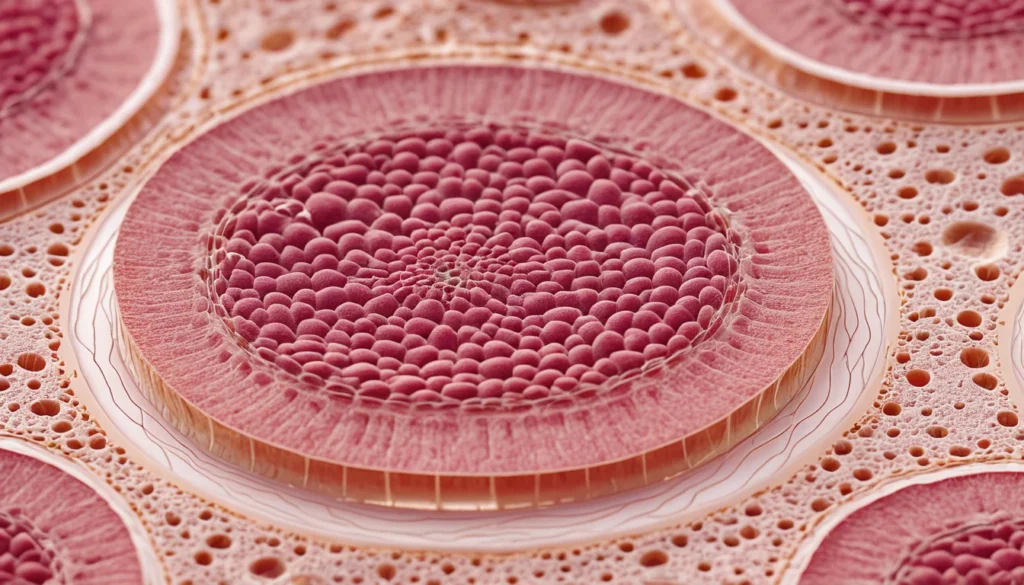
Nummular eczema is a chronic skin condition that causes round, coin-shaped patches on the skin. These patches can itch, crust over, and become scaly. The condition tends to flare up and calm down over time. Understanding what triggers it — and how to manage it — can make a real difference in your daily comfort.
What Is Nummular Eczema?
Nummular eczema is also called nummular dermatitis. The word “nummular” comes from the Latin word for coin, which describes the shape of the skin patches perfectly. These patches appear most often on the arms, legs, and sometimes the trunk of the body.
Over time, the centre of each patch may clear up while the edges remain scaly. This can make nummular eczema look similar to psoriasis or ringworm. However, a doctor can tell the difference with a proper examination. It is a chronic condition, meaning it does not fully go away but can be well controlled.
It is important not to confuse nummular eczema with atopic dermatitis. Atopic dermatitis is a much more common form of eczema, often linked to allergies and asthma. Nummular eczema is a separate condition with its own triggers and treatments.
Causes and Triggers of Nummular Eczema
The exact cause of nummular eczema is not fully known. However, researchers have identified several factors that can trigger or worsen the condition. Knowing your triggers is a key step in managing flare-ups.
Common Triggers
Dry skin: This is one of the most common triggers. Nummular eczema flares up more often in winter when the air is dry and cold.
Extreme temperatures: Both very cold and very hot weather can irritate sensitive skin.
Certain medications: In some cases, an allergic reaction to a drug can bring on a flare.
Skin injuries: Insect bites, scrapes, or chemical burns can sometimes trigger patches in that area.
Harsh soaps and detergents: Products with strong fragrances or chemicals can strip moisture from the skin.
Certain allergies: Some types of allergies can make symptoms worse.
In Canada, the cold and dry winters — especially in provinces like Alberta, Manitoba, and Saskatchewan — can be particularly hard on people with sensitive skin. Therefore, taking extra care of your skin during the colder months is especially important.
Symptoms of Nummular Eczema
The symptoms of nummular eczema are fairly easy to recognize once you know what to look for. However, because the patches can look like other skin conditions, it is always best to get a professional diagnosis.
Main Symptoms to Watch For
Round or oval coin-shaped patches on the skin
Patches most often appear on the arms and legs, sometimes on the trunk
Crusting and scaling on the surface of the patches
Intense itching, which may worsen at night
Redness and local inflammation around the patches
Patches that may ooze or become wet in the early stages
The itching caused by nummular eczema can be very disruptive. It can affect sleep and overall quality of life. As a result, treating the condition promptly and consistently is important for your wellbeing.
In some cases, the affected areas can become infected. Staphylococcal (staph) infections are particularly common in skin affected by nummular eczema. Signs of infection include increased redness, warmth, swelling, or pus. If you notice these signs, see a doctor right away. You can visit your family doctor, a walk-in clinic, or a dermatologist.
How Is Nummular Eczema Diagnosed?
Your doctor will diagnose nummular eczema by looking closely at your skin. They will also ask about your personal and family medical history. There is no single lab test for this condition.
In some cases, your doctor may recommend a skin biopsy. This means taking a small sample of skin to examine under a microscope. This helps rule out other conditions that look similar, such as psoriasis, ringworm, or contact dermatitis.
If your family doctor suspects a more complex case, they may refer you to a dermatologist. Most provincial health plans in Canada cover dermatology referrals when your family doctor requests one. However, wait times can vary by province. A walk-in clinic can also provide an initial assessment if you cannot see your family doctor quickly.
For more information on skin conditions and how they are diagnosed, visit Health Canada’s official health resources.
Treatment Options for Nummular Eczema
There is currently no cure for nummular eczema. However, there are several effective treatments that can control symptoms and reduce flare-ups. Your doctor will recommend a treatment plan based on how severe your condition is.
Prescription Corticosteroid Creams and Ointments
The most common and effective treatment for nummular eczema is a prescription corticosteroid ointment. These ointments contain cortisone, which reduces inflammation and itching. Apply the ointment in a thin layer, gently massaged into the skin. In most cases, once daily application is enough.
Do not apply corticosteroid creams to the face, armpits, groin, or rectal area unless your doctor specifically tells you to. If you need to use the medication for a long time, or over large areas of the body, your doctor will want to monitor you with regular check-ups. This is because long-term use of strong corticosteroids can thin the skin.
Coal Tar Preparations
If the scaly patches do not improve with corticosteroid ointment alone, your doctor may suggest adding coal tar to the treatment. Coal tar is a long-established ingredient used in skin care for conditions like eczema and psoriasis. It can help reduce scaling and itching when combined with corticosteroid cream.
Antibiotics for Skin Infections
Because the skin affected by nummular eczema is prone to bacterial infections, a short course of oral antibiotics may be needed. Your doctor may prescribe antibiotics for one to two weeks if an infection develops. It is important to complete the full course of antibiotics, even if the skin looks better sooner.
Ultraviolet (UV) Light Therapy
For stubborn cases with persistent itching, your dermatologist may recommend ultraviolet (UV) light therapy. This treatment is done in a medical setting and involves carefully controlled exposure to UV light. It can significantly reduce inflammation and itching over a series of sessions. This therapy is available in many dermatology centres across Canada.
For a broader overview of eczema treatments, the Mayo Clinic’s guide to eczema diagnosis and treatment is a reliable resource.
Skin Care Tips to Manage Nummular Eczema at Home
Managing nummular eczema at home is just as important as medical treatment. Good daily skin care habits can reduce flare-ups and keep your skin more comfortable. Making these habits part of your routine takes practice, but the results are worth it.
Moisturising Your Skin
Apply a body oil or thick moisturiser right after your shower or bath, while your skin is still slightly damp. This helps lock in moisture. Petroleum jelly (like Vaseline) works very well for this purpose, as long as you find it comfortable to use.
Avoid bathing or showering more than once per day. Use lukewarm water instead of hot water, as hot water strips the skin of its natural oils. After bathing, pat your skin gently with a towel. Do not rub, as this irritates already sensitive skin.
Choosing the Right Soaps and Products
Use soap only where it is truly needed — on the face, armpits, genitals, and feet. Avoid using soap on the patches of nummular eczema, as it can dry out and irritate the skin further. Choose fragrance-free, gentle cleansers when possible.
For laundry, use a fragrance-free detergent. Avoid fabric softeners and dryer sheets, as these can leave irritating chemicals on clothing. These small changes can make a noticeable difference in how your skin feels day to day.
Choosing the Right Clothing
Wear soft, 100% cotton clothing whenever you can. Rough or synthetic fabrics can rub against the skin and trigger itching. Avoid tight clothing over affected areas. In winter, layer cotton next to your skin before adding warmer fabrics like wool.
Furthermore, keeping your home humidified during dry Canadian winters can also help prevent skin from drying out. A simple humidifier in your bedroom can make a real difference.
For additional guidance on managing eczema triggers and skin care, Healthline’s overview of nummular eczema offers helpful tips backed by medical review.
When to See a Doctor
You should see your family doctor or visit a walk-in clinic if you notice coin-shaped, itchy patches on your skin that do not go away on their own. Early treatment can prevent the condition from spreading or getting worse.
Seek medical attention promptly if you notice any signs of infection, such as increased redness, warmth, swelling, or discharge from the patches. Nummular eczema patches are particularly vulnerable to staph infections, which need antibiotic treatment.
If your symptoms are severe or not responding to treatment, your family doctor can refer you to a dermatologist through your provincial health plan. Most provinces in Canada cover this type of specialist referral. In the meantime, a walk-in clinic can help manage your symptoms while you wait for a specialist appointment.
Always speak with a qualified healthcare provider before starting any new treatment for nummular eczema. Your doctor knows your full medical history and can recommend the safest and most effective plan for you.
Frequently Asked Questions About Nummular Eczema
Is nummular eczema contagious?
No, nummular eczema is not contagious. You cannot catch it from another person or spread it through skin contact. It is a non-infectious skin condition caused by internal and environmental factors, not by a virus or bacteria.
What does nummular eczema look like?
Nummular eczema appears as round or oval coin-shaped patches on the skin. The patches are often red, crusty, and scaly, and they may itch intensely. Over time, the centre of the patch may clear up while the border remains irritated and scaly.
Can nummular eczema go away on its own?
Nummular eczema is a chronic condition, which means it tends to come and go over time rather than disappearing permanently. Some mild cases may improve on their own with good skin care habits, but most people need medical treatment to fully control the symptoms. Consistent skin care and avoiding triggers are essential for long-term management.
What is the best treatment for nummular eczema?
The most effective treatment for nummular eczema is a prescription corticosteroid ointment applied to the affected patches. Your doctor may also recommend moisturisers, coal tar preparations, antibiotics (if infection is present), or UV light therapy for stubborn cases. Always follow your doctor’s specific recommendations for the safest results.
Is nummular eczema the same as ringworm?
No, nummular eczema and ringworm are two different conditions, even though they can look similar. Ringworm is a fungal infection, while nummular eczema is a non-infectious inflammatory skin condition. A doctor can tell them apart through a physical examination and, if needed, a skin biopsy or scraping.
Does nummular eczema get worse in winter in Canada?
Yes, nummular eczema commonly flares up during the winter months. Cold air, low humidity, and indoor heating all dry out the skin, which is a major trigger for this condition. Canadians with nummular eczema often find that using a humidifier, moisturising daily, and taking lukewarm showers helps manage winter flare-ups.
Key Takeaways
Nummular eczema causes round, coin-shaped patches on the skin that itch, crust, and scale.
The exact cause is unknown, but dry skin, cold weather, and certain allergens are common triggers.
There is no cure, but prescription corticosteroid ointments, coal tar, antibiotics, and UV therapy can effectively control symptoms.
Good daily skin care — including gentle moisturising, lukewarm showers, and fragrance-free products — is essential for managing flare-ups.
Wear soft, 100% cotton clothing and use fragrance-free laundry detergent to reduce skin irritation.
See your family doctor or a walk-in clinic if you notice coin-shaped skin patches or signs of infection.
Most provincial health plans in Canada cover referrals to a dermatologist for persistent or severe cases.
Always consult your doctor before starting any new treatment to ensure it is right for your individual situation.