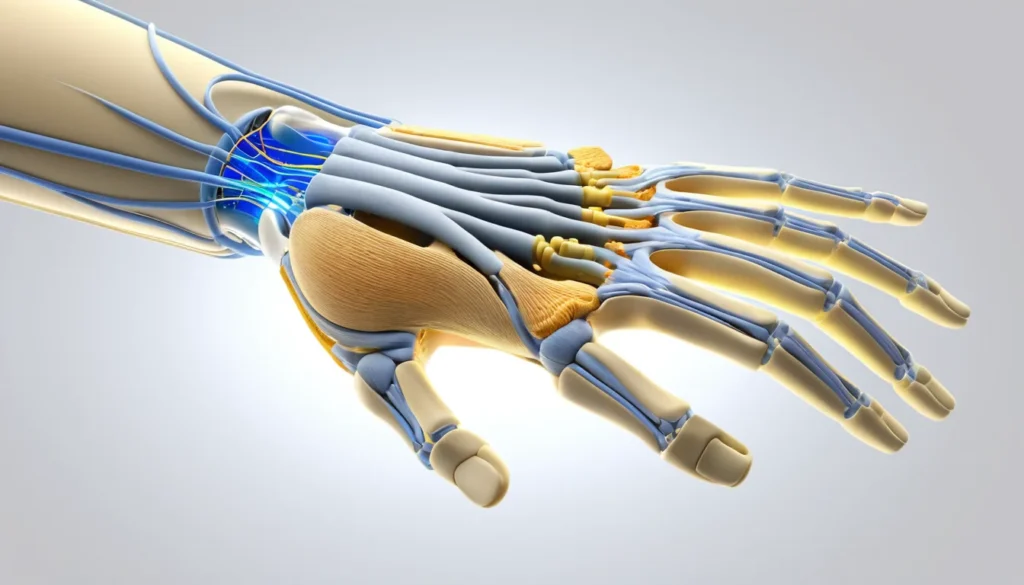
Do your numb hands wake you up at night, or do you notice tingling that just won’t go away? Hand numbness is more common than you might think, but it can sometimes point to a serious medical condition. This article explains the most common causes of numb hands, what symptoms to watch for, and when to contact your family doctor or visit a walk-in clinic.
What Causes Numb Hands?
Numb hands can result from many different health conditions. Some causes are minor and easy to treat. However, others are serious and need immediate medical attention.
The numbness can affect one hand or both. It may come with tingling, weakness, or even pain. In severe cases, it can interfere with everyday tasks like cooking, typing, or picking up objects.
Cardiovascular Causes of Numb Hands
Some of the most urgent causes of hand numbness involve the heart and blood vessels. These conditions require fast action and emergency care.
Heart Attack
A heart attack happens when blood flow to the heart becomes blocked. This is a medical emergency that needs immediate care — call 911 right away.
One common sign of a heart attack is tingling or numbness in one or both arms. You may also feel it in your shoulders or jaw. Other symptoms include chest pain, nausea, sweating, shortness of breath, dizziness, and sudden fatigue.
Treatment in hospital may include medications such as blood thinners, beta-blockers, and clot-busting drugs. Doctors may also perform procedures to unblock the affected arteries and restore blood flow. Time is critical — the sooner you get help, the better your outcome.
Stroke
A stroke occurs when blood flow to the brain is cut off. This can happen because of a blood clot or a burst blood vessel. Like a heart attack, a stroke is a life-threatening emergency.
Sudden numbness or weakness in one hand or one side of the body is a key warning sign. You may also notice drooping on one side of the face, confusion, slurred speech, or vision problems. Health Canada provides detailed information on recognizing stroke symptoms.
Remember the FAST method: Face drooping, Arm weakness, Speech difficulty, Time to call 911. Do not wait to see if the symptoms go away on their own. Quick treatment can save your life and reduce long-term disability.
Vascular Causes of Numb Hands
Conditions that affect your blood vessels can also cause numb hands. These are generally less urgent than a stroke or heart attack, but they still need medical attention.
Vasculitis
Vasculitis happens when the immune system mistakenly attacks the body’s own blood vessels. This causes inflammation that can disrupt blood flow throughout the body.
Symptoms vary depending on which blood vessels are affected. However, common signs include fatigue, fever, weight loss, night sweats, skin rashes, weakness, and numb hands or feet.
Treatment depends on the underlying cause. Doctors often prescribe corticosteroids or immunosuppressant medications. A proper medical evaluation is essential to find the right treatment plan for you.
Raynaud’s Disease
Raynaud’s disease causes the small arteries in your fingers to narrow temporarily. This reduces blood flow to your hands, especially in cold weather or during stressful situations.
The fingers may turn blue or pale white during an episode. You may also feel numbness, tingling, or a burning sensation. The Mayo Clinic offers a thorough overview of Raynaud’s disease and its triggers.
Treatment focuses mainly on avoiding triggers. These include cold temperatures, emotional stress, and certain medications. Many people find that their symptoms improve significantly once they identify and avoid their personal triggers.
Neurological Causes of Numb Hands
Problems with the nerves are one of the most common reasons for numb hands. These conditions range from minor to serious.
Carpal Tunnel Syndrome
Carpal tunnel syndrome is one of the leading causes of numb hands in Canada. It happens when the median nerve in your wrist becomes compressed or squeezed.
Symptoms include numbness, tingling, and weakness in the hand and fingers. Many people notice it most at night or when doing repetitive tasks like typing. In addition, the thumb, index finger, and middle finger are most often affected.
Treatment options include wrist splints, physiotherapy, corticosteroid injections, or surgery in more severe cases. Your family doctor can refer you to a specialist if needed. Many provincial health plans in Canada cover the assessment and treatment of carpal tunnel syndrome.
Brachial Plexus Injuries
The brachial plexus is a network of nerves that runs from the spine to the shoulder and down into the arm. Injuries to the shoulder, tumours, or inflammation can damage this nerve network and cause numb hands.
Symptoms include numbness and weakness in the arm, along with severe shoulder or arm pain. Newborns can also suffer brachial plexus injuries during a difficult delivery. Fortunately, many babies recover fully within three to four months.
Treatment depends on the cause and severity of the injury. Some people recover without any intervention. Others may need physiotherapy or surgery. Your care team will develop a plan based on your specific situation.
Fibromyalgia
Fibromyalgia is a chronic condition that causes widespread pain throughout the body. It can also produce tingling and numbness in the hands, which sometimes resembles carpal tunnel syndrome.
Other symptoms include fatigue, headaches, sleep disturbances, depression, and digestive problems. This combination of symptoms can make fibromyalgia difficult to diagnose.
Treatment often includes regular physical activity to help manage pain and improve sleep. Doctors may also recommend anticonvulsant medications, antidepressants, or cognitive behavioural therapy. A multidisciplinary approach tends to work best for managing this condition long-term.
Spinal Cord Injuries
Trauma to the spinal cord can cause tingling and numbness in the hands and feet. Common causes include falls, car accidents, sports injuries, and gunshot wounds.
Symptoms vary depending on which part of the spinal cord is injured. They can include:
Loss of movement or function in the limbs
Loss of sensation (touch, heat, or cold)
Loss of bladder or bowel control
Chronic pain
Treatment may involve surgery, medication, and physiotherapy. Rehabilitation programmes play a major role in helping patients regain function and independence. In Canada, provincial health plans generally cover a range of rehabilitation services for spinal cord injuries.
Other Common Causes of Hand Numbness
Not all causes of numb hands are as serious as those listed above. In fact, several everyday factors can also lead to this uncomfortable sensation.
Sleeping in an awkward position can put pressure on a nerve and cause temporary numbness. Similarly, sitting or leaning on your arm for a long period can cut off circulation. In these cases, the numbness usually goes away quickly once you move.
Vitamin B12 deficiency is another common cause of hand numbness in Canada, particularly in older adults and people who follow a vegetarian or vegan diet. Diabetes can also damage nerves over time, leading to a condition called peripheral neuropathy. Healthline provides a helpful breakdown of additional hand numbness causes and treatments.
Furthermore, certain medications, thyroid problems, and multiple sclerosis can all contribute to numb hands. Therefore, it is always worth discussing persistent or unexplained numbness with a healthcare professional.
When to See a Doctor About Numb Hands
Some cases of numb hands are harmless and short-lived. However, others are signs of a serious condition that needs prompt care.
Call 911 immediately if your numb hands come with any of the following:
Sudden weakness or numbness on one side of the body
Facial drooping or uneven smile
Difficulty speaking or understanding speech
Chest pain, shortness of breath, or profuse sweating
Sudden confusion or vision loss
These could be signs of a stroke or heart attack. Every second counts in these situations.
Book an appointment with your family doctor if you experience:
Numbness that comes back regularly or does not go away
Tingling that gets worse over time
Hand weakness that affects your daily activities
Numbness after an injury
Numbness along with unexplained fatigue, weight loss, or skin changes
If you do not have a family doctor, a walk-in clinic is a great first step. Most walk-in clinics across Canada can assess your symptoms and refer you to a specialist if needed. Do not ignore persistent hand numbness — early diagnosis leads to better outcomes.
Frequently Asked Questions About Numb Hands
Why do I have numb hands when I wake up in the morning?
Numb hands in the morning are often caused by sleeping in a position that puts pressure on a nerve or reduces blood flow. This is very common and usually goes away within a few minutes of moving around. However, if it happens frequently, it could be a sign of carpal tunnel syndrome, and you should speak with your family doctor.
Can numb hands be a sign of a heart attack?
Yes, numb hands or tingling in the arms can be a symptom of a heart attack. This is especially true if the numbness is accompanied by chest pain, shortness of breath, nausea, or sudden sweating. If you suspect a heart attack, call 911 immediately — do not drive yourself to the hospital.
What is the most common cause of numb hands?
Carpal tunnel syndrome is one of the most common causes of numb hands, particularly in people who do repetitive hand movements such as typing or assembly work. Nerve compression, poor circulation, and vitamin B12 deficiency are also frequent causes. A family doctor or walk-in clinic can help identify the root cause of your symptoms.
When should I be worried about hand numbness?
You should seek emergency care right away if numb hands come on suddenly and are paired with facial drooping, arm weakness, slurred speech, or chest pain, as these are warning signs of a stroke or heart attack. For numbness that is persistent, recurring, or getting worse over time, book an appointment with your doctor. Early assessment can rule out serious conditions and get you the right treatment faster.
Can stress cause numb hands?
Yes, stress and anxiety can cause numb hands or tingling sensations. This happens because stress can trigger hyperventilation, which changes the levels of carbon dioxide in your blood and affects nerve function. If you notice that your hand numbness tends to occur during periods of high stress, speaking with your doctor or a mental health professional can help.
How is hand numbness treated in Canada?
Treatment for numb hands in Canada depends entirely on the underlying cause. Options range from wrist splints and physiotherapy for carpal tunnel syndrome to medications and rehabilitation programmes for more serious neurological or vascular conditions. Most provincial health plans cover diagnostic tests and many treatment options, so start by visiting your family doctor or a local walk-in clinic.
Key Takeaways
Numb hands can have many causes, ranging from a simple pinched nerve to a serious stroke or heart attack.
Cardiovascular conditions like heart attacks and strokes are medical emergencies — call 911 if you have sudden numbness with other warning signs.
Common causes include carpal tunnel syndrome, Raynaud’s disease, fibromyalgia, and vitamin B12 deficiency.
Persistent or worsening hand numbness always warrants a visit to your family doctor or a walk-in clinic.
Most provincial health plans in Canada cover diagnosis and treatment for the conditions that cause hand numbness.
Early diagnosis leads to better results — do not ignore symptoms that keep coming back.
This article is for informational purposes only and does not replace professional medical advice. Always consult your family doctor or a qualified healthcare provider if you are concerned about your symptoms.