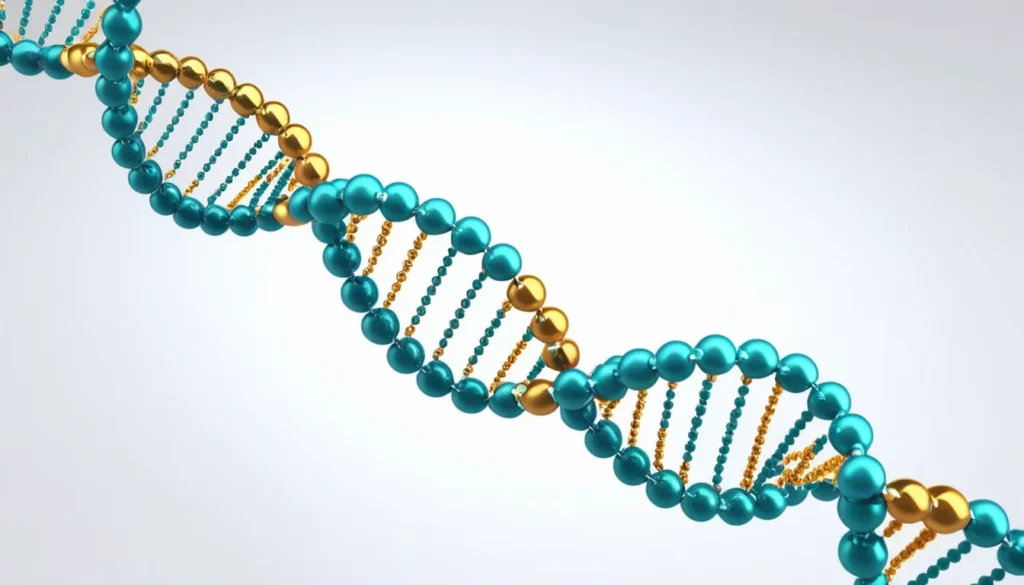
Nucleic acids are complex molecules found in every living cell in your body. They carry and transfer your genetic information, making them essential to life itself. This article explains what nucleic acids are, how DNA and RNA work, and why understanding these molecules matters for your everyday health. Whether you are curious after a genetic test result or simply want to understand biology better, this guide gives you clear, straightforward answers.
What Are Nucleic Acids?
Nucleic acids are large, naturally occurring molecules made up of smaller units called nucleotides. Think of nucleotides as individual links that chain together to form a long, complex structure. These chains store, copy, and carry instructions that tell your cells how to function and grow.
There are two main types of nucleic acids found in the human body: DNA (deoxyribonucleic acid) and RNA (ribonucleic acid). Both are absolutely critical to life. Without them, your cells would have no instructions to follow, and your body could not build proteins, grow, or repair itself.
Scientists first discovered nucleic acids in the 1860s. However, it was not until the 1950s that researchers fully understood the double-helix structure of DNA. Since then, our knowledge of nucleic acids has transformed medicine, genetics, and even vaccine development here in Canada and around the world.
Understanding DNA: Your Body’s Master Blueprint
DNA, or deoxyribonucleic acid, is often called the blueprint of life. It contains all the genetic instructions your body needs to develop, survive, and reproduce. Every cell in your body — from your skin to your heart — contains the same DNA.
Your DNA is organized into structures called chromosomes. Humans have 46 chromosomes, arranged in 23 pairs. These chromosomes sit inside the nucleus of each cell, carefully coiled and protected.
How DNA Carries Genetic Information
DNA is made of four chemical bases: adenine, thymine, guanine, and cytosine. The order of these bases forms a genetic code, much like letters forming words and sentences. Your body reads this code to build proteins, which carry out nearly every function in your body.
For example, your DNA contains instructions for your eye colour, your blood type, and even your risk for certain health conditions. Furthermore, when cells divide, DNA copies itself so that each new cell receives a complete set of instructions. This process is called DNA replication.
DNA and Inherited Health Conditions
Changes or errors in DNA are called mutations. Some mutations are harmless. However, others can increase your risk of conditions like cancer, heart disease, or inherited disorders. Genetic testing, which is increasingly available through Canadian healthcare providers and provincial health programmes, can help identify some of these changes.
If you have a family history of a genetic condition, speak with your family doctor about whether genetic testing or a referral to a genetic counsellor is right for you. Many provincial health plans cover genetic counselling when it is medically necessary.
Understanding RNA: The Messenger Molecule
RNA, or ribonucleic acid, works closely with DNA to carry out genetic instructions. While DNA stores the information, RNA acts as the messenger that delivers those instructions to other parts of the cell. Together, they form the foundation of how your body builds and maintains itself.
RNA is a single-stranded molecule, unlike the double-stranded helix of DNA. It is also slightly different in its chemical structure. These differences allow RNA to travel outside the cell’s nucleus and interact with the cell’s protein-building machinery.
The Three Main Types of RNA
There are three key types of RNA, and each plays a different role in your cells:
Messenger RNA (mRNA): Copies instructions from DNA and carries them to the ribosome, where proteins are made.
Transfer RNA (tRNA): Reads the mRNA message and brings the correct amino acids to build a protein.
Ribosomal RNA (rRNA): Forms part of the ribosome itself, helping to assemble the protein chain.
In addition, scientists have discovered other types of RNA that help regulate gene activity. Research into these molecules is ongoing and very promising for future treatments of disease.
RNA and Modern Medicine: The mRNA Vaccine Connection
You may have heard about mRNA during the COVID-19 pandemic. The Pfizer-BioNTech and Moderna vaccines, both widely used across Canada, use synthetic mRNA to teach your immune system how to fight the coronavirus. This was a major breakthrough in vaccine technology.
These vaccines do not change your DNA in any way. The mRNA from the vaccine breaks down quickly inside your body. As a result, your cells simply learn to recognize the virus and build a defence against it. Health Canada provides detailed information on approved mRNA vaccines and how they work.
Nucleotides: The Building Blocks of Nucleic Acids
As mentioned earlier, nucleic acids are built from nucleotides. Each nucleotide has three parts: a sugar molecule, a phosphate group, and a nitrogenous base. The type of sugar and the specific base determine whether the nucleotide belongs to DNA or RNA.
In DNA, the sugar is deoxyribose. In RNA, the sugar is ribose. This small chemical difference has a big impact on the shape and function of each molecule. Furthermore, DNA uses the base thymine, while RNA uses uracil in its place.
Why Nucleotides Matter for Your Health
Your body constantly makes new nucleotides to support cell growth and repair. Certain nutrients help your body produce nucleotides efficiently. For example, folate (a B vitamin found in leafy greens and legumes) plays a key role in nucleotide synthesis. This is why Health Canada recommends that people who are pregnant take folic acid supplements — it supports healthy DNA production in a growing baby.
A diet rich in whole foods, vegetables, and fibre supports healthy cell function at the molecular level. Therefore, good nutrition is not just about energy — it also supports the very molecules that keep your cells working properly.
Nucleic Acids in Medicine and Health Research
Understanding nucleic acids has completely changed modern medicine. From cancer treatment to inherited disease to infectious illness, DNA and RNA are at the centre of some of the most important advances in healthcare today.
Genetic medicine, also called genomic medicine, uses information from a person’s DNA to guide treatment decisions. For instance, certain cancer treatments are now tailored to the specific genetic mutations found in a patient’s tumour. This approach, known as precision medicine, is growing in Canada through programmes at major research hospitals.
PCR Testing and Nucleic Acids
You may also have heard of PCR (polymerase chain reaction) tests during the pandemic. PCR tests detect the genetic material — nucleic acids — of viruses or bacteria. They are highly accurate and are used to diagnose many infections, including COVID-19, influenza, and sexually transmitted infections.
PCR tests are available through provincial health systems, hospitals, and some walk-in clinics across Canada. The Mayo Clinic explains how PCR tests work in clear, easy-to-understand terms.
Gene Therapy: A Growing Field
Gene therapy is another exciting area of medicine that works directly with nucleic acids. It involves introducing healthy DNA or modified RNA into a patient’s cells to treat or prevent disease. In Canada, gene therapy research is active at several academic health centres.
However, gene therapy is still largely experimental. Most treatments are only available through clinical trials. Talk to your family doctor if you are interested in learning more about whether any trials might be relevant to your condition.
How Diet and Lifestyle Affect Your Nucleic Acids
Your lifestyle choices have a real impact on the health of your DNA and RNA. Certain habits can damage DNA, while others help protect and repair it. The good news is that many protective habits are simple and accessible to most Canadians.
Smoking, for example, introduces chemicals into your body that directly damage DNA. Over time, this damage can lead to mutations that increase cancer risk. Similarly, excessive alcohol consumption and long-term exposure to ultraviolet (UV) radiation from the sun can harm your genetic material.
Foods That Support Healthy DNA
On the other hand, certain foods contain antioxidants and nutrients that help protect your DNA. Consider adding more of these to your diet:
Leafy greens (spinach, kale, arugula) — rich in folate, which supports DNA repair
Berries (blueberries, strawberries) — packed with antioxidants that fight cell damage
Nuts and seeds — contain vitamin E and zinc, both important for DNA maintenance
Whole grains — provide fibre and B vitamins that support cell health
Fatty fish (salmon, mackerel) — omega-3 fatty acids help reduce inflammation that can harm DNA
Regular physical activity also supports healthy cell function. Furthermore, getting enough sleep allows your body time to repair DNA damage that accumulates during the day. Healthline outlines foods shown to support DNA health and overall cellular wellbeing.
When to See a Doctor
Most people do not need to think about their nucleic acids on a daily basis. However, there are situations where speaking to a healthcare provider about genetic or cellular health makes sense.
You should speak with your family doctor if you have a strong family history of cancer, heart disease, or an inherited condition. Your doctor can refer you to a genetic counsellor or order appropriate tests through your provincial health plan. Walk-in clinics can also be a good starting point if you have concerns and do not currently have a family doctor.
If you receive an abnormal result on a genetic test, do not panic. Your doctor can explain what the result means and what steps, if any, are recommended. Remember, having a genetic risk factor does not mean a condition is inevitable — lifestyle, environment, and other factors all play a role too.
Always consult a qualified healthcare professional before making any significant changes to your health routine or before interpreting genetic test results on your own.
Frequently Asked Questions About Nucleic Acids
What are nucleic acids in simple terms?
Nucleic acids are molecules found in every living cell that store and carry genetic information. The two main types of nucleic acids are DNA and RNA. They work together to tell your cells how to build proteins and function properly.
What is the difference between DNA and RNA?
DNA stores your long-term genetic instructions and is found in the nucleus of your cells. RNA acts as a messenger, copying those instructions and carrying them to where proteins are made. Both are types of nucleic acids, but they have slightly different chemical structures and roles.
Do mRNA vaccines change your DNA?
No, mRNA vaccines do not change your DNA. The mRNA used in vaccines like Pfizer and Moderna never enters the cell nucleus where your DNA is stored. It breaks down quickly after teaching your immune system to recognize a virus, leaving your nucleic acids completely unchanged.
What foods are good for DNA health?
Foods rich in folate, antioxidants, and B vitamins help support healthy nucleic acids and DNA repair. Good choices include leafy greens, berries, nuts, whole grains, and fatty fish like salmon. A balanced diet is one of the best ways to protect your genetic material over time.
Can damaged DNA be repaired?
Yes, your body has natural systems that constantly detect and repair damaged DNA. These repair mechanisms work around the clock, especially during sleep. However, repeated or severe damage from smoking, UV radiation, or toxins can overwhelm these systems, which is why prevention through healthy habits is so important.
Are nucleic acids covered in genetic testing in Canada?
Genetic tests analyze nucleic acids — specifically your DNA — to identify mutations or inherited traits. In Canada, some genetic tests are covered by provincial health plans when ordered by a doctor for a medical reason. Coverage varies by province, so speak with your family doctor or visit a walk-in clinic to find out what is available in your area.
Key Takeaways
Nucleic acids — DNA and RNA — are the molecules that carry all genetic information in living cells.
DNA stores your genetic blueprint; RNA delivers those instructions to build proteins.
Both are made of smaller units called nucleotides, which contain a sugar, a phosphate group, and a base.
mRNA vaccines use RNA technology and do not alter your DNA in any way.
Lifestyle choices like diet, sleep, and avoiding smoking directly affect the health of your nucleic acids.
Genetic testing, available through Canadian healthcare providers and provincial health programmes, analyses DNA to identify health risks.
If you have concerns about inherited conditions or genetic health, speak with your family doctor or visit a walk-in clinic for guidance.