Norovirus is one of the most contagious viruses in Canada. It causes viral gastroenteritis — sometimes called the stomach flu — and spreads quickly in schools, daycares, long-term care homes, cruise ships, and restaurants. Most people recover fully within two to three days, but knowing the symptoms and how to prevent infection can protect your whole family.
What Is Norovirus?
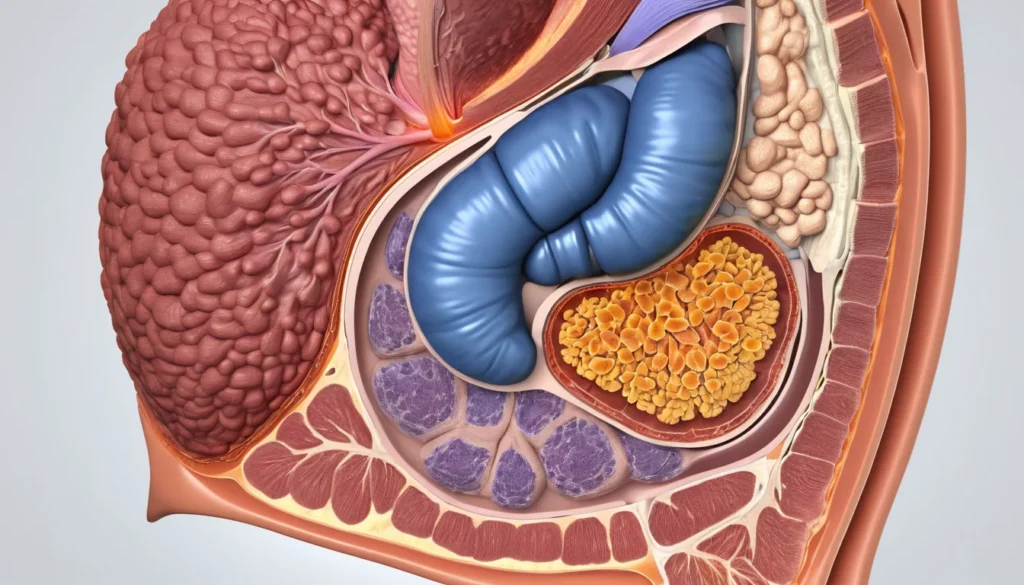
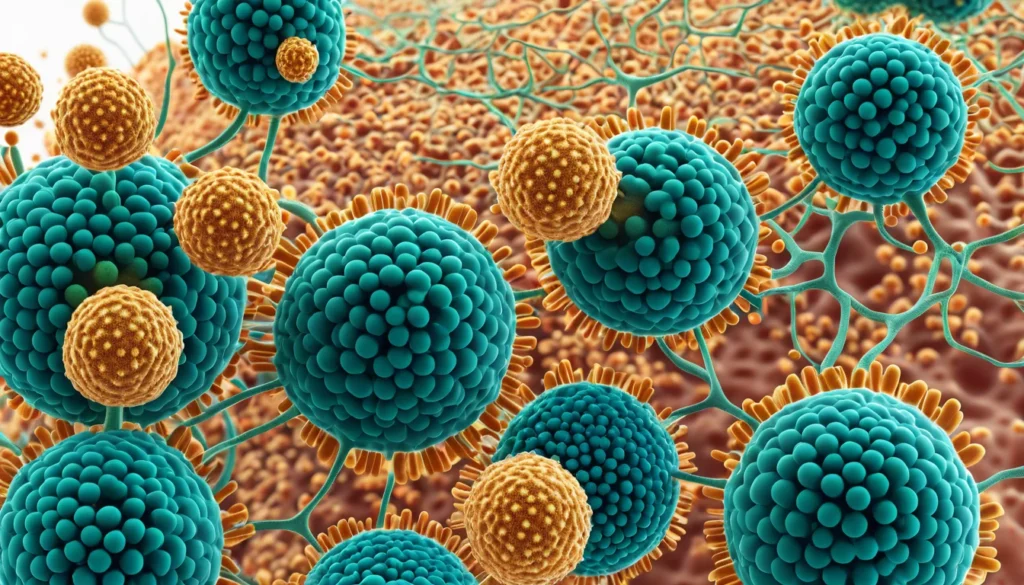
Norovirus is a group of viruses that infect the stomach and intestines. Despite the nickname “stomach flu,” norovirus has nothing to do with the influenza virus. It is a completely different illness.
You may have heard about norovirus outbreaks on cruise ships. Health authorities track these outbreaks closely when more than two percent of passengers fall ill. However, norovirus is just as common in everyday settings across Canada.
Because norovirus comes in many different strains — much like the common cold — your body has a hard time building long-lasting immunity. As a result, you can catch norovirus more than once in your lifetime. Some people are also more genetically prone to infection or to developing more severe illness.
How Norovirus Spreads
Norovirus travels fast. Understanding how it spreads helps you stop it before it reaches your household.
Person-to-Person Contact
The virus lives in the stool and vomit of infected people. Direct contact with a sick person is one of the most common ways norovirus spreads. This includes caring for someone who is ill or sharing food and utensils with them.
Contaminated Food and Water
Food handlers who are infected can contaminate meals if they do not wash their hands properly. Shellfish, raw fruits, and vegetables are the most commonly affected foods. Contaminated water sources can also spread the virus during outbreaks.
Contaminated Surfaces
Norovirus can survive on hard surfaces for days. Touching a contaminated surface — like a door handle, shared tablet, or gym equipment — and then touching your mouth is enough to cause infection. Children are especially at risk if they touch contaminated toys and then put their fingers in their mouths.
For more detail on how norovirus spreads in communities, visit the Health Canada official health guidance page.
Norovirus Symptoms to Watch For
Norovirus symptoms usually begin within 12 to 48 hours of exposure. In some cases, they can appear in as little as 10 hours. Knowing what to expect helps you act quickly.
Common Early Symptoms
In the first one to three days, most people experience:
Nausea
Vomiting
Watery diarrhoea
Stomach cramps
Additional Symptoms
Some people also develop a low-grade fever, headache, and muscle aches. These symptoms are unpleasant but usually not dangerous for healthy adults.
How Long Does It Last?
Most people recover within two to three days without any lasting health effects. However, you remain contagious from the moment symptoms start until at least two to three days after you feel better. In some cases, the contagious period can stretch up to two weeks. Therefore, good hygiene habits must continue even after you feel well.
Dehydration: The Main Complication
The most common complication of norovirus is dehydration. Vomiting and diarrhoea cause your body to lose fluids and electrolytes quickly. Dehydration is most serious in infants, young children, older adults, and people with weakened immune systems.
Signs of dehydration include dry mouth, dizziness, dark urine, and decreased urination. If you notice these signs in yourself or a loved one, take action right away.
Risk Factors: Who Is Most Vulnerable?
Anyone can catch norovirus — it does not discriminate. However, some groups face a higher risk of serious illness.
Infants and young children — their immune systems are still developing
Older adults — especially those in long-term care or retirement homes
People with weakened immune systems — including those undergoing chemotherapy or living with chronic illness
People in close-contact settings — daycares, schools, hospitals, cruise ships, and camps
Most healthy Canadians will recover fully without complications. However, the groups listed above need closer monitoring during illness.
Norovirus Treatment: What Actually Helps
There is currently no vaccine available to prevent norovirus in Canada. Because norovirus is a virus, antibiotics will not help. Antibiotics only treat bacterial infections.
Stay Hydrated
The most important treatment is replacing lost fluids. Drink plenty of water, clear broths, or diluted juice throughout the day. Oral rehydration salts (ORS) are available over the counter at most Canadian pharmacies without a prescription. These solutions help restore the electrolytes your body loses through vomiting and diarrhoea.
Rest and Recovery
Rest is essential. Avoid solid foods until nausea eases. When you are ready to eat, start with bland, easy-to-digest foods like crackers, toast, rice, or bananas. Avoid dairy, fatty foods, and caffeine until you feel fully recovered.
Severe Cases
Severe dehydration may require intravenous fluids in a hospital setting. This is more common in elderly patients, people with disabilities, or those with compromised immune systems. In most cases, however, home care and rest are all that is needed.
The Mayo Clinic’s guidance on viral gastroenteritis provides additional information on managing symptoms at home.
How to Prevent Norovirus
Prevention is your best defence against norovirus. Simple hygiene habits make a significant difference — especially during peak season in fall and winter.
Wash Your Hands Thoroughly
Wash your hands with warm water and soap for at least 20 seconds. Do this after using the toilet, after changing diapers, before eating, and before preparing food. Hand washing with soap and water is more effective against norovirus than hand sanitiser alone.
If soap and water are not available, use an alcohol-based hand sanitiser with at least 60 percent alcohol. However, always prefer soap and water when possible.
Handle Food Safely
Do not prepare or handle food for others if you have vomiting or diarrhoea. Stay away from the kitchen until you have been symptom-free for at least 48 hours. Wash fruits and vegetables thoroughly before serving, and cook shellfish to a safe internal temperature.
Disinfect Surfaces Regularly
Clean and disinfect frequently touched surfaces often. Use a bleach-based solution — mix two teaspoons of household bleach with two cups of water. Apply this to phones, door handles, light switches, countertops, and toilet handles. This is especially important when someone in your home is sick.
Isolate When Sick
Anyone with norovirus symptoms should stay home and avoid contact with others. Do not return to work, school, or public spaces for at least 48 hours after all symptoms have stopped. This step is especially critical for food service workers, healthcare staff, and childcare workers.
Infection Control in Workplaces and Care Homes
In healthcare settings, staff caring for norovirus patients should wear gloves and gowns. Limit the movement of ill patients throughout the facility. Food handlers who develop symptoms must be sent home immediately and cleared before returning to work.
When to See a Doctor
Most people with norovirus do not need to visit a doctor. However, you should contact your family doctor or visit a walk-in clinic if:
Symptoms last longer than 72 hours
You notice blood in your stool or vomit
You have a high fever alongside diarrhoea
You or your child shows signs of severe dehydration
You are unable to keep any fluids down for more than 12 hours
If you are unsure whether your symptoms are caused by norovirus or another condition, speak with your family doctor. In Canada, you can also call your provincial health line — such as 811 in most provinces — for free health advice any time of day or night.
Blood in the stool, very high fever, or symptoms lasting more than three days may indicate a different or more serious condition. In that case, prompt medical attention is important.
Always consult a qualified healthcare provider before making decisions about your health. The information in this article is for general guidance only and does not replace professional medical advice.
Frequently Asked Questions About Norovirus
How long does norovirus last?
Norovirus symptoms typically last one to three days in healthy adults. Most people recover fully without medical treatment. However, you may still be contagious for up to two weeks after symptoms clear, so continue practising good hygiene throughout your recovery.
Is norovirus the same as the stomach flu?
Norovirus is often called the stomach flu, but it has nothing to do with influenza. The influenza virus attacks the respiratory system, while norovirus infects the stomach and intestines. The “stomach flu” is simply a common nickname for viral gastroenteritis caused by norovirus.
How do you get rid of norovirus fast?
There is no medication that clears norovirus faster. The best approach is to rest, drink plenty of fluids, and use oral rehydration salts available at Canadian pharmacies. Most people feel significantly better within 48 to 72 hours with proper hydration and rest.
Can you get norovirus more than once?
Yes, you can catch norovirus multiple times throughout your life. Because norovirus has many different strains, your immune system cannot build lasting protection against all of them. This is similar to how you can catch a cold repeatedly from different virus strains.
What foods should you avoid with norovirus?
When recovering from norovirus, avoid dairy products, fatty or fried foods, spicy foods, and caffeine. These can irritate your digestive system and make symptoms worse. Stick to bland foods like crackers, toast, rice, and bananas until you feel fully better.
Does hand sanitiser kill norovirus?
Hand sanitiser alone is less effective against norovirus than soap and water. Washing your hands thoroughly with warm water and soap for at least 20 seconds remains the gold standard for norovirus prevention. Use hand sanitiser only when soap and water are not available.
Key Takeaways
Norovirus is a highly contagious virus that causes vomiting, diarrhoea, and stomach cramps.
Symptoms begin within 12 to 48 hours of exposure and usually last one to three days.
Dehydration is the most serious complication — drink fluids and use oral rehydration salts.
There is no vaccine or antibiotic treatment for norovirus.
Wash your hands with soap and water regularly — especially before eating and after using the toilet.
Stay home for at least 48 hours after symptoms stop to avoid spreading the virus.
Contact your family doctor or a walk-in clinic if symptoms are severe, last longer than three days, or include blood in the stool.
Call 811 (available in most provinces) for free health advice from a registered nurse any time.
For more information on norovirus outbreaks and food safety in Canada, visit the World Health Organization’s page on foodborne diseases.