Non-small cell lung cancer is the most common form of lung cancer, accounting for more than 80% of all lung cancer cases in Canada. It is a serious diagnosis with a challenging outlook — but understanding it can help you ask the right questions and act sooner. This article explains what non-small cell lung cancer is, the different types, how the lungs work, and what warning signs should send you to your family doctor or walk-in clinic right away.
How Your Lungs Work
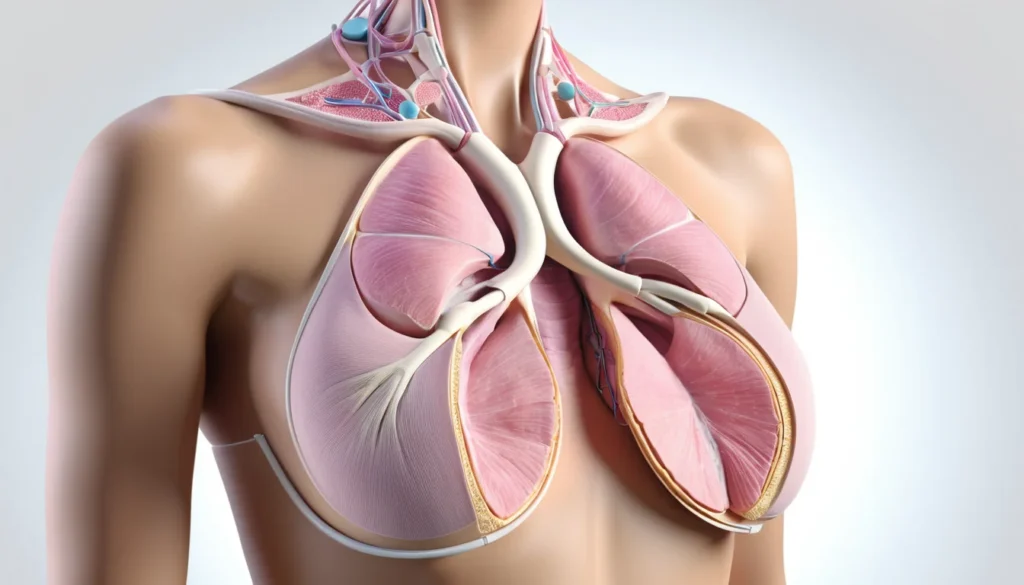
Your lungs are two spongy organs sitting inside your chest, one on each side of your heart. Their main job is breathing — bringing oxygen into your body and pushing carbon dioxide out.
Air travels in through your nose or mouth, moves down through your throat and windpipe (trachea), and then enters a branching system of airways called bronchi. These airways divide again and again, getting smaller and smaller, until they reach tiny air sacs called alveoli. The alveoli are where the real work happens — this is where oxygen enters your blood and waste gases leave.
Your right lung has three sections, called lobes. Your left lung has two. Each lobe is divided further into segments and smaller units called lobules. In people who smoke, these divisions often become more visible over time. That is because toxins from cigarette smoke darken the connective tissue between lobules.
The Pleura: Your Lungs’ Protective Lining
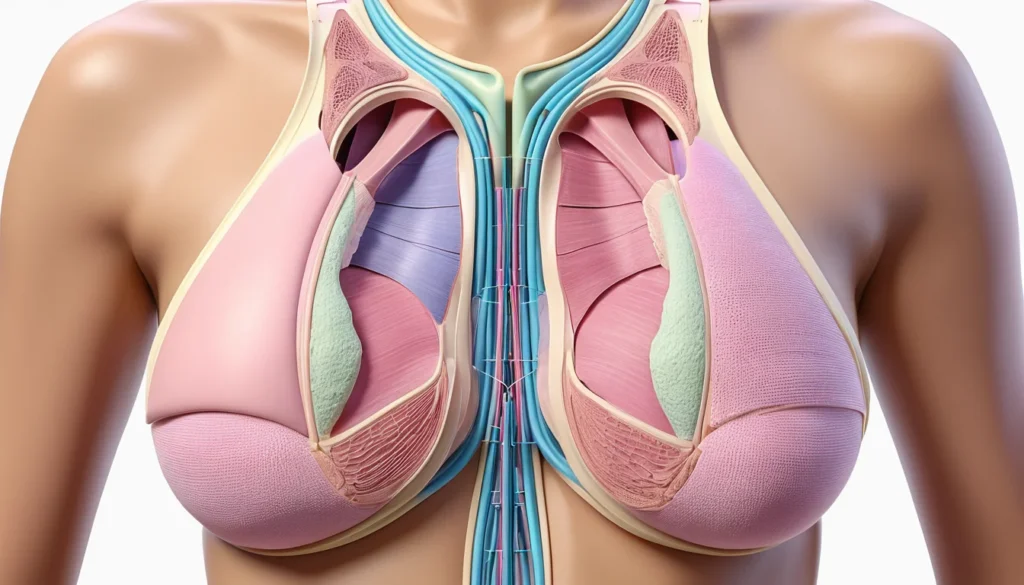
Each lung is wrapped in a very thin layer of tissue called the pleura. The pleura has two layers — one hugging the lung surface and one lining the chest wall. Between them is a tiny space filled with pleural fluid.
This fluid acts like a lubricant. It allows your lungs to expand and contract smoothly with every breath. However, when too much fluid builds up in this space — a condition called pleural effusion — breathing becomes difficult and uncomfortable. This can happen in several lung conditions, including lung cancer.
What Is Non-Small Cell Lung Cancer?
Lung cancer falls into two broad categories: small cell lung cancer and non-small cell lung cancer (NSCLC). These two types behave very differently, and doctors treat them in different ways.
Non-small cell lung cancer grows more slowly than small cell lung cancer. However, it also responds poorly to chemotherapy. This makes it harder to treat, especially when it is found late. Unfortunately, most cases are not caught until the cancer is already at an advanced stage.
One major reason lung cancer is so deadly is that it often causes very few symptoms early on. By the time a person feels unwell, the disease may have already spread. According to Health Canada, lung cancer is one of the leading causes of cancer death in the country, surpassing even heart disease when it comes to smoking-related deaths.
Who Is Most at Risk?
The vast majority of people diagnosed with non-small cell lung cancer have a long history of smoking. However, non-smokers can develop it too, particularly with certain subtypes like adenocarcinoma.
Other risk factors include exposure to radon gas (which is a real concern in some Canadian homes), asbestos, air pollution, and a family history of lung cancer. If you smoke or have significant exposure to any of these, talk to your family doctor about your risk.
Types of Non-Small Cell Lung Cancer
There are three main subtypes of non-small cell lung cancer. Each starts in a different kind of cell. They share a similar treatment approach, but they behave somewhat differently in the body.
1. Squamous Cell Carcinoma
Squamous cell carcinoma starts in the flat, scale-like cells that line the airways. It is also called epidermoid carcinoma. This type tends to form near the centre of the lung, close to a large airway called a bronchus.
It accounts for roughly 25–30% of all lung cancers. One notable feature of this subtype is that it sometimes produces a substance similar to parathyroid hormone. This can cause high calcium levels in the blood — a condition called hypercalcaemia — which may show up in routine blood tests.
On imaging, squamous cell carcinoma often appears as a cavity-like lesion near a bronchus. For example, a chest X-ray may show a hollow-looking mass in the central part of the lung.
2. Adenocarcinoma
Adenocarcinoma is the most common type of non-small cell lung cancer. It starts in the glandular cells that line the alveoli — the tiny air sacs deep in the lungs. These cells normally produce mucus.
Unlike squamous cell carcinoma, adenocarcinoma tends to form in the outer parts of the lung. It is therefore harder to spot early, since it grows away from the central airways. This is also the type most often seen in people who have never smoked, as well as in women.
According to the Mayo Clinic’s lung cancer overview, adenocarcinoma is increasingly being diagnosed in younger adults and non-smokers, which highlights why lung cancer awareness matters for everyone — not just long-term smokers.
3. Large Cell Carcinoma
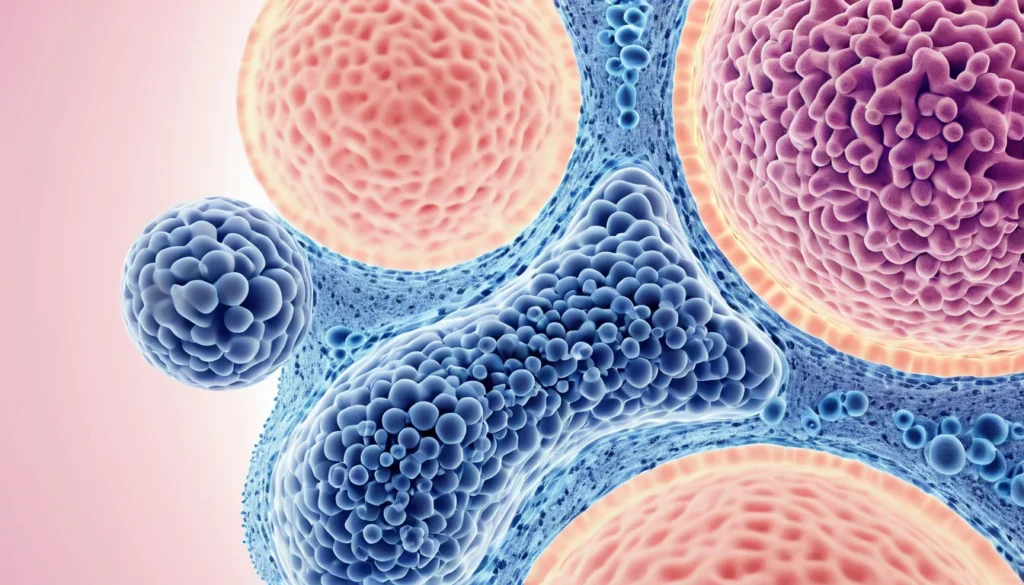
Large cell carcinoma gets its name from the unusually large, abnormal cells seen under a microscope. It can start in many different types of lung cells, and it does not fit neatly into the other two categories.
This subtype makes up about 10% of all lung cancers. It typically appears as a large mass on the outer edges of the lung. Large cell carcinoma often shows areas of tissue breakdown (necrosis) and tends to grow and spread quickly.
One important subtype is large cell neuroendocrine carcinoma. This tumour originates in neuroendocrine cells — cells that have features of both nerve cells and hormone-producing cells. It behaves more aggressively than other large cell tumours.
Why Non-Small Cell Lung Cancer Is So Challenging to Treat
Non-small cell lung cancer presents doctors with several obstacles. First, it is usually found late. Most people do not have clear symptoms until the cancer has grown significantly or spread to other parts of the body.
Second, NSCLC does not respond well to chemotherapy, unlike small cell lung cancer. This limits the treatment options available, especially for patients who are not healthy enough for surgery.
Third, many patients who develop this cancer have been smoking for decades. As a result, they often have other serious health conditions — such as heart disease, chronic obstructive pulmonary disease (COPD), or reduced lung function. These conditions can make aggressive treatment riskier or impossible. The World Health Organization’s cancer fact sheet notes that tobacco use remains the single biggest risk factor for lung cancer worldwide.
Treatment Options
Treatment for non-small cell lung cancer depends on the stage of the cancer and the patient’s overall health. Options may include surgery (to remove the tumour or part of the lung), radiation therapy, chemotherapy, targeted therapy, or immunotherapy.
In recent years, targeted therapies and immunotherapy have improved outcomes for some patients with specific genetic mutations in their tumours. Your oncology team will test the tumour to see which treatments may work best for your specific case. All Canadians have access to cancer care through their provincial health plan — speak with your family doctor to get a referral to a specialist.
Symptoms of Non-Small Cell Lung Cancer
One of the biggest challenges with non-small cell lung cancer is that early-stage disease often causes no symptoms at all. When symptoms do appear, they can be easy to mistake for other common conditions like a chest infection or asthma.
Common symptoms include:
A persistent cough that does not go away or gets worse
Coughing up blood, even a small amount
Shortness of breath during everyday activities
Chest pain or discomfort, especially when breathing deeply
Unexplained weight loss
Fatigue that does not improve with rest
Hoarseness or changes in your voice
Recurrent chest infections (such as pneumonia or bronchitis)
If high calcium levels develop (hypercalcaemia, more common with squamous cell carcinoma), you may also notice nausea, confusion, excessive thirst, or muscle weakness.
When to See a Doctor
Do not wait to see if symptoms go away on their own. If you have a cough lasting more than three weeks, cough up blood, or feel unexplained shortness of breath, see your family doctor as soon as possible. If you cannot get a timely appointment, a walk-in clinic can assess your symptoms and order initial tests like a chest X-ray.
If you are a long-term smoker aged 55–74, ask your family doctor about lung cancer screening with low-dose CT scans. Some provinces have lung cancer screening programmes for high-risk individuals. Early detection gives you the best chance at effective treatment.
Please speak with a qualified healthcare provider before making any decisions about your health. This article is for general information only and does not replace professional medical advice.
Frequently Asked Questions About Non-Small Cell Lung Cancer
What is the difference between non-small cell lung cancer and small cell lung cancer?
Non-small cell lung cancer grows more slowly and makes up over 80% of all lung cancer cases. Small cell lung cancer grows faster but responds better to chemotherapy. Both are serious, but they are treated very differently.
Can non-small cell lung cancer be cured?
When non-small cell lung cancer is caught at an early stage, surgery can sometimes remove the tumour completely, offering a chance at cure. However, most cases are diagnosed late, when the cancer has spread and a cure is less likely. New targeted therapies and immunotherapy are improving survival rates for some patients.
What are the early warning signs of non-small cell lung cancer?
Early non-small cell lung cancer often causes no symptoms at all. When signs do appear, they include a persistent cough, coughing up blood, shortness of breath, and unexplained weight loss. See your family doctor right away if you notice any of these symptoms.
Is non-small cell lung cancer only caused by smoking?
Smoking is the leading cause of non-small cell lung cancer, but it is not the only one. Non-smokers can develop this cancer due to radon gas exposure, asbestos, secondhand smoke, air pollution, or genetic factors. Adenocarcinoma, one subtype, is increasingly seen in people who have never smoked.
How is non-small cell lung cancer diagnosed in Canada?
Diagnosis typically starts with a chest X-ray or CT scan ordered by your family doctor. If a suspicious mass is found, a biopsy is done to confirm the cancer type. Some provinces also offer lung cancer screening programmes using low-dose CT scans for high-risk individuals — ask your doctor if you qualify.
What is the survival rate for non-small cell lung cancer?
Survival rates for non-small cell lung cancer depend heavily on the stage at diagnosis. Early-stage disease has a much better outlook than advanced disease. Overall, survival rates have been improving in recent years thanks to better screening and newer treatments like immunotherapy and targeted therapy.
Key Takeaways
Non-small cell lung cancer accounts for more than 80% of all lung cancer cases in Canada.
There are three main subtypes: squamous cell carcinoma, adenocarcinoma, and large cell carcinoma.
This type of lung cancer is hard to treat because it often responds poorly to chemotherapy and is usually found late.
Early symptoms are easy to miss — a persistent cough, shortness of breath, or coughing up blood are key warning signs.
Long-term smokers aged 55–74 should ask their family doctor about lung cancer screening programmes available in their province.
All Canadians have access to cancer care through their provincial health plan — early referral to a specialist makes a difference.
Always speak with your family doctor or visit a walk-in clinic if you have concerns about your lung health.