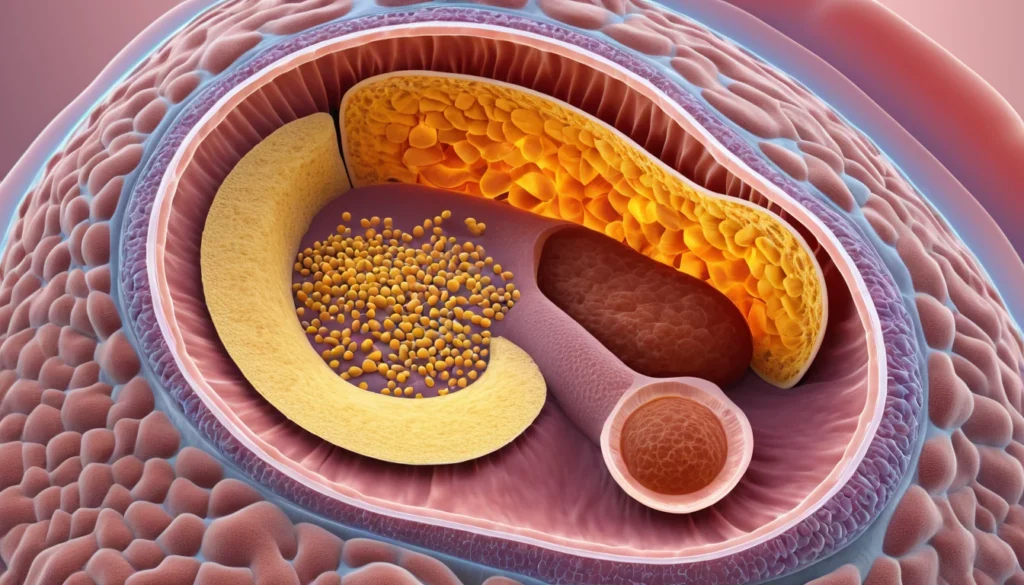
Non-alcoholic fatty liver disease (NAFLD) is one of the most common liver conditions in Canada, affecting up to one in four adults. It happens when fat builds up inside liver cells — even in people who drink little or no alcohol. Left unmanaged, it can lead to serious complications like cirrhosis and liver failure. This article explains what NAFLD is, what causes it, and what you can do to protect your liver.
What Is Non-Alcoholic Fatty Liver Disease?
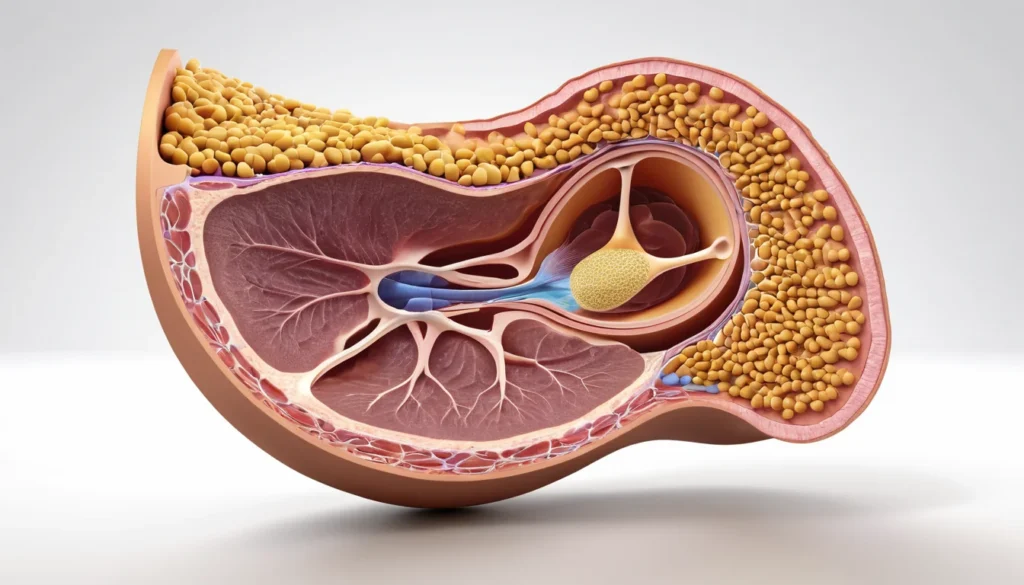
Non-alcoholic fatty liver disease is an umbrella term for a range of liver conditions caused by excess fat in the liver. It is not related to alcohol use. Instead, it is closely linked to metabolic health problems like obesity, type 2 diabetes, and high cholesterol.
NAFLD is increasingly common in Western countries, including Canada. In many cases, people do not know they have it. However, without proper management, NAFLD can cause the same kind of liver damage seen in people who drink heavily.
According to Health Canada, liver disease is a growing public health concern across the country. NAFLD is now considered a leading cause of chronic liver disease in Canadian adults and children alike.
Signs and Symptoms of Non-Alcoholic Fatty Liver Disease
In its early stages, non-alcoholic fatty liver disease often causes no noticeable symptoms. Many people only find out they have it during a routine blood test or ultrasound done for another reason. This makes regular health check-ups especially important.
Early Symptoms
When symptoms do appear in the early stages, they tend to be mild and easy to overlook. The most common early signs include:
Persistent fatigue — feeling tired even after a full night’s sleep
Discomfort or a dull ache in the upper right side of the abdomen
Symptoms of Advanced Disease
As NAFLD progresses and complications develop, more noticeable symptoms can appear. These are signs that the liver may already be significantly damaged. They include:
Swelling of the abdomen caused by fluid build-up (ascites)
Enlarged, visible blood vessels just beneath the skin
An enlarged spleen (splenomegaly)
Redness of the palms
Jaundice — yellowing of the skin and whites of the eyes
If you notice any of these symptoms, it is important to speak with a healthcare provider as soon as possible. These signs may indicate serious liver damage that needs prompt attention.
Causes and Risk Factors
Researchers do not yet fully understand why some people develop non-alcoholic fatty liver disease and others do not, even with similar lifestyles. However, the condition is strongly linked to a cluster of metabolic health issues.
Common Causes
The following conditions are closely associated with fat accumulation in the liver:
Overweight or obesity — especially when excess fat is carried around the abdomen
Insulin resistance — when the body’s cells do not respond properly to insulin
High blood sugar — including prediabetes and type 2 diabetes
High triglycerides — elevated fats in the bloodstream
Together, these conditions promote the build-up of excess fat in liver cells. In some people, that fat triggers inflammation. Over time, inflammation leads to scarring of liver tissue — a process that can eventually result in cirrhosis.
Who Is Most at Risk?
Certain health conditions increase your chances of developing non-alcoholic fatty liver disease. These include:
High cholesterol (hypercholesterolaemia)
High triglycerides (hypertriglyceridaemia)
Metabolic syndrome
Polycystic ovary syndrome (PCOS)
Sleep apnea
Type 2 diabetes
Hypothyroidism (underactive thyroid)
Hypopituitarism (underactive pituitary gland)
NAFLD also becomes more common with age. Older adults who are living with obesity and type 2 diabetes are at particularly high risk. For these individuals, regular monitoring is strongly recommended.
Complications of Non-Alcoholic Fatty Liver Disease
The most serious complication of NAFLD is cirrhosis — severe, permanent scarring of the liver. Ongoing inflammation causes the liver to repeatedly attempt to repair itself. Over time, this repair process creates scar tissue (fibrosis) that can build up and disrupt normal liver function.
Research estimates that between 5% and 12% of people with non-alcoholic fatty liver disease will eventually develop cirrhosis. If cirrhosis is not treated or managed, it can lead to life-threatening complications, including:
Ascites — dangerous fluid accumulation in the abdominal cavity
Esophageal varices — enlarged veins in the esophagus that can rupture and bleed
Hepatic encephalopathy — confusion, difficulty concentrating, and speech problems caused by toxin build-up
Liver cancer (hepatocellular carcinoma)
Liver failure — when the liver can no longer perform its essential functions
For more information on liver disease complications, the Mayo Clinic’s guide to NAFLD is an excellent resource.
When to See a Doctor
You should book an appointment with your family doctor if you experience any symptom that concerns you — especially persistent fatigue or discomfort in your upper right abdomen. Your doctor can run blood tests and order an ultrasound to check your liver health.
If you do not have a family doctor, a walk-in clinic is a good first step. Most provincial health plans in Canada cover initial assessments for liver concerns. Your doctor may refer you to a gastroenterologist or hepatologist (a liver specialist) if further investigation is needed.
Do not wait for symptoms to become severe. Because NAFLD often has no obvious early signs, routine check-ups are the best way to catch it early. Talk to your healthcare provider about whether you should be screened, especially if you have risk factors like obesity, diabetes, or high cholesterol.
How Non-Alcoholic Fatty Liver Disease Is Diagnosed
Because NAFLD rarely causes obvious symptoms in its early stages, it is often discovered by accident during tests for another condition. Your doctor will typically use a combination of blood tests and imaging to make a diagnosis.
Blood Tests
Your doctor may order the following blood tests to assess your liver health:
Complete blood count (CBC)
Liver enzymes and liver function tests
Tests for chronic viral hepatitis (hepatitis B, C, and others)
Screening test for celiac disease
Fasting blood glucose
Glycated haemoglobin (HbA1c) — a marker for blood sugar control
Lipid panel — measuring cholesterol and triglyceride levels
Imaging Tests
Imaging tests help your doctor see the condition of your liver directly. Common options include:
Abdominal ultrasound — this is usually the first imaging test ordered when liver disease is suspected
CT scan or MRI — used in some cases for a more detailed picture
Elastography — a special form of ultrasound that measures the degree of liver scarring (fibrosis)
Liver Biopsy
If blood tests and imaging are inconclusive, your doctor may recommend a liver biopsy. A small sample of liver tissue is removed and examined under a microscope. While the procedure can be uncomfortable and carries some risks, it provides the most accurate picture of how much damage has occurred.
Prevention and Lifestyle Changes
The good news is that non-alcoholic fatty liver disease is largely preventable — and in its early stages, often reversible — through lifestyle changes. The goal is to improve your metabolic health, which directly reduces fat build-up in the liver.
Eat a Liver-Friendly Diet
A plant-based diet rich in fruits, vegetables, whole grains, and legumes is one of the best things you can do for your liver. This type of eating pattern helps manage blood sugar, lower cholesterol, and maintain a healthy weight. Limit processed foods, added sugars, and saturated fats wherever possible.
Canadian dietary guidelines emphasise choosing whole foods and limiting ultra-processed products. Healthline’s guide to diet and fatty liver offers additional practical tips for everyday meals.
Reach and Maintain a Healthy Weight
If you are living with overweight or obesity, even modest weight loss can make a meaningful difference to your liver health. Studies show that losing 5–10% of body weight can significantly reduce liver fat. Work with your family doctor or a registered dietitian to set realistic goals.
Avoid crash diets or very low-calorie plans without medical supervision. Rapid weight loss can actually worsen liver inflammation in some cases. Slow, steady progress is the safest and most effective approach.
Exercise Regularly
Physical activity helps reduce liver fat, improve insulin sensitivity, and support a healthy weight. Aim for at least 150 minutes of moderate activity per week — this could be brisk walking, swimming, cycling, or any movement you enjoy. Both aerobic exercise and strength training offer benefits for liver health.
Even small increases in daily movement can help. If you currently live a sedentary lifestyle, start gradually and build up over time. Your family doctor can help you find an activity level that is safe and realistic for your situation.
Frequently Asked Questions
Can non-alcoholic fatty liver disease be reversed?
In its early stages, non-alcoholic fatty liver disease can often be reversed through lifestyle changes such as losing weight, eating a healthier diet, and exercising regularly. However, once significant scarring (cirrhosis) has developed, the damage is permanent. Early detection and action give you the best chance of recovery.
What are the warning signs of fatty liver disease?
Many people with non-alcoholic fatty liver disease have no symptoms at all in the early stages. When symptoms do appear, they often include persistent fatigue and a dull ache in the upper right side of the abdomen. More serious signs — such as yellowing of the skin (jaundice) or abdominal swelling — suggest the disease has progressed and requires urgent medical attention.
Is non-alcoholic fatty liver disease serious?
Yes, non-alcoholic fatty liver disease can become very serious if left unmanaged. It can progress to liver fibrosis, cirrhosis, liver cancer, and ultimately liver failure. Between 5% and 12% of people with NAFLD will develop cirrhosis over time, which is why early diagnosis and lifestyle changes are so important.
What foods should you avoid if you have a fatty liver?
People with non-alcoholic fatty liver disease should limit or avoid foods that are high in added sugar, saturated fat, and refined carbohydrates — such as sugary drinks, fast food, white bread, and processed snacks. Alcohol should also be avoided or strictly limited, as it places additional stress on a liver that is already struggling. A registered dietitian can help you build a realistic, liver-friendly eating plan.
How is non-alcoholic fatty liver disease diagnosed in Canada?
In Canada, non-alcoholic fatty liver disease is typically diagnosed through a combination of blood tests (including liver enzyme tests and a lipid panel) and imaging such as an abdominal ultrasound. Your family doctor or walk-in clinic can order these tests, and most are covered under provincial health plans. In some cases, a liver biopsy may be needed to confirm the diagnosis.
Who is most at risk for non-alcoholic fatty liver disease in Canada?
Canadians who are living with obesity, type 2 diabetes, high cholesterol, or metabolic syndrome are at the highest risk of developing non-alcoholic fatty liver disease. The condition also becomes more common with age. If you have one or more of these risk factors, talk to your family doctor about whether regular liver screening is right for you.
Key Takeaways
Non-alcoholic fatty liver disease affects up to 1 in 4 Canadians and is not related to alcohol use.
It is closely linked to obesity, type 2 diabetes, high cholesterol, and insulin resistance.
NAFLD often causes no symptoms in the early stages — regular check-ups are the best way to catch it early.
If left unmanaged, it can progress to cirrhosis, liver cancer, and liver failure.
Lifestyle changes — including a healthy diet, regular exercise, and weight management — are the most effective way to prevent and manage NAFLD.
Most provincial health plans cover the blood tests and imaging needed to diagnose NAFLD. Speak to your family doctor or visit a walk-in clinic to get checked.
Always consult your doctor before making significant changes to your diet or exercise routine, especially if you have existing health conditions.