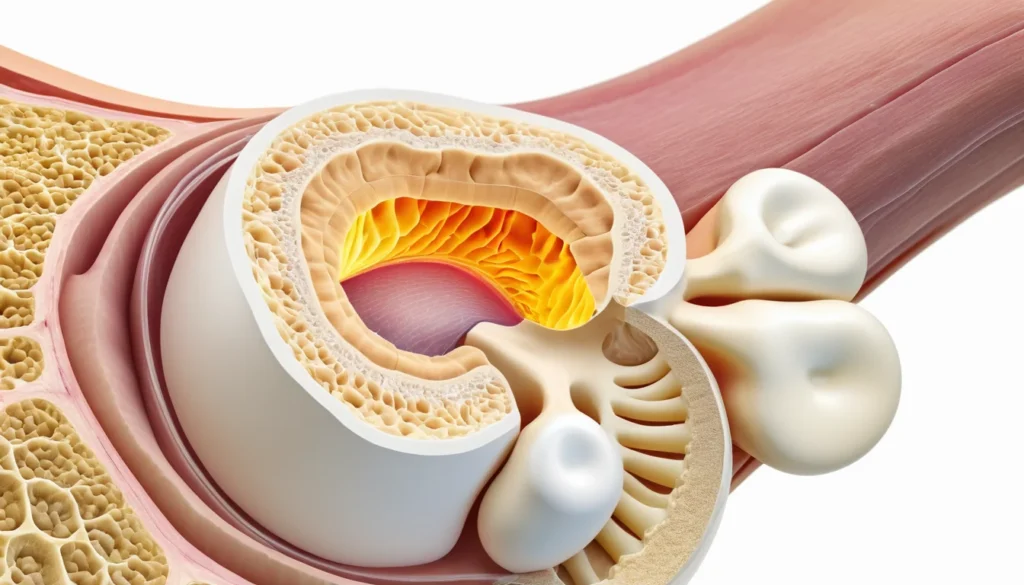
Neutropenia is a condition where your blood has too few neutrophils — the white blood cells that fight bacterial infections. Without enough of these cells, your body has a harder time defending itself against harmful germs. Neutropenia can be mild and temporary, or it can be severe and long-lasting. Understanding the causes, symptoms, and treatment options can help you take action and protect your health.
What Is Neutropenia?
Your blood contains several types of white blood cells. Each type plays a different role in keeping you healthy. Neutrophils are the most common type, and they are your body’s first defence against bacteria and fungi.
When your neutrophil count drops below a certain level, doctors call this neutropenia. A normal neutrophil count is roughly 1,500 to 8,000 cells per microlitre of blood. However, when that number falls below 1,500 — and especially below 500 — the risk of serious infection rises significantly.
According to Mayo Clinic’s overview of neutropenia, this condition can affect people of all ages. It is not a disease on its own, but rather a sign that something else is going on in the body.
Types of Neutropenia
Doctors generally divide neutropenia into two broad categories: constitutional (inherited) and acquired. Knowing which type you have helps guide treatment.
Constitutional Neutropenia
Constitutional neutropenia is present from birth. It is caused by genetic changes that affect how the bone marrow produces neutrophils. This type is less common, but it can be more serious. Children with this form may experience frequent infections from a very young age.
Acquired Neutropenia
Acquired neutropenia develops during a person’s lifetime. It is far more common than the constitutional form. In most cases, acquired neutropenia is mild and causes no lasting problems.
There are several subtypes of acquired neutropenia. These include chronic, acute, and drug-induced forms. Each has different causes and outcomes, which we will explore in the sections below.
Common Causes of Neutropenia
Many different factors can cause neutropenia. Some are temporary and easy to treat. Others are linked to more serious underlying health conditions.
Chronic Neutropenia
The most common form of neutropenia is chronic. It develops slowly and lasts for months or years. Interestingly, chronic neutropenia is most often seen in people who experience ongoing fatigue, and it appears more frequently in women than in men.
In some cases, chronic neutropenia is linked to autoimmune conditions such as rheumatoid arthritis. The immune system mistakenly attacks the body’s own neutrophils, reducing their numbers over time. As a result, the body becomes more vulnerable to repeated infections.
Exposure to toxic substances — such as certain chemicals or heavy metals — can also damage the bone marrow and lead to chronic neutropenia. Furthermore, serious conditions like aplastic anaemia and leukaemia can severely reduce neutrophil production.
Acute Neutropenia
Acute neutropenia comes on quickly and usually resolves once the cause is treated. It is commonly seen during viral or bacterial infections. For example, influenza, hepatitis, and other infections can temporarily suppress white blood cell production.
In most cases, the neutrophil count returns to normal after recovery from the infection. However, it is still important to monitor the situation closely, especially in older adults or people with other health conditions.
Drug-Induced Neutropenia
Certain medications can cause neutrophil counts to drop. This is known as drug-induced neutropenia. Common culprits include some antibiotics, anti-thyroid drugs, anti-inflammatory medications, and chemotherapy drugs.
Drug-induced neutropenia is particularly important to watch for because it can progress to agranulocytosis. Agranulocytosis is the complete absence of neutrophils in the blood — a very serious and potentially life-threatening condition. Therefore, anyone starting a new medication should be aware of this risk and report any unusual symptoms to their healthcare provider right away.
For a deeper look at how medications affect blood cell counts, visit Healthline’s guide to neutropenia causes and treatment.
Recognising the Symptoms of Neutropenia
Mild neutropenia often causes no symptoms at all. Many people only find out they have it through a routine blood test. However, more significant cases can produce clear warning signs.
Signs to Watch For
The main symptom of neutropenia is a higher-than-normal frequency of infections. These infections may be harder to treat than usual, and they may keep coming back. Common infection sites include the mouth, skin, lungs, and urinary tract.
You might also notice:
Fever that appears suddenly or without an obvious cause
Mouth sores or swollen gums
Skin infections or slow-healing wounds
Persistent fatigue and low energy
Swollen lymph nodes
Pneumonia or recurring chest infections
In cases of severe neutropenia or agranulocytosis, even minor infections can become life-threatening very quickly. This is why early detection matters so much.
How Is Neutropenia Diagnosed?
Your doctor will usually diagnose neutropenia through a complete blood count (CBC) — a standard blood test that measures the different types of cells in your blood. This test is widely available through provincial health plans across Canada, and your family doctor can order it easily.
If the CBC shows a low neutrophil count, your doctor may order further tests to find the underlying cause. These might include a bone marrow biopsy, additional blood tests, or imaging studies. In some cases, a referral to a specialist such as a haematologist may be needed.
Early diagnosis is important. The sooner the cause is identified, the sooner treatment can begin and complications can be avoided.
Treatment Options for Neutropenia
Treatment depends on the type and severity of the condition, as well as its underlying cause. There is no single treatment that works for everyone.
Treating Mild Neutropenia
Mild neutropenia often requires no specific treatment. Instead, your doctor will focus on treating the underlying cause — for example, managing a viral infection or adjusting a medication that may be causing the drop in neutrophil count.
Regular monitoring through blood tests is usually recommended. This helps track whether the condition is improving, staying the same, or getting worse.
Treating Severe Neutropenia
Severe neutropenia, particularly when it causes frequent or serious infections, requires more aggressive treatment. Your doctor may prescribe:
Granulocyte colony-stimulating factor (G-CSF): A medication that stimulates the bone marrow to produce more neutrophils. It is often used in people undergoing chemotherapy.
Antibiotics or antifungal medications: To treat or prevent infections while neutrophil counts are low.
Immunosuppressants: In cases where an autoimmune condition is attacking neutrophils.
Bone marrow transplant: Reserved for the most severe cases, particularly those linked to aplastic anaemia or certain inherited conditions.
Your treatment plan will be tailored to your specific situation. Always follow the guidance of your healthcare team and attend all follow-up appointments.
The Health Canada health information portal offers additional resources on blood disorders and accessing specialist care in your province.
When to See a Doctor
If you notice any signs of frequent or unusual infections, you should speak with a healthcare provider as soon as possible. In Canada, your first point of contact can be your family doctor. If you do not have a family doctor, a walk-in clinic can assess your symptoms and order basic blood work.
Seek emergency care immediately if you develop a high fever (38°C or above), severe chills, difficulty breathing, or signs of a serious infection. These can be medical emergencies in people with very low neutrophil counts.
It is especially important to tell your doctor if you are currently taking any medications that may affect your blood count. Do not stop taking any prescribed medication without speaking to your doctor first. Always consult your doctor or a qualified healthcare professional before making any changes to your health routine.
Frequently Asked Questions About Neutropenia
What is neutropenia and what causes it?
Neutropenia is a condition where your blood has an abnormally low number of neutrophils, the white blood cells that fight bacterial infections. It can be caused by viral or bacterial infections, certain medications, autoimmune diseases like rheumatoid arthritis, or serious conditions such as leukaemia. In many cases, neutropenia is mild and temporary, but a doctor should evaluate the underlying cause.
What are the warning signs of neutropenia?
The most common warning sign of neutropenia is getting infections more frequently than normal, especially infections that keep coming back or are hard to treat. You may also experience fever, mouth sores, slow-healing skin wounds, or persistent fatigue. If you notice these symptoms, speak with your family doctor or visit a walk-in clinic for a blood test.
Can neutropenia go away on its own?
Yes, in many cases neutropenia resolves on its own, particularly when it is caused by a short-term viral or bacterial infection. Once the infection clears, neutrophil counts typically return to normal. However, chronic or severe neutropenia usually requires medical treatment and ongoing monitoring.
Is neutropenia dangerous?
Mild neutropenia is generally not dangerous and may cause no symptoms at all. However, severe neutropenia significantly increases the risk of life-threatening infections, because the body cannot fight bacteria effectively. Drug-induced neutropenia can also progress to agranulocytosis, a complete absence of neutrophils, which is a serious medical emergency.
How is neutropenia treated in Canada?
Treatment for neutropenia in Canada depends on its cause and severity. Mild cases may only need monitoring with regular blood tests through your provincial health plan. More serious cases may require medications like G-CSF to boost neutrophil production, antibiotics to prevent infection, or in rare cases, a bone marrow transplant. Your family doctor can refer you to a haematologist if needed.
Which medications can cause neutropenia?
Several types of medications can trigger neutropenia, including certain antibiotics, anti-thyroid drugs, anti-inflammatory medicines, and chemotherapy drugs. If you are taking any of these and notice signs of frequent infection or unexplained fever, tell your doctor right away. Never stop taking a prescribed medication without medical advice, as your doctor may need to adjust your dose or switch to an alternative.
Key Takeaways
Neutropenia means having too few neutrophils — the white blood cells that fight bacterial infections.
It can be constitutional (inherited) or acquired during your lifetime.
Most acquired cases are mild and temporary, but some can be serious.
Common causes include viral infections, autoimmune diseases, toxic substance exposure, and certain medications.
Drug-induced neutropenia can progress to agranulocytosis, a complete loss of neutrophils — a medical emergency.
Diagnosis is made through a simple blood test (CBC), available through your provincial health plan.
Treatment ranges from watchful monitoring to medications or bone marrow transplant, depending on severity.
If you experience frequent infections, fever, or other warning signs, see your family doctor or visit a walk-in clinic promptly.
Always consult a qualified healthcare professional before making any decisions about your health or medications.