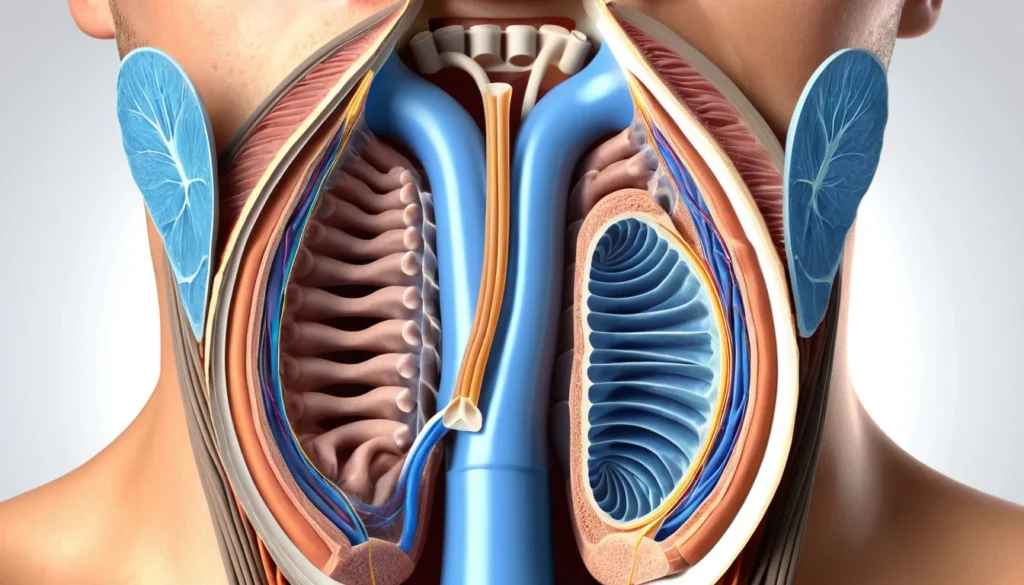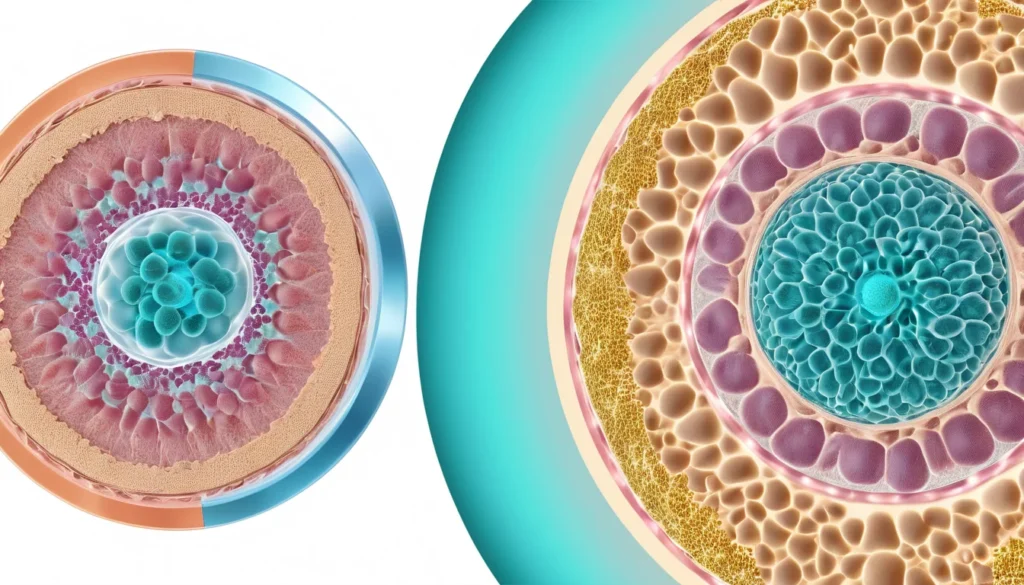
Neutropenia is a condition where your blood has too few neutrophils — a type of white blood cell that fights infection. Without enough neutrophils, your immune system cannot protect you properly. As a result, even a minor infection can become serious or life-threatening. Understanding neutropenia can help you recognize the warning signs and get the right care through your family doctor or local walk-in clinic.
What Is Neutropenia?
Neutrophils are white blood cells made in your bone marrow. They act as your body’s first line of defence against bacteria, viruses, and other germs. When neutrophil levels drop too low, your body struggles to fight off infections it would normally handle with ease.
In healthy adults, the normal minimum neutrophil count is about 1,500 cells per microlitre of blood. When counts fall below this level, doctors diagnose neutropenia. The lower the count, the greater the risk of serious infection.
According to Mayo Clinic’s overview of neutropenia, this condition is most common in people receiving cancer treatment, but it can affect anyone.
Types of Neutropenia
Doctors classify neutropenia into three levels based on how low the neutrophil count is. Each level carries a different level of infection risk.
Mild neutropenia: Neutrophil count between 1,000 and 1,500. Infection risk is slightly elevated but often manageable.
Moderate neutropenia: Neutrophil count between 500 and 1,000. Infection risk increases significantly at this level.
Severe neutropenia: Neutrophil count below 500. The risk of dangerous, life-threatening infection is very high.
Doctors also classify neutropenia by how long it lasts. Acute neutropenia comes on quickly and resolves within weeks. Chronic neutropenia lasts for months or years. In addition, some people are born with the condition — this is called congenital neutropenia — while others develop it later in life.
What Causes Neutropenia?
Neutropenia happens when the bone marrow does not make enough neutrophils, or when the body destroys them too quickly. Several different conditions and treatments can trigger this.
Cancer Treatment
The most common cause of neutropenia in Canada is chemotherapy. Studies estimate that about 50% of people undergoing chemotherapy develop neutropenia. Radiation therapy can also damage bone marrow and lower neutrophil production.
Infections
Certain infections can cause neutropenia directly. Common examples include hepatitis, HIV, tuberculosis, sepsis, and Lyme disease. Both bacterial and viral infections can interfere with how the bone marrow produces neutrophils.
Genetic Conditions
Some people inherit conditions that affect neutrophil production. These include benign ethnic neutropenia (BEN), cyclic neutropenia, and severe congenital neutropenia. These conditions are present from birth and vary widely in severity.
Autoimmune Diseases
In some autoimmune conditions, the immune system mistakenly attacks its own neutrophils. Crohn’s disease, lupus, and rheumatoid arthritis are common examples. As a result, neutrophil counts can drop even when the bone marrow is working normally.
Nutritional Deficiencies
Low levels of vitamin B12, folate (folic acid), or copper can reduce neutrophil production. These deficiencies are often treatable with dietary changes or supplements. However, always speak with your doctor before starting any supplement.
Medications
Beyond chemotherapy, other medications can also cause neutropenia as a side effect. If your doctor suspects a drug is lowering your neutrophil count, they may adjust your dose or switch your prescription.
Signs and Symptoms of Neutropenia
Mild neutropenia often causes no symptoms at all. Many people discover it by chance during routine blood work ordered by their family doctor. However, moderate and severe neutropenia can cause noticeable and repeated signs of infection.
The symptoms of neutropenia are not caused by low neutrophil counts directly. Instead, they come from the infections that low counts allow to take hold. Common symptoms include:
Fever — often the first and most important warning sign
Fatigue — feeling unusually tired or weak
Sore throat — frequent or persistent throat infections
Swollen lymph nodes — lumps in the neck, armpits, or groin
Mouth sores — painful ulcers inside the mouth
Redness, swelling, or pain at the site of a wound or infection
Diarrhoea — recurring or hard-to-explain digestive upset
Painful urination or other changes in urinary habits
If you or a loved one experiences fever along with any of these symptoms — especially during or after cancer treatment — seek medical attention right away. Fever in a person with neutropenia is a medical emergency.
For more detail on infection warning signs, see Healthline’s guide to neutropenia symptoms and complications.
How Is Neutropenia Diagnosed?
The most common and useful test for neutropenia is a complete blood count (CBC). This is a standard blood test that counts all the red and white blood cells in your blood sample. It is quick, widely available, and covered under most provincial health plans across Canada.
A CBC can easily identify a low neutrophil count. Your family doctor or walk-in clinic can order this test. Results are usually available within a day or two.
Additional Testing
If your CBC shows neutropenia, your doctor may order further tests to find the cause. One option is a bone marrow biopsy. In this procedure, a doctor removes a small sample of bone marrow — usually from the hip — and examines it under a microscope.
This test helps doctors determine whether the bone marrow is failing to produce neutrophils, or whether neutrophils are being destroyed after they leave the marrow. Furthermore, blood tests for vitamin levels, autoimmune markers, and infections may also be ordered.
Treatment Options for Neutropenia
Treatment depends on the cause and severity of neutropenia. In mild cases, no treatment may be needed beyond close monitoring. In moderate to severe cases, several effective options are available.
Antibiotics
If a person with neutropenia develops a fever, antibiotics can be life-saving. Doctors often recommend hospital admission for intravenous (IV) antibiotics. This delivers medication quickly and at full strength, which is critical when the immune system is weakened.
Corticosteroids
When neutropenia is linked to an autoimmune disease, corticosteroids are often the first treatment choice. These medications reduce the immune system’s attack on neutrophils. Your doctor will determine the right dose and duration based on your specific condition.
G-CSF Injections
Granulocyte colony-stimulating factor (G-CSF) is a medication that tells the bone marrow to produce more neutrophils. It is commonly prescribed for people undergoing chemotherapy. G-CSF injections can significantly reduce the risk of infection during cancer treatment.
Stopping or Changing Medications
If a drug is causing neutropenia, your doctor may reduce the dose, switch to an alternative, or stop the medication altogether. Never stop a prescribed medication on your own — always consult your doctor first.
Preventing Infections With Neutropenia
While congenital neutropenia cannot be prevented, infection-related complications often can be reduced. If you have been diagnosed with neutropenia, your healthcare team will recommend practical steps to lower your infection risk.
Wash your hands often with soap and water. Use hand sanitiser when soap is not available.
Stay up to date on vaccinations, including the annual flu shot and COVID-19 vaccine. Check with your doctor about which vaccines are safe for you.
Avoid crowded spaces and limit contact with people who are sick.
Protect your skin from cuts, scrapes, tattoos, and piercings. Open wounds are entry points for bacteria.
Handle food safely — wash produce thoroughly and avoid undercooked meat or raw eggs.
Ask your doctor about preventive G-CSF injections if you are at high risk, such as during chemotherapy.
Health Canada offers guidance on infection prevention for Canadians living with compromised immune systems, including those managing neutropenia.
When to See a Doctor
You should contact your family doctor if you notice frequent infections, recurring mouth sores, or persistent fatigue that has no clear explanation. A simple blood test can check your neutrophil levels quickly.
If you are currently receiving chemotherapy or another treatment that affects your immune system, call your doctor or go to a walk-in clinic right away if you develop a fever — even a mild one. In Canada, many provinces have dedicated oncology hotlines for patients on cancer treatment. Ask your care team for this number before you need it.
Go to your nearest emergency department immediately if you have neutropenia and experience a high fever (above 38°C or 100.4°F), chills, rapid breathing, or confusion. These can be signs of sepsis, which is a medical emergency.
This article is for informational purposes only and does not replace professional medical advice. Always speak with your doctor or a qualified healthcare provider about your specific symptoms and treatment options.
Frequently Asked Questions About Neutropenia
What is neutropenia and what causes it?
Neutropenia is a condition where the blood has too few neutrophils, the white blood cells that fight infection. It can be caused by chemotherapy, certain infections, autoimmune diseases, genetic conditions, or nutritional deficiencies. A simple blood test called a complete blood count (CBC) can diagnose neutropenia.
What are the warning signs of neutropenia?
Mild neutropenia often causes no symptoms at all. However, moderate or severe neutropenia can cause frequent fevers, mouth sores, swollen lymph nodes, sore throats, and unusual fatigue. Fever is one of the most important warning signs, especially in people undergoing cancer treatment.
Is neutropenia serious?
Neutropenia can be very serious, particularly in its severe form. Without enough neutrophils, the body cannot fight off infections effectively, and even a minor illness can become life-threatening. Severe neutropenia requires prompt medical attention and close monitoring by a healthcare team.
How is neutropenia treated in Canada?
Treatment for neutropenia depends on the cause and severity. Options include antibiotics for infection, corticosteroids for autoimmune-related neutropenia, and G-CSF injections to stimulate neutrophil production. These treatments are available through Canadian hospitals and are often covered by provincial health plans.
Can neutropenia go away on its own?
In some cases, neutropenia resolves on its own — for example, once a triggering infection clears up or a medication is stopped. However, chronic or severe neutropenia requires ongoing medical management. Your doctor will monitor your blood counts regularly to track any changes.
How can I protect myself from infection if I have neutropenia?
People with neutropenia should wash their hands frequently, avoid contact with sick individuals, and stay current with recommended vaccinations, including the flu shot. It is also important to protect skin from cuts and to handle food safely. Your healthcare team can provide a personalised infection prevention plan.
Key Takeaways
Neutropenia means your blood has too few neutrophils, the white blood cells that defend against infection.
It is classified as mild, moderate, or severe based on neutrophil count. Severe neutropenia carries the highest risk.
The most common cause in Canada is chemotherapy, affecting roughly 50% of patients receiving it.
Symptoms come from infections, not from the low count itself. Fever is a key warning sign that needs immediate attention.
Diagnosis is straightforward with a complete blood count (CBC), available through your family doctor or walk-in clinic.
Treatment options include antibiotics, corticosteroids, and G-CSF injections, depending on the underlying cause.
Good hygiene, vaccinations, and avoiding injury can significantly reduce your infection risk.
Always speak with your doctor if you suspect neutropenia or notice signs of frequent or unusual infections.