Neurotransmitters are chemical messengers that your brain and nervous system use to communicate. They carry signals from one nerve cell to another, controlling everything from your mood and memory to your heartbeat and digestion. Understanding how neurotransmitters work can help you make sense of many common health conditions — including depression, anxiety, and Alzheimer’s disease. This article explains what these brain chemicals do, how they can become unbalanced, and when to talk to your doctor.
What Are Neurotransmitters?
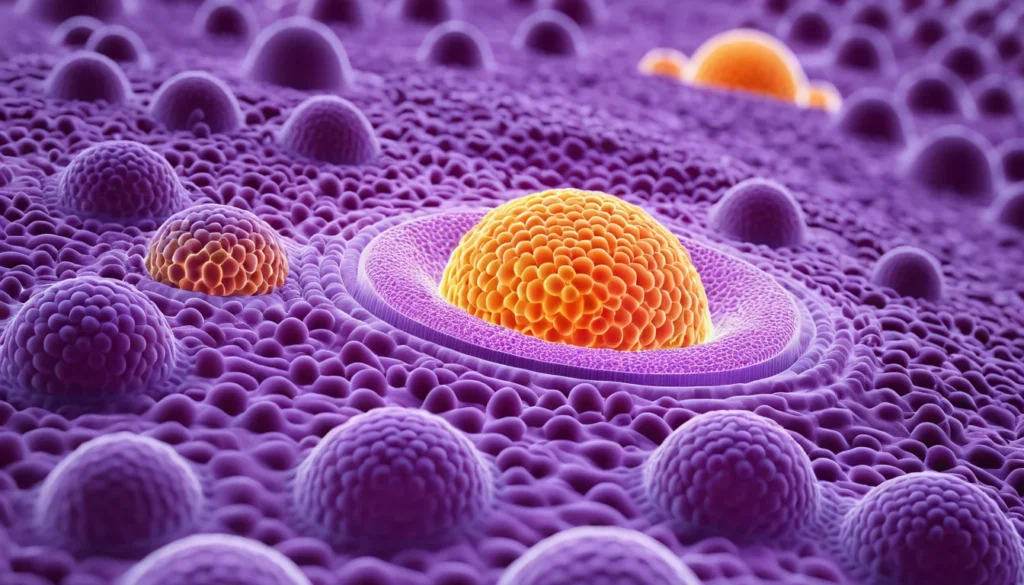
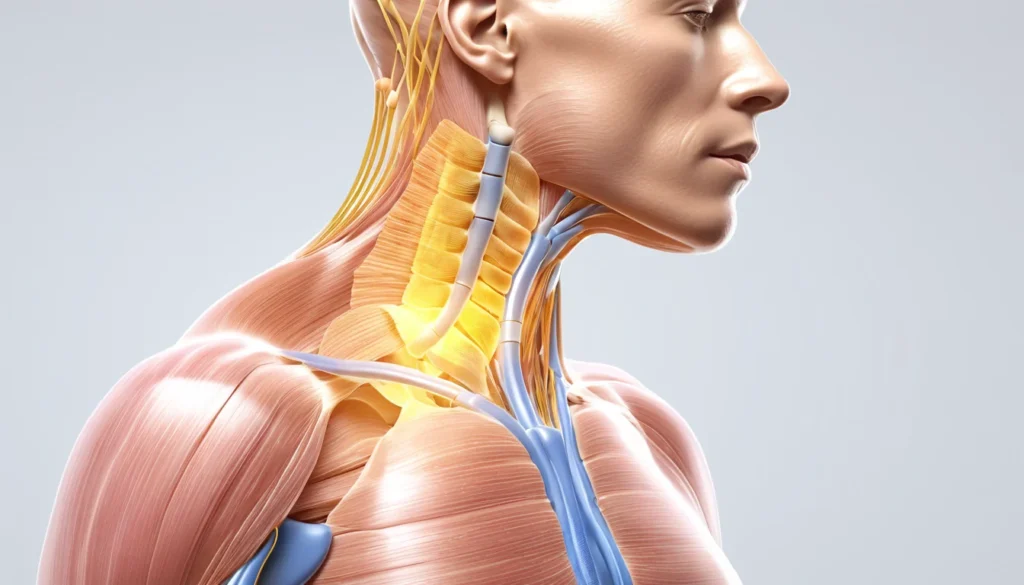
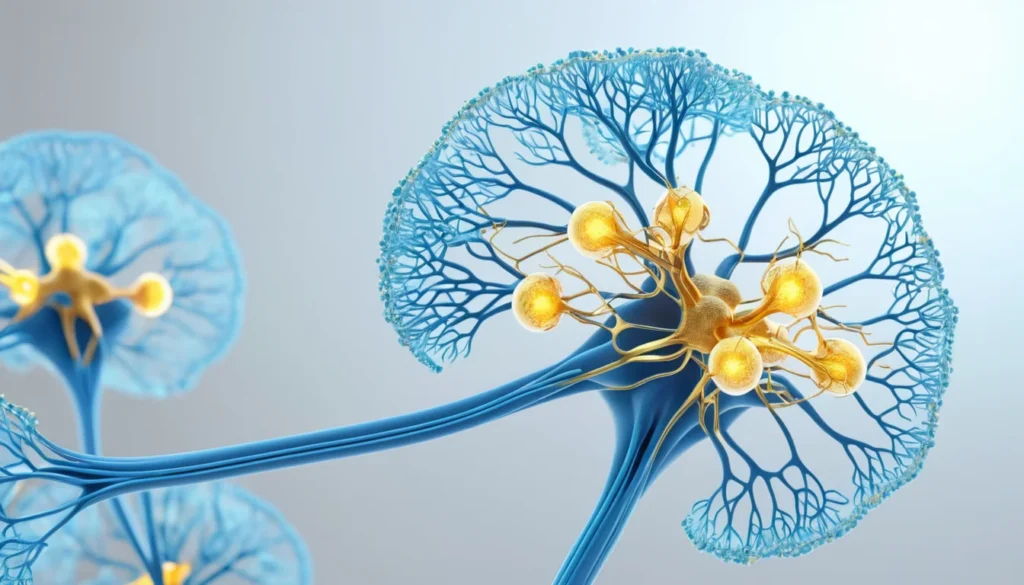
Your nervous system is made up of billions of nerve cells, called neurons. These neurons need a way to “talk” to each other. That is exactly what neurotransmitters do — they act as the language of your brain.
When a nerve cell fires, it releases a neurotransmitter into a tiny gap between cells. This gap is called a synapse. The chemical crosses the gap and attaches to a receptor on the next cell, passing along a message.
Think of it like a key fitting into a lock. The neurotransmitter is the key, and the receptor on the receiving cell is the lock. Once the key turns, the receiving cell knows what to do next — whether that means feeling calm, feeling pain, or moving a muscle.
Your body produces dozens of different neurotransmitters. Each one plays a specific role. Some excite the nervous system and make cells more active. Others slow things down and bring calm. The balance between these two types is essential for good health.
The Most Important Neurotransmitters in Your Body
While there are many types of neurotransmitters, a handful of them are especially well known. Researchers have studied these closely because of their strong links to both physical and mental health.
Dopamine
Dopamine is often called the “feel-good” chemical. It plays a key role in reward, motivation, and pleasure. When you accomplish something or enjoy a good meal, dopamine is responsible for that sense of satisfaction.
However, dopamine does much more than create good feelings. It also controls movement and coordination. Low dopamine levels are linked to Parkinson’s disease, a condition that affects movement. Dopamine imbalances also play a role in addiction and attention disorders like ADHD.
Serotonin
Serotonin influences your mood, sleep, and appetite. It helps you feel emotionally stable and content. Most of your body’s serotonin is actually produced in the gut — not the brain — which shows how connected your digestive system and mental health truly are.
Low serotonin levels are associated with depression and anxiety. Many common antidepressant medications, such as SSRIs (selective serotonin reuptake inhibitors), work by increasing available serotonin in the brain. Learn more about depression and brain chemistry at the Mayo Clinic.
Noradrenaline (Norepinephrine)
Noradrenaline is your body’s alarm system. It triggers the “fight or flight” response when you face stress or danger. It raises your heart rate, sharpens your focus, and prepares your body to respond quickly.
When noradrenaline levels are too high for too long, it can contribute to anxiety and high blood pressure. When levels are too low, it may lead to fatigue, difficulty concentrating, and low mood.
Acetylcholine
Acetylcholine was the first neurotransmitter ever discovered. It plays a vital role in memory, learning, and muscle control. Every time you move a muscle voluntarily, acetylcholine is involved.
In the brain, acetylcholine supports attention and memory formation. A significant loss of acetylcholine-producing neurons is one of the hallmarks of Alzheimer’s disease. This is why some Alzheimer’s medications aim to preserve acetylcholine activity in the brain.
Endorphins and Enkephalins
Endorphins and enkephalins are your body’s natural painkillers. They are released during exercise, laughter, and moments of excitement. They reduce the feeling of pain and can produce a brief sense of euphoria — sometimes called a “runner’s high.”
These neurotransmitters also help regulate stress. Furthermore, they play a role in how the body responds to opioid medications, since those drugs work by binding to the same receptors that endorphins use.
Agonists and Antagonists: How Drugs Interact With Neurotransmitters
Many medications and substances work by mimicking or blocking neurotransmitters. Scientists classify these substances into two main groups: agonists and antagonists.
Agonists
An agonist is a substance that copies the action of a neurotransmitter. It binds to the same receptor and produces a similar effect. For example, certain medications used in Parkinson’s disease act as dopamine agonists — they mimic dopamine to help restore movement control.
Some substances that people encounter in daily life also act as agonists. Nicotine, for instance, acts on receptors that normally respond to acetylcholine. This is part of the reason nicotine is so addictive.
Antagonists
An antagonist does the opposite. It blocks a receptor so that the natural neurotransmitter cannot attach and deliver its message. As a result, the normal signal is reduced or stopped entirely.
Antagonists have important medical uses. For example, beta-blockers are drugs that block the effects of noradrenaline on the heart. This slows the heart rate and lowers blood pressure, making these medications useful for treating heart conditions and anxiety.
Understanding agonists and antagonists helps explain how many prescription medications work. It also shows why substances like caffeine, alcohol, and recreational drugs can have such powerful effects on mood and behaviour — they all interact with the brain’s neurotransmitter systems.
What Happens When Neurotransmitters Are Out of Balance
A healthy brain relies on neurotransmitters being available in the right amounts, at the right times. When this balance is disrupted, it can lead to a wide range of health problems.
Imbalances can happen for many reasons. Genetics, chronic stress, poor sleep, nutritional deficiencies, and certain medical conditions can all affect how neurotransmitters are produced, released, or recycled in the brain.
Mental Health Conditions
Many mental health conditions are linked to neurotransmitter imbalances. Depression is often associated with low serotonin and dopamine. Anxiety can involve excess noradrenaline or imbalances in GABA (gamma-aminobutyric acid), a calming neurotransmitter. Schizophrenia has been linked to overactivity in certain dopamine pathways.
However, it is important to understand that mental health conditions are complex. A single neurotransmitter imbalance rarely explains the full picture. Genetics, life experiences, and physical health all play a role. Health Canada offers resources and support for mental health across Canada.
Neurological Conditions
Neurotransmitter problems can also contribute to neurological diseases. As mentioned, Alzheimer’s disease involves a loss of acetylcholine activity. Parkinson’s disease involves the death of dopamine-producing cells in the brain.
Epilepsy is another example. It can result from an imbalance between excitatory and inhibitory neurotransmitters, leading to abnormal electrical activity in the brain.
Physical Health Effects
Neurotransmitters do not just affect the brain. They influence the entire body. Serotonin affects gut function and appetite. Noradrenaline affects blood pressure and heart rate. Imbalances can therefore contribute to irritable bowel syndrome, chronic pain conditions, and sleep disorders.
Can You Support Healthy Neurotransmitter Levels?
The good news is that certain lifestyle habits can support healthy neurotransmitter function. While these habits are not a replacement for medical treatment, they can make a meaningful difference in how you feel day to day.
Regular exercise is one of the most powerful tools available. Physical activity boosts dopamine, serotonin, and endorphin levels naturally. Even a 30-minute walk several times a week can have measurable effects on mood and energy.
Sleep also plays a critical role. Your brain restores and regulates neurotransmitter levels during sleep. Chronic sleep deprivation can deplete serotonin and dopamine, contributing to mood problems and difficulty concentrating.
Nutrition matters too. Neurotransmitters are built from amino acids found in protein-rich foods. For example, tryptophan — found in turkey, eggs, and dairy — is the building block of serotonin. Eating a balanced, varied diet gives your brain the raw materials it needs.
Stress management is equally important. Chronic stress floods the body with noradrenaline and can disrupt the balance of multiple neurotransmitter systems over time. Practices like mindfulness, yoga, and spending time in nature can help reduce this burden. Healthline offers practical tips for managing stress and supporting brain health.
In addition, limiting alcohol and avoiding recreational drugs helps protect neurotransmitter balance. Both alcohol and many recreational substances interfere with normal brain chemistry and can cause long-term disruption with heavy use.
When to See a Doctor
If you are experiencing symptoms that may relate to a neurotransmitter imbalance, it is worth speaking with a healthcare provider. You do not need to have a diagnosis before reaching out — your concerns alone are enough reason to seek support.
Common signs that may warrant a visit include persistent low mood, anxiety that interferes with daily life, memory problems, changes in sleep or appetite, or unusual fatigue. These symptoms can have many causes, and a proper assessment is the best first step.
Start by booking an appointment with your family doctor. They can review your symptoms, order relevant tests if needed, and refer you to a specialist such as a neurologist or psychiatrist. If you do not have a family doctor, a walk-in clinic is a good alternative. Most provinces also offer mental health support through their provincial health plans — ask your provider what is available in your area.
Remember, many conditions linked to neurotransmitter imbalances are very treatable. Reaching out early gives you the best chance of finding relief.
Frequently Asked Questions About Neurotransmitters
What do neurotransmitters do in the brain?
Neurotransmitters are chemical messengers that carry signals between nerve cells in the brain and body. They regulate everything from mood and memory to movement and heart rate. Without them, your nervous system could not function at all.
What are the most common neurotransmitters?
The most well-known neurotransmitters include dopamine, serotonin, noradrenaline, acetylcholine, endorphins, and GABA. Each one plays a distinct role in both mental and physical health. Imbalances in any of these neurotransmitters can contribute to a range of health conditions.
Can a neurotransmitter imbalance cause depression or anxiety?
Yes, imbalances in neurotransmitters like serotonin, dopamine, and noradrenaline are strongly linked to depression and anxiety. However, these conditions are complex and involve more than just brain chemistry. A doctor can help determine the right approach for your individual situation.
How can I naturally boost my neurotransmitter levels?
Regular exercise, quality sleep, a balanced diet rich in protein, and effective stress management can all support healthy neurotransmitter levels. These habits help your brain produce and regulate key chemicals like serotonin and dopamine. Always speak with your doctor before making major lifestyle or dietary changes.
Are neurotransmitters the same as hormones?
Neurotransmitters and hormones are both chemical messengers, but they work differently. Neurotransmitters act locally between nerve cells across very short distances, while hormones travel through the bloodstream to reach distant organs. Some chemicals, like noradrenaline, can act as both a neurotransmitter and a hormone depending on where they are released.
Is Alzheimer’s disease related to neurotransmitters?
Yes, Alzheimer’s disease is closely linked to a loss of acetylcholine, an important neurotransmitter for memory and learning. As the disease progresses, neurons that produce acetylcholine are damaged and destroyed. Some Alzheimer’s medications work by helping preserve the remaining acetylcholine activity in the brain.
Key Takeaways
Neurotransmitters are chemical messengers that allow nerve cells to communicate throughout the brain and body.
Key neurotransmitters include dopamine, serotonin, noradrenaline, acetylcholine, and endorphins — each with a specific role in health.
Agonists mimic neurotransmitters, while antagonists block their effects. Many common medications work through these mechanisms.
Imbalances in neurotransmitters are linked to conditions such as depression, anxiety, Parkinson’s disease, and Alzheimer’s disease.
Healthy lifestyle habits — including regular exercise, good sleep, balanced nutrition, and stress management — can support neurotransmitter balance.
If you are concerned about symptoms linked to neurotransmitter imbalances, speak with your family doctor or visit a walk-in clinic. Many conditions are very treatable when caught early.