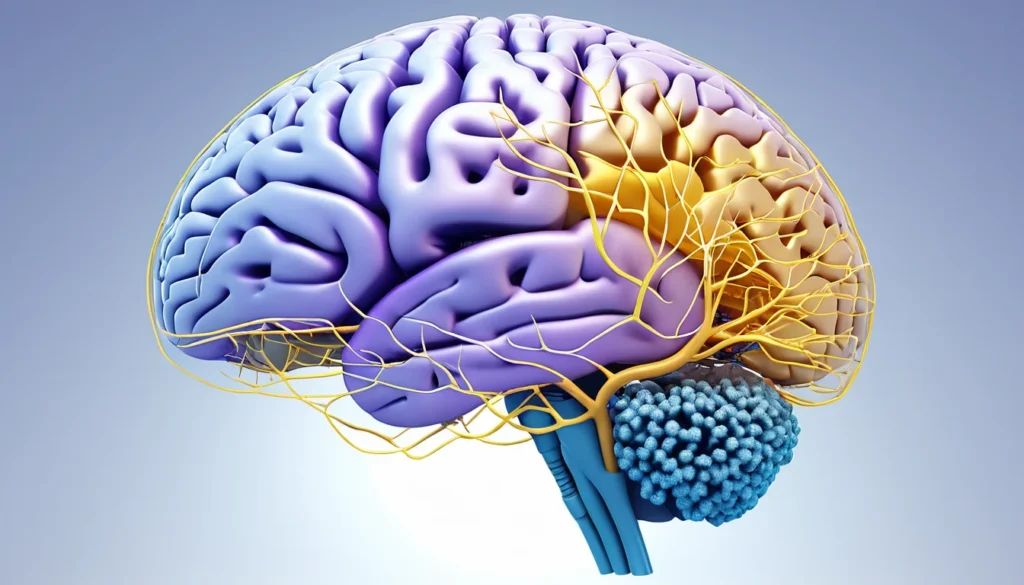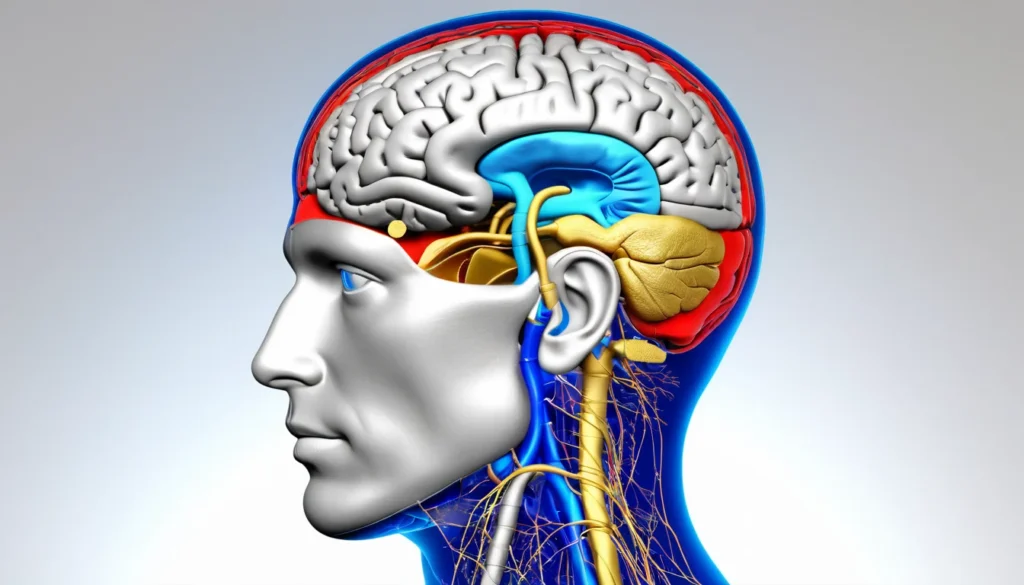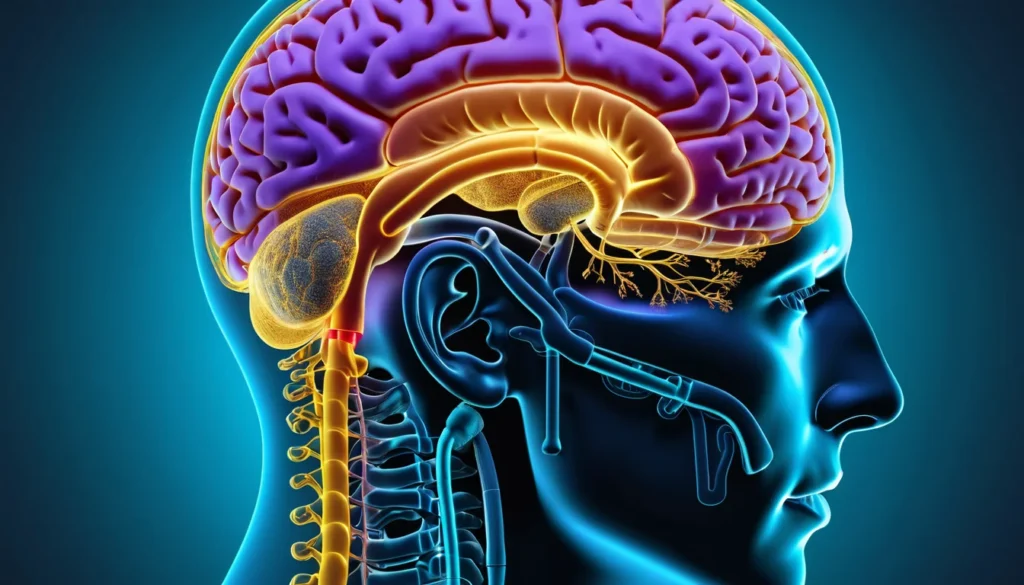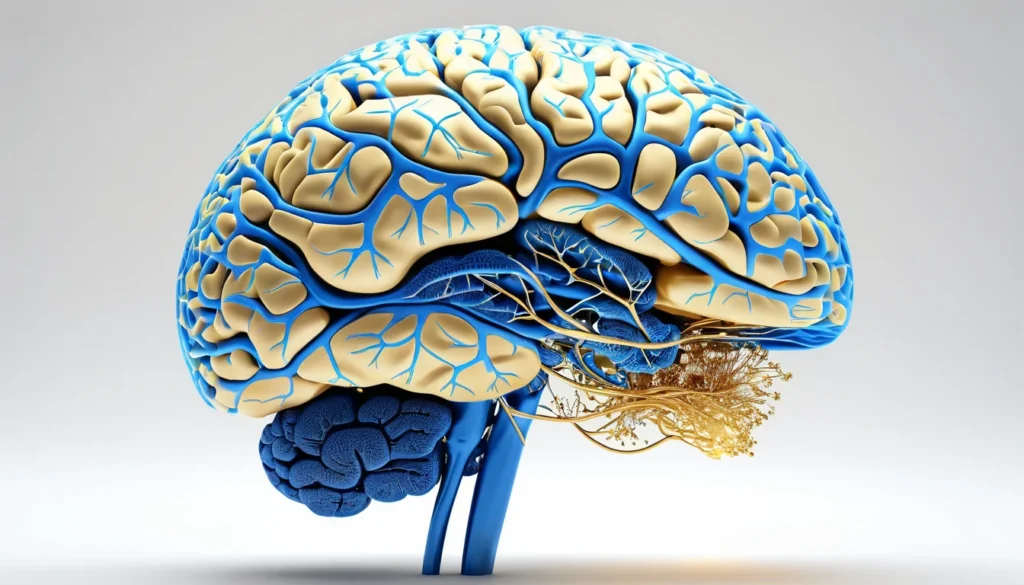
Neurological disorders are conditions that affect the brain, spinal cord, and nerves throughout the body. Together, these parts of the nervous system control everything you do — from breathing to memory to movement. There are over 600 known neurological disorders, ranging from epilepsy and Alzheimer’s disease to migraines and Parkinson’s disease. Understanding the basics can help you recognize warning signs and get the right care sooner.
What Are Neurological Disorders?
Your nervous system has two main parts. The central nervous system includes your brain and spinal cord. The peripheral nervous system carries signals between your brain and the rest of your body — your muscles, skin, and organs.
When something disrupts either part of this system, neurological symptoms can appear. These symptoms vary widely depending on which part of the nervous system is affected. However, they can impact your movement, speech, memory, senses, and mood.
According to the World Health Organization, neurological disorders affect hundreds of millions of people worldwide. In Canada, they are one of the leading causes of disability and reduced quality of life.
Common Types of Neurological Disorders
Neurological disorders fall into several major categories. Each type affects the nervous system in a different way.
Genetic disorders: Caused by inherited gene changes, such as Huntington’s disease and muscular dystrophy.
Developmental disorders: Affect how the nervous system forms, such as spina bifida.
Degenerative diseases: Nerve cells break down or die over time, as with Parkinson’s disease and Alzheimer’s disease.
Vascular disorders: Problems with blood vessels in the brain, including stroke.
Seizure disorders: Such as epilepsy, where abnormal brain activity causes recurring seizures.
Infections: Such as meningitis, which inflames the tissue around the brain and spinal cord.
Tumours: Abnormal growths in or near the brain or spinal cord.
In addition, some neurological disorders are linked to autoimmune conditions like lupus or Guillain-Barré syndrome. Others are caused by viruses such as HIV or the varicella-zoster virus.
Symptoms of Neurological Disorders
Symptoms of neurological disorders depend on which part of the nervous system is involved. Therefore, they can look very different from person to person.
Physical Symptoms
Many people first notice physical changes. These can include muscle weakness, paralysis, tremors, poor coordination, or difficulty swallowing. Some people experience burning, numbness, tingling, or unusual sensitivity in parts of their body.
These symptoms often come from the peripheral nervous system. For example, carpal tunnel syndrome happens when a nerve in the wrist is compressed and loses proper blood flow. Diabetes is another common cause of peripheral nerve damage, known as neuropathy.
Cognitive and Emotional Symptoms
Neurological disorders can also affect how you think, feel, and behave. Memory loss, trouble concentrating, difficulty planning, and personality changes are all possible signs. Mood shifts and changes in behaviour may also occur.
Furthermore, some conditions affect involuntary functions like breathing, swallowing, bladder control, and sweating. These involve the autonomic nervous system, which runs automatically in the background of your body’s daily work.
Pain as a Neurological Symptom
Pain is a common but complex symptom of neurological disorders. Sometimes pain appears in a part of the body where there is no visible injury or local disease. This referred pain can be especially hard to diagnose and treat. If you experience unexplained or persistent pain, speak with your family doctor.
Alzheimer’s Disease
Alzheimer’s disease is a progressive neurological disorder that destroys brain cells over time. As a result, people living with Alzheimer’s experience memory loss, difficulty thinking and planning, personality changes, and problems with movement.
Alzheimer’s disease gets worse over time and is ultimately fatal. Most people begin to show symptoms after age 60. Researchers have found abnormal protein deposits and twisted fibres in the brains of people with Alzheimer’s. Scientists continue to study how these changes drive the disease’s progression.
For more detail on this condition, visit the Mayo Clinic’s guide to Alzheimer’s disease.
Parkinson’s Disease
Parkinson’s disease is a neurological disorder that affects movement. It starts slowly, often with a slight tremor in one hand. However, as the disease progresses, symptoms become more noticeable and disabling.
Common signs include stiffness, slowed movement, balance problems, and changes in speech. Parkinson’s occurs when nerve cells in the brain that produce dopamine — a chemical messenger — begin to break down or die. While there is no cure, treatments including medication and physical therapy can significantly improve quality of life.
Epilepsy
Epilepsy is one of the most well-known neurological disorders. People with epilepsy experience recurring seizures caused by abnormal electrical activity in the brain. Seizures can range from mild — such as a brief moment of confusion or blank staring — to severe, involving uncontrolled shaking of the body.
Epilepsy affects people of all ages. In Canada, it can often be managed with medication prescribed through your family doctor or a neurologist. Some people may be referred to a specialist through their provincial health plan.
Migraines
A migraine is more than just a bad headache. It is a neurological condition that causes intense, throbbing pain, usually on one side of the head. Other symptoms include nausea, vomiting, and strong sensitivity to light and sound. Attacks can last anywhere from a few hours to several days.
About one-third of people with migraines also experience an aura — visual or sensory disturbances that appear before the headache begins. Migraines most commonly affect people between the ages of 15 and 55. However, roughly 5 to 10 percent of children also experience them. Both genetics and environmental factors appear to play a role.
Muscular Dystrophy
Muscular dystrophy refers to a group of more than 30 inherited diseases that cause progressive muscle weakness and loss of muscle mass. Some forms appear in early childhood. Others develop in middle age or later in life.
All forms of muscular dystrophy weaken the muscles over time. Many people eventually lose the ability to walk. While there is currently no cure, treatments — including physiotherapy, speech therapy, orthopaedic supports, and medication — can help manage symptoms and maintain function.
When to See a Doctor
Some neurological symptoms need urgent attention. Call 911 or go to your nearest emergency room immediately if you or someone nearby experiences sudden loss of consciousness, severe difficulty breathing, sudden paralysis, or uncontrolled seizures. These can be signs of a life-threatening condition.
For less urgent concerns, start with your family doctor. They can assess your symptoms, order tests, and refer you to a neurologist if needed. If you do not have a family doctor, a walk-in clinic is a good first step. Many provinces also offer telehealth lines — such as Ontario’s Telehealth Ontario or BC’s 811 HealthLink — where a registered nurse can advise you at no cost.
Do not wait if symptoms like persistent headaches, memory changes, numbness, or unexplained weakness are affecting your daily life. Early diagnosis often leads to better outcomes. Always consult a qualified healthcare provider before making decisions about your health.
Frequently Asked Questions About Neurological Disorders
What are the most common neurological disorders in Canada?
Some of the most common neurological disorders in Canada include Alzheimer’s disease, Parkinson’s disease, epilepsy, migraine, stroke, and multiple sclerosis. These conditions affect millions of Canadians and are a leading cause of disability. Many can be managed with the help of a family doctor or specialist covered under provincial health plans.
What are the early warning signs of a neurological disorder?
Early signs of a neurological disorder can include persistent headaches, memory problems, muscle weakness, numbness or tingling, and changes in mood or behaviour. Some people also notice difficulty with balance, speech, or swallowing. If you experience any of these symptoms regularly, speak with your family doctor as soon as possible.
Are neurological disorders hereditary?
Some neurological disorders are hereditary, meaning they can be passed down through families. Examples include Huntington’s disease, muscular dystrophy, and certain forms of epilepsy. However, many neurological disorders — such as stroke or meningitis — are not directly inherited. A doctor can help assess your personal risk.
Can neurological disorders be cured?
Most neurological disorders cannot be fully cured, but many can be effectively managed with treatment. Medications, physiotherapy, occupational therapy, and lifestyle changes can all help reduce symptoms and improve quality of life. Research into new treatments for neurological disorders is ongoing around the world.
How are neurological disorders diagnosed?
Doctors diagnose neurological disorders using a combination of physical exams, medical history, and tests such as MRI scans, CT scans, blood tests, and nerve conduction studies. Your family doctor will often refer you to a neurologist for a more detailed assessment. In Canada, these specialist referrals are typically covered by your provincial health plan.
What is the difference between the central and peripheral nervous system?
The central nervous system includes the brain and spinal cord, acting as the body’s main processing centre. The peripheral nervous system is made up of all the nerves that branch out from there to the rest of your body. Both systems can be affected by neurological disorders, and symptoms often differ depending on which one is involved.
Key Takeaways
Neurological disorders affect the brain, spinal cord, and nerves, and there are over 600 different types.
Symptoms can include muscle weakness, memory loss, pain, seizures, mood changes, and problems with movement or speech.
Common neurological disorders include Alzheimer’s disease, Parkinson’s disease, epilepsy, migraines, and muscular dystrophy.
Some symptoms — such as sudden loss of consciousness or severe breathing difficulty — require emergency care right away.
For non-emergency concerns, your family doctor or a walk-in clinic is the right starting point.
Many neurological disorders can be managed effectively with the right treatment plan from a qualified healthcare provider.
Always talk to a doctor if you are concerned about neurological symptoms. Early action can make a real difference.
For more information, visit Health Canada’s official health information page or speak with your provincial health authority.