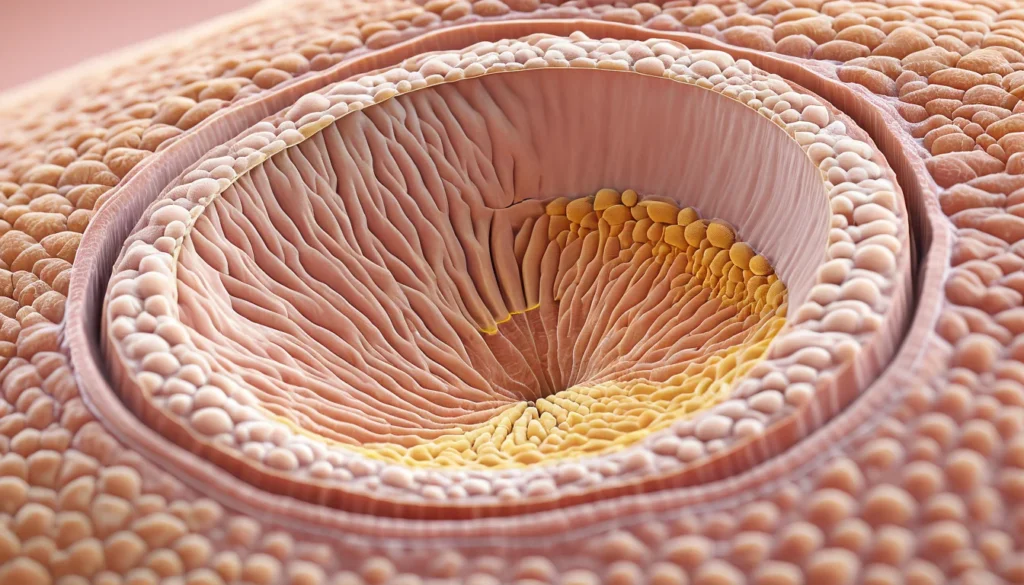
Neurodermatitis is a chronic skin condition that creates a frustrating itch-scratch cycle. You feel an intense itch, you scratch, and the scratching makes the itch even worse. Over time, the skin in that area becomes thick and leathery. This article explains what neurodermatitis is, what causes it, and how you can manage it with help from your family doctor or walk-in clinic.
What Is Neurodermatitis?
Neurodermatitis — also called lichen simplex chronicus — is a stubborn skin condition. It begins with an itch that triggers repeated scratching. Eventually, scratching becomes a habit, even when the original irritation is gone.
The good news is that neurodermatitis is not dangerous or contagious. However, breaking the itch-scratch cycle can be surprisingly difficult. Treatment focuses on identifying what triggers the itch and stopping the scratching behaviour before it causes further skin damage.
It can take several months after the itch is controlled for the affected skin to return to its normal appearance. In the meantime, there are several helpful treatments available through your provincial health plan or over the counter at your local pharmacy.
Symptoms of Neurodermatitis
The main symptom of neurodermatitis is intense, recurring itchiness in one or more specific areas of skin. Unlike a general rash, the itch tends to stay in the same spot. This localised itching is what sets neurodermatitis apart from other skin conditions.
Common signs and symptoms include:
Intense itching in a limited area of skin
Thickened, scaly, or leathery skin texture
Raised, rough patches that look darker or redder than surrounding skin
Itching that worsens when you are resting or watching television
Itching triggered or worsened by stress or anxiety
The itch most often appears on the neck, wrist, forearm, thigh, or ankle. In some cases, neurodermatitis affects the genital area, including the vulva or scrotum. The itching tends to come and go, and many people find it improves when they are active and busy.
How the Itch-Scratch Cycle Works
The more you scratch, the more inflamed the skin becomes. Inflammation then triggers more itching. Over time, this cycle becomes almost automatic — you may scratch the area out of pure habit, without even noticing you are doing it.
Stress and anxiety are known to make the itch feel stronger. Therefore, managing your emotional wellbeing is an important part of treating neurodermatitis. Recognising your scratching behaviour is the first step toward breaking the cycle.
What Causes Neurodermatitis?
The exact cause of neurodermatitis is not fully understood. However, researchers believe it often starts with a simple skin irritation. Once the scratching habit develops, it can persist long after the original irritation is gone.
Possible triggers and contributing factors include:
Tight or rough clothing rubbing against the skin
An insect bite or minor skin irritation
Dry skin conditions
Eczema or psoriasis
Chronic stress or anxiety
Interestingly, allergies do not appear to be a direct cause of neurodermatitis. In addition, the condition is sometimes linked to other skin conditions like eczema or psoriasis, so your doctor may want to evaluate you for these as well.
For more information on related skin conditions, visit Health Canada’s skin health resources.
Risk Factors
Certain people are more likely to develop neurodermatitis than others. Understanding your risk factors can help you seek care earlier and prevent the condition from becoming severe.
You may be at higher risk if:
You are between the ages of 30 and 50
You are a woman — women develop neurodermatitis more often than men
You have a personal or family history of eczema, psoriasis, or similar skin conditions
You experience high levels of ongoing stress or anxiety
If any of these risk factors apply to you, pay close attention to any persistent itchy patches on your skin. Catching neurodermatitis early makes it easier to treat.
When to See a Doctor
Many Canadians try to manage skin itching on their own, but some situations require professional care. You should see your family doctor or visit a walk-in clinic if any of the following apply to you.
Seek medical attention when:
You notice yourself repeatedly scratching the same area of skin
The itching is disrupting your sleep or daily activities
Your skin feels painful to the touch
You suspect a skin infection
Signs of a skin infection include increasing pain, swelling, warmth, or a thick yellowish discharge from the scratched area. If you see these signs, do not wait — visit a walk-in clinic or your family doctor promptly. Skin infections can worsen quickly if left untreated.
Most provincial health plans cover visits to your family doctor for skin conditions like neurodermatitis. If you do not have a family doctor, a walk-in clinic is a good first step. Your doctor may refer you to a dermatologist if needed.
How Neurodermatitis Is Diagnosed
Your doctor will usually diagnose neurodermatitis based on how the affected skin looks and your history of itching and scratching. In many cases, no special tests are needed. However, your doctor may want to rule out other conditions before confirming the diagnosis.
Patch Testing
A patch test checks for allergic contact dermatitis, which can look similar to neurodermatitis. Small amounts of potential allergens are applied to your skin and left for two days. Your doctor then reads the results to see if any reaction has occurred.
Skin Biopsy
In some cases, your doctor may take a small skin sample for analysis. A circular instrument removes a tiny piece of skin — about 6 mm wide — from the affected area. A few stitches or skin closures are used to close the small wound. This helps rule out other skin conditions and confirms the neurodermatitis diagnosis.
Treatment Options for Neurodermatitis
The main goal of neurodermatitis treatment is to break the itch-scratch cycle. Your doctor will tailor a treatment plan to your specific needs. Several options are available, and many Canadians find that combining treatments works best.
Medications
Your doctor may recommend one or more of the following medications:
Topical corticosteroids: Prescription-strength creams reduce inflammation and relieve itching directly at the affected area.
Oral antihistamines: These reduce inflammation and can help control itching, especially at night.
Antidepressants or anti-anxiety medications: For some patients, these medications help reduce stress-related itching and interrupt the scratching habit.
Antibiotics: If a bacterial infection develops, your doctor may prescribe oral or topical antibiotics.
Wet Dressings
After applying a medicated cream to the affected area, your doctor may recommend covering it with a damp cotton bandage. The moisture helps the skin absorb the cream more effectively. Medicated patches that are changed every 24 hours are another option your doctor may suggest.
Counselling and Stress Management
Because stress and anxiety can trigger and worsen neurodermatitis, psychological support plays an important role in treatment. A counsellor can help you identify stress triggers and develop healthier coping strategies. Cognitive behavioural therapy (CBT), in particular, has been shown to help people reduce habitual scratching.
Furthermore, learning relaxation techniques — such as deep breathing or mindfulness — can reduce the urge to scratch. Ask your family doctor about mental health referrals available through your provincial health plan.
Over-the-Counter Remedies
For mild cases, several products are available at Canadian pharmacies without a prescription:
Anti-itch lotions or creams applied directly to the affected area
Hydrocortisone cream (at least 1%) for temporary itch relief
Oral antihistamines such as diphenhydramine (for example, Benadryl) to reduce itching
Fragrance-free moisturisers to prevent skin dryness
As a helpful tip, keep your nails short and wear lightweight gloves at night to reduce skin damage from unconscious scratching. Keeping the affected area covered can also help break the scratching habit.
For a broader overview of skin itch management, Mayo Clinic’s guide to neurodermatitis is a trusted resource.
Possible Complications
When neurodermatitis is left untreated or when scratching continues over a long period, complications can develop. These complications do not happen to everyone, but they are worth knowing about.
Possible complications include:
Bacterial skin infections from repeated scratching
Permanent scarring of the affected skin
Long-term changes in skin colour — the area may become lighter or darker than the surrounding skin
Even after successful treatment, some mild scarring or colour changes may remain. However, with early and consistent care, most people see a significant improvement in the look and feel of their skin.
Learn more about skin conditions and their complications at Healthline’s neurodermatitis overview.
Frequently Asked Questions About Neurodermatitis
Is neurodermatitis the same as eczema?
Neurodermatitis and eczema are related but not the same condition. Neurodermatitis — also called lichen simplex chronicus — is specifically triggered by the itch-scratch cycle, while eczema has a broader set of causes including immune system responses. However, having eczema does increase your risk of developing neurodermatitis.
Can neurodermatitis go away on its own?
Neurodermatitis rarely resolves completely without some form of treatment. The itch-scratch cycle tends to persist and even worsen over time without intervention. With proper care and a consistent treatment plan from your doctor, most people are able to control their symptoms effectively.
What triggers a neurodermatitis flare-up?
Common triggers for a neurodermatitis flare-up include stress, anxiety, tight or rough clothing, insect bites, and dry skin. Many people notice that their symptoms worsen during stressful periods at work or home. Identifying and managing your personal triggers is a key part of long-term neurodermatitis management.
Is neurodermatitis contagious?
No, neurodermatitis is not contagious. You cannot spread it to another person through skin contact. It is a condition driven by the nervous system’s response to itching and habitual scratching, not by a virus or bacteria.
Can stress cause neurodermatitis?
Stress and anxiety are strongly linked to neurodermatitis and can both trigger and worsen the condition. While stress alone may not cause neurodermatitis from scratch, it plays a significant role in intensifying the itch and making the scratching habit harder to break. Managing stress through counselling or relaxation techniques is an important part of treatment.
What cream is best for neurodermatitis in Canada?
For mild neurodermatitis, over-the-counter hydrocortisone cream (1%) is a common first option available at most Canadian pharmacies. For more stubborn cases, your family doctor can prescribe stronger topical corticosteroids or other medicated creams. Always speak with your doctor or pharmacist before starting a new skin treatment.
Key Takeaways
Neurodermatitis is a chronic skin condition caused by a repeating itch-scratch cycle that thickens and irritates the skin.
It is also known as lichen simplex chronicus and is not contagious or life-threatening.
Common triggers include stress, anxiety, dry skin, tight clothing, and related skin conditions like eczema or psoriasis.
Treatment includes topical creams, medications, wet dressings, and counselling to manage stress and scratching behaviour.
Over-the-counter hydrocortisone cream and antihistamines can provide temporary relief for mild cases.
See your family doctor or a walk-in clinic if itching disrupts your sleep, causes pain, or shows signs of infection.
Most provincial health plans cover medical visits for skin conditions — do not hesitate to seek care.
This article is for informational purposes only and does not replace professional medical advice. Always consult your family doctor or a qualified healthcare provider for diagnosis and treatment recommendations suited to your personal health needs.