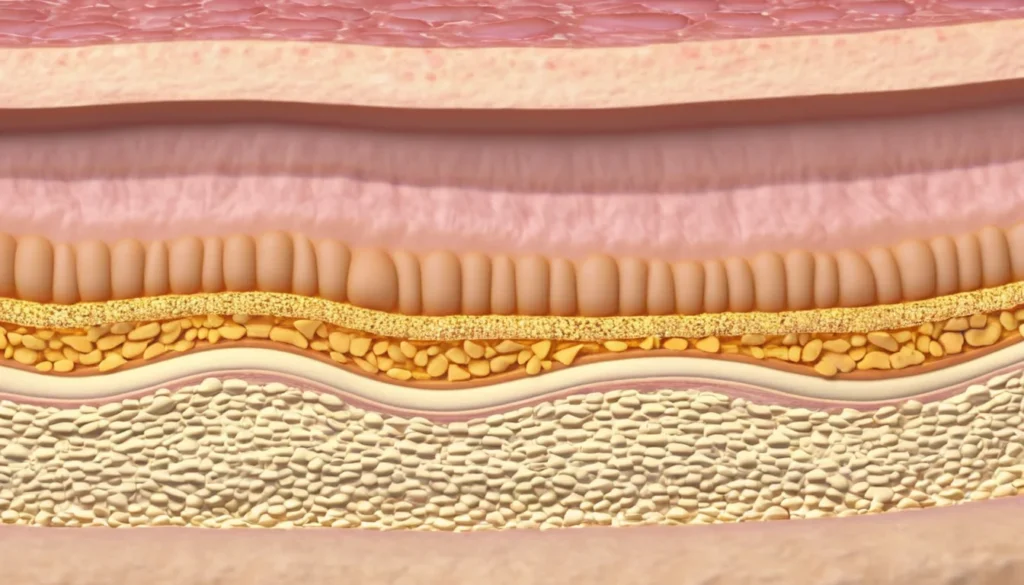
Neurodermatitis — also called lichen simplex chronicus — is a chronic skin condition that causes intense, recurring itching and thickened skin. The itch-scratch cycle at the heart of this condition can seriously affect your sleep, mental health, and daily life. In this article, we explain what neurodermatitis is, what causes it, and what treatment options are available to Canadians.
What Is Neurodermatitis?
Neurodermatitis is a form of chronic dermatitis. It begins with an itch — often triggered by something simple, like a insect bite, dry skin, or tight clothing. The more you scratch, the itchier the skin becomes. Over time, the skin thickens and changes in texture.
This condition most often appears on the ankles, wrists, outer forearms, and the back of the neck. It can also develop on the scalp, legs, and genital area. Neurodermatitis is not contagious. However, it can be very difficult to treat because breaking the itch-scratch cycle takes real effort and support.
Stress plays a big role in neurodermatitis. Many people notice that their symptoms get worse during stressful periods. A family history of asthma, hay fever, eczema, or psoriasis may also increase your risk.
Symptoms of Neurodermatitis
The most common symptom of neurodermatitis is intense itching. The itch often gets worse when you rest or relax — for example, when you sit down in the evening or try to fall asleep. For some people, the itching is so severe that it disrupts their sleep regularly.
Skin Changes to Watch For
Once scratching begins, the skin starts to change. You may notice the following signs on the affected area:
Small, scaly, well-defined patches of skin
Reddish or pink raised plaques
Skin that looks thickened or leathery
Darker colouring compared to surrounding skin
More prominent skin lines or a bumpy, nodular texture
Cracks in the skin that burn or sting
Visible scratch marks or scarring
In some cases, the cracked skin can become infected. Signs of a skin infection include honey-coloured crusts on open sores, skin that oozes, and surrounding skin that feels warm and looks red. If you notice these signs, see a doctor promptly.
Emotional and Mental Health Effects
Constant itching can cause anxiety and frustration. Some people feel embarrassed about the appearance of their skin. Furthermore, poor sleep from nighttime itching can affect your mood, energy, and ability to concentrate. These emotional effects are real and deserve attention alongside physical treatment.
Causes of Neurodermatitis
The exact cause of neurodermatitis is not fully understood. In many cases, it starts with a simple skin irritation. An insect bite, a rough piece of clothing rubbing against the skin, or a patch of dry skin can all trigger the first itch. After that, the scratch-itch cycle takes hold and becomes difficult to stop.
In other cases, neurodermatitis develops alongside other skin conditions. Dry skin, eczema, and psoriasis are all commonly associated with it. Stress and anxiety are also well-recognized triggers. According to Mayo Clinic, the exact mechanism linking stress to skin itching is still being studied, but the connection is well established.
Risk Factors
Certain factors can make neurodermatitis more likely to develop or worsen. Understanding your personal risk factors can help you take steps to protect your skin.
Environmental and Lifestyle Factors
Winter weather: Cold, dry air can dry out the skin and make itching worse.
Sweating: Perspiration can trigger or worsen the itch.
High humidity: Working or living in very humid conditions can aggravate symptoms.
Certain fabrics: Wool, synthetic materials, or rough textiles can irritate the skin.
Fragrances and smoke: Perfumes and cigarette smoke are common irritants.
Contact dermatitis: Allergies to jewellery, cosmetics, certain medications, or pollen can trigger flare-ups.
Diet and Nutritional Factors
Some foods may trigger or worsen itching in sensitive individuals. These include chocolate, nuts, fish, cheese, tomatoes, citrus fruits, wine, and foods high in dairy protein. In addition, low levels of iron, zinc, or certain vitamins may slow the skin’s natural healing process. Talk to your family doctor if you suspect a nutritional deficiency.
Other Medical Conditions
Bacterial, fungal, or viral skin infections can also complicate neurodermatitis. Conditions such as atopic dermatitis and contact dermatitis frequently develop on already-affected skin. A family history of allergic conditions — including asthma, hay fever, or eczema — also raises your risk.
How Is Neurodermatitis Diagnosed?
Neurodermatitis can be tricky to diagnose because it looks similar to several other skin conditions. Your doctor will usually start with a detailed physical exam. They will closely inspect the affected skin, ask about your symptoms, and find out how long the itching has been going on.
Patch Testing
A patch test helps identify whether your skin reacts to specific allergens. Small amounts of potential allergens are placed on adhesive patches and applied to your skin. The patches stay on for about two days. If you are allergic to any of the tested substances, a small bump or localized skin reaction will appear under the patch. This test helps rule out allergic contact dermatitis as a cause.
Skin Biopsy
In some cases, a doctor may take a small skin biopsy. A tiny circular instrument removes a sample from the deeper layers of skin. The biopsy can rule out other conditions — for example, lichen planus, which can look very similar to neurodermatitis. Results from a biopsy help confirm the correct diagnosis and guide treatment.
Treatment Options for Neurodermatitis
The most important goal of treatment is to break the itch-scratch cycle. Without stopping that cycle, the skin cannot heal. Treatment for neurodermatitis usually combines several approaches at once. Health Canada supports access to dermatology care through provincial health plans, though wait times vary by province.
Topical Treatments
Creams and lotions applied directly to the skin can reduce itching and redness. Your doctor may prescribe a corticosteroid cream to calm inflammation. These products — both those that contain cortisone and those that do not — should only be used under a doctor’s supervision. Overuse of corticosteroid creams can thin the skin over time.
In some cases, a doctor may inject a corticosteroid solution directly into the skin lesion. This can provide faster relief for stubborn patches. Keeping the affected area covered with a bandage for a week or longer can also help by preventing scratching and allowing the skin to heal.
Oral Medications
Your doctor may recommend antihistamines to reduce itching, especially at night. Sedatives or mild tranquilizers may also be prescribed in some cases to help manage both itching and stress. These medications are typically used for a short period and should always be taken as directed.
Stress Management and Mental Health Support
Stress counselling and cognitive behavioural therapy (CBT) can be very effective for people with neurodermatitis. CBT helps you recognize the urge to scratch and develop healthier responses. Many provinces offer mental health programmes through primary care or community health centres. Ask your family doctor for a referral if stress is a key trigger for you.
When to See a Doctor
You should see a doctor if you notice persistent itching that lasts more than a few weeks, skin that is thickening or changing colour, or sores that look infected. Do not wait — early treatment makes a real difference in outcomes for neurodermatitis.
In Canada, you can start by visiting your family doctor. If you do not have a family doctor, a walk-in clinic can assess your skin and refer you to a dermatologist if needed. Most provincial health plans cover visits to dermatologists with a referral. If the skin looks infected — with yellow crusts, oozing, or warmth — seek care the same day.
Always consult a qualified healthcare provider before starting any new treatment for a skin condition. This article is for informational purposes only and does not replace professional medical advice.
Frequently Asked Questions About Neurodermatitis
What triggers neurodermatitis flare-ups?
Neurodermatitis flare-ups are often triggered by stress, dry skin, sweating, rough fabrics, and certain allergens such as fragrances or pollen. Emotional stress is one of the most common and powerful triggers. Identifying and managing your personal triggers is a key part of keeping neurodermatitis under control.
Is neurodermatitis the same as eczema?
Neurodermatitis and eczema are related but not the same condition. Both cause itching and skin inflammation, and people with eczema are more likely to develop neurodermatitis. However, neurodermatitis is specifically defined by the itch-scratch cycle that causes skin thickening in localized patches.
Can neurodermatitis go away on its own?
Neurodermatitis rarely goes away without treatment because the itch-scratch cycle is very hard to break without help. With proper treatment — including topical creams, stress management, and sometimes therapy — most people see significant improvement. However, flare-ups can return, especially during stressful periods.
How is neurodermatitis diagnosed in Canada?
In Canada, a family doctor or walk-in clinic physician will typically diagnose neurodermatitis through a physical skin exam and a review of your symptoms. They may refer you to a dermatologist for a patch test or skin biopsy to rule out other conditions. Most provincial health plans cover these assessments with a referral.
What is the best treatment for neurodermatitis?
The best treatment for neurodermatitis usually combines topical corticosteroid creams, antihistamines, and strategies to break the itch-scratch cycle. Stress management techniques and cognitive behavioural therapy are also highly effective. Your doctor will recommend a treatment plan based on the severity of your symptoms and your overall health.
Is neurodermatitis contagious?
No, neurodermatitis is not contagious. You cannot catch it from another person or spread it through touch. It is a chronic skin condition driven by internal factors such as the itch-scratch cycle, stress, and underlying skin sensitivities.
Key Takeaways
Neurodermatitis is a chronic skin condition caused by a repeating itch-scratch cycle that thickens and changes the skin.
Common triggers include stress, dry skin, rough fabrics, insect bites, and certain allergens.
Symptoms include intense itching (especially at rest), scaly patches, thickened or darkened skin, and possible skin infections.
Diagnosis involves a physical exam, and sometimes a patch test or skin biopsy, to rule out similar conditions.
Treatment includes topical creams, oral medications, bandaging, stress counselling, and cognitive behavioural therapy.
Canadians can start by seeing a family doctor or visiting a walk-in clinic — most provincial health plans cover dermatology referrals.
Always speak with a healthcare provider before starting any new skin treatment.