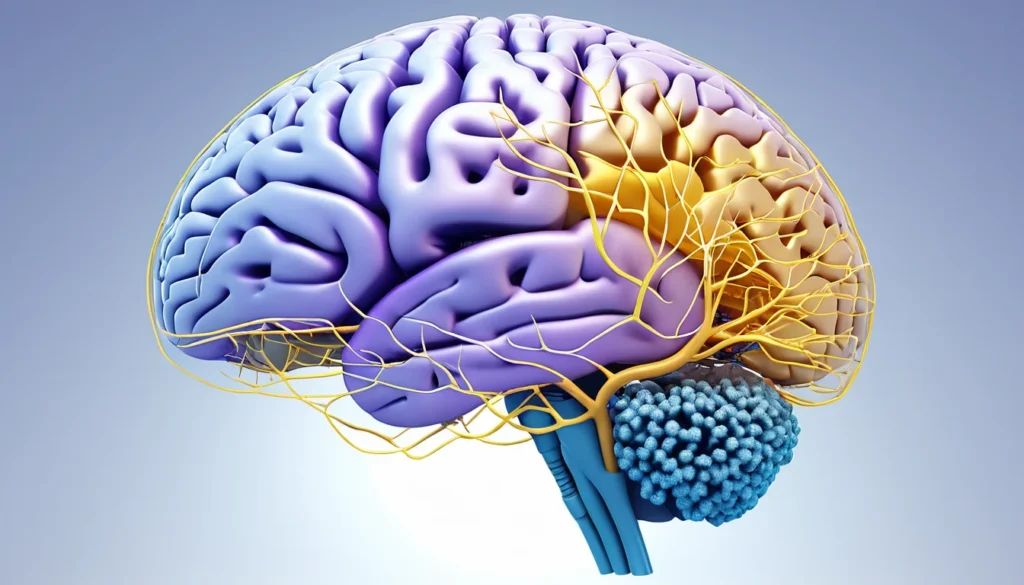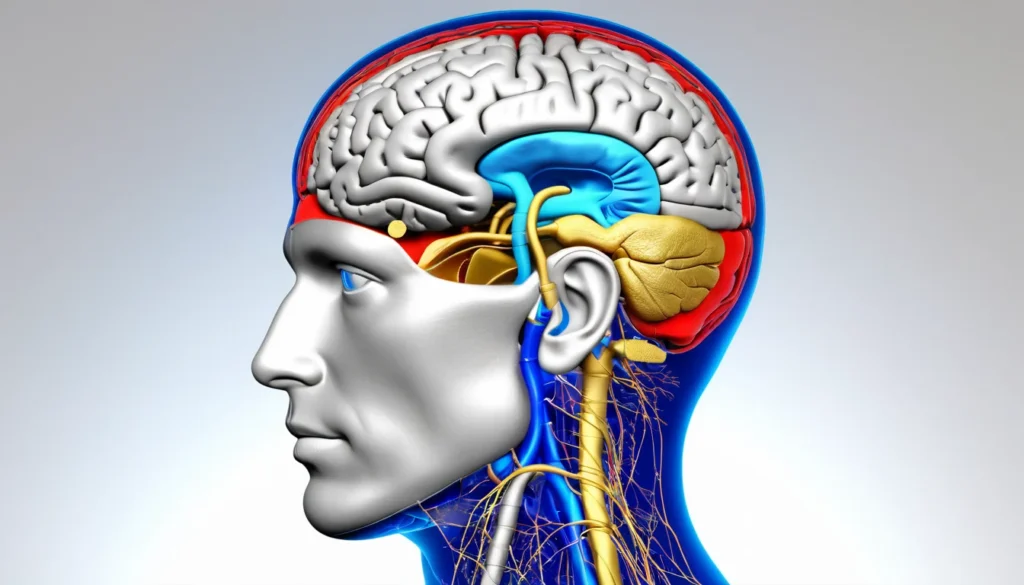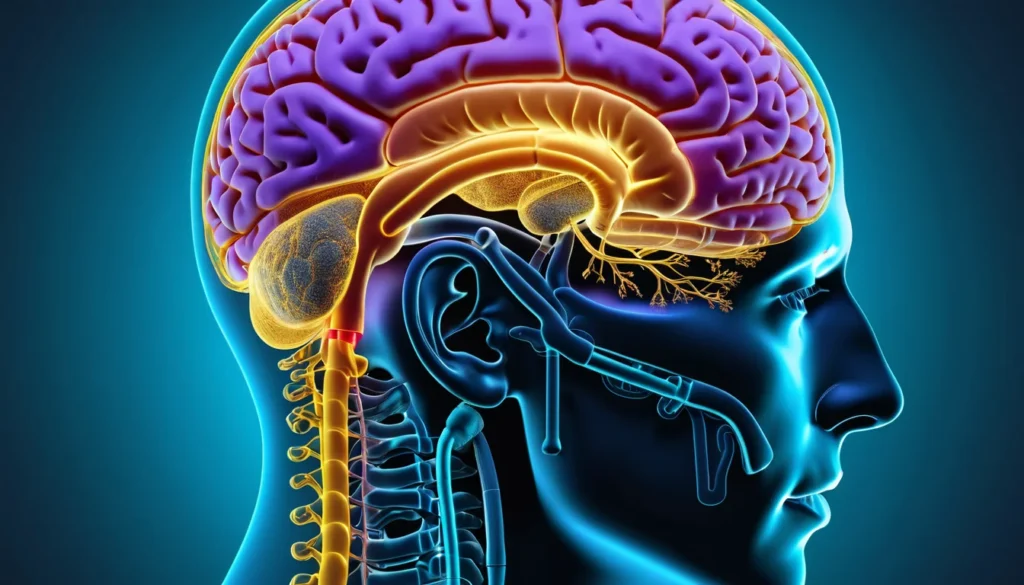
Neurodegenerative diseases are a group of serious conditions that slowly damage and destroy nerve cells in the brain, spinal cord, or peripheral nerves. They tend to develop gradually and worsen over time. In Canada, millions of people live with some form of neurological condition, affecting their memory, movement, or daily functioning. This article explains what neurodegenerative diseases are, how they are classified, and what signs to watch for.
What Are Neurodegenerative Diseases?
The word “neurodegenerative” refers to the progressive loss of nerve cells, also called neurons. When neurons stop working properly and eventually die, the brain or nervous system can no longer carry out its normal functions. This process is at the heart of all neurodegenerative diseases.
These conditions have an insidious onset, meaning symptoms often appear slowly and are easy to miss at first. Over time, the damage builds up and affects a person’s quality of life significantly. Unfortunately, there is no single test to diagnose most of these conditions. Diagnosis usually requires a combination of medical history, physical examination, and specialized tests.
According to Health Canada, neurological conditions are among the leading causes of disability in the country. Understanding these diseases is an important first step in getting the right care.
How Are Neurodegenerative Diseases Classified?
Doctors classify neurodegenerative diseases in several ways. One approach looks at which part of the nervous system is affected. Another considers the age when symptoms first appear — childhood, young adulthood, middle age, or older adulthood. There are also important differences between conditions that run in families and those that appear without a clear genetic cause.
In general, neurodegenerative diseases fall into three main categories:
Degenerative brain disorders — affecting memory, personality, movement, or balance
Degenerative nerve disorders — affecting sensation and automatic body functions
Myelin disorders — affecting the protective coating around nerve fibres
It is worth noting that many patients experience symptoms involving more than one system at the same time. This overlap can make diagnosis especially challenging, even for experienced specialists.
Age of Onset Matters
Age plays a key role in how these diseases are categorised. Conditions that appear in childhood are generally quite different from those that develop in older adults. However, some diseases that look similar on the surface may actually differ significantly at the molecular level. Doctors take these differences into account when making a diagnosis and planning treatment.
Types of Neurodegenerative Diseases Affecting the Brain
Brain-based neurodegenerative diseases are among the most well-known. They often cause memory loss, personality changes, problems with blood circulation in the brain, muscle weakness, or poor balance. The specific symptoms depend on which area of the brain is most affected.
Diseases That Affect Memory and Personality
Several neurodegenerative diseases primarily affect a person’s ability to think clearly and remember things. These include:
Alzheimer’s disease — the most common cause of dementia in Canada, affecting memory, language, and behaviour
Frontotemporal dementia — causes changes in personality and language, often affecting younger adults
Lewy body dementia — involves hallucinations, sleep disturbances, and movement problems
Prion diseases — rare but rapidly progressive brain conditions
Alzheimer’s disease alone affects an estimated 500,000 Canadians, with that number expected to rise as the population ages. For more information on Alzheimer’s, visit the Mayo Clinic’s Alzheimer’s disease overview.
Diseases That Affect Movement
Some neurodegenerative diseases mainly affect a person’s ability to move. These conditions can cause tremors, stiffness, slow movement, or loss of coordination. They include:
Parkinson’s disease — causes tremors, stiffness, and slow movement
Huntington’s disease — a genetic condition that causes involuntary movements and cognitive decline
Progressive supranuclear palsy — affects balance, eye movement, and swallowing
Corticobasal degeneration — causes limb stiffness and difficulty with movement on one side of the body
Multiple system atrophy — affects movement, balance, and automatic body functions
Diseases That Cause Muscle Weakness
Muscle weakness is the hallmark symptom of certain neurodegenerative diseases. These conditions affect the nerve cells that control muscle movement. They include:
Amyotrophic lateral sclerosis (ALS) — also known as Lou Gehrig’s disease, it progressively weakens muscles throughout the body
Myositis — inflammatory conditions that cause muscle weakness
Degenerative myopathies — inherited muscle diseases that worsen over time
In addition, conditions such as spinocerebellar atrophy affect balance and coordination, making walking and other daily activities increasingly difficult.
Types of Neurodegenerative Diseases Affecting the Nerves
Not all neurodegenerative diseases affect the brain directly. Some target the peripheral nerves — the nerves that run throughout your body outside of the brain and spinal cord. These conditions often cause problems with sensation or with the automatic functions your body performs without conscious thought, such as heart rate and digestion.
Common peripheral nerve conditions include:
Diabetic neuropathy — nerve damage caused by long-term high blood sugar levels
Other metabolic neuropathies — caused by conditions such as kidney disease or nutritional deficiencies
Endocrine neuropathies — related to hormonal imbalances such as thyroid disorders
Orthostatic hypotension — a sudden drop in blood pressure when standing, caused by nerve dysfunction
These nerve conditions are often manageable when caught early. Therefore, speaking with your family doctor about any unusual tingling, numbness, or dizziness is always a good idea.
Myelin Disorders: When the Nerve’s Protective Coating Is Damaged
Myelin is the protective sheath that surrounds nerve fibres, much like the plastic coating on an electrical wire. When myelin is damaged, nerve signals slow down or stop altogether. This leads to a wide range of neurological symptoms.
The most well-known myelin disorder is multiple sclerosis (MS). Canada actually has one of the highest rates of MS in the world. MS causes episodes of neurological symptoms such as vision problems, weakness, numbness, and fatigue. These symptoms can come and go, or worsen progressively over time.
Another example is Charcot-Marie-Tooth disease, an inherited condition that affects the peripheral nerves. It causes muscle weakness and sensory loss, particularly in the feet and hands. For a broader look at neurological conditions, the World Health Organization’s neurological disorders fact sheet provides useful global context.
Symptoms to Watch For
Because neurodegenerative diseases develop slowly, early symptoms are easy to overlook or attribute to normal ageing. However, certain signs deserve prompt attention. Watch for the following:
Persistent memory loss or confusion
Noticeable changes in personality or behaviour
Tremors, stiffness, or slowness of movement
Difficulty walking or frequent falls
Unexplained muscle weakness
Numbness, tingling, or burning sensations
Trouble swallowing or speaking
Vision changes or double vision
Loss of bladder or bowel control
No two people experience these diseases in exactly the same way. Furthermore, symptoms often overlap between different conditions, which is why a thorough medical evaluation is essential.
When to See a Doctor
If you or a loved one notices any of the symptoms listed above, do not wait. Start by booking an appointment with your family doctor. Your family doctor can conduct an initial assessment, order basic tests, and refer you to a neurologist if needed. Most provincial health plans in Canada cover these services.
If you do not have a family doctor, a walk-in clinic is a good first step. Walk-in clinic physicians can assess your symptoms and arrange referrals within the public healthcare system. Early assessment matters greatly with neurodegenerative diseases, as some treatments work best when started early.
It is also important to remember that many conditions can mimic neurodegenerative diseases. Vitamin deficiencies, thyroid problems, and medication side effects can all cause similar symptoms. As a result, getting a professional diagnosis is always the right move before drawing any conclusions.
Always speak with a qualified healthcare provider before making any decisions about your health. The information in this article is for educational purposes only and does not replace professional medical advice.
Frequently Asked Questions About Neurodegenerative Diseases
What is the most common neurodegenerative disease in Canada?
Alzheimer’s disease is the most common neurodegenerative disease in Canada, affecting an estimated 500,000 Canadians. It is the leading cause of dementia and becomes more prevalent with age. The number of Canadians living with Alzheimer’s is expected to grow significantly over the coming decades.
Are neurodegenerative diseases hereditary?
Some neurodegenerative diseases have a strong genetic component, such as Huntington’s disease and certain forms of Alzheimer’s. However, many cases are sporadic, meaning they occur without a clear family history. Genetic counselling is available in Canada for families who are concerned about inherited neurological conditions.
Can neurodegenerative diseases be cured?
Currently, most neurodegenerative diseases cannot be cured, but many can be managed effectively with medication, therapy, and lifestyle changes. Research into new treatments is ongoing around the world. Early diagnosis gives patients and their families more time to plan and access available therapies.
What is the difference between Alzheimer’s and Parkinson’s disease?
Both Alzheimer’s and Parkinson’s are neurodegenerative diseases, but they affect different parts of the brain. Alzheimer’s primarily affects memory and thinking, while Parkinson’s mainly affects movement, causing tremors and stiffness. Some people can develop features of both conditions over time.
How are neurodegenerative diseases diagnosed in Canada?
Diagnosing neurodegenerative diseases typically involves a combination of medical history, neurological examination, blood tests, and brain imaging such as MRI or CT scans. Your family doctor or a walk-in clinic physician can start the process and refer you to a neurologist. Provincial health plans generally cover these diagnostic tests.
What lifestyle changes can help protect brain health?
While there is no guaranteed way to prevent neurodegenerative diseases, a healthy lifestyle may reduce your risk. Regular physical activity, a balanced diet rich in fibre and healthy fats, quality sleep, and staying socially active are all linked to better brain health. Managing conditions like diabetes and high blood pressure also helps protect your nervous system.
Key Takeaways
Neurodegenerative diseases involve the progressive loss of nerve cells in the brain, spinal cord, or peripheral nerves.
They are grouped into three main categories: brain disorders, nerve disorders, and myelin disorders.
Common examples include Alzheimer’s disease, Parkinson’s disease, ALS, and multiple sclerosis.
Symptoms vary widely but may include memory loss, movement problems, muscle weakness, and sensory changes.
Canada has high rates of certain neurological conditions, including multiple sclerosis and Alzheimer’s disease.
There is no single test to diagnose these conditions — evaluation requires a full medical assessment.
If you notice concerning symptoms, start with your family doctor or a walk-in clinic. Early assessment is always beneficial.
Provincial health plans across Canada cover most diagnostic and specialist referral services for neurological concerns.