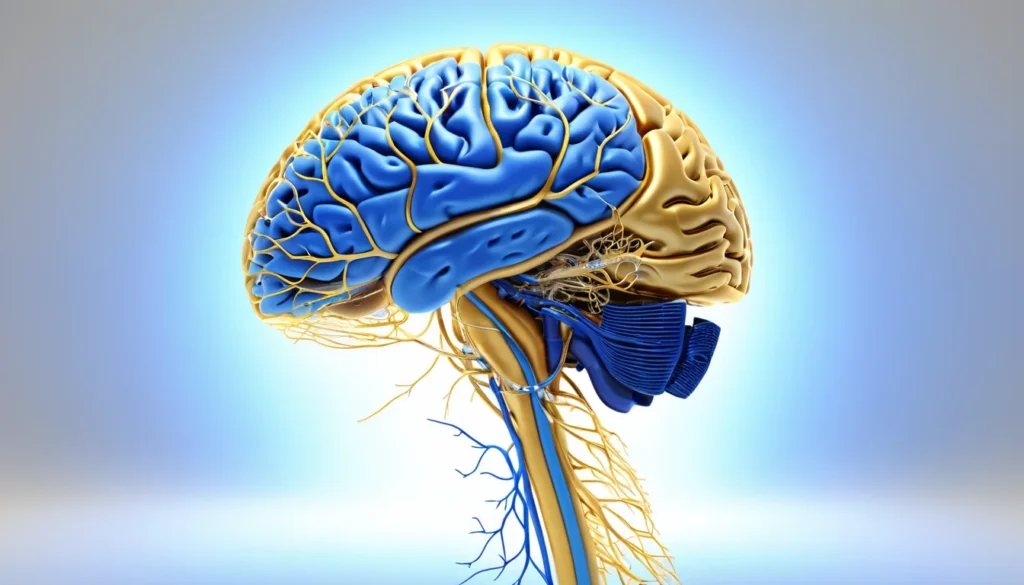
Your nervous system is the control centre of your entire body. It manages everything from breathing and digestion to movement, memory, and emotion. Understanding how it works can help you recognize when something may be wrong — and when to reach out to your family doctor or a walk-in clinic.
What Is the Nervous System?
The nervous system is a vast network of cells and fibres that carry messages between your brain and the rest of your body. It coordinates your organs, muscles, senses, and thoughts. Without it, your heart wouldn’t beat and your lungs wouldn’t breathe.
Remarkably, the nervous system begins forming as early as the fifth week of pregnancy. By the time a baby is born, billions of nerve cells are already connected and working together.
According to Mayo Clinic’s overview of nerve health, the nervous system plays a role in nearly every health condition — making it one of the most important systems in the human body.
The Two Main Parts of the Nervous System
On a structural level, the nervous system divides into two major parts: the central nervous system and the peripheral nervous system. Each part has a distinct role, but they work closely together at all times.
The Central Nervous System
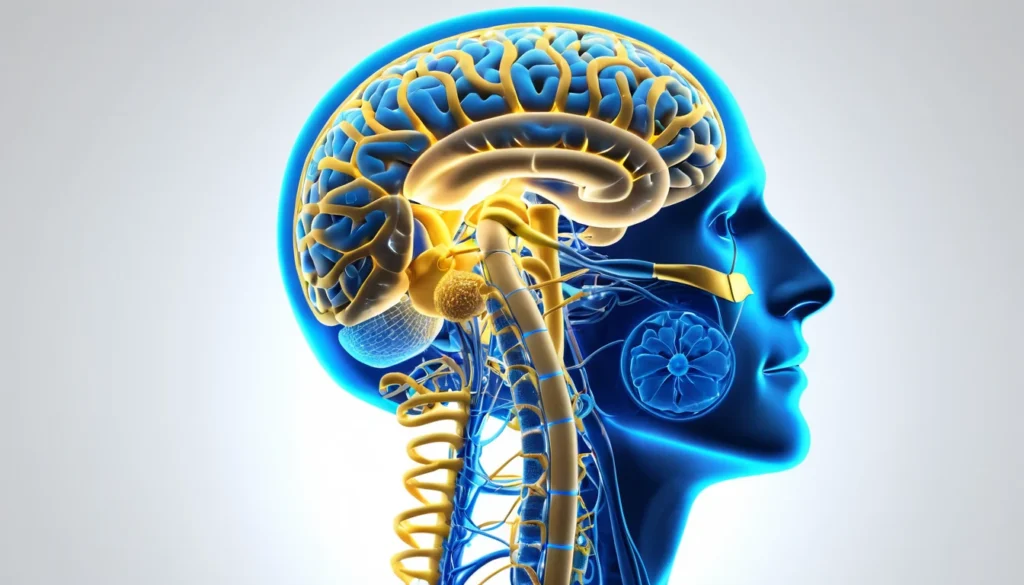
The central nervous system (CNS) includes the brain and the spinal cord. The brain itself has three key parts: the cerebrum (responsible for thought and movement), the cerebellum (which controls balance and coordination), and the brainstem (which manages basic survival functions like breathing and heart rate).
The brain sits protected inside the skull. The spinal cord runs through the vertebral column, or backbone. Together, they act as the body’s main processing centre.
The CNS contains billions of neurons — specialised nerve cells — supported by a type of tissue called neuroglia. Neuroglia does not carry signals itself, but it protects and nourishes the neurons that do.
The Peripheral Nervous System
The peripheral nervous system (PNS) extends outward from the CNS. It includes all the nerves that branch through your body — reaching your skin, muscles, and internal organs.
These nerves connect to the CNS at one end and fan out into fine branches at the other. There are two types: cranial nerves (linked directly to the brain) and spinal nerves (linked to the spinal cord). In total, there are 12 pairs of cranial nerves and 31 pairs of spinal nerves.
The PNS acts as a two-way communication highway. It carries sensory signals from the body to the brain, and motor signals from the brain back to the body.
How the Nervous System Works
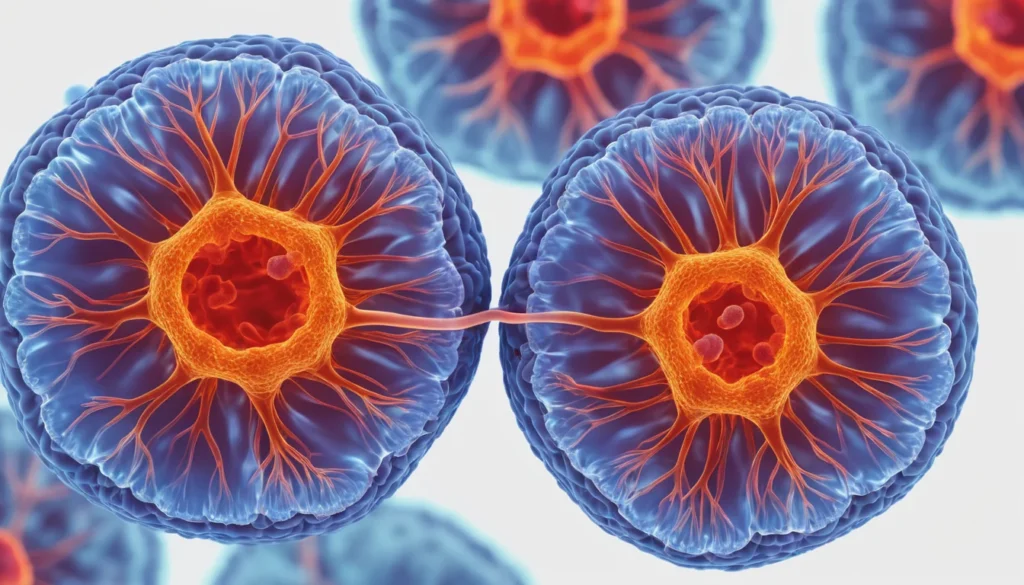
The nervous system works by sending electrical signals along chains of neurons. Each neuron passes the signal to the next through a junction called a synapse. At the synapse, the signal crosses using a chemical messenger called a neurotransmitter.
Three key neurotransmitters are acetylcholine, adrenaline (epinephrine), and noradrenaline (norepinephrine). Each one triggers a different response in the body depending on where it acts.
For example, acetylcholine slows the heart rate and stimulates digestion. Adrenaline and noradrenaline, on the other hand, speed the heart up and prepare the body for action. This system is incredibly fast — nerve signals can travel up to 120 metres per second.
For a deeper look at how neurons communicate, visit Healthline’s guide to nervous system function and disease.
The Somatic and Autonomic Nervous Systems
Within the peripheral nervous system, there are two further divisions based on function: the somatic nervous system and the autonomic (vegetative) nervous system. Understanding the difference helps explain why some body functions are under your control — and others are not.
The Somatic Nervous System
The somatic nervous system controls voluntary movement. It allows you to walk, pick up a cup, or turn your head. It also carries sensory information — such as touch, heat, and pain — from your skin and sense organs back to the brain.
This system relies on two types of neurons: sensory neurons (which carry signals toward the brain) and motor neurons (which carry signals away from the brain to the muscles). When you pull your hand away from a hot stove, your somatic nervous system is at work.
The Autonomic Nervous System
The autonomic nervous system runs in the background. It controls involuntary functions like breathing, digestion, heart rate, blood pressure, and sweating — things that happen without you thinking about them.
This system divides further into two branches: the parasympathetic and the sympathetic nervous systems. They act as opposites, balancing each other to keep your body stable.
The parasympathetic nervous system is your “rest and digest” system. It slows the heart rate, stimulates digestion, and relaxes sphincter muscles. It works mainly through acetylcholine.
The sympathetic nervous system is your “fight or flight” system. It prepares your body for stress or physical activity. It increases heart rate and breathing rate, widens the airways and pupils, tightens blood vessels, and triggers sweating. It works through adrenaline and noradrenaline. In response, it also slows digestion temporarily.
These two systems work together around the clock, coordinated by control centres in the spinal cord, brainstem, and brain.
How Doctors Examine the Nervous System
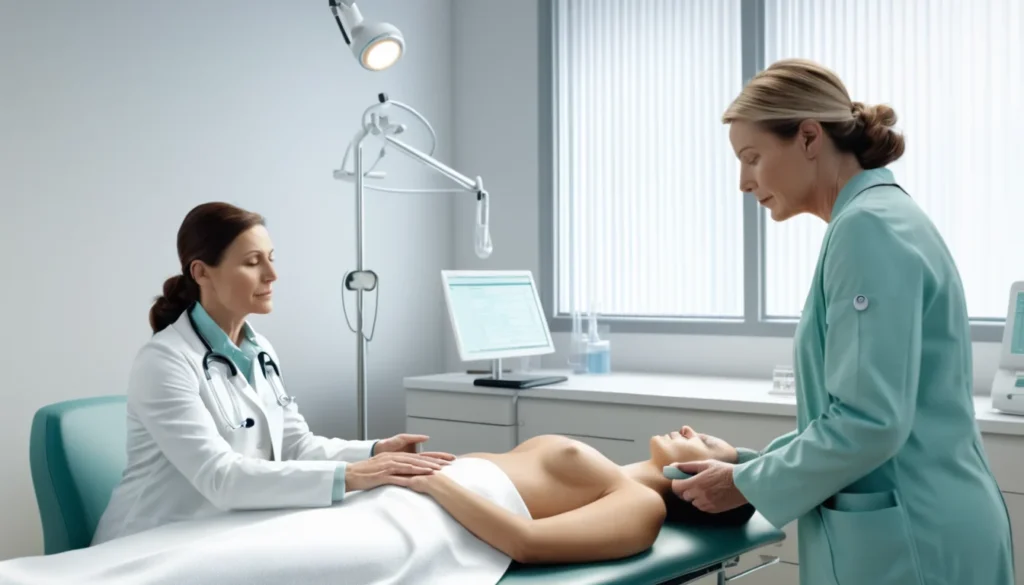
When a doctor suspects a problem with the nervous system, several tests are available. The right test depends on whether the CNS or PNS is involved.
For the central nervous system, common investigations include:
CT scan (computed tomography): Produces detailed images of the brain and spinal cord.
MRI (magnetic resonance imaging): Provides even more detailed images, especially of soft tissue.
EEG (electroencephalography): Measures electrical activity in the brain.
Evoked potential recordings: Tests the electrical activity along nerve pathways for hearing, vision, and body sensation.
Lumbar puncture (spinal tap): Collects cerebrospinal fluid for analysis.
For the peripheral nervous system, the main test is electromyography (EMG). This measures the electrical activity of muscles and the nerves that control them. It helps diagnose conditions like carpal tunnel syndrome or nerve damage from diabetes.
In Canada, your family doctor or a neurologist can order these tests. Most are covered under provincial health plans, though wait times vary by province.
Common Nervous System Conditions
The nervous system can be affected by many different conditions. These broadly fall into two categories: central nervous system disorders and peripheral nervous system disorders.
Central Nervous System Disorders
Conditions affecting the brain and spinal cord include a wide range of causes:
Compression: A blood clot (haematoma), abscess, or tumour pressing on the brain or spinal cord.
Trauma: A spinal fracture that severs the spinal cord, or a traumatic brain injury.
Infection: Meningitis (infection of the membranes around the brain) or encephalitis (infection of the brain itself).
Stroke: Disrupted blood supply to the brain, causing cell death.
Epilepsy: Abnormal electrical activity in the cortex causing seizures.
Neurodegenerative diseases: Conditions where neurons progressively break down, such as multiple sclerosis, Parkinson’s disease, Alzheimer’s disease, and Huntington’s disease.
These conditions are serious and require prompt medical attention. However, early diagnosis often leads to better outcomes. Many Canadians access specialist care through referrals from their family doctor.
Peripheral Nervous System Disorders
Peripheral nerve disorders affect a single nerve or multiple nerves throughout the body.
Mononeuropathy affects just one nerve. Common causes include a cut or compression of a nerve (for example, sciatica from a herniated disc) or an infection like shingles (herpes zoster).
Polyneuropathy affects many nerves at once. Causes include viral infections, immune system disorders (such as Guillain-Barré syndrome), nutritional deficiencies (especially B vitamins), and toxic exposure (such as long-term heavy alcohol use).
Furthermore, several chronic conditions are well-known causes of nerve damage. These include type 1 and type 2 diabetes, diphtheria, lupus, and leprosy. When multiple nerves are affected one after another, the condition is called mononeuritis multiplex.
The World Health Organization’s fact sheet on neurological disorders notes that these conditions affect hundreds of millions of people worldwide and are a leading cause of disability.
When to See a Doctor
Many nervous system conditions are manageable when caught early. You should contact your family doctor or visit a walk-in clinic if you notice any of the following symptoms:
Persistent headaches, especially with sudden onset
Numbness, tingling, or weakness in the hands, feet, or limbs
Unexplained changes in vision, hearing, or smell
Loss of balance or coordination
Memory problems or sudden confusion
Seizures or blackouts
Difficulty speaking or understanding speech
Muscle twitching or cramps that do not go away
If you experience sudden severe headache, one-sided weakness, facial drooping, or difficulty speaking, call 911 immediately. These can be signs of a stroke and require emergency care.
For ongoing concerns about nervous system health, your family doctor can refer you to a neurologist through your provincial health plan. In most provinces, neurology consultations are covered under public health insurance, though wait times may vary. Walk-in clinics can also help with initial assessments and referrals.
As always, this article is for general information only. Please speak with a qualified healthcare provider before making any decisions about your health or treatment.
Frequently Asked Questions
What does the nervous system do?
The nervous system controls and coordinates nearly every function in your body. It manages movement, sensation, thought, emotion, breathing, digestion, and heart rate. In short, the nervous system is what allows your body to respond to the world around you.
What are the two main parts of the nervous system?
The nervous system is divided into the central nervous system (CNS) and the peripheral nervous system (PNS). The CNS includes the brain and spinal cord, while the PNS includes all the nerves that branch throughout the rest of the body. Both parts work together to send and receive signals.
What are the most common nervous system disorders?
Common nervous system disorders include stroke, epilepsy, multiple sclerosis, Parkinson’s disease, Alzheimer’s disease, and peripheral neuropathy. Many of these conditions are more manageable when diagnosed early. If you have concerns, speak with your family doctor or visit a walk-in clinic.
What is the difference between the sympathetic and parasympathetic nervous systems?
The sympathetic nervous system activates your “fight or flight” response — it speeds up your heart, widens your airways, and prepares your body for action. The parasympathetic nervous system does the opposite, promoting rest and digestion. Together, they keep your body in balance.
How is the nervous system tested by doctors?
Doctors use several tests to examine the nervous system, including CT scans, MRI scans, EEGs, and lumbar punctures for the brain and spinal cord. For peripheral nerves, electromyography (EMG) is commonly used. In Canada, most of these tests are covered under provincial health plans with a referral from your family doctor.
Can nervous system damage be reversed?
Whether nervous system damage can be reversed depends on the cause and how quickly treatment begins. Some conditions, like certain nerve compressions, can improve significantly with treatment. However, damage from neurodegenerative diseases is generally progressive, though therapies can slow the process and improve quality of life.
Key Takeaways
The nervous system controls movement, sensation, thought, and all automatic body functions.
It divides into the central nervous system (brain and spinal cord) and the peripheral nervous system (all other nerves).
Neurons communicate through chemical messengers called neurotransmitters, including acetylcholine, adrenaline, and noradrenaline.
The autonomic nervous system manages involuntary functions like heart rate and digestion through its sympathetic and parasympathetic branches.
Common nervous system conditions include stroke, epilepsy, Parkinson’s disease, Alzheimer’s disease, and peripheral neuropathy.
Most diagnostic tests for nervous system problems are covered under Canadian provincial health plans.
See your family doctor, visit a walk-in clinic, or call 911 if you experience sudden or severe neurological symptoms.