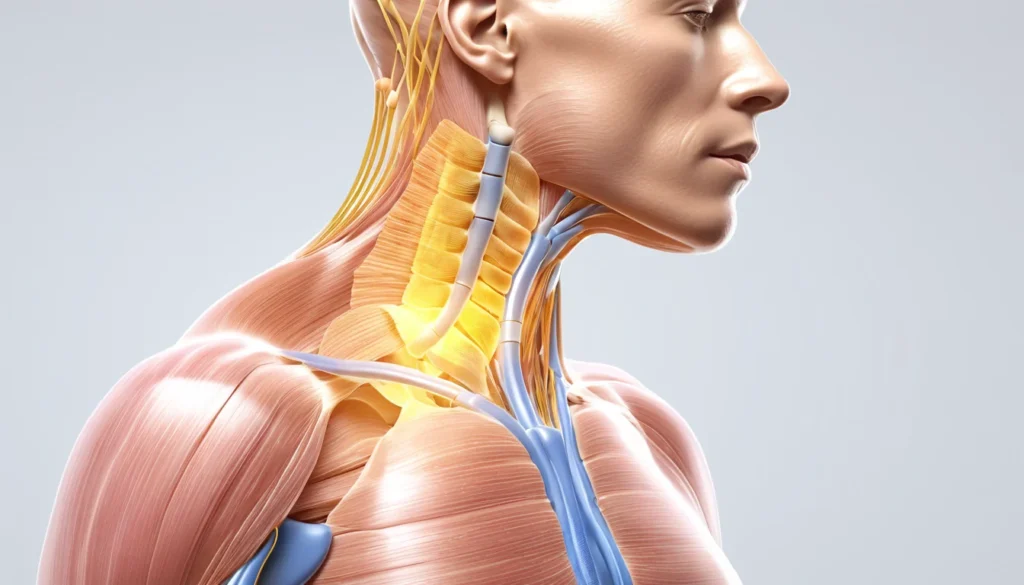
Nerves are the body’s communication highways. They carry messages between your brain, spinal cord, and every part of your body. Understanding how nerves work — and what can go wrong — can help you recognize symptoms early and get the right care. In this article, we’ll walk you through the structure of nerves, how they function, and the most common nerve-related conditions Canadians should know about.
What Are Nerves?
Nerves are thin, cord-like structures made up of bundled nerve fibres. They appear whitish in colour and run throughout your entire body. Together with nerve ganglia — small clusters of nerve cells found along nerve pathways — nerves make up your peripheral nervous system.
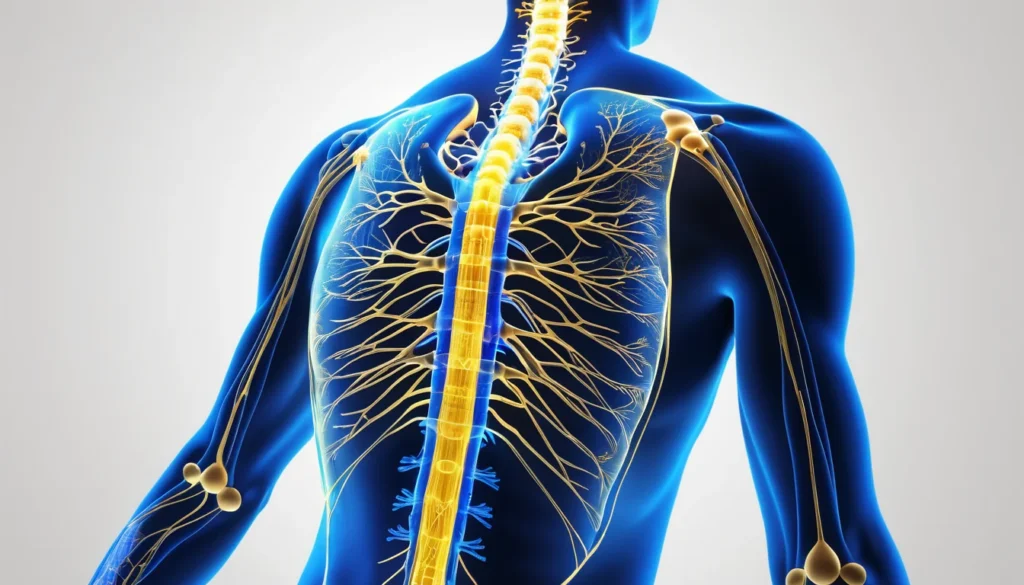
The peripheral nervous system is different from your central nervous system. Your central nervous system includes your brain and spinal cord. Think of the central nervous system as the command centre, and the nerves as the wires connecting it to everything else.
According to Healthline’s overview of the nervous system, the human body contains billions of nerve cells that form a vast and complex network.
The Structure of Nerves
To understand how nerves work, it helps to look at how they are built. Nerves are made up of parallel nerve fibres. Each fibre is actually an extension of a nerve cell, also called a neuron. These extensions are called axons (which carry signals away from the cell body) or dendrites (which receive signals coming in).
Schwann Cells and the Myelin Sheath
Surrounding certain nerve fibres are special cells called Schwann cells. These cells produce a protective coating known as the myelin sheath. Myelin acts like the plastic insulation around an electrical wire. It helps nerve signals travel faster and more efficiently.
Not all nerve fibres have this myelin coating. Unmyelinated fibres exist too, and they tend to conduct signals more slowly. However, both types are essential for normal body function.
Protective Layers Around Nerve Fibres
Nerve fibres don’t travel alone. They are grouped into bundles called fascicles. Each bundle is wrapped in a layer of connective tissue called the perineurium. A thicker outer layer, called the epineurium, wraps around the entire nerve. These layers protect the delicate fibres inside from pressure and injury.
This layered design makes nerves quite resilient. However, they can still be damaged under certain conditions, which we’ll cover later in this article.
How Nerves Function
Every nerve contains two main types of fibres working side by side. Together, these fibres allow for two-way communication between your body and brain.
Motor fibres carry instructions from the brain and spinal cord to muscles and organs. For example, when you decide to pick up a glass of water, motor fibres send that command to your arm muscles.
Sensory fibres carry information in the opposite direction — from your body back to the central nervous system. These fibres tell your brain about pain, temperature, touch, and other sensations.
This two-way system allows your body to act and react constantly, often without you even thinking about it.
Somatic vs. Autonomic Nerve Fibres
Nerve fibres can also be sorted into two broader categories based on what they control.
Somatic fibres are part of the voluntary nervous system. These fibres control muscles you move on purpose — like your arms, legs, and facial muscles. They also carry sensations from your skin and joints. When you scratch an itch or kick a soccer ball, somatic fibres are doing the work.
Autonomic fibres belong to the involuntary nervous system. These fibres control functions your body handles automatically, without conscious thought. For example, they regulate your heartbeat, digestion, gland activity, and the muscles in your internal organs.
In addition, autonomic fibres play a key role in your body’s stress response. They help control breathing rate, blood pressure, and how your pupils respond to light.
Types of Nerves in the Body
Depending on where they connect to the central nervous system, nerves fall into two main groups.
Spinal Nerves
Spinal nerves (also called spinal or rachidian nerves) branch out from the spinal cord. There are 31 pairs of spinal nerves in the human body. Each pair connects to a specific region of the body and controls movement and sensation in that area.
For example, spinal nerves in your lower back connect to your legs and feet. This is why a herniated disc in the lower spine can cause pain or numbness that runs all the way down to your toes — a condition many Canadians experience.
Cranial Nerves
Cranial nerves connect directly to the brain rather than the spinal cord. There are 12 pairs of cranial nerves. They control functions in your head and neck, including vision, hearing, smell, taste, and facial movement.
For instance, the optic nerve carries visual information from your eyes to your brain. The facial nerve controls the muscles you use to smile, frown, or raise your eyebrows.
As noted by the Mayo Clinic’s guide to peripheral neuropathy, damage to peripheral nerves — both spinal and cranial — can cause a wide range of symptoms depending on which nerves are affected.
Common Nerve Conditions and Disorders
Nerves are remarkably tough, but they can be harmed in several ways. Below are the most common conditions affecting nerves in Canada.
Neuritis (Nerve Inflammation)
Neuritis refers to inflammation of a nerve. It can be caused by infection, toxic substances, or autoimmune conditions. Symptoms often include burning pain, tingling, numbness, or weakness in the affected area.
Neuritis can affect a single nerve or multiple nerves at once. When many nerves are involved, the condition is called polyneuritis or peripheral neuropathy. Diabetes is one of the leading causes of peripheral neuropathy in Canada.
Nerve Compression
Sometimes a nerve gets compressed or “pinched” by surrounding tissue. One very common example is carpal tunnel syndrome. In this condition, the median nerve gets compressed as it passes through a narrow passage in the wrist called the carpal tunnel.
Carpal tunnel syndrome causes pain, tingling, and numbness in the hand and fingers. It is especially common among people who do repetitive hand movements at work. Many Canadians are eligible to have this condition assessed and treated through their provincial health plan.
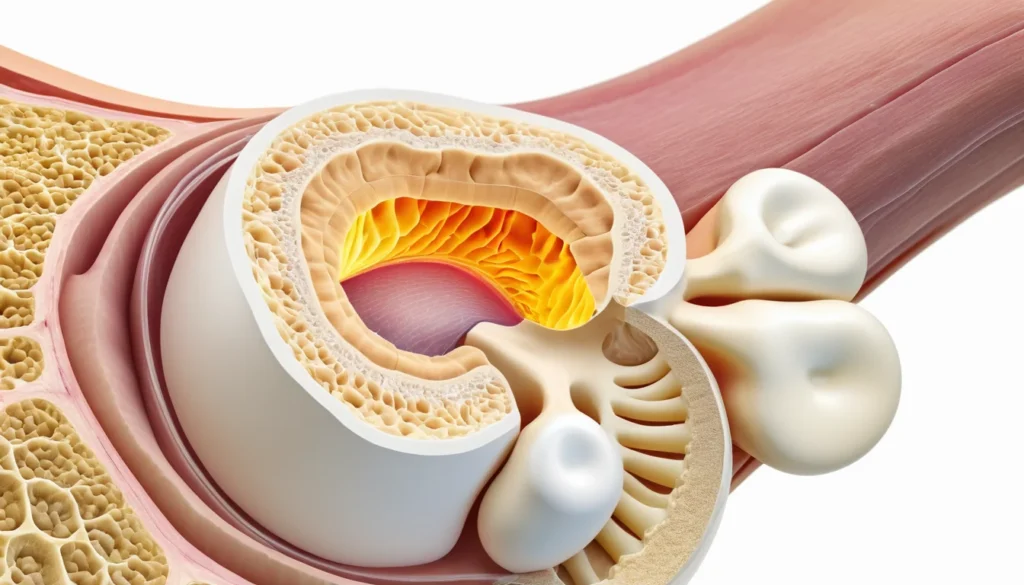
Furthermore, nerve compression can occur in the spine. A herniated disc can press on nearby spinal nerves, causing radiating pain down the arm or leg.
Nerve Tumours
Nerves can develop tumours, though these are much less common. A neuroma is an overgrowth of nerve tissue, often forming at the site of an injury. A neurinoma (also called a schwannoma) is a benign tumour that grows from the Schwann cells surrounding a nerve.
Most nerve tumours are non-cancerous. However, they can still cause discomfort or neurological symptoms depending on their location and size. Treatment varies and may include monitoring, medication, or surgery.
Nerve Trauma and Injury
Physical injury is one of the most direct causes of nerve damage. Nerves can be cut, stretched, or crushed during accidents. Road accidents, falls, and sports injuries are common causes of traumatic nerve damage in Canada.
The degree of recovery after nerve injury depends on how severely the nerve was damaged and how quickly treatment begins. Mild injuries may heal on their own. More serious injuries may require surgery or long-term rehabilitation.
As a result, prompt medical attention after any significant injury is always important. Even if pain seems manageable at first, underlying nerve damage can worsen without proper care.
When to See a Doctor
You should speak to a healthcare provider if you notice any of the following symptoms that may signal a nerve problem:
Numbness or tingling that doesn’t go away
Burning or shooting pain along a limb
Muscle weakness or loss of coordination
Sensitivity to touch that feels abnormal
Loss of sensation in your hands, feet, or face
Start by contacting your family doctor. They can assess your symptoms and refer you to a neurologist or specialist if needed. If you don’t have a family doctor, a walk-in clinic is a good first step. Most provinces also offer nurse practitioner-led clinics that can help with initial assessments.
Don’t wait too long. Nerve conditions often respond better to treatment when they are caught early. For more information on navigating your options, visit Health Canada’s official health resources.
Always consult a qualified healthcare professional before making decisions about your health. The information in this article is for general educational purposes only and does not replace personalized medical advice.
Frequently Asked Questions About Nerves
What do nerves do in the human body?
Nerves act as communication pathways between your brain, spinal cord, and the rest of your body. They carry motor signals that tell muscles to move and sensory signals that report pain, temperature, and touch. Without functioning nerves, your body could not coordinate movement or respond to the world around you.
What are the symptoms of nerve damage?
Common symptoms of nerve damage include numbness, tingling, burning pain, and muscle weakness. Some people also experience unusual sensitivity to touch or a loss of coordination. If you notice these symptoms, it’s important to speak with your family doctor or visit a walk-in clinic as soon as possible.
Can damaged nerves heal on their own?
In some cases, nerves can repair themselves, especially after mild compression or minor injuries. However, recovery depends on the type and severity of the damage. Severe nerve injuries — such as a fully cut nerve — often require medical treatment or surgery to restore function.
What is the difference between the peripheral and central nervous system?
The central nervous system consists of the brain and spinal cord — the body’s main command centre. The peripheral nervous system is made up of all the nerves that branch out from the spinal cord and brain to reach the rest of the body. Both systems work together to control everything from breathing to movement to sensation.
What causes nerve pain?
Nerve pain, also called neuropathic pain, can be caused by many things including diabetes, nerve compression, infections, autoimmune diseases, or physical injury. It often feels like burning, stabbing, or electric-shock sensations. A doctor can help identify the underlying cause and recommend appropriate treatment.
What is carpal tunnel syndrome and how does it affect the nerves?
Carpal tunnel syndrome occurs when the median nerve — which runs through a narrow passage in your wrist — becomes compressed. This causes pain, tingling, and numbness in the hand and fingers. It is one of the most common nerve compression conditions in Canada and can often be treated without surgery if caught early.
Key Takeaways
Nerves are cord-like structures made of bundled nerve fibres that carry signals throughout your body.
They are protected by layers of connective tissue and, in many cases, a myelin sheath produced by Schwann cells.
Nerves carry both motor signals (from brain to body) and sensory signals (from body to brain).
There are two main types of nerves: spinal nerves (connected to the spinal cord) and cranial nerves (connected to the brain).
Common nerve conditions include neuritis, carpal tunnel syndrome, nerve tumours, and traumatic nerve injury.
Early diagnosis leads to better outcomes — talk to your family doctor or visit a walk-in clinic if you notice unexplained numbness, tingling, or pain.