Nephrotoxicity is a form of kidney damage that happens when your kidneys are exposed to toxic substances or certain medications. It is one of the most common causes of kidney problems seen in healthcare settings across Canada. When nephrotoxicity occurs, your kidneys lose their ability to filter waste and excess fluid from your blood properly. The good news is that catching it early can prevent lasting kidney damage.
What Is Nephrotoxicity?
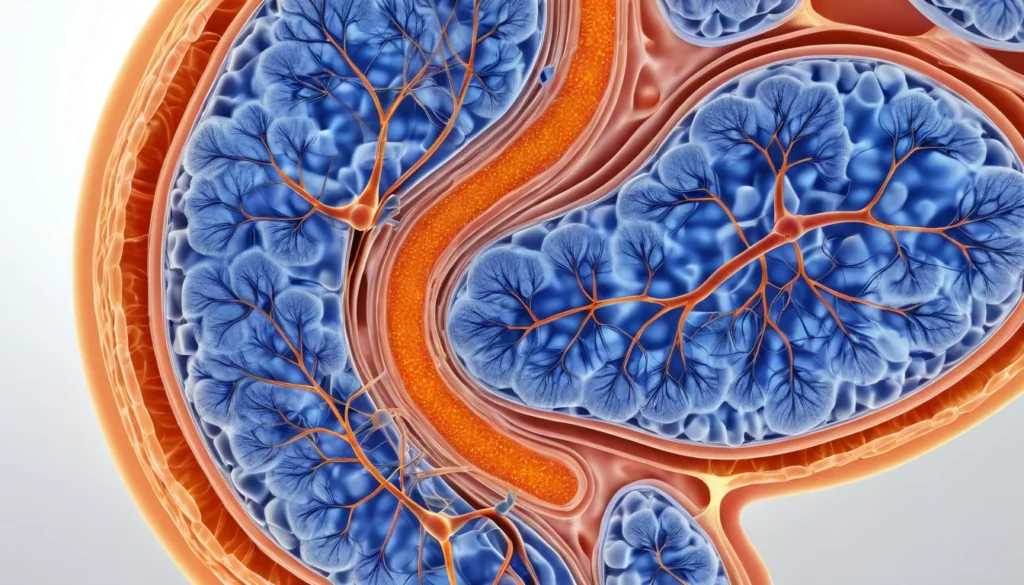
Your kidneys are two small but powerful organs that filter your entire blood supply dozens of times each day. They remove waste products, balance electrolytes like potassium and magnesium, and control fluid levels in your body. When a toxic substance damages the cells inside your kidneys, this process breaks down. That breakdown is what doctors call nephrotoxicity.
The condition can range from mild and temporary to severe and permanent. For example, short-term dehydration can cause a temporary form of nephrotoxicity. However, ongoing exposure to harmful drugs or chemicals can lead to chronic kidney disease. Therefore, understanding what causes this condition is the first step toward protecting your kidney health.
According to Mayo Clinic’s overview of kidney disease, the kidneys are highly sensitive organs that are vulnerable to a wide range of toxic substances. In Canada, kidney disease affects millions of people, making kidney health a serious public concern.
Common Causes of Nephrotoxicity
Many everyday substances can trigger nephrotoxicity if used incorrectly or in high doses. Some of the most common causes include prescription medications, over-the-counter drugs, contrast dyes used in medical imaging, and environmental toxins. In many cases, people do not realise that something they are taking is harming their kidneys.
Medications That Can Cause Kidney Damage
Certain antibiotics, particularly aminoglycosides, are well-known nephrotoxic agents. Non-steroidal anti-inflammatory drugs, or NSAIDs, such as ibuprofen and naproxen, are also common culprits. These are medications that many Canadians buy without a prescription at their local pharmacy. However, taking them too frequently or in high doses puts real stress on the kidneys.
Chemotherapy drugs used to treat cancer can also cause nephrotoxicity as a side effect. In addition, some antiviral and antifungal medications carry this risk. If your doctor has prescribed any of these drugs, they will typically monitor your kidney function through regular blood tests. Always follow your doctor’s instructions when taking these medications.
Contrast Dyes and Medical Imaging
Contrast-induced nephrotoxicity is a specific type of kidney injury. It occurs after a patient receives an iodine-based contrast dye during imaging tests like CT scans or angiograms. People with pre-existing kidney problems or diabetes face the highest risk. Your care team will assess your kidney function before using contrast dye whenever possible.
Environmental and Industrial Toxins
Heavy metals like lead, mercury, and cadmium are well-established causes of kidney damage. Prolonged exposure to these substances, often through contaminated water or workplace environments, can slowly injure kidney tissue. Furthermore, some herbal supplements and traditional remedies contain compounds that are toxic to the kidneys. Always check with a healthcare provider before starting any new supplement.
Recognising the Symptoms of Nephrotoxicity
One of the challenges with nephrotoxicity is that symptoms do not always appear right away. In mild cases, a person may feel fine while kidney function quietly declines. Therefore, paying attention to early warning signs is very important. Catching the condition early gives you the best chance of a full recovery.
Common symptoms of nephrotoxicity include:
Reduced urine output or changes in urine colour
Swelling in the legs, ankles, or feet due to fluid retention
Fatigue and weakness
Nausea or vomiting
Confusion or difficulty concentrating
Shortness of breath
Irregular heartbeat caused by high potassium levels
When the kidneys are not filtering properly, electrolytes like potassium and magnesium build up in the blood. High potassium levels, in particular, can affect your heart rhythm and become life-threatening. As a result, these symptoms should never be ignored. Seek medical attention promptly if you notice several of these warning signs together.
How Nephrotoxicity Is Diagnosed
Doctors diagnose nephrotoxicity using a combination of blood tests, urine tests, and your medical history. The most important blood marker is creatinine. Creatinine is a waste product that healthy kidneys remove from the blood. When creatinine levels rise, it signals that kidney function has dropped.
Key Diagnostic Tests
Your doctor may order a basic metabolic panel to check creatinine, blood urea nitrogen (BUN), and electrolyte levels. A urinalysis can reveal protein or blood in the urine, both signs of kidney stress. In some cases, imaging like an ultrasound helps rule out other causes of kidney problems. Your doctor may also calculate your glomerular filtration rate, or GFR, which measures how well your kidneys are filtering blood per minute.
As Healthline explains in their guide to nephrotoxicity, identifying the cause of rising creatinine levels early is critical. Early action can often prevent temporary kidney injury from becoming permanent damage. That is why routine blood work is so valuable, especially if you take medications that carry kidney-related risks.
Treatment and Management of Nephrotoxicity
The first and most important step in treating nephrotoxicity is removing the cause. If a medication is responsible, your doctor will stop it or switch you to a safer alternative. If dehydration triggered the injury, restoring proper fluid levels often helps the kidneys recover on their own.
Medical Treatments
In more serious cases, your care team may give you intravenous (IV) fluids in a hospital setting. This helps flush the toxin from your system and supports kidney recovery. If potassium levels become dangerously high, medications or dietary changes can bring them back to a safe range. Severe nephrotoxicity that leads to acute kidney failure may require dialysis as a temporary measure while the kidneys heal.
Dietary and Lifestyle Support
While your kidneys recover, your doctor may recommend a low-potassium, low-sodium diet. Limiting protein intake can also reduce the workload on damaged kidneys. Staying well-hydrated with water is important, though your doctor will advise on the right amount for your situation. Avoiding alcohol and non-prescribed supplements is also strongly recommended during recovery.
The Health Canada resources on kidney health offer practical guidance on protecting your kidneys through healthy lifestyle choices. These include maintaining a healthy weight, staying active, and managing conditions like high blood pressure and diabetes that increase kidney risk.
Who Is Most at Risk for Nephrotoxicity?
Nephrotoxicity can affect anyone, but certain groups face a higher risk. Understanding your personal risk level helps you take the right precautions. Talk to your family doctor if you fall into one or more of these categories.
Higher-risk groups include:
Older adults, whose kidneys naturally filter less efficiently with age
People with diabetes or high blood pressure
Those with existing chronic kidney disease
People taking multiple medications at once, known as polypharmacy
Patients undergoing chemotherapy or other intensive medical treatments
Individuals with a history of dehydration or poor fluid intake
Workers exposed to heavy metals or industrial chemicals
In Canada, diabetes and high blood pressure are the two leading causes of chronic kidney disease. Both conditions damage the small blood vessels inside the kidneys over time. Furthermore, many Canadians manage multiple health conditions simultaneously, which means taking multiple medications. This increases the chance of a nephrotoxic drug interaction or cumulative toxic effect.
Preventing Nephrotoxicity
Prevention is always better than treatment. Several simple steps can significantly reduce your risk of nephrotoxicity. These steps are especially important if you are in a higher-risk group or take medications regularly.
Key prevention strategies include:
Always take medications exactly as prescribed by your doctor
Avoid overusing over-the-counter pain relievers like ibuprofen
Stay well-hydrated, especially during hot weather or physical activity
Tell your doctor and pharmacist about every supplement and natural remedy you take
Get regular kidney function blood tests if you take high-risk medications
Manage blood pressure and blood sugar through diet, exercise, and medication
Avoid unnecessary exposure to heavy metals and industrial chemicals
Your pharmacist is an excellent and often overlooked resource in Canada. They can review all of your medications for harmful interactions and flag anything that may pose a kidney risk. Many provinces also offer Medication Review programmes through community pharmacies at no cost to patients.
When to See a Doctor
If you notice any sudden changes in your urination habits, unexplained swelling, or unusual fatigue, do not wait. Contact your family doctor as soon as possible. If you do not have a family doctor, visit a walk-in clinic or urgent care centre in your area.
Nephrotoxicity can escalate quickly in some cases. Symptoms like severe shortness of breath, chest pain, or a very irregular heartbeat require immediate emergency care. Call 911 or go to your nearest emergency department right away if you experience these symptoms.
Your provincial health plan covers blood tests for kidney function when ordered by a physician. This means checking your kidney health is accessible and affordable across Canada. If you take any of the medications mentioned in this article, ask your doctor whether regular kidney monitoring is right for you.
This article is for informational purposes only and does not replace professional medical advice. Always consult your doctor or a qualified healthcare provider if you have concerns about your kidney health or any medications you are taking.
Frequently Asked Questions About Nephrotoxicity
What is nephrotoxicity and what causes it?
Nephrotoxicity is kidney damage caused by exposure to toxic substances, including certain medications, contrast dyes, heavy metals, and some supplements. It occurs when these substances injure the cells inside the kidneys, reducing their ability to filter blood properly. Common causes include NSAIDs, certain antibiotics, chemotherapy drugs, and industrial chemicals.
Is nephrotoxicity reversible?
In many cases, nephrotoxicity is reversible if the cause is identified and removed early. Temporary kidney injury caused by dehydration or short-term medication use often resolves with proper treatment and hydration. However, prolonged or severe nephrotoxicity can lead to permanent kidney damage, which is why early diagnosis is so important.
Which common medications can cause nephrotoxicity?
Several widely used medications carry a risk of nephrotoxicity, including ibuprofen, naproxen, certain antibiotics like gentamicin, and some antiviral drugs. Chemotherapy agents and contrast dyes used in medical imaging are also known nephrotoxic substances. Always talk to your doctor or pharmacist if you are concerned about the kidney effects of any medication you are taking.
What are the early warning signs of nephrotoxicity?
Early signs of nephrotoxicity can include reduced urine output, swelling in the legs or ankles, unusual fatigue, nausea, and changes in urine colour. Because these symptoms can be subtle at first, they are easy to overlook. If you are taking a high-risk medication and notice any of these signs, contact your family doctor or visit a walk-in clinic promptly.
How is nephrotoxicity diagnosed?
Doctors diagnose nephrotoxicity primarily through blood tests that measure creatinine and electrolyte levels, along with urine tests that check for protein or blood. A rising creatinine level in the blood is one of the clearest signs that kidney function has been affected. Your doctor may also use imaging like an ultrasound to rule out other causes of kidney problems.
Can ibuprofen cause nephrotoxicity?
Yes, ibuprofen and other non-steroidal anti-inflammatory drugs (NSAIDs) can cause nephrotoxicity, especially when taken frequently, in high doses, or by people who are dehydrated. The risk is higher in older adults and those with existing kidney problems or high blood pressure. If you regularly use ibuprofen for pain relief, speak with your doctor about safer long-term alternatives.
Key Takeaways
Nephrotoxicity is kidney damage caused by toxic substances, including medications, contrast dyes, and heavy metals.
Common causes include NSAIDs like ibuprofen, certain antibiotics, chemotherapy drugs, and industrial toxins.
Key symptoms include reduced urination, swelling, fatigue, nausea, and changes in electrolyte levels.
Rising creatinine levels in a blood test are a primary sign that your kidneys are under stress.
Early detection is critical. Temporary kidney injury can often be reversed if treated promptly.
Higher-risk Canadians include older adults, people with diabetes or high blood pressure, and those taking multiple medications.
Prevention includes staying hydrated, using medications as directed, and getting regular kidney function testing if needed.
Visit your family doctor or a walk-in clinic if you notice any warning signs. Your provincial health plan covers kidney function blood tests when ordered by a physician.
Always consult your doctor or pharmacist before starting new medications or supplements, especially if you have a pre-existing health condition.