Nephrosclerosis is a chronic kidney condition where the small arteries inside the kidneys become stiff and scarred. Over time, this hardening reduces blood flow and makes it harder for the kidneys to filter waste from the body. Left untreated, nephrosclerosis can lead to serious complications, including kidney failure. In this article, we explain what nephrosclerosis is, what causes it, how it is diagnosed, and what Canadians can do to protect their kidney health.
What Is Nephrosclerosis?
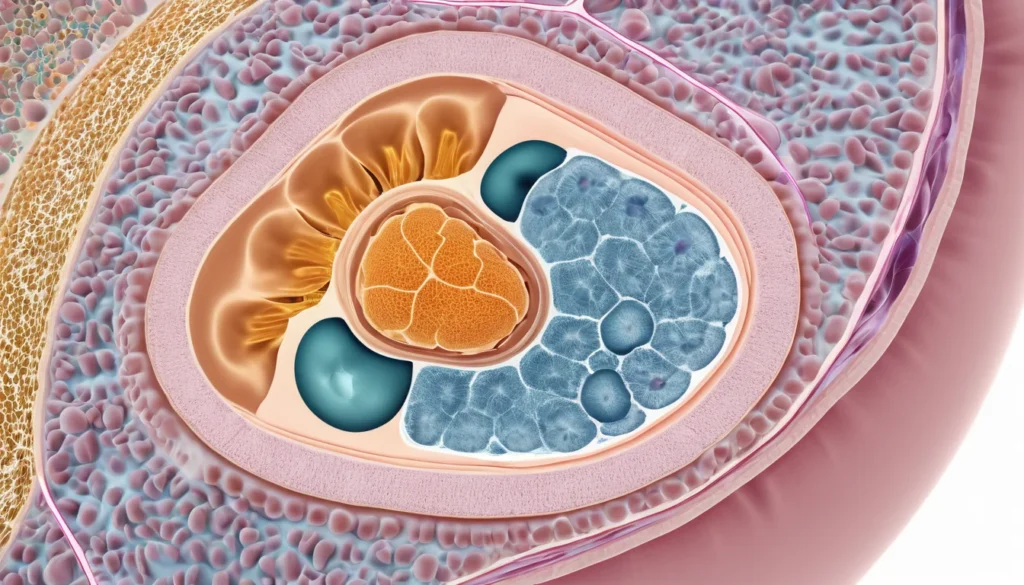
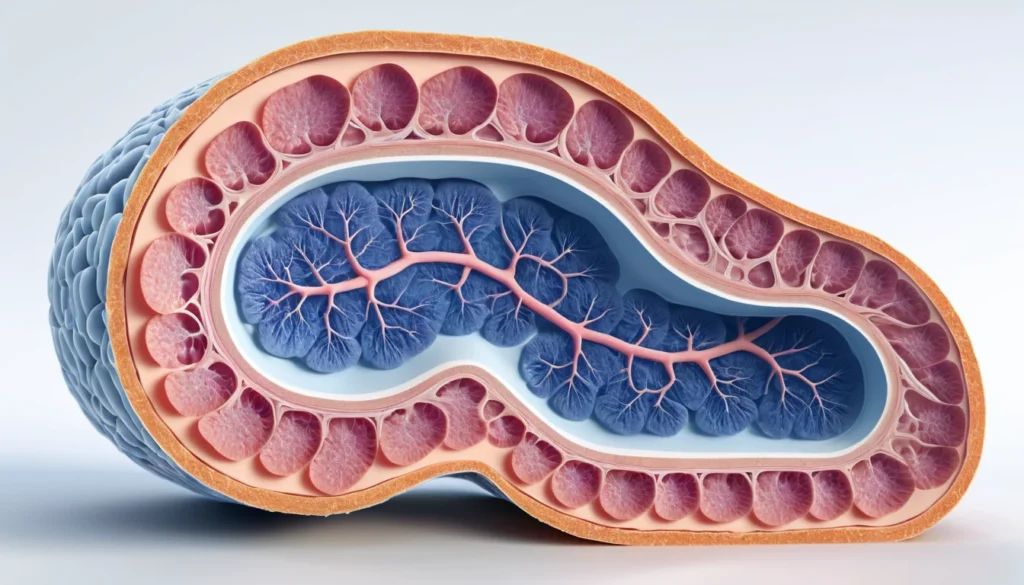
Nephrosclerosis — also called renal sclerosis or nephroangiosclerosis — refers to the hardening and thickening of the small arteries and arterioles inside the kidneys. These tiny blood vessels are responsible for filtering your blood and producing urine. When they stiffen, the kidneys gradually lose their ability to do this job properly.
Doctors often divide nephrosclerosis into two forms: benign and malignant. Benign nephrosclerosis develops slowly, usually over many years. Malignant nephrosclerosis progresses much faster and is more severe. It can involve neurological symptoms and is more common in men over 40 and in people who smoke.
According to Health Canada, chronic kidney disease affects roughly 1 in 10 Canadians, and many do not know they have it until significant damage has already occurred.
Types of Nephrosclerosis
There are several types of nephrosclerosis, each with a different underlying cause. Understanding the type helps your doctor choose the best treatment plan.
Hypertensive Nephrosclerosis
This is the most common type. It develops in people who have had uncontrolled high blood pressure for many years. The constant pressure damages and stiffens the kidney arteries, slowly reducing the kidneys’ filtering ability.
Diabetic Nephrosclerosis
In people with poorly managed diabetes, high blood sugar gradually destroys small blood vessels throughout the body — including those in the kidneys. This makes diabetic nephrosclerosis a common and serious complication of type 2 diabetes.
Atheroembolic Kidney Disease
This type occurs when fragments of fatty plaque break off from artery walls and travel to the kidney arteries. These fragments narrow and stiffen the arteries, reducing the kidneys’ filtering rate. It is often seen in people with advanced atherosclerosis (hardening of the arteries).
Focal Segmental Glomerulosclerosis
In this condition, only certain sections of the kidneys develop scarring. The scarred areas lose their function over time, while healthy sections continue to work. However, the progressive nature of this condition means kidney function can decline significantly without proper treatment.
Chronic Pyelonephritis
Repeated or long-lasting kidney infections can inflame kidney tissue and damage the blood vessels inside. Over time, this inflammation leads to scarring and reduced kidney function. People with recurrent urinary tract infections (UTIs) are at higher risk for this type.
Causes and Risk Factors
Nephrosclerosis most often develops as a complication of another underlying health condition. The most common causes are uncontrolled high blood pressure and poorly managed diabetes. Both conditions damage blood vessels throughout the body, and the kidneys are especially vulnerable.
Additional risk factors include:
Chronic glomerulonephritis (long-term kidney inflammation)
Recurring urinary tract infections
Obesity
Smoking
Heart disease
A family history of kidney disease
Long-term use of non-steroidal anti-inflammatory drugs (NSAIDs), such as ibuprofen or naproxen
Being male and over the age of 40
For more information on kidney disease risk factors, visit the Mayo Clinic’s guide to chronic kidney disease.
Signs and Symptoms of Nephrosclerosis
One of the challenges with nephrosclerosis is that it often causes few or no symptoms in its early stages. Many people do not notice anything wrong until the kidneys are already significantly damaged. However, as the condition progresses, symptoms become more noticeable.
Common symptoms include:
High blood pressure that is difficult to control
Swelling in the legs, ankles, hands, or face (caused by fluid retention)
Changes in urination — urinating more or less than usual, or noticing foamy or discoloured urine
Fatigue and general weakness
Loss of appetite
Skin itching (caused by waste building up in the blood)
Nausea and vomiting
In malignant nephrosclerosis, symptoms are more severe and come on quickly. These can include blurred vision, severe headaches, swelling behind the eyes (papilloedema), acute heart failure, and neurological decline. This form requires emergency medical care.
How Is Nephrosclerosis Diagnosed?
If your doctor suspects nephrosclerosis or another kidney condition, they will order a series of tests to confirm the diagnosis. Early detection gives the best chance of slowing the disease’s progression.
Blood and Urine Tests
Kidney function tests measure levels of creatinine, urea, and other markers in the blood. Abnormal levels suggest that the kidneys are not filtering properly. A urine test checks for protein, red blood cells, and electrolytes — all of which can point toward nephrosclerosis when found in abnormal amounts.
Imaging Tests
A CT scan or MRI of the abdomen can reveal scarred or shrunken areas in the kidneys. These images help your doctor assess the extent of the damage. An abdominal ultrasound is also commonly used and is often the first imaging test ordered.
Kidney Biopsy
In some cases, your doctor may recommend a kidney biopsy. This involves removing a very small piece of kidney tissue for examination under a microscope. However, because a biopsy carries a risk of bleeding, doctors only recommend it when other tests are not enough to make a clear diagnosis.
Cardiac Assessment
Because nephrosclerosis is closely linked to heart disease and high blood pressure, your doctor may also refer you for a cardiology consultation. Treating both the kidneys and the cardiovascular system together leads to better outcomes.
Treatment and Management
There is no cure for nephrosclerosis, but treatment can slow its progression and manage symptoms effectively. The main goals are to control blood pressure, manage the underlying cause, and protect remaining kidney function.
Treatment options typically include:
Blood pressure medications — ACE inhibitors and ARBs are commonly prescribed. These drugs lower blood pressure and also have a protective effect on the kidneys.
Blood sugar control — For people with diabetes, keeping blood glucose levels within a healthy range is essential to prevent further kidney damage.
Cholesterol-lowering medications — Statins help reduce the buildup of fatty plaques in the arteries.
Diuretics — These help the body remove excess fluid and reduce swelling.
Dialysis or kidney transplant — In advanced cases where the kidneys have failed, dialysis or a transplant may be necessary. Your provincial health plan covers dialysis as a medically necessary treatment.
Lifestyle changes also play a major role in managing nephrosclerosis. Quitting smoking, reducing alcohol intake, following a low-sodium diet, exercising regularly, and maintaining a healthy weight all help protect the kidneys. Learn more about protecting your kidney health at Healthline’s kidney health resource centre.
Prevention
Because nephrosclerosis is often a complication of other conditions, the best prevention is managing those underlying conditions well. Keeping blood pressure and blood sugar under control are the two most important steps you can take.
Other important prevention strategies include:
Quitting smoking — smoking directly damages blood vessels, including those in the kidneys
Limiting alcohol consumption
Eating a balanced diet rich in fibre, fruits, and vegetables
Exercising for at least 150 minutes per week, as recommended by Canadian physical activity guidelines
Maintaining a healthy cholesterol level
Avoiding long-term overuse of NSAIDs like ibuprofen without medical supervision
Attending regular check-ups with your family doctor to monitor kidney function
Complications of Untreated Nephrosclerosis
Without proper treatment, nephrosclerosis can lead to serious and life-threatening complications. The most significant is kidney failure, where the kidneys can no longer filter waste from the blood at all.
Other complications include:
Proteinuria — protein leaking into the urine, which causes fluid retention and swelling
Severe high blood pressure — kidney damage makes blood pressure harder to control, creating a dangerous cycle
Anaemia — damaged kidneys produce less erythropoietin, a hormone needed to make red blood cells, leading to fatigue, weakness, and a higher risk of infection
Heart attack and stroke — uncontrolled high blood pressure linked to kidney disease significantly raises the risk of cardiovascular events
Fluid overload — the body retains too much fluid, stressing the heart and lungs
These complications highlight why early diagnosis and consistent management of nephrosclerosis are so important.
When to See a Doctor
You should speak with your family doctor if you notice any of the symptoms listed above, especially swelling, changes in urination, or blood pressure that is hard to control. If you do not have a family doctor, a walk-in clinic can assess your symptoms, order initial blood and urine tests, and refer you to a kidney specialist (nephrologist) if needed.
Seek emergency care immediately if you experience sudden severe headaches, blurred vision, confusion, or chest pain alongside any of the symptoms above. These may be signs of malignant nephrosclerosis or another serious cardiovascular event.
Regular check-ups with your doctor are the best way to catch kidney problems early — before permanent damage occurs. If you have diabetes or high blood pressure, make sure your doctor checks your kidney function at least once a year. Always consult your doctor or a qualified healthcare provider before making changes to your treatment plan or lifestyle based on health information you read online.
Frequently Asked Questions About Nephrosclerosis
What is nephrosclerosis and is it serious?
Nephrosclerosis is a chronic kidney condition where the small arteries inside the kidneys harden and scar, reducing their ability to filter blood. It can be serious, especially if left untreated, as it may progress to kidney failure, heart disease, or stroke. Early detection and management of risk factors like high blood pressure and diabetes can significantly slow its progression.
What is the difference between benign and malignant nephrosclerosis?
Benign nephrosclerosis develops slowly over many years and is usually linked to long-term high blood pressure. Malignant nephrosclerosis progresses rapidly and includes severe symptoms such as neurological changes, vision problems, and acute heart failure. Malignant nephrosclerosis requires urgent medical treatment and is more common in men over 40 who smoke.
Can nephrosclerosis be reversed or cured?
There is currently no cure for nephrosclerosis, and kidney scarring that has already occurred cannot be reversed. However, treatment can slow the progression of the disease and protect the remaining kidney function. Controlling blood pressure, managing diabetes, and making healthy lifestyle changes are the most effective strategies.
What causes nephrosclerosis?
The most common causes of nephrosclerosis are long-term uncontrolled high blood pressure and poorly managed diabetes, both of which damage the small blood vessels in the kidneys. Other contributing factors include smoking, obesity, chronic kidney infections, a family history of kidney disease, and long-term use of anti-inflammatory medications like ibuprofen.
How is nephrosclerosis diagnosed in Canada?
In Canada, a family doctor or specialist will typically order blood tests, urine tests, and imaging such as an ultrasound, CT scan, or MRI to diagnose nephrosclerosis. In some cases, a kidney biopsy may be recommended. These tests are covered under provincial health plans when deemed medically necessary.
What are the early warning signs of nephrosclerosis?
Early nephrosclerosis often causes no obvious symptoms, which is why it can go undetected for years. As the condition progresses, early warning signs may include high blood pressure that is hard to control, mild swelling in the legs or ankles, fatigue, and small changes in urination. Regular kidney function tests through your doctor are the best way to catch it early.
Key Takeaways
Nephrosclerosis is a chronic kidney condition caused by the hardening of small kidney arteries, often due to high blood pressure or diabetes. There are two main forms: benign (slow-developing) and malignant (fast-progressing and severe). Common symptoms include swelling, changes in urination, fatigue, high blood pressure, and skin itching — but early stages may have no symptoms at