Nasal cancer is a rare but serious condition that develops inside the nose — either near the nostrils or deeper in the nasal cavity. It accounts for less than 2% of all respiratory tract tumours. Because early symptoms can look like a common cold or sinus infection, many people don’t seek help right away. This article explains what nasal cancer is, what causes it, how it’s diagnosed, and what treatment in Canada typically looks like.
What Is Nasal Cancer?
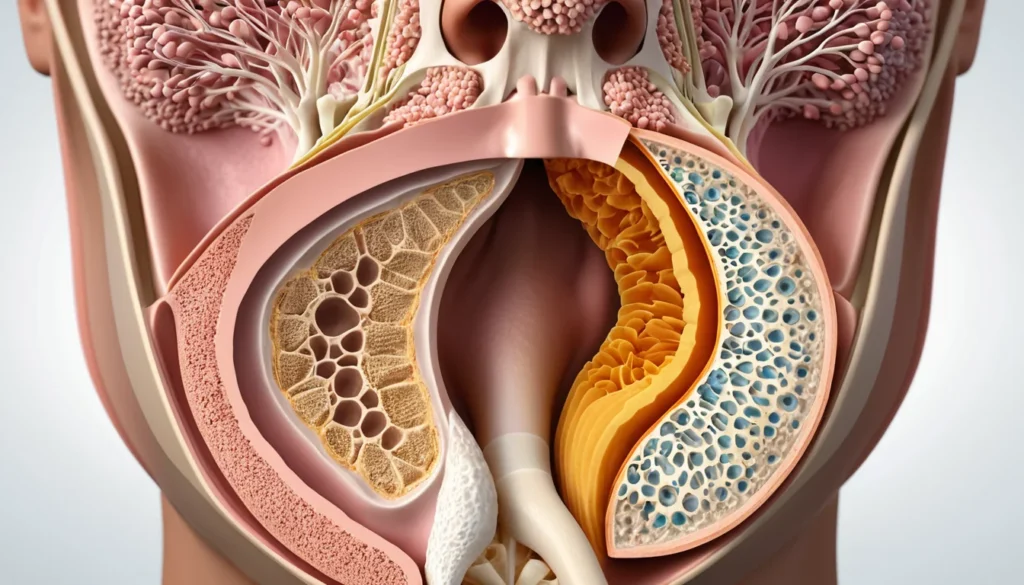
Nasal cancer refers to any cancer that starts inside the nose. This includes the nasal vestibule — the area just inside the nostrils — and the nasal cavity, which is the deeper internal space.
Several different types of cancer can develop in this area. The type of cancer present affects both the treatment plan and the chances of recovery. The most common types include:
Squamous cell carcinoma — the most common type, arising from skin-like cells inside the nose
Adenocarcinoma — cancer that starts in glandular tissue
Melanoma — cancer of pigment-producing cells
Sarcoma — cancer of connective tissue
Lymphoma — cancer of immune system cells
Papilloma — a type of tumour that can become cancerous
Because nasal cancer is so rare, it is important to get a proper diagnosis from a specialist. Your family doctor is a good first point of contact if you notice ongoing nasal symptoms. For more general information, Health Canada provides reliable guidance on cancer and health services across the country.
Causes and Risk Factors of Nasal Cancer
All cancers begin when genetic mutations cause cells to grow and divide in an uncontrolled way. These mutations can happen naturally, be inherited, or be triggered by environmental exposures. In nasal cancer, several risk factors have been clearly identified.
Tobacco Use
Using tobacco products is strongly linked to nasal cancer. Both squamous cell carcinoma and adenocarcinoma have been connected to smoking and other forms of tobacco use. If you smoke, quitting is one of the most important steps you can take to lower your cancer risk.
Workplace Chemical Exposure
Long-term exposure to certain substances at work raises nasal cancer risk significantly. Workers in industries involving wood dust, leather, wool, paint manufacturing, or chemical processing may face higher risk. Specific substances linked to nasal cancer include:
Nickel
Chromium compounds
Formaldehyde
Nitrosamines
Dioxane
If you work in one of these industries, speak to your family doctor or occupational health provider about monitoring your health over time.
Viral Infections
Some rarer forms of nasal cancer are linked to viral infections. The Epstein-Barr virus and human papillomavirus (HPV) have both been associated with certain types. These are less common causes, but they are worth knowing about.
Genetic Factors
In some cases, genetics play a role. People with a genetic mutation linked to hereditary retinoblastoma — a type of eye cancer — have a higher-than-average risk of developing nasal cancer. This suggests that some underlying genetic changes can increase vulnerability to multiple cancer types.
Recognising the Symptoms of Nasal Cancer
Nasal cancer symptoms are easy to mistake for common conditions like a cold or chronic sinus problems. However, if symptoms persist for more than a few weeks without improvement, it is important to get checked out.
Early Symptoms
Early-stage nasal cancer often causes symptoms that feel like a stubborn head cold. These include:
A blocked or stuffy nose that doesn’t clear up
Persistent nasal discharge (runny nose)
Repeated nosebleeds
These symptoms are common and usually caused by minor issues. However, when they last longer than two to three weeks without explanation, your doctor needs to know.
Advanced Symptoms
If nasal cancer grows and spreads to nearby tissues — such as the eye socket or the base of the skull — additional symptoms can appear. These include:
Double vision
Bulging of one eye (exophthalmos)
Swelling on the face or around the eye
Loose teeth or dental pain
Frequent headaches
In advanced stages, nasal cancer can also cause fatigue, unintended weight loss, loss of appetite, and fever. These are signs that the body is under significant stress and require urgent medical attention.
How Is Nasal Cancer Diagnosed?
A firm diagnosis of nasal cancer requires more than a physical exam. Your doctor will use several tools to confirm what is happening inside the nose and how far any tumour may have spread.
Endoscopy and Biopsy
When unexplained symptoms bring a patient to their doctor, an endoscopic examination is often the first step. A thin, flexible camera is passed into the nasal cavity to look for any abnormal tissue. If something suspicious is found, a biopsy is performed. This means a small sample of tissue is removed and examined under a microscope to identify the type of cells present. A biopsy is the only way to confirm a nasal cancer diagnosis with certainty.
Imaging Tests
After a cancer diagnosis is confirmed, imaging tests help the medical team understand the size of the tumour and whether it has spread. Common imaging methods include:
X-rays — a basic first look at nasal structures
CT scan (computed tomography) — provides detailed cross-sectional images
MRI (magnetic resonance imaging) — shows soft tissue detail clearly
Because surgery for nasal cancer involves a very small and complex space, precise imaging is essential. Most nasal cancers are diagnosed at an advanced stage, which makes careful pre-surgical planning even more important. In some cases, a surgical exploration is done first to evaluate the tumour before a full treatment plan is finalised.
For a detailed look at how imaging is used in cancer diagnosis, the Mayo Clinic explains the cancer diagnosis and staging process clearly.
Staging: Understanding How Far the Cancer Has Spread
Staging is the process of determining how advanced a cancer is. This is one of the most important steps in building a treatment plan. Nasal cancer staging looks at the original tumour, nearby lymph nodes, and whether the cancer has spread to other parts of the body.
Cancer often spreads through the bloodstream or lymphatic system. The lymph nodes near the nose are usually the first place that cancer cells travel to. Common sites for nasal cancer to spread further — a process called metastasis — include the lungs, liver, and bones.
Knowing the stage helps the medical team predict outcomes and choose the most effective treatments. Earlier-stage cancers generally have better outcomes, which is why early detection matters so much.
Treatment: The Care Team Approach
Treating nasal cancer in Canada typically involves a team of specialists working together. This multidisciplinary approach ensures that every aspect of a patient’s care is addressed — from the cancer itself to the emotional and physical effects of treatment.
Who Is Involved in Treatment?
A nasal cancer care team may include:
Your family doctor — coordinates referrals and ongoing care
ENT specialist (ear, nose, and throat doctor) — evaluates and may perform surgery
Oncologist — oversees chemotherapy or other cancer-focused treatments
Radiation oncologist and dosimetrist — plan and deliver radiation therapy
Pathologist — analyses tissue samples from the biopsy
Nurse navigator — helps guide patients through the system
Plastic surgeon — may be involved to achieve the best cosmetic result after tumour removal
Psychologist, social worker, and dietitian — support overall wellbeing during treatment
In cases where surgery involves removing the eye, specialists in ocular prosthetics are also part of the team. Canadian provincial health plans typically cover these specialist services when referred through your family doctor or cancer centre.
Treatment Options
Treatment depends on the type and stage of nasal cancer. Common approaches include surgery to remove the tumour, radiation therapy, and chemotherapy. These treatments are often used in combination. Your oncology team will explain the plan that makes the most sense for your specific situation.
Furthermore, the World Health Organization outlines global standards for cancer care and treatment, which Canadian guidelines closely follow.
When to See a Doctor
You should see your family doctor if you have a blocked nose, repeated nosebleeds, or nasal discharge that has lasted more than two to three weeks without a clear cause. Don’t wait to see if it goes away on its own — these symptoms can be innocent, but they deserve a proper check.
If you don’t have a family doctor, a walk-in clinic is a good starting point. The clinic doctor can assess your symptoms and refer you to an ENT specialist if needed. Provincial health plans across Canada cover these referrals, so cost should not be a barrier to getting checked.
If you experience any sudden vision changes, facial swelling, or unexplained weight loss alongside nasal symptoms, seek care promptly. These could be signs that something more serious needs attention right away.
Always speak with a qualified healthcare provider before drawing any conclusions about your health. Only a doctor can properly evaluate your symptoms and recommend the right next steps.
Frequently Asked Questions About Nasal Cancer
Is nasal cancer curable?
Nasal cancer can be treated, and some patients do achieve full remission, particularly when the cancer is caught early. The outlook depends on the type of nasal cancer, its stage at diagnosis, and how well it responds to treatment. Your oncology team will give you the most accurate picture based on your individual case.
What are the early warning signs of nasal cancer?
Early signs of nasal cancer include a persistently blocked nose, repeated nosebleeds, and ongoing nasal discharge that doesn’t improve. These symptoms are also common with colds and sinus infections, but if they last more than two to three weeks, it’s worth speaking to your doctor. Early detection generally leads to better outcomes.
How rare is nasal cancer?
Nasal cancer is very rare, making up less than 2% of all tumours found in the respiratory tract. Because it is uncommon, it is sometimes misdiagnosed at first as a chronic sinus condition or allergies. If symptoms persist without explanation, ask your doctor specifically about nasal cancer screening or specialist referral.
What causes nasal cancer?
Nasal cancer is caused by genetic mutations in cells that control growth and division. Risk factors include tobacco use, long-term workplace exposure to chemicals like formaldehyde and nickel, certain viral infections such as HPV and Epstein-Barr virus, and inherited genetic conditions. Reducing known risk factors — especially quitting smoking — can help lower your overall risk.
Can a walk-in clinic diagnose nasal cancer in Canada?
A walk-in clinic doctor cannot diagnose nasal cancer directly, but they can evaluate your symptoms and refer you to an ENT specialist for further investigation. A confirmed diagnosis of nasal cancer requires an endoscopy and a biopsy, which are performed by specialists. Most provincial health plans in Canada cover these procedures when ordered through a proper referral.
Does nasal cancer spread to other parts of the body?
Yes, like other cancers, nasal cancer can spread — a process called metastasis — through the lymphatic system or bloodstream. The most common sites where nasal cancer spreads are the lungs, liver, and bones. This is why staging is a critical part of the diagnosis process, helping doctors understand the full extent of the disease before starting treatment.
Key Takeaways
Nasal cancer is rare, accounting for less than 2% of respiratory tract tumours.
The most common types are squamous cell carcinoma and adenocarcinoma.
Key risk factors include tobacco use, workplace chemical exposure, certain viral infections, and inherited genetic mutations.
Early symptoms — blocked nose, nosebleeds, persistent discharge — can mimic a cold or sinus infection.
Diagnosis requires an endoscopy and a biopsy, often followed by CT or MRI imaging.
Treatment involves a multidisciplinary team and may include surgery, radiation, and chemotherapy.
If nasal symptoms last more than two to three weeks without explanation, see your family doctor or visit a walk-in clinic.
Canadian provincial health plans cover specialist referrals and diagnostic procedures — don’t let cost stop you from seeking care.