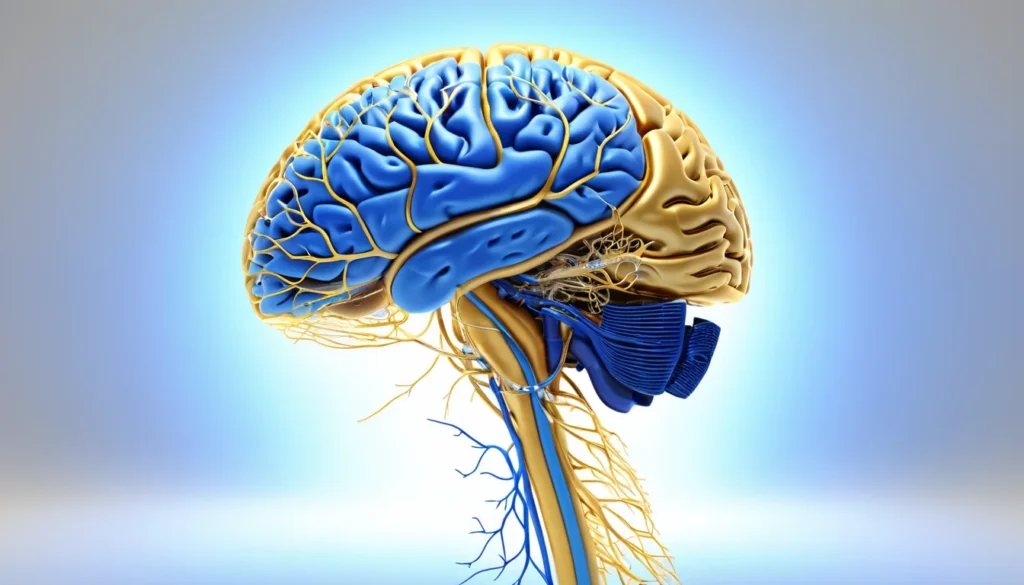
Narcotic drugs are chemical substances — prescription or otherwise — that act directly on the nervous system to reduce pain, relax muscles, and cause drowsiness. In high enough doses, they can lead to a complete loss of sensation, similar to anaesthesia. Understanding what narcotic drugs are, how they work, and why they carry serious risks is important for every Canadian — whether you take prescription pain medication or simply want to stay informed about controlled substances in Canada.
What Are Narcotic Drugs?
The term “narcotic” comes from the Greek word for numbness. Narcotic drugs are substances that slow down the central nervous system. They reduce the brain’s ability to send and receive pain signals.
In everyday language, people often use “narcotic” and “opioid” interchangeably. However, the two terms are not always the same. Legally, in Canada, “narcotic” refers to a broader category of controlled substances regulated under the Controlled Drugs and Substances Act.
Some narcotic drugs are legitimate medicines prescribed by doctors. Others are illegal street drugs. Both types carry risks, and both affect the brain and body in powerful ways.
How Narcotic Drugs Affect the Body and Brain
Narcotic drugs work by attaching to specific receptors in the brain, spinal cord, and other organs. These receptors are called opioid receptors. When a narcotic binds to them, it blocks pain signals and releases a flood of dopamine — the brain’s “feel good” chemical.
This is why narcotic drugs are effective for managing severe pain. It is also why they carry a high risk of dependence. The brain quickly learns to associate the drug with pleasure and relief.
Short-Term Effects
When someone takes a narcotic drug, the effects can appear within minutes. These short-term effects include:
Drowsiness and sedation
Muscle relaxation
Reduced sensitivity to pain
Slowed breathing
Nausea or vomiting
Constipation
Confusion or difficulty thinking clearly
In very high doses, narcotic drugs can slow breathing to a dangerous level. This is known as respiratory depression and is the main cause of fatal overdose.
Long-Term Effects
Long-term use of narcotic drugs changes the brain’s chemistry. Over time, the brain stops producing its own natural pain-relieving chemicals. As a result, the person needs the drug just to feel normal.
Furthermore, the body builds tolerance. This means higher and higher doses are needed to achieve the same effect. Long-term effects may also include:
Hormonal imbalances
Weakened immune system
Chronic constipation
Sleep disturbances
Depression and anxiety
Memory and concentration problems
Common Types of Narcotic Drugs Used in Canada
In Canada, narcotic drugs fall into two broad categories: those used medically under prescription, and those that are illegal. Understanding the difference helps Canadians make informed decisions about their health.
Prescription Narcotic Drugs
Doctors in Canada prescribe narcotic drugs mainly to manage moderate to severe pain. These are known as opioid analgesics. Common examples include:
Morphine — one of the oldest and most widely used narcotic pain relievers
Codeine — often found in combination cough and pain medicines
Oxycodone — sold under brand names like OxyContin and Percocet
Hydromorphone — known as Dilaudid, used for severe pain
Fentanyl — an extremely potent synthetic opioid used in patches or injections
Methadone — also used in opioid dependence treatment programmes
Some narcotic drugs are also used as sleeping aids (hypnotics) or anti-anxiety medications (anxiolytics). In all cases, these medications are tightly controlled under Canadian law.
For more details on how opioids are regulated in Canada, visit Health Canada’s opioid information page.
Illegal Narcotic Substances
Some substances with narcotic properties are not approved for medical use in Canada. These include heroin (diacetylmorphine) and illicitly produced fentanyl. Street drugs sold as one substance may be contaminated with fentanyl, dramatically increasing the risk of overdose.
Canada’s opioid crisis has been largely driven by the presence of illicit fentanyl in the drug supply. This has made even occasional recreational drug use extremely dangerous.
Narcotic Drugs, Dependence, and the Opioid Crisis in Canada
Canada is currently facing one of the most serious drug crises in its history. Narcotic drugs — especially opioids — are at the centre of this public health emergency. According to the Public Health Agency of Canada, thousands of Canadians die each year from opioid-related overdoses.
Drug dependence related to narcotic use can happen to anyone. It does not discriminate by age, income, or background. Many Canadians become dependent on narcotic drugs after a legitimate prescription for pain management following surgery or injury.
Understanding Drug Dependence
Drug dependence (also called pharmacodependence or substance use disorder) means the body and brain have adapted to the presence of a drug. Without it, withdrawal symptoms appear. These can include:
Intense cravings
Sweating and chills
Muscle aches and cramps
Insomnia
Anxiety and irritability
Nausea, vomiting, and diarrhoea
Dependence is not a moral failing. It is a medical condition. Most provincial health plans in Canada cover treatment programmes for opioid use disorder. However, access can vary depending on where you live.
For more information on opioid dependence and treatment, the World Health Organization’s opioid overdose fact sheet is an excellent resource.
Narcotic Regulation in Canada
In Canada, narcotic drugs are regulated under the Controlled Drugs and Substances Act. This law controls how these substances are made, sold, distributed, and prescribed. Health Canada oversees enforcement and policy.
Pharmacies and prescribers must follow strict rules. For example, certain narcotics require a special triplicate prescription. Patients cannot simply refill them at will. These measures aim to reduce misuse while ensuring people who need pain relief can still access it.
Safe Use of Prescription Narcotic Drugs
If your doctor or healthcare provider has prescribed a narcotic drug, there are important steps you should follow to use it safely. Taking these medications carelessly — even when prescribed — can lead to serious harm.
Tips for Taking Narcotic Medications Safely
Take only the prescribed dose. Never take more than your doctor has recommended.
Do not share your medication. Narcotics prescribed for you are not safe for others.
Avoid alcohol. Mixing alcohol with narcotic drugs greatly increases the risk of respiratory depression.
Store them securely. Keep narcotic medications locked away from children and other household members.
Dispose of unused medication properly. Many pharmacies across Canada accept unused prescription drugs for safe disposal.
Tell your doctor about all other medications you take. Some drugs interact dangerously with narcotics.
In addition, never stop taking a narcotic drug suddenly without speaking to your doctor first. Stopping abruptly can trigger severe withdrawal symptoms. Your doctor can help you taper off safely.
The Mayo Clinic’s guide to prescription drug misuse offers helpful advice for patients and families.
Naloxone: A Life-Saving Tool
Naloxone is a medication that rapidly reverses an opioid overdose. It is available without a prescription at most Canadian pharmacies. If someone in your household uses narcotic drugs — whether by prescription or otherwise — having naloxone on hand can save their life.
Many provincial health programmes offer naloxone kits for free. Contact your local pharmacy or public health unit to find out what is available in your province.
When to See a Doctor
If you or someone you care about is using narcotic drugs, knowing when to reach out for help is essential. You should not wait until a crisis happens.
Speak with your family doctor right away if you notice any of the following:
You feel you need more medication than prescribed to manage your pain
You experience strong cravings for a narcotic drug
You have tried to cut back but cannot
Your use of narcotic drugs is affecting your work, relationships, or daily life
You are experiencing withdrawal symptoms when you do not take the medication
You are using someone else’s prescription narcotics
If you do not have a family doctor, a walk-in clinic can be a good starting point. Many walk-in clinics can refer you to addiction medicine specialists or provincial treatment programmes. In an emergency — such as a suspected overdose — call 911 immediately.
Remember: seeking help is a sign of strength, not weakness. Most provincial health plans cover assessment and treatment for opioid use disorder. You do not have to face this alone.
Frequently Asked Questions About Narcotic Drugs
What is the difference between narcotic drugs and opioids?
In medicine, opioids are a specific class of drugs that bind to opioid receptors in the brain and body. Narcotic drugs is a broader legal and regulatory term used in Canadian law to describe controlled substances that affect the nervous system and carry a risk of dependence. In practice, many people use the two terms interchangeably, though they are not always identical.
Are narcotic drugs always illegal?
No — many narcotic drugs are legal prescription medications used to treat pain, anxiety, and sleep disorders. However, they are tightly controlled in Canada under the Controlled Drugs and Substances Act. Using them without a prescription, or in ways not directed by a doctor, is illegal and dangerous.
Can you become addicted to prescription narcotic drugs?
Yes. Even when taken exactly as prescribed, narcotic drugs carry a real risk of physical dependence and addiction. The risk increases with higher doses and longer duration of use. Always follow your doctor’s instructions carefully and discuss any concerns about dependence openly with your healthcare provider.
What should I do if I think someone is overdosing on narcotic drugs?
Call 911 immediately. If you have naloxone available, administer it right away — it can reverse the effects of a narcotic drug overdose within minutes. Stay with the person until emergency services arrive, and place them in the recovery position if they are unconscious but breathing.
Does my provincial health plan cover treatment for narcotic drug dependence?
In most Canadian provinces, treatment for opioid and narcotic drug dependence is covered under provincial health plans. This may include medications like methadone or buprenorphine, as well as counselling and support programmes. Coverage and availability vary by province, so speak with your family doctor or a walk-in clinic for local options.
Where can I safely dispose of unused narcotic drugs in Canada?
Most Canadian pharmacies accept unused or expired narcotic drugs for safe disposal through the MedReturn or similar programmes. Never flush medications down the toilet or throw them in the trash, as this can harm the environment. Ask your local pharmacist about the safest disposal option in your area.
Key Takeaways
Narcotic drugs are substances that act on the nervous system to reduce pain, relax muscles, and cause sedation.
They include both legal prescription medications (like morphine, codeine, and fentanyl) and illegal substances.
In Canada, narcotic drugs are regulated under the Controlled Drugs and Substances Act and overseen by Health Canada.
Even prescription narcotic drugs carry a risk of dependence, tolerance, and overdose.
Canada’s opioid crisis is an ongoing public health emergency — illegal fentanyl in the drug supply has made street drug use especially deadly.
Naloxone is available free or at low cost at most Canadian pharmacies and can reverse an opioid overdose.
If you are concerned about your use of narcotic drugs, speak with your family doctor or visit a walk-in clinic. Help is available, and most provincial health plans cover treatment.
Always consult a qualified healthcare professional before starting, changing, or stopping any narcotic medication.