Nance-Horan syndrome is a rare genetic disorder that is present from birth. It mainly causes congenital cataracts (clouding of the eye lens) and abnormal tooth development. In some cases, it can also affect a person’s intellectual development. Because it is so rare and sometimes misdiagnosed, many Canadians and their families may not recognize it right away. This article explains what Nance-Horan syndrome is, who it affects, and what treatment options are available.
What Is Nance-Horan Syndrome?
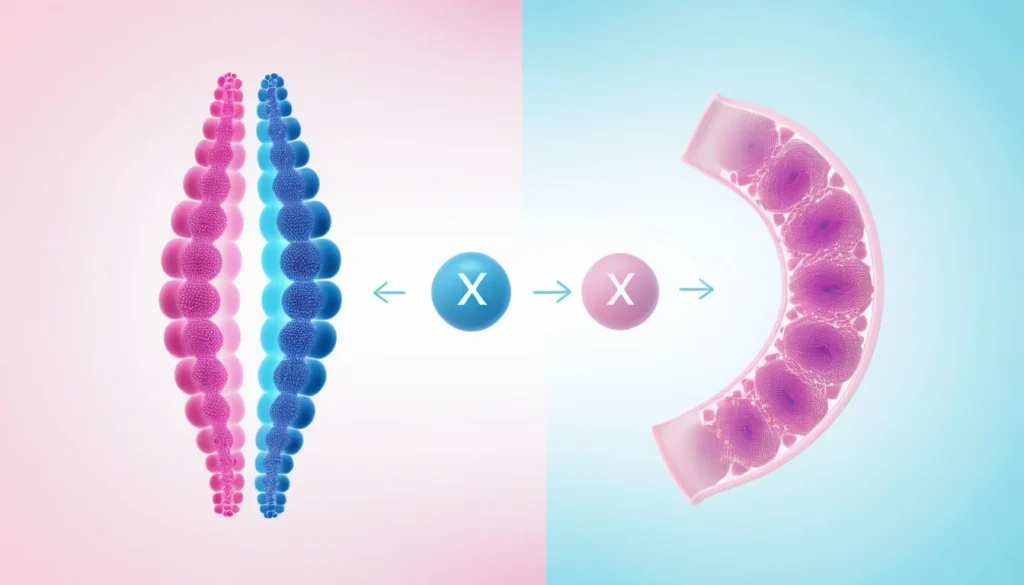
Nance-Horan syndrome is a congenital condition, meaning it is present at birth. It is caused by a change (mutation) in a gene found on the X chromosome. This type of inheritance is called X-linked recessive.
Because of how X-linked conditions work, males are usually more severely affected. Females can carry the gene and show milder signs, but they often do not experience the full condition. However, female carriers should still be aware of possible symptoms.
The exact number of people living with Nance-Horan syndrome is not known. The condition is rare and is sometimes reported incorrectly as a different syndrome. For more on rare genetic disorders, visit Health Canada’s health information resources.
Causes of Nance-Horan Syndrome
Nance-Horan syndrome is caused by a mutation in the NHS gene on the X chromosome. This gene plays a role in the normal development of the eyes, teeth, and brain. When this gene does not work properly, it disrupts how these organs develop before and after birth.
Because the mutation sits on the X chromosome, it follows a specific inheritance pattern. Males have one X chromosome and one Y chromosome. If their single X chromosome carries the faulty gene, they will develop the full syndrome. Females have two X chromosomes, so a working copy on the second chromosome can partially compensate.
In addition, the severity of symptoms can vary greatly. Two males in the same family with the same genetic mutation may still experience different levels of eye or dental problems. This variability makes diagnosis more challenging.
Who Is at Risk?
Males born to female carriers of the NHS gene mutation are at risk. A female carrier has a 50% chance of passing the mutation to each child. Sons who inherit it will likely show symptoms. Daughters who inherit it become carriers and may show mild signs.
Families with a known history of congenital cataracts or unusual dental development should speak to a genetic counsellor. In Canada, genetic counselling services are available through most provincial health plans. Ask your family doctor for a referral.
Symptoms of Nance-Horan Syndrome
The symptoms of Nance-Horan syndrome mainly affect the eyes and teeth. However, some patients also experience facial differences and intellectual challenges. Symptoms can range from mild to severe, even within the same family.
Eye Problems in Males
Males with Nance-Horan syndrome almost always develop congenital cataracts. These cataracts are present at birth, affect both eyes, and are usually dense and severe. In fact, cataracts appear in nearly 100% of affected males.
In addition, about 96% of affected males have microcornea, which means the cornea (the clear front surface of the eye) is smaller than normal. Some may also have a smaller eye overall, a condition called microphthalmia.
Furthermore, more than 93% of affected males develop nystagmus. Nystagmus causes rapid, involuntary back-and-forth eye movements. About half of affected males also develop strabismus, which is a misalignment of the eyes (sometimes called “crossed eyes”). Strabismus can often be corrected with surgery.
Even after eye surgery, the outlook for recovering normal vision remains limited. Complications such as glaucoma, retinal detachment, and corneal damage can make recovery difficult. Therefore, early diagnosis and close monitoring are very important. You can learn more about congenital eye conditions at the Mayo Clinic’s overview of cataracts.
Dental Abnormalities
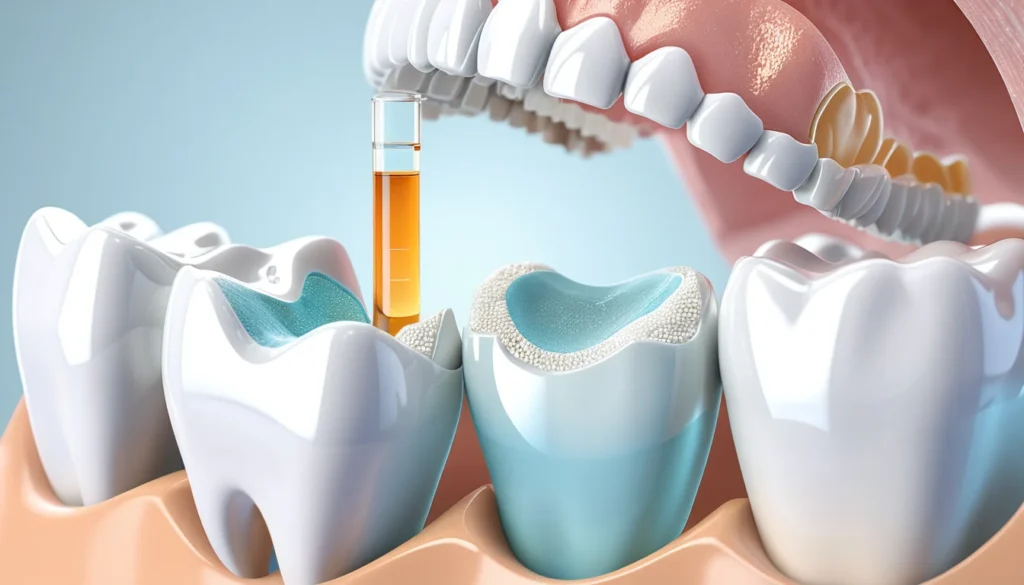
Dental problems appear in all cases of Nance-Horan syndrome and are actually very helpful for diagnosis. Both baby teeth and permanent teeth are affected. The abnormalities are wide-ranging and can affect the shape, size, and position of teeth.
Common dental findings include:
Cone-shaped incisors (front teeth) with a notch along the cutting edge
Enlarged, rounded canine teeth with a three-lobed edge
Smaller-than-normal molars and premolars
Extra teeth (called supernumerary teeth), particularly extra incisors
Missing teeth, including absent canines, premolars, or molars
Teeth in abnormal positions or growing in unusual angles
These dental features can be spotted during a routine dental check-up. In Canada, children typically begin dental visits around age one. A dentist who notices these patterns may refer a child to a specialist or a geneticist for further evaluation.
Facial Features
Some people with Nance-Horan syndrome have distinct facial features. These include a rectangular face shape, a prominent nose, a straight vertical chin, and prominent ears. However, these features can be subtle and are sometimes overlooked, especially in milder cases.
Intellectual Development
About 30% of males with Nance-Horan syndrome experience some degree of intellectual disability. In most of these cases (around 80%), the disability is moderate rather than severe. Importantly, motor development (the ability to move and use muscles) is usually not affected.
Children with intellectual challenges benefit greatly from early intervention programmes. In Canada, many provinces offer developmental support services for children starting in infancy. A paediatrician or family doctor can connect families to these resources.
Symptoms in Female Carriers
Females who carry the Nance-Horan syndrome gene mutation may show milder symptoms. Dental abnormalities are the most common finding in female carriers and are similar to those seen in males, though less severe. In many cases, these dental differences are subtle enough to go unnoticed.
Eye problems can appear in over 90% of female carriers, but they are generally less serious. Microcornea is rare in females, and microphthalmia does not typically occur. Facial differences are also uncommon and difficult to detect in female carriers.
Diagnosis of Nance-Horan Syndrome
Diagnosing Nance-Horan syndrome usually involves a combination of clinical examination and genetic testing. A paediatric ophthalmologist will examine the eyes, while a dentist or oral specialist will assess the teeth. A geneticist can confirm the diagnosis through DNA testing.
Because the condition is rare, it is sometimes misdiagnosed as another syndrome. This is why thorough evaluation by a multidisciplinary team is so important. In Canada, children’s hospitals in major cities have genetics and ophthalmology departments that can assess complex cases.
Genetic testing can also identify female carriers within a family. This information is important for family planning and for monitoring children who may be at risk. Genetic counselling can help families understand what a positive result means for them.
Treatment Options for Nance-Horan Syndrome
There is currently no cure for Nance-Horan syndrome. However, treatment focuses on managing the specific symptoms each person experiences. Early and consistent care can meaningfully improve quality of life.
Eye Treatment
Treating the cataracts is usually the most urgent priority. Surgery to remove the clouded lens is often performed in infancy. However, outcomes can be complicated by secondary conditions such as glaucoma, retinal detachment, and corneal damage.
After surgery, children may need glasses, contact lenses, or patching therapy to help the eyes develop as well as possible. Despite best efforts, full restoration of normal vision is rarely achieved. Therefore, families should work closely with a paediatric ophthalmologist to set realistic goals and manage complications.
Dental Treatment
Dental care for people with Nance-Horan syndrome serves two purposes: function and appearance. Properly shaped and positioned teeth are needed for chewing and to protect the inside of the mouth from injury. Unusual tooth shapes can cause cuts or sores inside the mouth over time.
Treatment may include orthodontics, dental prosthetics, or oral surgery depending on the nature of the abnormalities. Cosmetic dental work can also improve self-confidence and social wellbeing. Starting dental care early gives the best results. In Canada, some provinces offer dental benefits for children through provincial health plans, such as the Canadian Dental Care Plan.
Support for Intellectual and Developmental Needs
Children with Nance-Horan syndrome who experience intellectual disability benefit from structured educational support. Special education programmes and developmental therapy can help children reach their potential. Many Canadian schools have inclusion programmes and special education resources available.
Community support services can also help families navigate daily life. Social workers, occupational therapists, and speech-language pathologists are all part of a well-rounded care team. Ask your family doctor or paediatrician for referrals to these services in your province. For general information on supporting children with developmental needs, the World Health Organization offers helpful guidance on rehabilitation and disability.
When to See a Doctor
If you notice that your newborn or young child has cloudy eyes, unusual eye movements, or misaligned eyes, see your family doctor right away. These can be signs of congenital eye conditions that need immediate attention. Early treatment leads to better outcomes.
If your child has unusual tooth shapes or missing teeth at an early age, mention this to your family doctor or dentist. Dental abnormalities combined with eye problems in a young child should prompt a referral to a genetic specialist. You can visit a walk-in clinic if your family doctor is unavailable, but follow up with your regular doctor for specialist referrals.
If there is a known family history of Nance-Horan syndrome or X-linked genetic conditions, speak to your doctor before or during pregnancy. Genetic counselling is available through most provincial health plans and can provide important guidance for your family.
Always consult a qualified healthcare provider for any concerns about your child’s health. This article is for informational purposes only and is not a substitute for professional medical advice.
Frequently Asked Questions About Nance-Horan Syndrome
What is Nance-Horan syndrome?
Nance-Horan syndrome is a rare X-linked genetic disorder present from birth. It primarily causes congenital cataracts and abnormal tooth development. In some cases, it is also associated with intellectual disability and distinctive facial features.
How is Nance-Horan syndrome inherited?
Nance-Horan syndrome follows an X-linked recessive inheritance pattern. It is caused by a mutation in the NHS gene on the X chromosome. Males are typically more severely affected, while females who carry the gene may show only mild symptoms.
Can girls be affected by Nance-Horan syndrome?
Yes, females can be carriers of Nance-Horan syndrome and may show mild symptoms, particularly dental abnormalities and minor eye differences. However, they rarely experience the full severity of the condition seen in males. Female carriers should still be monitored by a doctor.
Is there a cure for Nance-Horan syndrome?
There is currently no cure for Nance-Horan syndrome. Treatment focuses on managing individual symptoms such as cataracts, dental abnormalities, and intellectual challenges. Early intervention and ongoing specialist care can significantly improve a person’s quality of life.
How is Nance-Horan syndrome diagnosed?
Nance-Horan syndrome is diagnosed through a combination of clinical examination and genetic testing. Doctors look for the characteristic pattern of congenital cataracts and dental abnormalities. A geneticist can confirm the diagnosis by identifying the mutation in the NHS gene.
Where can Canadians find support for rare genetic conditions like Nance-Horan syndrome?
Canadians can access support through their family doctor, who can provide referrals to genetics clinics, paediatric ophthalmologists, and developmental specialists. Many provincial health plans cover genetic counselling and specialist visits. Organizations focused on rare diseases in Canada can also connect families with resources and support networks.
Key Takeaways
Nance-Horan syndrome is a rare genetic disorder caused by a mutation on the X chromosome.
It primarily affects males, causing congenital cataracts, dental abnormalities, and sometimes intellectual disability.
Female carriers may show mild dental and eye differences but rarely experience the full condition.
Symptoms vary widely, even among family members with the same genetic mutation.
There is no cure, but early treatment of eye and dental problems can improve quality of life.
Canadians should speak to their family doctor if they notice eye or dental abnormalities in a young child.
Genetic counselling is available through provincial health plans and is recommended for families with a known history of the condition.
A multidisciplinary team — including ophthalmologists, dentists, and developmental specialists — provides the best care for those living with Nance-Horan syndrome.