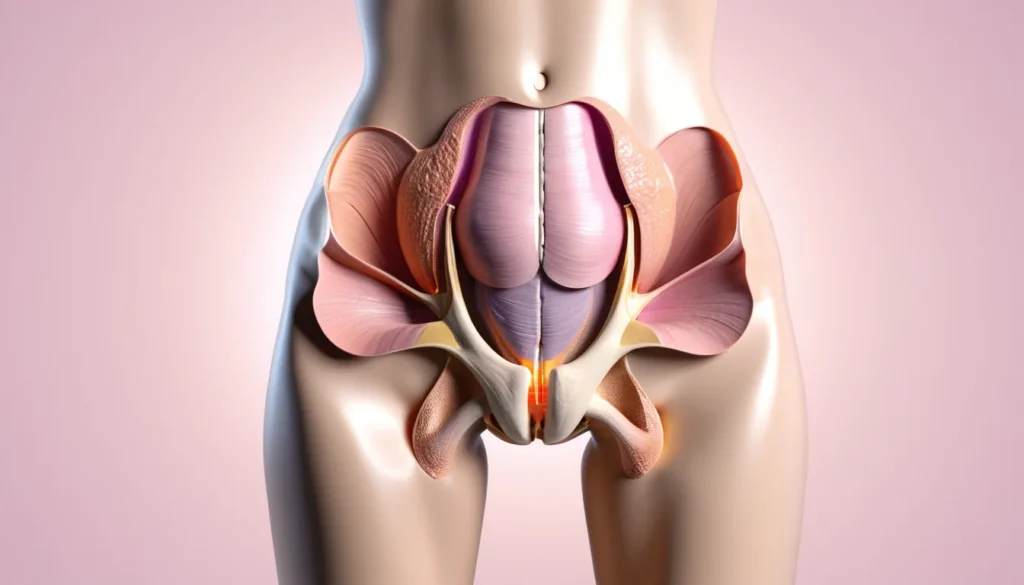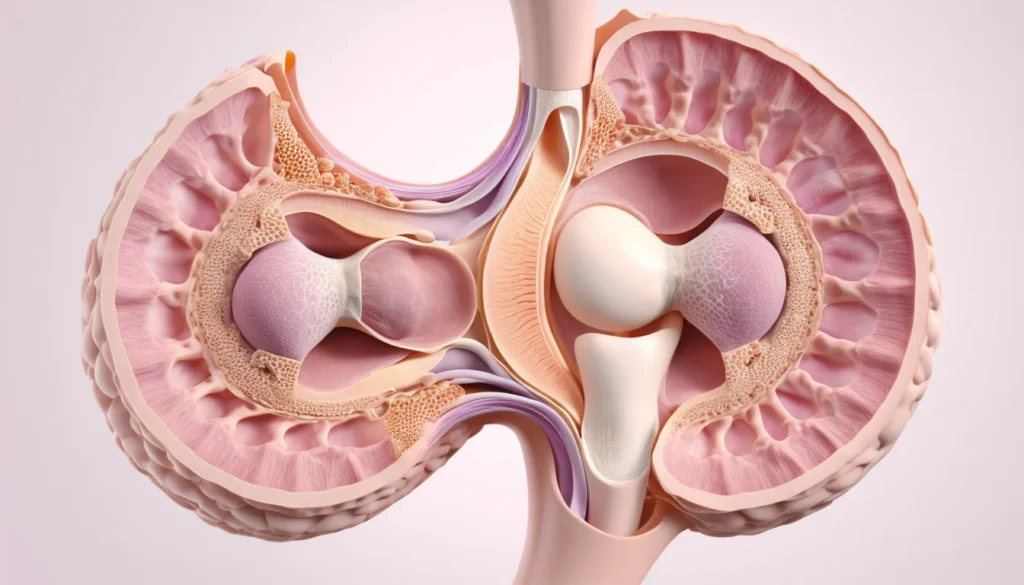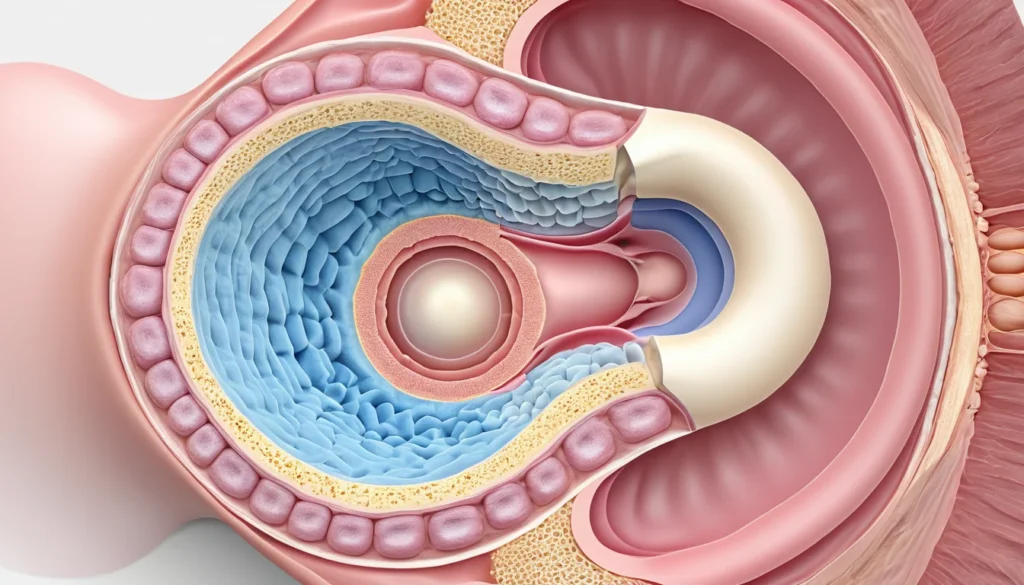
Nabothian cysts are small, fluid-filled bumps that form on the surface of the cervix. They are very common and, in most cases, completely harmless. Many women never even know they have them. This article explains what nabothian cysts are, what causes them, and when you should speak with your doctor or visit a walk-in clinic.
What Are Nabothian Cysts?
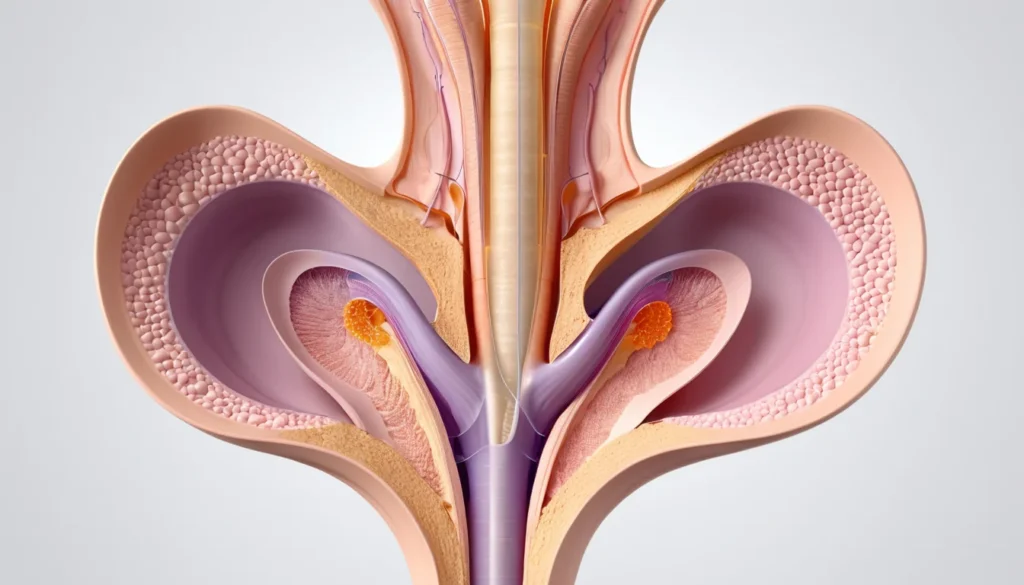
The cervix is the lower part of the uterus. It connects the uterus to the vagina and measures roughly two centimetres long and four centimetres wide. Nabothian cysts are small, smooth bumps that develop on the cervix’s surface.
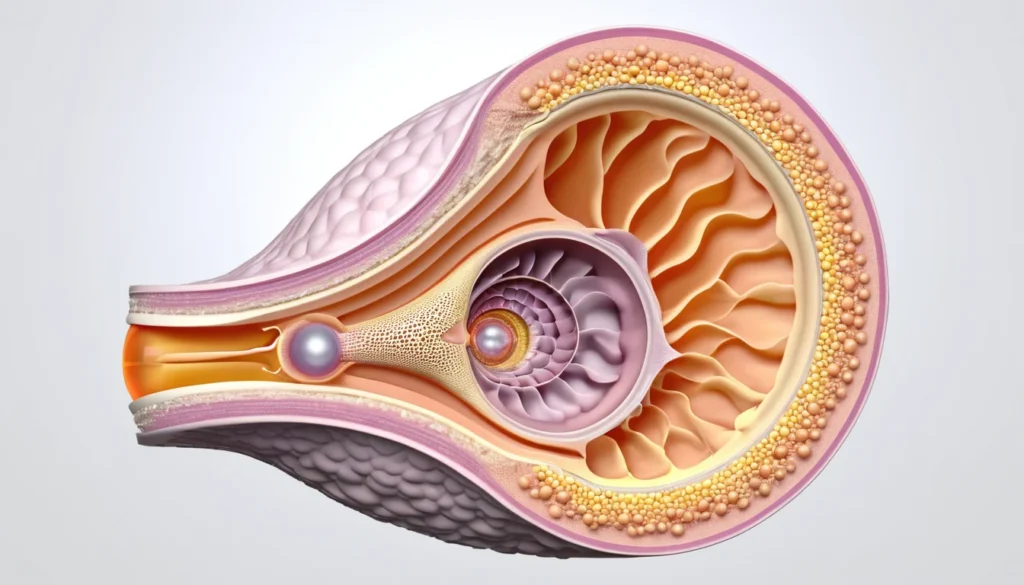
These cysts contain a thick, mucus-like fluid. They can appear alone or in small clusters. Each cyst is usually between two and ten millimetres in diameter. However, some can grow larger over time.
Like ovarian cysts, nabothian cysts are almost always benign (non-cancerous). Most women discover them during a routine pelvic exam, not because of any symptoms.
What Causes Nabothian Cysts?
Nabothian cysts form when the skin-like tissue on the outside of the cervix grows over the mucus-producing glands inside it. When this happens, mucus gets trapped and builds up, forming a cyst.
This process can happen for a few different reasons. However, two of the most common triggers are childbirth and menopause.
After Childbirth
After a vaginal birth, the cervix heals and new tissue grows back. During this healing process, the new tissue can cover the mucus glands. As a result, mucus becomes trapped and cysts can form. This is one of the most common causes of nabothian cysts in women of childbearing age.
During Menopause
As women approach menopause, the tissue lining the vagina and cervix becomes thinner. This thinning can also lead to the formation of cervical cysts. Therefore, nabothian cysts are also fairly common in older women.
In some cases, nabothian cysts appear with no clear cause at all. This is completely normal and does not mean anything is wrong.
Symptoms of Nabothian Cysts
Most nabothian cysts cause no symptoms whatsoever. Many women live with them for years without ever knowing. However, some cysts can grow large enough to cause noticeable changes.
When symptoms do occur, they may include:
Irregular vaginal bleeding between periods
Pain or discomfort during sexual intercourse
A feeling of pelvic pressure or mild pelvic pain
Unusual vaginal discharge
In addition, larger cysts can occasionally cause discomfort during sex or, rarely, affect fertility. If you notice any of these symptoms, it is a good idea to speak with your family doctor or visit a walk-in clinic for an assessment.
How Are Nabothian Cysts Diagnosed?
Most nabothian cysts are found by chance. A doctor usually spots them during a routine pelvic exam or Pap test. In Canada, regular Pap tests are recommended as part of your provincial cervical screening programme. Check with your provincial health plan for the recommended screening schedule in your province.
Because these cysts rarely cause symptoms, routine gynaecological check-ups are very important. Health Canada recommends regular cervical cancer screening for women who are or have been sexually active. These visits are also the best opportunity to catch nabothian cysts early.
Colposcopy and Biopsy
If a cyst looks unusual during a pelvic exam, your doctor may refer you for a colposcopy. A colposcopy is similar to a Pap test, but the doctor uses a small magnifying instrument to look more closely at the cervix.
During a colposcopy, the doctor may also take a small tissue sample. This is called a biopsy. A biopsy helps confirm whether a cyst is benign or whether further investigation is needed. Furthermore, a colposcopy is painless for most women and takes only a few minutes.
Treatment Options for Nabothian Cysts
Most nabothian cysts do not need any treatment at all. Because they are almost always harmless, doctors typically take a “watch and wait” approach. Your doctor will simply monitor the cysts during your regular check-ups.
However, if a cyst grows large and causes pain or discomfort, your doctor may recommend removing it. There are a couple of common ways to do this.
Electrocautery
Electrocautery uses a small electrical current to burn away the cyst. This is a quick, in-office procedure. Most women experience only minor discomfort during and after the procedure.
Cryotherapy
Cryotherapy uses extreme cold to freeze and destroy the cyst tissue. Like electrocautery, this is a straightforward outpatient procedure. Recovery is usually fast, and most women return to normal activities the same day.
In both cases, the goal is simply to relieve discomfort. Removing a nabothian cyst does not affect fertility or overall cervical health.
Are Nabothian Cysts Related to Cancer?
Nabothian cysts are rarely cancerous. In the vast majority of cases, they are completely benign. However, it is understandable to feel worried when you discover any kind of cyst or growth.
In very rare cases, a cyst on the cervix may look unusual or be accompanied by symptoms that could suggest cervical cancer. These symptoms include unexpected bleeding, abnormal discharge, or pain during sex. According to the World Health Organization, cervical cancer is one of the most preventable cancers when caught early through regular screening.
Therefore, if you have a cyst and are experiencing any of these symptoms, please do not ignore them. Your doctor can perform a colposcopy and, if needed, a biopsy to rule out anything more serious.
Uterine Fibroids and Polyps: What Is the Difference?
Nabothian cysts are sometimes confused with uterine fibroids or uterine polyps. While all three are growths in or near the uterus, they are quite different.
Uterine fibroids and polyps form inside the uterus, not on the cervix. They develop when the inner lining of the uterus (the endometrium) grows too much, often due to a hormonal imbalance. They typically range from one to five centimetres in size.
Women over 40 are at higher risk of developing fibroids and polyps. Although these growths are usually harmless, they can sometimes affect fertility or cause irregular bleeding and cramping. In general, fibroids and polyps can be removed through a minor surgical procedure if they cause problems.
If you are unsure about what kind of growth you have, your family doctor or gynaecologist can help clarify the diagnosis.
When to See a Doctor
In most cases, nabothian cysts are discovered and monitored by your doctor without any urgent action needed. However, you should make an appointment with your family doctor or visit a walk-in clinic if you notice:
Bleeding between periods or after sex
Persistent pelvic pain or pressure
Pain during sexual intercourse
Unusual or foul-smelling vaginal discharge
Any new or changing symptoms that concern you
You should also make sure you are up to date with your Pap test and cervical screening schedule. In Canada, these services are covered under most provincial health plans. If you do not have a family doctor, a walk-in clinic or community health centre can perform a pelvic exam and refer you to a gynaecologist if needed.
As always, your doctor is your best resource for personal medical advice. This article is for general information only, and it is important to speak with a healthcare professional about your specific situation.
Frequently Asked Questions About Nabothian Cysts
Are nabothian cysts dangerous?
Nabothian cysts are almost always harmless and non-cancerous. They are one of the most common benign findings on the cervix. However, if a cyst grows large or causes symptoms, you should speak with your doctor to rule out any concerns.
Do nabothian cysts go away on their own?
In many cases, nabothian cysts remain stable and do not cause any problems. Some may shrink or disappear over time without any treatment. Your doctor will usually monitor them during routine check-ups rather than treating them right away.
Can nabothian cysts affect pregnancy or fertility?
Most nabothian cysts do not affect pregnancy or fertility in any way. However, very large cysts may occasionally cause complications. If you are pregnant or trying to conceive and have been diagnosed with nabothian cysts, discuss this with your family doctor or midwife.
What does a nabothian cyst feel like?
Most women with nabothian cysts feel nothing at all. The cysts are too small to be felt from the outside. In rare cases, a large cyst may cause a sense of pressure or mild discomfort in the pelvic area.
How are nabothian cysts treated in Canada?
Most nabothian cysts in Canada require no treatment and are simply monitored over time. If a cyst causes pain or discomfort, a gynaecologist can remove it using electrocautery or cryotherapy. These procedures are typically covered under provincial health plans when medically necessary.
Can nabothian cysts be mistaken for cervical cancer?
Nabothian cysts and cervical cancer can sometimes look similar on visual examination alone. That is why your doctor may recommend a colposcopy or biopsy if a cyst appears unusual. Regular Pap tests and cervical screening are the best way to detect any abnormal changes early.
Key Takeaways
Nabothian cysts are small, fluid-filled bumps on the cervix. They are very common and almost always harmless.
They are most often found during a routine pelvic exam or Pap test.
Common causes include healing after childbirth and hormonal changes during menopause.
Most nabothian cysts cause no symptoms and need no treatment.
If a cyst causes pain or discomfort, it can be safely removed by a gynaecologist.
In rare cases, an unusual-looking cyst may need a colposcopy or biopsy to rule out cancer.
Regular cervical screening through your provincial health plan is the best way to protect your cervical health.
If you have any concerns, speak with your family doctor or visit a walk-in clinic.