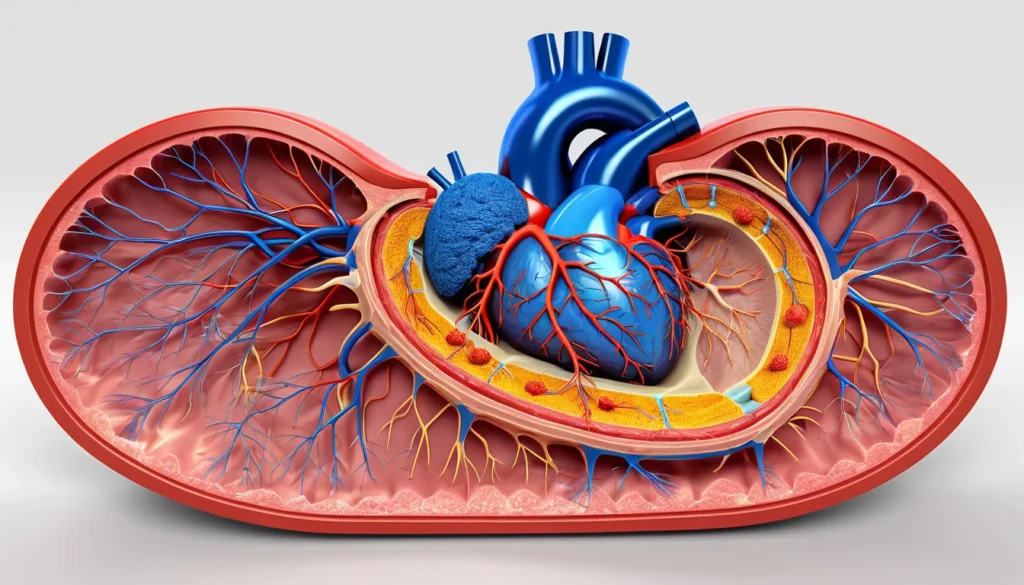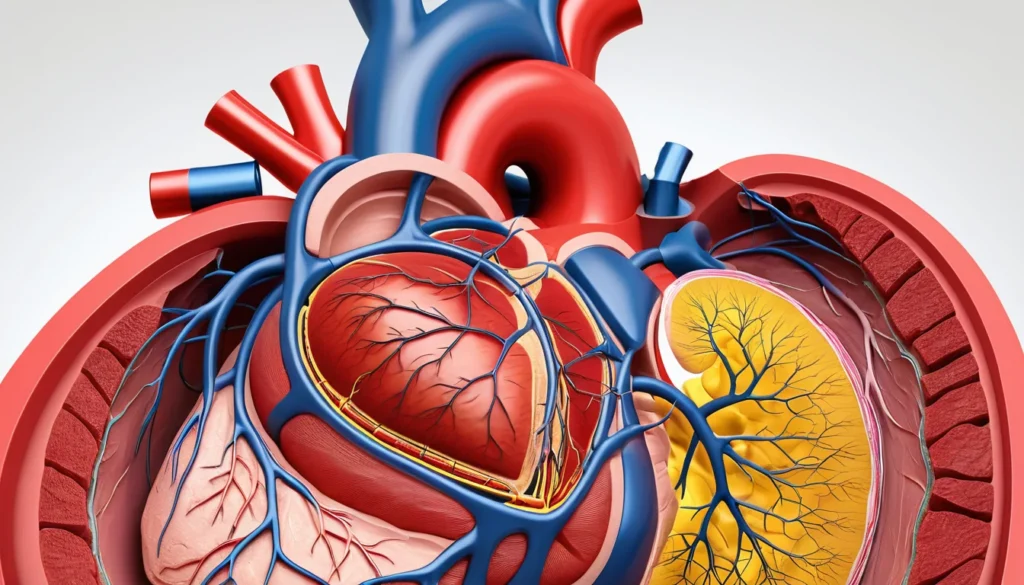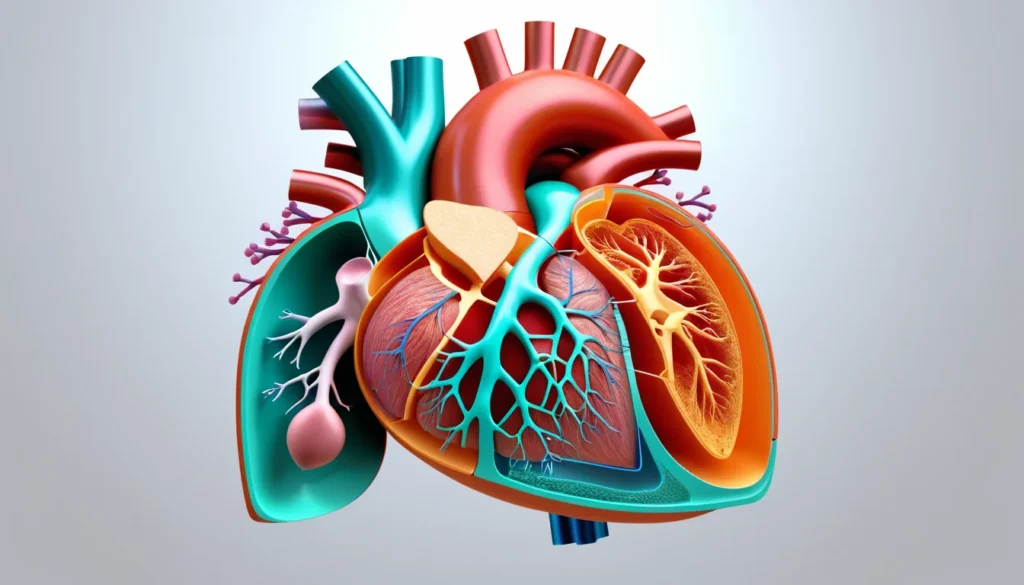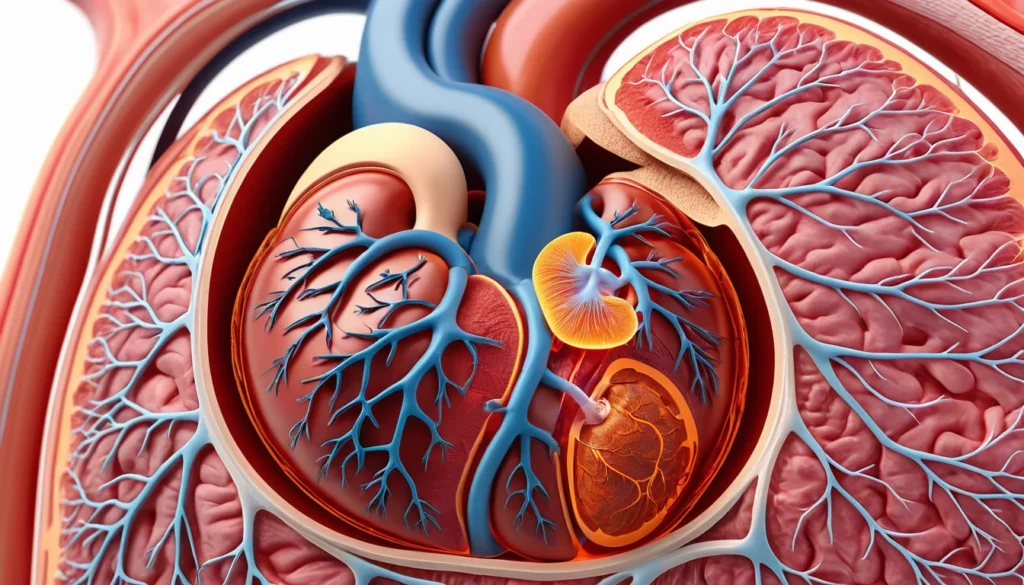
Myocarditis is a condition where the heart muscle becomes inflamed. It can range from mild with no symptoms at all, to life-threatening. In Canada, it most often follows a viral infection — and because it can progress quickly, knowing the signs early can make a real difference.
What Is Myocarditis?
Myocarditis means inflammation of the myocardium — the muscle that makes up the walls of your heart. When this muscle becomes inflamed, it can weaken the heart’s ability to pump blood properly. This can lead to serious problems like heart failure or dangerous heart rhythms (arrhythmias).
The condition most often affects younger people. The average age of diagnosis is around 42, but it can occur at any age. People with weakened immune systems and pregnant women are also at higher risk.
For more background on heart conditions, you can visit Health Canada’s cardiovascular health resources.
Types of Myocarditis
Doctors classify myocarditis based on how quickly it develops and how it progresses over time. Understanding the type helps guide treatment decisions.
Fulminant Myocarditis
This is the most severe form. It develops suddenly after a viral infection. The heart muscle develops many areas of inflammation and cell death (necrosis). Some patients recover fully on their own, but others face life-threatening complications.
Acute Myocarditis
Acute myocarditis has less obvious symptoms than the fulminant type. However, damage to the heart’s pumping chambers (ventricles) can still be significant. It often progresses to a condition called dilated cardiomyopathy, where the heart becomes enlarged and weakened.
Chronic Active Myocarditis
This form develops slowly over a long period. It tends to flare up repeatedly. Managing this type requires ongoing care and monitoring by your doctor.
Chronic Persistent Myocarditis
In this form, the heart’s pumping function remains relatively intact. However, patients still experience symptoms like chest pain and palpitations. Small areas of heart cell death (myocyte necrosis) are present despite the preserved function.
Common Causes of Myocarditis
Myocarditis has many possible causes. Most cases are linked to infection, but other factors can also trigger heart muscle inflammation.
Viral and Bacterial Infections
Viral infections are the most common cause. Common culprits include Coxsackievirus, cytomegalovirus, hepatitis C virus, parvovirus, and herpesviruses. Bacterial infections can also be responsible — these include Chlamydia, Mycoplasma, Streptococcus, and Treponema. Fungal infections (such as Aspergillus, Candida, and Histoplasma) are a less common but possible cause.
It is worth noting that over 50% of myocarditis cases are classified as idiopathic — meaning doctors cannot identify a clear cause, even with advanced testing. Viral infection is often suspected in these cases.
Autoimmune and Inflammatory Conditions
Certain systemic illnesses can cause the immune system to attack heart tissue. These include:
Kawasaki disease
Crohn’s disease
Systemic lupus erythematosus (SLE)
Ulcerative colitis
Rheumatoid arthritis
Scleroderma
Thyrotoxicosis (overactive thyroid)
Medications, Toxins, and Environmental Triggers
Some medications can trigger myocarditis as a side effect or allergic reaction. These include certain antibiotics (such as penicillin and sulfonamides), some blood pressure medications, and certain anti-seizure drugs. Stimulant drugs such as amphetamines and cocaine can also damage the heart muscle directly.
In addition, exposure to certain chemicals and physical agents can cause inflammation. These include:
Heavy metals (lead, mercury, cobalt, arsenic)
Carbon monoxide
Hydrocarbons
Radiation
Extreme heat (heatstroke) or severe cold (hypothermia)
Recognising the Symptoms of Myocarditis
One of the challenges with myocarditis is that symptoms vary widely. Some people have no symptoms at all. Others feel very unwell very quickly. Knowing what to watch for is important.
Most Common Symptoms
The symptoms that bring most patients to see a doctor include:
Chest pain — often described as similar to a heart attack or angina
Palpitations — a racing, fluttering, or irregular heartbeat
Fatigue — unusual tiredness that does not improve with rest
Fever and flu-like symptoms — including muscle aches, headache, sore throat, diarrhoea, chills, and skin rashes
Joint pain or swelling
Swelling in the legs (edema)
Shortness of breath — especially with activity or when lying flat
Less Common Symptoms
Some patients experience fainting or near-fainting episodes. These happen because of arrhythmias (abnormal heart rhythms) caused by the inflammation. Reduced urine output can also occur in more advanced cases.
In some cases, a person may develop heart failure months or even years after the initial infection — without ever knowing they had myocarditis. This is why ongoing heart health monitoring matters.
You can learn more about heart symptoms at the Mayo Clinic’s myocarditis overview.
How Is Myocarditis Diagnosed?
Diagnosing myocarditis requires a combination of physical examination, blood tests, and imaging. Your doctor will review your symptoms, your medical history, and any recent illnesses.
Physical Exam Findings
During a physical exam, a doctor may detect an abnormal heart rhythm (arrhythmia), a rapid heartbeat (tachycardia), or a heart murmur. In more advanced cases, there may be fluid in the lungs and swelling in the lower legs.
Depending on the suspected underlying cause, the doctor may also look for swollen lymph nodes, skin rashes, or signs of systemic illness.
Diagnostic Tests
Several tests help confirm a diagnosis of myocarditis:
Blood tests — a complete blood count (CBC) looks for signs of infection. Inflammatory markers (ESR, CRP, fibrinogen) are typically elevated. Cardiac enzymes, especially troponin, are elevated in over 50% of biopsy-confirmed cases — indicating heart cell damage.
Chest X-ray — helps assess heart size and detect fluid in the lungs.
Electrocardiogram (ECG) — often shows non-specific changes, but can reveal conduction problems and ventricular arrhythmias.
Echocardiogram (heart ultrasound) — evaluates how well the heart is pumping. It also helps rule out other causes of heart failure such as valve disease or congenital problems.
Cardiac angiography — used to rule out blocked arteries (ischemic heart disease) as the cause of symptoms, particularly when symptoms resemble a heart attack.
Myocardial biopsy — considered the gold standard for diagnosing myocarditis. A very small piece of heart muscle tissue is taken and examined under a microscope. The hallmark finding is an inflamed interstitium rich in macrophages and lymphocytes, with areas of tissue necrosis and disorganised structure.
Prognosis and What to Expect
The outlook for myocarditis depends largely on the type and how quickly it is diagnosed and treated. Patients who survive fulminant myocarditis generally have a good long-term prognosis. Many recover full heart function with appropriate medical support.
Acute myocarditis carries a higher risk of progressing to dilated cardiomyopathy. Chronic forms require long-term management and regular follow-up with a cardiologist. The earlier treatment begins, the better the outcome tends to be.
For further reading on heart muscle disease, the World Health Organization’s cardiovascular disease page provides reliable global context.
When to See a Doctor
If you experience chest pain, a racing or irregular heartbeat, or sudden shortness of breath, do not wait. Go to your nearest emergency department right away. These symptoms can signal a serious heart condition that needs immediate attention.
For milder symptoms — such as unusual fatigue after a recent viral illness, mild palpitations, or swelling in your legs — contact your family doctor or visit a walk-in clinic as soon as possible. Most provincial health plans in Canada cover the diagnostic tests needed to evaluate heart concerns, including ECGs and blood work.
If you are already managing a chronic illness or are immunocompromised, let your healthcare provider know at your next appointment if you notice any new cardiac symptoms. Early detection can prevent serious complications.
Always consult your doctor or a qualified healthcare provider before making any decisions about your health. The information in this article is for educational purposes only and does not replace professional medical advice.
Frequently Asked Questions About Myocarditis
Can myocarditis go away on its own?
In some cases, mild myocarditis does resolve on its own with rest and supportive care. However, because myocarditis can progress rapidly — even without obvious symptoms — it is important to get a proper medical evaluation. Never assume chest pain or palpitations are minor without speaking to a doctor first.
Is myocarditis linked to COVID-19 or COVID vaccines?
Yes, both COVID-19 infection and, in rare cases, mRNA vaccines have been associated with myocarditis — particularly in young males after the second dose. Health Canada and public health authorities continue to monitor this closely. The overall risk remains low, and the benefits of vaccination are considered to outweigh the risks for most Canadians.
What are the early warning signs of myocarditis?
Early signs of myocarditis can feel similar to a chest infection or flu — including fatigue, fever, chest discomfort, and muscle aches. As the condition progresses, you may notice palpitations, shortness of breath, or swelling in the legs. Any chest pain combined with a recent viral illness should be assessed by a doctor promptly.
How is myocarditis treated?
Treatment for myocarditis focuses on managing symptoms and supporting the heart while it heals. This may include rest, medications to reduce inflammation, drugs to manage heart failure, and treatment for any underlying infection or autoimmune condition. In severe cases, hospitalisation and advanced cardiac support may be needed.
Can athletes develop myocarditis?
Yes, myocarditis is one of the leading causes of sudden cardiac death in young athletes. Intense physical activity during active heart muscle inflammation significantly increases the risk of dangerous arrhythmias. Athletes who develop symptoms of myocarditis are typically advised to stop all strenuous exercise until cleared by a cardiologist.
Is myocarditis a serious condition?
Myocarditis ranges from mild and self-limiting to potentially life-threatening, depending on the type and severity. Serious complications include heart failure, chronic cardiomyopathy, and fatal arrhythmias. With prompt diagnosis and proper treatment, many people recover fully — which is why early medical attention is so important.
Key Takeaways
Myocarditis is inflammation of the heart muscle that can range from mild to life-threatening.
It is most often caused by viral infections, but bacteria, fungi, medications, toxins, and autoimmune conditions can also trigger it.
Common symptoms include chest pain, palpitations, fatigue, and shortness of breath — often appearing after a recent illness.
Diagnosis involves blood tests, ECG, echocardiogram, and in some cases, a heart muscle biopsy.
The outlook is generally good with early treatment — especially for fulminant myocarditis survivors.
If you experience sudden chest pain or an irregular heartbeat, go to the emergency department immediately.
For milder symptoms, your family doctor or a walk-in clinic is a great first step — most diagnostic tests are covered under provincial health plans.