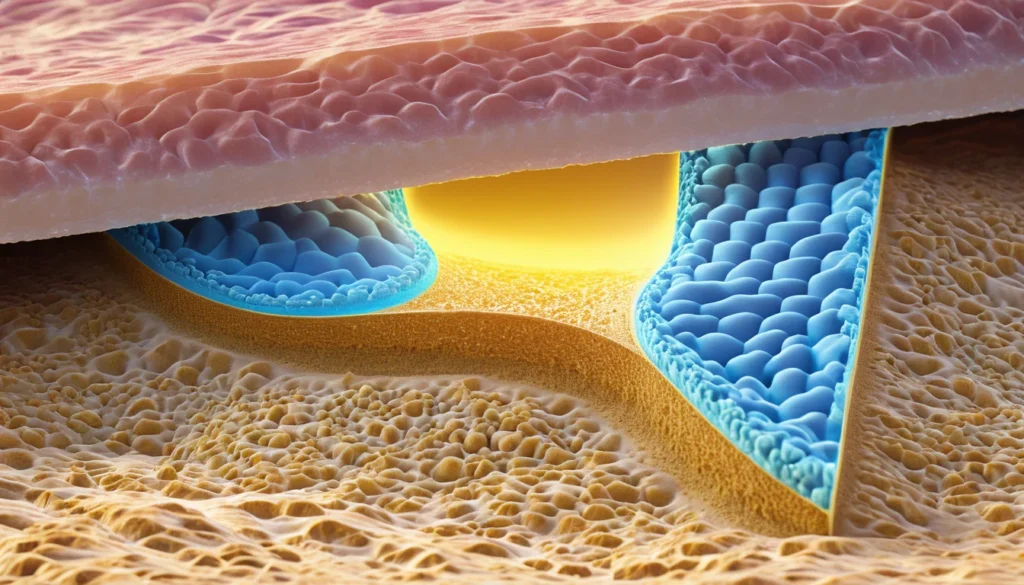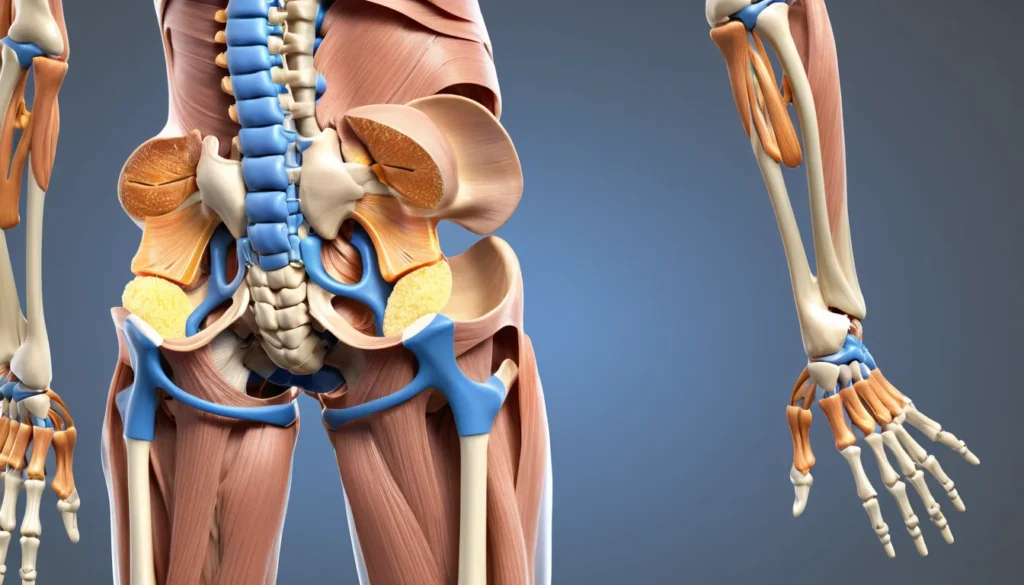
Musculoskeletal pain is one of the most common reasons Canadians visit their family doctor or walk-in clinic. It refers to pain that affects your muscles, bones, ligaments, tendons, and nerves. This type of pain can range from mild and short-lived to severe and long-lasting. In this article, you will learn what causes musculoskeletal pain, how to recognize its symptoms, and what treatment options are available to you.
What Is Musculoskeletal Pain?
Musculoskeletal pain is any pain that involves the structures that support and move your body. This includes your muscles, bones, joints, tendons, and ligaments. It can affect a single area, like your lower back, or it can spread across your whole body.
According to the World Health Organization (WHO), musculoskeletal conditions are the leading cause of disability worldwide. In Canada, millions of people live with some form of musculoskeletal pain every year. It affects people of all ages, from teenagers to older adults.
The good news is that most cases are treatable. With the right care and support, many people recover fully or learn to manage their symptoms effectively.
Common Causes of Musculoskeletal Pain
There are many different causes of musculoskeletal pain. Sometimes the cause is obvious, like a fall or a sports injury. Other times, the pain builds slowly over weeks or months without a clear trigger.
Injuries and Trauma
Sudden injuries are a major cause of musculoskeletal pain. These include car accidents, falls, fractures, sprains, dislocations, and direct blows to the muscles. These events can damage muscle tissue, ligaments, or tendons quickly and severely.
Even everyday movements can cause injury. Lifting something too heavy or twisting your body the wrong way can strain your muscles and lead to pain that lasts days or even weeks.
Overuse and Repetitive Motion
Repetitive movements are another major cause of musculoskeletal pain. Many Canadians experience this from their work. Office workers who type all day, tradespeople who perform the same motions repeatedly, and athletes who overtrain are all at risk.
Overuse wears down muscle tissue over time. As a result, small tears and inflammation build up, causing persistent pain and stiffness. This type of pain often gets worse if you ignore it and keep pushing through.
Poor Posture and Alignment
Poor posture is a surprisingly common cause of musculoskeletal pain. When your spine is out of alignment, your muscles have to work harder to keep you upright. Over time, this extra effort causes fatigue, tension, and pain.
Sitting at a desk with your screen too low or too high, slouching on the couch, and sleeping on an unsupportive mattress can all affect your posture. Furthermore, postural problems can shorten certain muscles, forcing other muscles to compensate and become painful as a result.
Prolonged Immobility
Staying in one position for too long is also a trigger. Long drives, long flights, or even long workdays spent sitting can stiffen your muscles and joints. Your body needs regular movement to keep muscles healthy and flexible.
Recognizing the Symptoms of Musculoskeletal Pain
The symptoms of musculoskeletal pain can vary widely from person to person. Some people feel a dull ache in one spot. Others feel pain all over their body, as if their muscles are constantly tired or strained.
Most Common Symptoms
Here are the symptoms that people with musculoskeletal pain most often report:
Aching or throbbing pain in muscles, joints, or bones
Muscle stiffness, especially in the morning or after rest
Fatigue that does not go away with sleep
Burning or tingling sensations in affected areas
Muscle twitching or weakness
Sleep disturbances caused by discomfort at night
Decreased range of motion in joints
It is important to note that these symptoms can overlap with other conditions. Therefore, it is always best to have a healthcare provider assess your pain properly.
Widespread vs. Localized Pain
Musculoskeletal pain can be localized, meaning it stays in one area like your shoulder or knee. However, it can also be widespread, affecting large portions of your body at once. Widespread musculoskeletal pain is often associated with conditions like fibromyalgia.
If your pain is widespread and comes with extreme fatigue and sleep problems, talk to your family doctor. These could be signs of a condition that needs specific treatment.
How Is Musculoskeletal Pain Diagnosed?
Your doctor will start with a thorough physical examination and a review of your medical history. They will ask you about where the pain is, how long you have had it, and what makes it better or worse. This information helps them understand what might be causing your pain.
In some cases, your doctor may order additional tests. These can include:
X-rays to check for fractures or bone problems
MRI or ultrasound to look at soft tissue like muscles and tendons
Blood tests to rule out inflammatory or autoimmune conditions
According to Mayo Clinic, getting an accurate diagnosis is the first step toward effective treatment. Do not try to self-diagnose, especially if your pain is severe or getting worse.
Treatment Options for Musculoskeletal Pain
The good news is that musculoskeletal pain responds well to many different types of treatment. Your doctor will recommend a plan based on the cause, location, and severity of your pain. Treatment often combines several approaches for the best results.
Physical and Manual Therapies
Manual therapies are hands-on treatments that help restore movement and reduce pain. These include physiotherapy, chiropractic care, massage therapy, and osteopathic manipulation. Many of these services are partially or fully covered by provincial health plans or workplace benefits in Canada.
Physiotherapists can design exercise programmes specifically for your condition. These programmes typically include both strengthening and stretching exercises. Research shows that manual therapy techniques are especially effective for acute musculoskeletal pain and can speed up recovery significantly.
Exercise and Movement
Regular physical activity is one of the most powerful tools for managing musculoskeletal pain. Exercise helps strengthen the muscles that support your joints and spine. It also improves flexibility and reduces stiffness over time.
Low-impact activities like walking, swimming, and cycling are often recommended. However, it is important to start slowly and build up gradually, especially if you are in pain. A physiotherapist or certified fitness professional can guide you safely.
Medications
For some people, medication is part of the treatment plan. Over-the-counter options like acetaminophen or anti-inflammatory drugs can help manage short-term pain. Your doctor may also recommend injections of anaesthetic or anti-inflammatory medication directly into or around the painful area.
For conditions like fibromyalgia, doctors sometimes prescribe low doses of medications that increase serotonin and norepinephrine levels in the body. These are neurotransmitters — chemical messengers in the brain — that help regulate pain, sleep, and immune function.
Complementary Therapies
Many Canadians find relief through complementary therapies used alongside conventional treatment. Options include:
Acupuncture and acupressure to reduce pain signals
Therapeutic massage to ease muscle tension
Relaxation techniques such as deep breathing and meditation
Biofeedback, which helps you learn to control physical responses to pain
Occupational therapy to help you adapt daily tasks and reduce strain
These therapies work best when combined with evidence-based medical care. Always let your doctor know about any complementary treatments you are using.
Lifestyle Changes
Small daily changes can make a big difference in managing musculoskeletal pain. Improving your posture at work, taking regular breaks to move around, and setting up an ergonomic workspace are all helpful steps. Getting enough sleep and managing stress also play an important role in pain levels.
For more guidance on managing pain at home, Healthline’s overview of musculoskeletal pain offers practical, evidence-based tips.
When to See a Doctor
You should see a doctor if your musculoskeletal pain is severe, getting worse, or not improving after a few days of rest. If your pain follows an accident or injury, seek medical attention right away. Do not wait and hope it goes away on its own.
You should also see a doctor if your pain is accompanied by:
Swelling, redness, or warmth around a joint
Numbness or tingling that spreads down your arm or leg
Unexplained weight loss or fever
Significant difficulty moving or doing daily tasks
In Canada, you can start by booking an appointment with your family doctor. If you do not have a family doctor, a walk-in clinic can assess your condition and refer you to a specialist if needed. Your provincial health plan covers many diagnostic tests and specialist referrals, so do not let cost stop you from getting help.
As always, it is important to consult a qualified healthcare professional before starting any new treatment for musculoskeletal pain. Everyone’s situation is different, and a proper diagnosis is essential.
Frequently Asked Questions About Musculoskeletal Pain
What does musculoskeletal pain feel like?
Musculoskeletal pain can feel like a dull ache, sharp stabbing pain, burning, or tingling. Some people describe their muscles as feeling overworked or constantly strained. The sensation varies depending on the cause and the area of the body affected.
What are the most common causes of musculoskeletal pain?
The most common causes of musculoskeletal pain include injuries, repetitive movements, poor posture, and prolonged periods of sitting or inactivity. Conditions like arthritis and fibromyalgia are also frequent causes. In many cases, daily wear and tear on the muscles and joints builds up over time.
Can musculoskeletal pain go away on its own?
Mild musculoskeletal pain from overexertion or minor strain often improves with rest, ice, and gentle movement within a few days. However, if your pain persists for more than a week or is getting worse, you should see a doctor. Ignoring ongoing musculoskeletal pain can sometimes lead to more serious problems.
Is musculoskeletal pain covered by provincial health plans in Canada?
In Canada, doctor visits, diagnostic tests, and specialist referrals for musculoskeletal pain are generally covered by provincial health plans. However, some therapies like physiotherapy, chiropractic care, and massage therapy may require private insurance or out-of-pocket payment depending on your province. Check with your provincial health authority or benefits provider for details.
What is the difference between musculoskeletal pain and fibromyalgia?
Fibromyalgia is a specific condition that causes widespread musculoskeletal pain throughout the body, often combined with extreme fatigue and sleep problems. General musculoskeletal pain can be localized and may have a clear physical cause like an injury. Fibromyalgia is more complex and typically requires a specialist’s diagnosis and a tailored treatment plan.
What exercises help with musculoskeletal pain?
Low-impact exercises like walking, swimming, yoga, and cycling are often recommended for people with musculoskeletal pain. Stretching and gentle strengthening exercises help support the joints and reduce stiffness. Always consult your doctor or physiotherapist before starting a new exercise programme to make sure it is safe for your specific condition.
Key Takeaways
Musculoskeletal pain affects muscles, bones, joints, tendons, and ligaments, and is one of the most common health complaints in Canada.
Common causes include injuries, repetitive movements, poor posture, and prolonged immobility.
Symptoms range from localized aching and stiffness to widespread pain, fatigue, and sleep problems.
Diagnosis involves a physical exam and may include imaging or blood tests.
Effective treatments include physiotherapy, exercise, medication, complementary therapies, and lifestyle changes.
If your pain is severe, persistent, or following an injury, visit your family doctor or a walk-in clinic.
Many diagnostic and treatment services are covered by provincial health plans across Canada.
Always consult a healthcare professional before beginning any new treatment programme for musculoskeletal pain.