Muscular dystrophy is a group of progressive genetic diseases that cause muscles to weaken and break down over time. These conditions affect people of all ages, though many forms appear in childhood. Understanding the causes, symptoms, and treatment options can help families make informed decisions and seek the right care sooner.
What Is Muscular Dystrophy?
Muscular dystrophy refers to more than nine distinct diseases — and over 100 similar conditions — that all share one key feature: progressive muscle weakness. These are not caused by nerve damage or inflammation. Instead, they stem from genetic defects that affect how muscles are built and maintained.
At the heart of most forms is a protein called dystrophin. This protein helps keep muscle cell membranes stable. Without it, muscle cells become fragile, leak important components, and gradually die. Over time, dead muscle tissue is replaced by fat and fibrous material. This makes muscles look larger — a condition called pseudohypertrophy — but they are actually much weaker.
Dystrophin is also found in the heart and brain. This is why some people with muscular dystrophy may experience heart problems or mild intellectual challenges alongside muscle weakness.
Types of Muscular Dystrophy
Muscular dystrophy is classified by how it is inherited and which muscles it affects. There are three main inheritance patterns.
X-Linked Forms
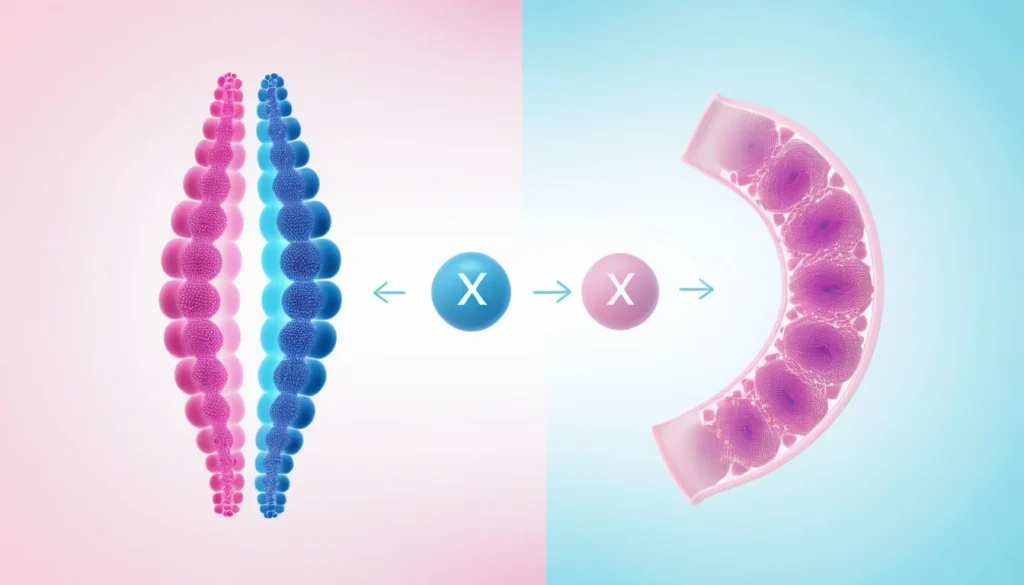
These types are carried on the X chromosome and primarily affect males. They include:
Duchenne muscular dystrophy — the most common form, affecting about 1 in 3,500 boys
Becker muscular dystrophy — similar to Duchenne but milder, affecting about 1 in 30,000 boys
Emery-Dreifuss muscular dystrophy — affects the heart and joints as well as muscles
Autosomal Dominant Forms
These types can be passed down from just one parent. They include facioscapulohumeral dystrophy (affecting the face and shoulders), distal muscular dystrophy (affecting hands and feet), ocular muscular dystrophy (affecting the eyes), and oculopharyngeal muscular dystrophy (affecting the eyes and throat).
Autosomal Recessive Forms
These types require a defective gene from both parents. Limb-girdle muscular dystrophy is the most well-known example. It primarily affects the muscles around the hips and shoulders.
What Causes Muscular Dystrophy?
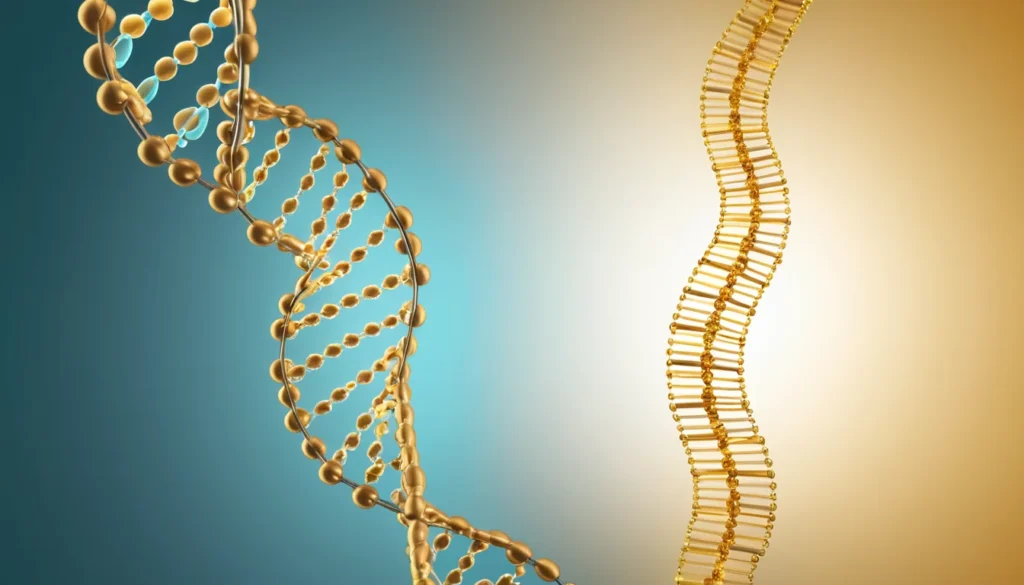
The root cause of muscular dystrophy is a faulty genetic instruction for making certain muscle proteins. In Duchenne and Becker muscular dystrophy, the gene responsible for making dystrophin is defective. The dystrophin gene is one of the largest known human genes, which makes it more vulnerable to random mutations.
In Duchenne muscular dystrophy, dystrophin is completely absent. As a result, muscle cells are highly unstable. They release an enzyme called creatine phosphokinase (CPK) into the bloodstream. High CPK levels in a blood test are often one of the first signs doctors look for.
In Becker muscular dystrophy, a less functional version of dystrophin is still produced. Therefore, the disease progresses more slowly. However, muscle cells still gradually weaken and die over time.
Other forms of muscular dystrophy are caused by defects in proteins related to dystrophin, coded on chromosomes other than the X chromosome. These affect cell membrane stability in slightly different ways, which is why they produce different symptoms.
For a deeper look at the genetics behind muscular dystrophy, visit the World Health Organization’s resource on genes and human disease.
Recognising the Symptoms of Muscular Dystrophy
Symptoms vary depending on the type, but most forms of muscular dystrophy involve some degree of progressive muscle weakness. In many cases, symptoms begin in childhood.
Early Signs in Children
In Duchenne muscular dystrophy, babies appear normal at birth. Parents often notice something is wrong only after their child starts walking. Common early signs include:
Frequent falls
Difficulty climbing stairs or rising from the floor
Walking on tiptoes
A waddling gait
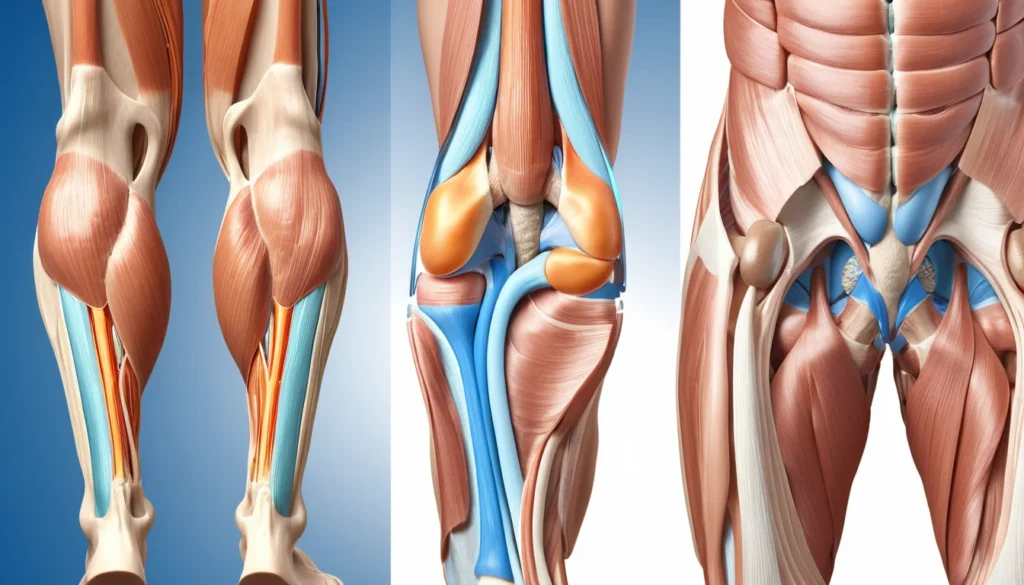
Enlarged calf muscles (pseudohypertrophy)
Mild delays in reaching developmental milestones
Children with Duchenne muscular dystrophy typically lose the ability to walk between the ages of 7 and 12. After that, they rely on a wheelchair for mobility.
Symptoms That Develop Over Time
As muscular dystrophy progresses, additional symptoms often appear. These can include:
Progressive loss of muscle mass
Poor balance and unstable posture
Limited range of motion in joints
Scoliosis (sideways curvature of the spine)
Breathing difficulties
Heart muscle weakness (cardiomyopathy)
Drooping eyelids (ptosis)
Difficulty swallowing
Once a person with muscular dystrophy begins using a wheelchair, scoliosis tends to worsen quickly. This can reduce lung capacity and place further strain on a heart that may already be weakened. In advanced stages, cardiopulmonary complications become the most serious concern.
Complications From Muscle Weakness
Ongoing muscle weakness causes more than just movement problems. Soft tissue contractures — where muscles and tendons tighten and shorten — can develop over time. Spinal deformities from poor posture also affect how the lungs work. These complications can significantly reduce both quality and length of life.
Furthermore, foot and ankle deformities can make wearing footwear difficult and complicate transfers in and out of wheelchairs. Managing these complications early is an important part of overall care.
How Is Muscular Dystrophy Diagnosed?
Diagnosis usually begins with a physical exam and a review of family history. Your family doctor may suspect muscular dystrophy based on symptoms or if a sibling has already been diagnosed. Several tests can confirm the diagnosis.
Blood tests — High CPK levels suggest muscle breakdown is occurring
Genetic testing — Identifies specific gene mutations linked to muscular dystrophy
Electromyography (EMG) — Measures electrical activity in muscles to rule out nerve problems
Muscle biopsy — A small tissue sample examined under a microscope for changes in muscle structure
Echocardiogram — Checks for heart involvement
In Canada, genetic testing and specialist referrals are covered under most provincial health plans. Your family doctor can refer you to a neurologist or a genetics clinic if muscular dystrophy is suspected. For more information on accessing genetic services, visit Health Canada’s official website.
Treatment and Management Options
There is currently no cure for muscular dystrophy. However, treatment can slow the progression, manage complications, and greatly improve quality of life. A team of specialists typically works together to care for someone with this condition.
Medications
Corticosteroids such as prednisone are commonly prescribed for Duchenne muscular dystrophy. They help slow muscle deterioration and preserve strength for longer. Some newer gene-targeted therapies are also available or in clinical trials, offering hope for slowing the disease in specific genetic subtypes.
Physical and Occupational Therapy
Regular physiotherapy helps maintain muscle strength and flexibility. Occupational therapy helps individuals adapt daily tasks to their changing abilities. These therapies are especially important in preserving independence and preventing contractures.
Orthopaedic and Respiratory Care
Braces, orthotics, and assistive devices help support movement and reduce injury risk. Spinal surgery may be recommended in cases of severe scoliosis to stabilise the spine and protect lung function. Breathing support, including ventilators or breathing exercises, becomes important as respiratory muscles weaken.
Heart Monitoring
Because dystrophin also affects the heart, regular cardiac monitoring is essential. Medications such as ACE inhibitors or beta-blockers may be prescribed to protect heart function even before symptoms of heart disease appear.
For a comprehensive overview of treatment approaches, the Mayo Clinic’s muscular dystrophy treatment guide offers reliable, evidence-based information.
When to See a Doctor
You should speak with your family doctor if your child shows signs of muscle weakness, frequent falls, or delays in motor development. Early diagnosis makes a significant difference in managing muscular dystrophy effectively.
If you do not have a family doctor, a walk-in clinic can perform an initial assessment and arrange blood tests. Ask for a referral to a paediatric neurologist or a genetics specialist if muscular dystrophy is suspected. In Canada, these specialists are available through your provincial health system, and referrals are typically covered under your provincial health plan.
Adults who notice unexplained muscle weakness, difficulty swallowing, or drooping eyelids should also seek medical advice promptly. Some forms of muscular dystrophy do not appear until adulthood.
Always consult your doctor or a qualified healthcare provider before making any decisions about diagnosis or treatment. This article is for informational purposes only.
Frequently Asked Questions About Muscular Dystrophy
Is muscular dystrophy hereditary?
Yes, muscular dystrophy is caused by genetic mutations that can be inherited from one or both parents. Some cases also arise from spontaneous new mutations with no family history of the disease. Genetic counselling can help families understand their risk and options.
Can girls get muscular dystrophy?
Most forms of muscular dystrophy affect males more severely, particularly Duchenne and Becker types, which are X-linked. However, females can be carriers and may experience mild symptoms. Some other forms of muscular dystrophy, such as facioscapulohumeral dystrophy, affect both males and females equally.
What is the life expectancy for someone with muscular dystrophy?
Life expectancy depends on the type of muscular dystrophy and how well complications are managed. With modern cardiac and respiratory care, many people with Duchenne muscular dystrophy now live into their 30s and beyond. Milder forms, like Becker muscular dystrophy, often allow a near-normal lifespan.
How is muscular dystrophy different from multiple sclerosis?
Muscular dystrophy is a genetic disease that directly damages muscle fibres, while multiple sclerosis is an autoimmune disease that attacks the nervous system. Both can cause weakness and mobility problems, but they have different causes, progressions, and treatments. A neurologist can help distinguish between the two conditions.
Is there a cure for muscular dystrophy?
There is currently no cure for muscular dystrophy, but research is advancing rapidly. Gene therapy and targeted molecular treatments are showing promise in clinical trials. In the meantime, medications, physiotherapy, and supportive care can significantly improve quality of life for those living with muscular dystrophy.
At what age does muscular dystrophy usually appear?
The age of onset varies by type. Duchenne muscular dystrophy typically shows signs between ages 2 and 5, when children begin walking. Some forms, like oculopharyngeal muscular dystrophy, do not appear until middle age or later. Early screening is recommended if there is a family history of muscular dystrophy.
Key Takeaways
Muscular dystrophy is a group of genetic diseases that cause progressive muscle weakness and breakdown.
The most common form, Duchenne muscular dystrophy, affects about 1 in 3,500 boys and is caused by the absence of a protein called dystrophin.
Symptoms often begin in early childhood and include frequent falls, difficulty walking, and enlarged calf muscles.
Over time, complications can affect the heart, lungs, and spine, making multidisciplinary care essential.
There is no cure, but medications, physiotherapy, and cardiac and respiratory support can significantly improve and extend quality of life.
In Canada, diagnosis and specialist care are accessible through provincial health plans — speak with your family doctor or visit a walk-in clinic if you have concerns.
Early diagnosis leads to better outcomes, so do not wait to seek medical advice if symptoms appear.