Muscles are remarkable organs found throughout your entire body. They give you the ability to move, breathe, pump blood, and digest food. Understanding how your muscles work can help you take better care of them — and know when something might be wrong. This guide covers everything you need to know about muscles, from their basic structure to common muscle conditions.
What Are Muscles and How Do They Work?
Your body contains hundreds of muscles, and each one shares the same basic ability: it can contract and relax. This simple action powers almost everything your body does. From lifting a coffee cup to keeping your heart beating, muscles are always at work.
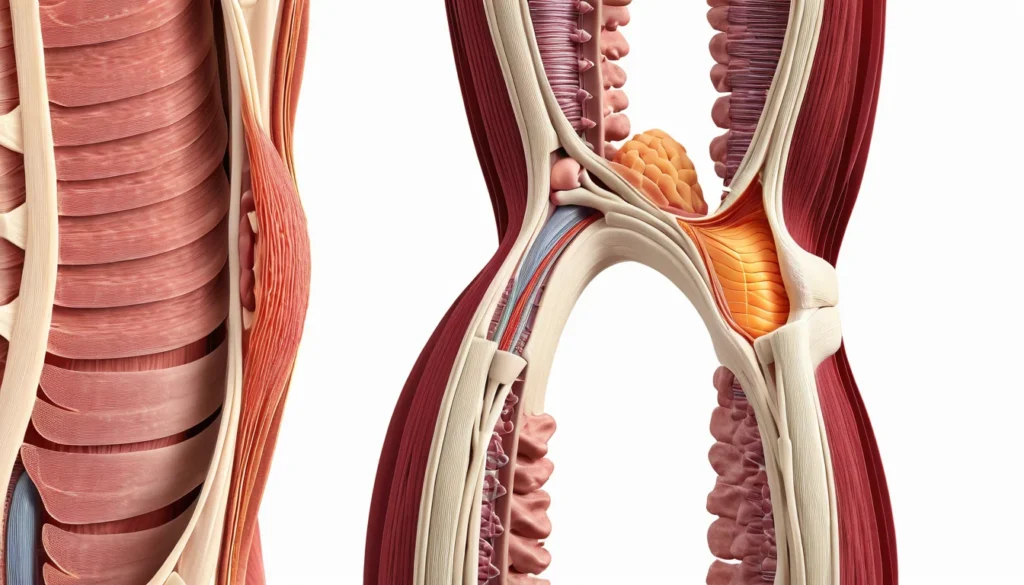
Each muscle is made up of long, thin structures called muscle fibres. These fibres contain special proteins called actin and myosin. When your brain sends a signal, these two proteins slide past each other, causing the muscle fibre to shorten. That shortening is what we call a muscle contraction.
According to Healthline’s overview of skeletal muscle, the interaction between actin and myosin is one of the most fundamental processes in the human body. In addition, this process requires energy in the form of a molecule called ATP, which your body produces from the food you eat.
The Three Types of Muscles in Your Body
Not all muscles are the same. Your body has three distinct types of muscle tissue. Each type has a different job, a different structure, and a different way of being controlled. Understanding these differences helps explain why some muscles move when you want them to — and others work entirely on their own.
Skeletal Muscles: The Ones You Control
Skeletal muscles are also called striated muscles or voluntary muscles. These are the muscles most people think of first. They attach to your bones and allow you to walk, run, lift, and move in every direction.
Your brain controls these muscles voluntarily. That means you decide when to use them. Each muscle fibre connects to a nerve ending that carries signals directly from your brain. When the signal arrives, it releases a chemical called acetylcholine. This chemical acts as a messenger, telling the muscle fibre to contract.
Skeletal muscles also stay in a state of mild, constant tension even when you are resting. This background tension is called muscle tone. Good muscle tone helps you maintain posture and keeps your body ready to move at any moment. Furthermore, regular physical activity helps preserve and build healthy muscle tone as you age.
Smooth Muscles: The Ones That Work Without You
Smooth muscles are sometimes called involuntary muscles or white muscles. You cannot control them consciously. They operate on their own or are regulated by your autonomic nervous system — the part of your nervous system that handles automatic body functions.
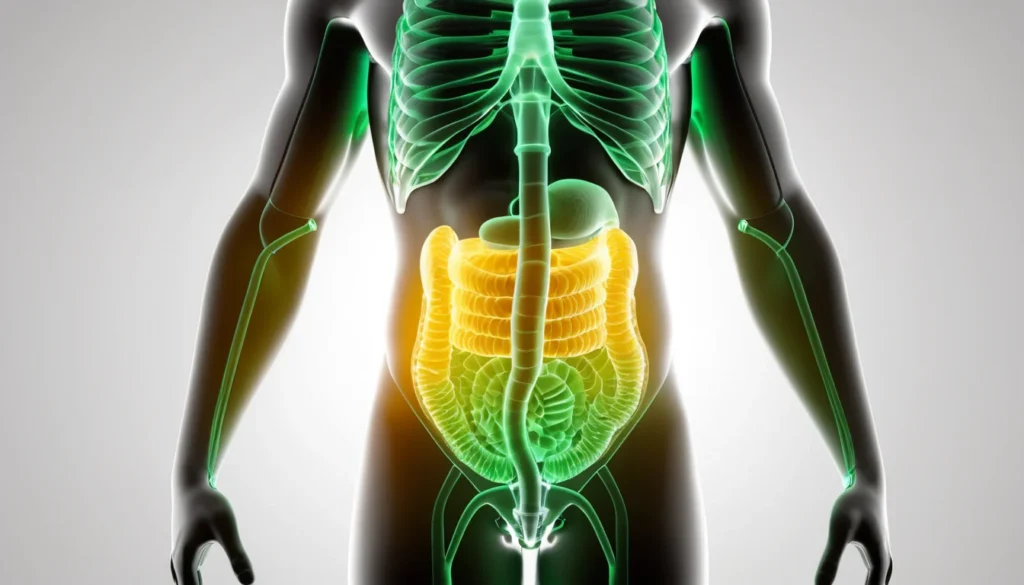
Smooth muscles line the walls of many internal organs. You can find them in your intestines, uterus, bronchial tubes, bladder, and blood vessels. For example, the smooth muscles in your intestines push food through your digestive tract in a rhythmic wave-like motion. You never have to think about it — your body handles it automatically.
However, smooth muscles are not immune to problems. They can sometimes go into spasms, which are sudden, involuntary contractions. Muscle spasms in the bronchial tubes, for instance, are a key feature of asthma attacks. Spasms in blood vessels can contribute to certain types of headaches and circulatory problems.
Cardiac Muscle: Your Heart’s Dedicated Engine
Cardiac muscle is found only in your heart. It is also called the myocardium. This type of muscle has a structure similar to skeletal muscle, but it behaves more like smooth muscle — it contracts on its own, without any conscious effort from you.
Your heart beats roughly 100,000 times a day, every single day of your life. Cardiac muscle makes that possible. It has a built-in electrical system that keeps it contracting in a steady, coordinated rhythm. As a result, your heart does not need constant instructions from your brain to keep pumping.
The Mayo Clinic’s heart health resources explain how the heart’s electrical system can sometimes malfunction, leading to irregular heartbeats. Keeping your cardiac muscle healthy through regular exercise, a balanced diet, and routine check-ups with your family doctor is essential for long-term heart health.
How Muscles Communicate With Your Brain
The connection between your brain and your skeletal muscles is a remarkable communication system. Every voluntary movement starts in your brain. A signal travels down your spinal cord and along motor nerves until it reaches the muscle. This entire process happens in a fraction of a second.
At the point where the nerve meets the muscle, there is a tiny gap called the neuromuscular junction. The nerve releases acetylcholine across this gap. Acetylcholine is a neurotransmitter — a chemical that carries messages between nerve cells and muscles. When the muscle fibre detects acetylcholine, it triggers the contraction process.
This system must work perfectly for normal movement to occur. If anything disrupts the communication at the neuromuscular junction, muscle weakness or paralysis can result. In addition, some medications and medical conditions directly affect this communication pathway, which is why certain health conditions can cause unexpected muscle symptoms.
Common Muscle Conditions You Should Know About
Muscles are strong and resilient, but they are not invincible. Several conditions can affect muscle health, ranging from minor strains to more serious diseases. Knowing the difference can help you decide when to rest at home and when to visit a walk-in clinic or your family doctor.
Muscle Strains and Tears
One of the most common muscle injuries is a strain. A strain happens when muscle fibres are overstretched beyond their normal range. You might feel a sudden sharp pain during physical activity, followed by soreness and stiffness. Minor strains usually heal well with rest, ice, and gentle movement.
A more serious injury is a muscle tear, sometimes called a muscle rupture. This occurs when a significant number of muscle fibres actually break apart, usually from a sudden, violent effort. A tear causes immediate pain, swelling, and sometimes visible bruising. Therefore, a complete or severe muscle tear often requires medical evaluation and sometimes physiotherapy.
In Canada, your provincial health plan covers visits to your family doctor or a walk-in clinic for muscle injuries. If your injury is severe or your pain does not improve within a few days, do not hesitate to seek care.
Myositis: Muscle Inflammation
Myositis is the medical term for inflammation of the muscles. It can be caused by infections, autoimmune diseases, or certain medications. Symptoms include muscle weakness, pain, and fatigue. In some cases, myositis can affect multiple muscle groups at once.
There are several forms of myositis. Polymyositis and dermatomyositis are autoimmune forms that require treatment with prescription medications. Infectious myositis, on the other hand, may resolve once the underlying infection is treated. Your doctor can order blood tests and, in some cases, a muscle biopsy to confirm a diagnosis.
Myasthenia Gravis: When Nerves and Muscles Stop Communicating
Myasthenia gravis is a condition where the immune system attacks the neuromuscular junction. As a result, signals from the nerves cannot reach the muscles properly. The main symptom is rapid, intense muscle fatigue — muscles that feel strong at first become increasingly weak with use.
This condition most commonly affects the muscles around the eyes, face, and throat, causing drooping eyelids, double vision, and difficulty swallowing. However, it can affect any muscle in the body. With proper treatment, most people with myasthenia gravis can manage their symptoms effectively. Health Canada supports Canadians living with rare neuromuscular conditions through various health programmes.
Myopathies: Inherited Muscle Diseases
Myopathies are a group of diseases that directly affect the structure of muscle fibres. Many myopathies are congenital, meaning they are present from birth and caused by genetic changes. They can lead to progressive muscle weakness and loss of muscle tissue over time.
Muscular dystrophy is one of the most well-known myopathies. It affects children and adults alike and has several different forms, each varying in severity and the muscle groups involved. Diagnosis often requires genetic testing, electromyography (EMG), and sometimes a muscle biopsy. Treatment focuses on managing symptoms and maintaining quality of life.
Tips for Keeping Your Muscles Healthy
Taking care of your muscles does not require a complicated routine. Simple daily habits can make a significant difference in how your muscles feel and function throughout your life.
Here are some proven strategies for good muscle health:
Stay active: Regular physical activity helps build and maintain muscle mass. Aim for at least 150 minutes of moderate-intensity exercise per week, as recommended by Canadian physical activity guidelines.
Eat enough protein: Muscles need protein to repair and grow. Good sources include lean meats, legumes, eggs, dairy, and tofu.
Stay hydrated: Dehydration can contribute to muscle cramps and impaired performance. Drink water consistently throughout the day.
Warm up before exercise: A proper warm-up increases blood flow to muscles and reduces injury risk. Even five to ten minutes of light movement makes a difference.
Stretch regularly: Stretching improves flexibility and helps maintain muscle fibre health. Gentle stretching after exercise is especially beneficial.
Get enough sleep: Muscles repair themselves during sleep. Most adults need seven to nine hours of quality sleep per night.
Avoid overtraining: Rest days are just as important as workout days. Give your muscles time to recover between intense sessions.
In addition, managing chronic stress can benefit your muscles. Prolonged stress causes tension throughout the body, particularly in the neck, shoulders, and back. Practices like yoga, meditation, and regular walks outdoors can help reduce this tension.
When to See a Doctor About Your Muscles
Many minor muscle aches and pains resolve on their own with a few days of rest. However, some muscle symptoms are a sign that you need professional medical attention. Do not ignore muscle problems that are persistent, severe, or getting worse over time.
Visit your family doctor or a walk-in clinic if you experience any of the following:
Muscle pain that does not improve after a week of home care
Sudden, severe muscle weakness in any part of your body
Muscle pain accompanied by fever, rash, or swelling
Difficulty swallowing, breathing, or moving your eyes
Visible muscle wasting or loss of muscle size
Frequent or prolonged muscle spasms or cramps
Any injury following a fall, accident, or sudden violent movement
In Canada, your family doctor is your first point of contact for most muscle concerns. If you do not have a family doctor, walk-in clinics are available in most communities and are covered under your provincial health plan. For urgent symptoms like sudden weakness or difficulty breathing, go to your nearest emergency department right away.
Always consult a qualified healthcare provider before starting a new exercise programme or if you have concerns about your muscle health. This article is for general information purposes only and does not replace professional medical advice.
Frequently Asked Questions About Muscles
What are the three types of muscles in the human body?
The three types of muscles are skeletal muscles, smooth muscles, and cardiac muscle. Skeletal muscles control voluntary movement, smooth muscles line your internal organs and work automatically, and cardiac muscle keeps your heart beating. Each type of muscle has a unique structure and function.
What causes muscle cramps and spasms?
Muscle cramps and spasms are often caused by dehydration, overuse, poor circulation, or low levels of electrolytes like potassium and magnesium. Smooth muscles can also go into spasm due to underlying conditions, such as asthma in the airways or irritable bowel syndrome in the digestive tract. If you experience frequent or severe muscle spasms, speak with your family doctor.
How long does a pulled muscle take to heal?
A mild muscle strain typically heals within one to two weeks with rest, ice, and gentle movement. More severe muscle tears can take several weeks or even months to recover fully, especially if physiotherapy is needed. If your muscle pain is not improving after a week, visit a walk-in clinic or your family doctor for an assessment.
What is muscle tone and why does it matter?
Muscle tone is the low level of constant tension that skeletal muscles maintain even when you are at rest. Good muscle tone helps you maintain posture, balance, and readiness for movement. Regular exercise, particularly strength training, helps preserve healthy muscle tone as you age.
What is myasthenia gravis?
Myasthenia gravis is an autoimmune condition where the body attacks the junction between nerves and muscles, disrupting normal muscle function. The most common symptoms include rapid muscle fatigue, drooping eyelids, and difficulty swallowing. It is a manageable condition, and your doctor can recommend appropriate treatments to help control symptoms.
How can I keep my muscles healthy as I age?
Keeping your muscles healthy as you age involves staying physically active, eating enough protein, staying hydrated, and getting adequate sleep. Strength training exercises are particularly helpful for maintaining muscle mass, which naturally decreases after age 30. Talk to your family doctor or a physiotherapist about the best exercise programme for your age and fitness level.
Key Takeaways
Muscles are organs that contract and relax to power movement and many automatic body functions. Your body has three types of muscles: skeletal (voluntary), smooth (involuntary), and cardiac (heart).