Muscle spasms and anxiety often appear together in a condition called spasmophilia. This syndrome causes intense muscle contractions, rapid breathing, tingling, and other physical symptoms — all triggered by stress or low levels of calcium and magnesium. While spasmophilia is not universally recognized in all medical communities, many Canadians experience its symptoms and deserve clear, helpful information. This article explains what spasmophilia is, what causes it, and how it can be managed.
What Is Spasmophilia?
Spasmophilia is a syndrome — a collection of symptoms — linked to anxiety and overactive nerve and muscle responses. The term comes from the Greek words for “spasm” and “tendency.” It is sometimes described as a condition that sits between anxiety disorders and neuromuscular problems.
The condition mainly affects women between the ages of 15 and 45. However, it can occur in anyone. Episodes of spasmophilia often resemble anxiety or panic attacks, which can make it difficult to diagnose.
It is worth noting that spasmophilia is a controversial medical concept. Not all doctors recognize it as a distinct diagnosis. In Canada, your family doctor may assess your symptoms and rule out other conditions before considering this syndrome. For more on anxiety-related physical symptoms, visit Health Canada’s mental health resources.
Common Symptoms of Muscle Spasms and Anxiety in Spasmophilia
Spasmophilia produces a wide range of symptoms. These symptoms affect multiple systems in the body. They can vary greatly from person to person.
Breathing and Muscle Symptoms
The most common symptom is hyperventilation — breathing too fast. This creates a feeling of breathlessness or not getting enough air. It may feel like you are suffocating, even when you are not.
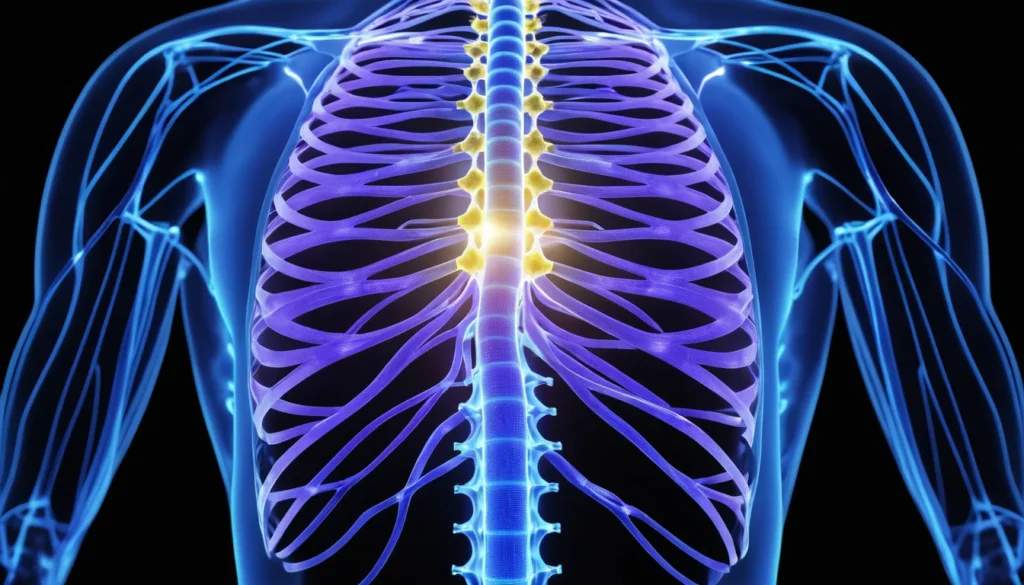
Muscle symptoms are also very common. These include tingling, numbness, cramps, and painful muscle contractions. In some cases, the hand twists into a claw-like position known as the “obstetrician’s hand.” The foot may also cramp in a similar way. Some people have difficulty opening their mouth fully.
Fatigue and Other Physical Symptoms
People with spasmophilia often feel a deep, heavy fatigue — especially in the morning. This is called asthenia. It can be both physical and mental exhaustion.
Other symptoms may include:
Heart palpitations or a racing heartbeat (tachycardia)
Chest discomfort or pain
Abdominal cramps or intestinal spasms
Nausea
Trembling, shivering, or cold sweats
Numbness or unusual sensations in the hands or feet
Finger spasms or twitching
Grimacing or facial muscle tension
General feeling of illness or lethargy
Furthermore, some people experience digestive issues like chronic diarrhoea or intestinal spasms alongside the main muscle and breathing symptoms.
What Causes Spasmophilia?
Doctors do not fully understand the exact cause of spasmophilia. However, several factors appear to play a role. Most experts point to a combination of stress, nutritional deficiencies, and sleep problems.
Stress and the Anxiety Cycle
One leading theory is that spasmophilia starts as an overreaction to stress or anxiety. A stressful situation triggers physical symptoms. Those symptoms then create more fear, which makes the symptoms worse. This is called a vicious cycle.
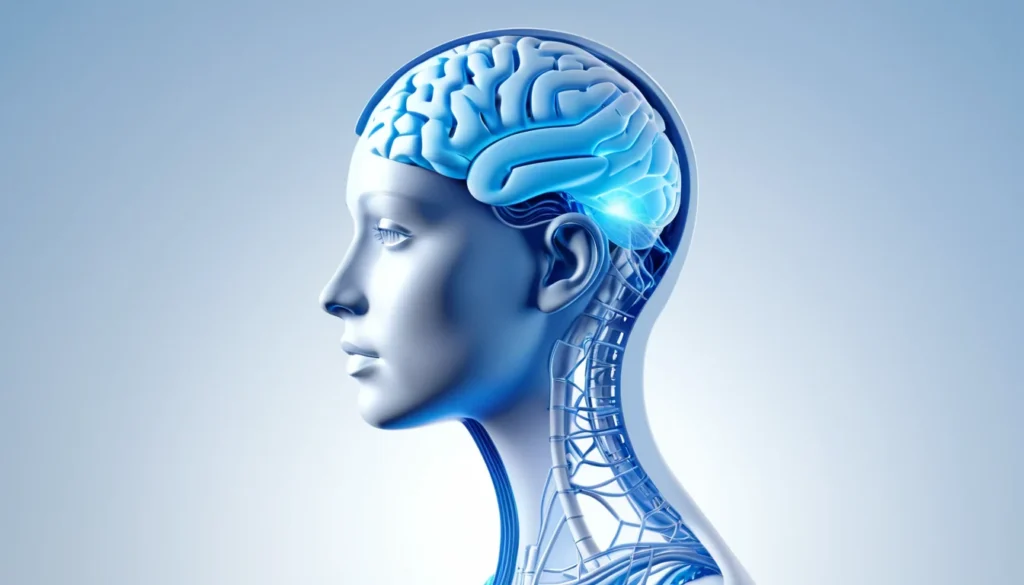
For example, feeling short of breath during anxiety leads to hyperventilation. Hyperventilation then causes tingling and muscle spasms. Those sensations increase fear, and the cycle continues. Muscle spasms and anxiety feed into each other in this way.
Low Calcium and Magnesium Levels
Another strong theory involves low levels of calcium and magnesium in the blood. Both minerals play a key role in how muscles contract and how nerves send signals. When these levels drop too low, the nervous system becomes overactive.
Low blood calcium — known medically as hypocalcaemia — is a common trigger. There are many reasons calcium levels may fall, including:
Poor nutrition or malnutrition
Vitamin D deficiency (very common in Canada, especially in winter months)
Pregnancy or breastfeeding
Kidney disease
Thyroid or pancreas disorders
Severe or chronic diarrhoea
Certain medications
Therefore, addressing low calcium is often an important first step in treating spasmophilia. According to the Mayo Clinic’s guide on muscle cramps, mineral imbalances are a well-established cause of involuntary muscle contractions.
Sleep Disorders
Poor sleep is also believed to contribute to spasmophilia. Disrupted or inadequate sleep leads to increased fatigue and a condition called neurodystonia — a state of imbalance in the nervous system. As a result, the body becomes more sensitive to stress and more prone to muscle spasms.
Serious Conditions Linked to Spasmophilia
In some cases, the symptoms of spasmophilia may point to a more serious underlying health problem. It is important not to dismiss these symptoms without a proper medical evaluation.
Serious conditions that can cause similar symptoms include:
Acute kidney failure
Acute pancreatitis
Stroke
In addition, if left untreated, severe hypocalcaemia and related conditions can lead to serious complications, including brain damage, organ failure, paralysis, or loss of consciousness.
When to See a Doctor
If you are experiencing recurring muscle spasms and anxiety episodes, it is a good idea to speak with your family doctor or visit a walk-in clinic. Many provincial health plans cover assessments for these kinds of symptoms. Your doctor can order blood tests to check your calcium, magnesium, and vitamin D levels.
However, some symptoms require immediate emergency care. Call 911 or go to your nearest emergency room right away if you or someone else experiences:
Fainting or loss of consciousness
Sudden weakness or numbness on one side of the body
Slurred or unclear speech
Sudden memory loss or confusion
Seizures or convulsions
Vision changes or loss
Severe headache
Paralysis
Repeated vomiting
These symptoms may indicate a stroke, severe metabolic crisis, or another life-threatening condition. Do not wait to seek help.
How Is Spasmophilia Treated?
Treatment for spasmophilia depends on the underlying cause. In Canada, your family doctor or specialist will work with you to find the right approach. There is no single treatment that works for everyone.
Correcting Nutritional Deficiencies
If low calcium, magnesium, or vitamin D is the cause, the first step is to correct these levels. Your doctor may recommend dietary changes or supplements. In some cases, intravenous (IV) calcium may be needed in a hospital setting. Given Canada’s long winters and limited sunlight, vitamin D deficiency is especially common and worth checking.
Treating Underlying Medical Conditions
If a thyroid, parathyroid, or pancreas disorder is causing low calcium, your doctor may refer you to a specialist. Treatment may involve medication or surgery to address the affected gland. Kidney disease and other serious conditions will also require targeted medical treatment.
Managing Anxiety and Stress
When muscle spasms and anxiety are the main drivers of spasmophilia, psychological treatment can be very effective. Cognitive behavioural therapy (CBT) is one of the most recommended approaches. CBT helps you identify and change the thought patterns that fuel the anxiety-spasm cycle.
Breathing control techniques are also a core part of treatment. Learning to breathe slowly and deeply can stop hyperventilation and reduce muscle tension quickly. In some cases, a specialist may carefully prescribe antidepressants, weighing the benefits against potential side effects and the risk of dependency.
For a deeper look at how anxiety affects the body physically, Healthline’s overview of physical symptoms of anxiety offers helpful, evidence-based information.
Frequently Asked Questions About Spasmophilia
What is the difference between spasmophilia and a panic attack?
Spasmophilia and panic attacks share many symptoms, including rapid breathing, heart palpitations, and intense fear. However, spasmophilia also involves physical muscle spasms and anxiety together, often linked to low calcium or magnesium levels. A panic attack is primarily a psychological event, while spasmophilia has a stronger neuromuscular component.
Can low calcium cause muscle spasms and anxiety?
Yes, low calcium — known as hypocalcaemia — is one of the most common causes of both muscle spasms and anxiety-like symptoms. Calcium plays a key role in nerve signalling and muscle contraction, so when levels drop, the nervous system becomes overactive. Your doctor can check your calcium levels with a simple blood test.
Is spasmophilia a recognized medical diagnosis in Canada?
Spasmophilia is a controversial concept and is not universally recognized as a formal diagnosis in all countries, including Canada. Canadian doctors are more likely to investigate the underlying causes — such as hypocalcaemia, anxiety disorders, or sleep problems — and treat those directly. If your symptoms match those described, speak with your family doctor for a proper assessment.
What vitamins or minerals help with muscle spasms and anxiety?
Calcium, magnesium, and vitamin D are the three nutrients most closely linked to muscle spasms and anxiety. Magnesium in particular supports both muscle relaxation and nervous system calm. However, you should always consult your doctor before starting supplements, as too much of certain minerals can cause other health problems.
Can spasmophilia go away on its own?
Mild episodes of spasmophilia may improve with stress reduction, better sleep, and improved nutrition. However, if episodes are frequent or severe, they are unlikely to resolve without addressing the root cause. Seeking care from your family doctor or a walk-in clinic is the safest approach to getting lasting relief.
When should I go to the emergency room for muscle spasms?
You should go to the emergency room immediately if your muscle spasms are accompanied by sudden weakness on one side of the body, slurred speech, seizures, loss of consciousness, or a severe headache. These signs may indicate a stroke or serious metabolic crisis that requires urgent medical attention. Do not drive yourself — call 911.
Key Takeaways
Spasmophilia is a syndrome involving muscle spasms and anxiety, hyperventilation, and neuromuscular overactivity.
It mainly affects women aged 15 to 45, but can occur in anyone.
Low calcium and magnesium are common causes, and vitamin D deficiency is especially relevant in Canada.
The anxiety-spasm cycle can make symptoms worse over time without proper care.
Treatment may include nutritional correction, CBT, breathing techniques, and — in some cases — medication.
Some symptoms, like sudden one-sided weakness or seizures, are medical emergencies. Call 911 immediately.
Always speak with your family doctor, a walk-in clinic, or a specialist before starting any treatment plan. This article is for informational purposes only and does not replace professional medical advice.