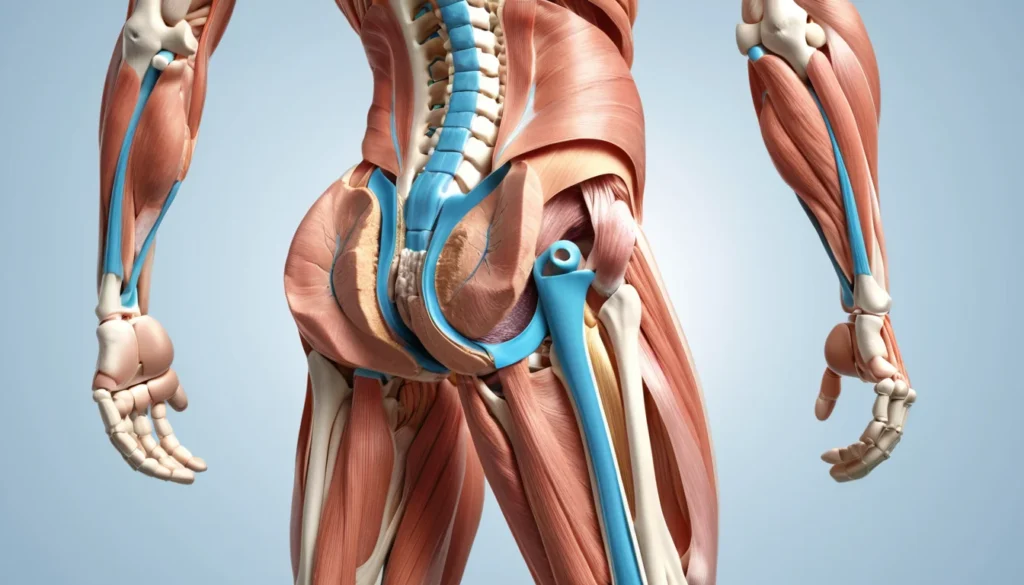
Muscle pain, also called myalgia, is something almost every Canadian will experience at some point in their life. It can range from a mild ache after a workout to deep, lasting discomfort that affects your daily routine. While most muscle pain goes away on its own within a few days, some cases can linger for weeks or even months. This article explains what causes muscle pain, how to treat it at home, and when it is time to see a healthcare provider.
What Is Muscle Pain (Myalgia)?
Muscle pain can affect any part of your body — your neck, back, legs, arms, or hands. The pain may feel like a dull ache, a sharp sting, or a deep throbbing sensation. In some cases, only one muscle group is affected. In others, the soreness spreads across your entire body.
There are two main types of muscle pain. Localised muscle pain affects one specific area, usually from overuse or injury. Widespread muscle pain affects the whole body and is often linked to an infection, a medical condition, or a side effect from medication. Widespread muscle pain should always be assessed by a doctor.
Common Causes of Muscle Pain
The most common causes of muscle pain are overexertion, minor injuries, and physical or emotional stress. These types of aches are usually harmless and easy to manage at home. However, muscle pain can also point to a more serious underlying health issue.
Lifestyle and Physical Causes
Many Canadians experience muscle soreness after physical activity, especially after starting a new exercise routine or pushing harder than usual. Stress and tension in the body can also cause the muscles in your neck, shoulders, and back to tighten and ache. Dehydration and low levels of potassium or vitamin D can contribute to muscle cramps and general soreness as well.
Common lifestyle-related causes of muscle pain include:
Delayed onset muscle soreness (DOMS) — soreness that appears 12 to 48 hours after exercise
Muscle strains or tears — from sudden movements or heavy lifting
Muscle cramps — sudden, painful contractions that can strike without warning
Compartment syndrome — pressure that builds in a muscle group after intense, repeated effort
Claudication — muscle pain caused by reduced blood flow, often felt in the legs during activity
Severe dehydration — a frequently overlooked cause of muscle aches
Low potassium or vitamin D levels — both can cause significant muscle discomfort
Medical Conditions That Cause Muscle Pain
Sometimes, muscle pain is a symptom of a larger health condition. Widespread or persistent muscle pain that has no obvious cause should be checked by your family doctor. Several conditions are known to cause muscle pain throughout the body.
These include:
Fibromyalgia — a chronic condition that causes widespread muscle and joint pain
Polymyalgia rheumatica — an inflammatory condition that causes stiffness and pain, most often in older adults
Chronic fatigue syndrome — persistent exhaustion often accompanied by muscle aches
Dermatomyositis and polymyositis — inflammatory muscle diseases
Lupus — an autoimmune disease that can cause widespread muscle and joint pain
Lyme disease — transmitted by tick bites and common in many parts of Canada
Influenza (the flu) — muscle aches are one of the hallmark symptoms
HIV/AIDS — can cause muscle pain as part of its systemic effects
Rhabdomyolysis — a serious condition where muscle tissue breaks down rapidly
Porphyria — a rare group of disorders that can affect the muscles and nervous system
Post-polio syndrome — muscle weakness and pain in polio survivors
Staphylococcal infections — bacterial infections that can spread to muscle tissue
Myofascial pain syndrome — chronic pain in the connective tissue that covers the muscles
Genetic conditions — such as metabolic myopathies and Ehlers-Danlos syndrome
Medications That Can Cause Muscle Pain
Certain medications are known to cause muscle pain as a side effect. Statins — a class of cholesterol-lowering drugs — are one of the most common culprits. These include medications like atorvastatin, lovastatin, and simvastatin. ACE inhibitors, which are used to treat high blood pressure (such as enalapril and captopril), can also contribute to muscle discomfort in some people.
If you recently started a new medication or increased your dose and have noticed new muscle pain, speak with your pharmacist or doctor. Never stop a prescribed medication without professional guidance. You can also learn more about medication side effects through Health Canada’s official drug information resources.
Delayed Onset Muscle Soreness (DOMS): The Post-Workout Ache
If you have ever felt stiff and sore one or two days after a hard workout, you have experienced delayed onset muscle soreness, commonly known as DOMS. This is one of the most common forms of muscle pain in Canada, affecting both beginner exercisers and seasoned athletes alike.
DOMS typically appears 12 to 48 hours after physical activity. It usually resolves on its own within a few days to a week. The discomfort is caused by microscopic damage to the muscle fibres, which is actually a normal part of how muscles grow stronger over time.
The best approach is to keep moving at a moderate pace rather than resting completely. Light walking, gentle stretching, or low-impact activity can help ease the discomfort. Interestingly, research shows that stretching before or after exercise does not significantly prevent DOMS. Some people find that massage helps relieve the ache, which is a perfectly reasonable option to explore. For more detail on exercise-related muscle soreness, Mayo Clinic’s guidance on muscle soreness after exercise is a helpful resource.
Home Treatment for Muscle Pain
Most mild muscle pain responds well to simple home care. The key is to treat the area promptly and give your body time to recover. Even more serious muscle injuries often improve with the right at-home approach, though they may take several weeks or months to fully heal.
The RICE Method
The RICE method is a well-known first-aid approach for muscle pain and injury. It stands for Rest, Ice, Compression, and Elevation. This method works best in the first 48 to 72 hours after an injury or flare-up.
Rest — Take a break from the activity that caused the pain. Avoid pushing through severe discomfort.
Ice — Apply an ice pack wrapped in a cloth to the sore area for 15 to 20 minutes at a time. Do not apply ice directly to the skin.
Compression — Use a bandage or compression wrap to reduce swelling around the affected muscle.
Elevation — If the pain is in your legs or arms, raise the affected limb above heart level to help reduce swelling.
Other Home Remedies
Over-the-counter pain relievers such as ibuprofen or acetaminophen can help manage mild to moderate muscle pain. Follow the dosing instructions on the label carefully. A warm bath or heating pad can also relax tight muscles, especially when the pain is related to stress or tension rather than inflammation.
Staying well hydrated is important too. Muscle cramps and general aches can worsen when you are not drinking enough water, particularly during hot weather or after heavy exercise. Eating a balanced diet that includes enough potassium — found in bananas, sweet potatoes, and leafy greens — and getting adequate vitamin D also supports healthy muscle function.
When to See a Doctor for Muscle Pain
Most muscle pain is not a medical emergency. However, there are clear signs that you should stop waiting and seek professional care. In Canada, you have several options — you can book an appointment with your family doctor, visit a walk-in clinic, or in urgent situations, go to your nearest emergency department. Most provincial health plans cover these visits.
See Your Family Doctor or Walk-In Clinic If You Have:
Muscle pain that does not improve after a week of home treatment
Sudden, severe muscle pain during or after exercise that keeps coming back
Signs of a serious muscle strain or tear
A tick bite or a skin rash along with muscle aches (this could indicate Lyme disease)
New muscle pain after starting or increasing a medication, especially a statin
Muscle pain with no clear cause that is getting worse over time
Go to Emergency or Call 911 If Muscle Pain Is Combined With:
Dizziness or difficulty breathing
Severe muscle weakness that comes on suddenly
A high fever and a stiff neck (which can indicate meningitis)
Dark or cola-coloured urine alongside muscle pain (a possible sign of rhabdomyolysis)
It is always better to err on the side of caution. As with any health concern, please speak with a qualified healthcare provider who can assess your specific situation. The information here is for general guidance only and is not a substitute for professional medical advice. You can also find reliable information about muscle conditions through Healthline’s overview of myalgia and muscle pain.
Frequently Asked Questions About Muscle Pain
How long does muscle pain usually last?
Most mild muscle pain from exercise or overuse lasts between two and five days. If your muscle pain has not improved after a week of rest and home care, it is a good idea to visit your family doctor or a walk-in clinic to rule out an underlying cause.
What is the fastest way to relieve muscle pain at home?
The fastest way to relieve muscle pain at home is to use the RICE method — Rest, Ice, Compression, and Elevation. Over-the-counter pain relievers like ibuprofen or acetaminophen can also help reduce discomfort. Staying hydrated and doing gentle movement may speed up recovery as well.
Can stress cause muscle pain?
Yes, stress is a very common cause of muscle pain, especially in the neck, shoulders, and back. When you are stressed, your body tenses up, which can lead to tight, sore muscles over time. Managing stress through exercise, adequate sleep, and relaxation techniques can help reduce this type of muscle pain.
Can medications cause muscle pain?
Yes, certain medications are known to cause muscle pain as a side effect. Statins, which are used to lower cholesterol, are one of the most common examples. If you notice new or worsening muscle pain after starting a medication, talk to your pharmacist or doctor before making any changes to your prescription.
What does widespread muscle pain all over the body mean?
Widespread muscle pain that affects your entire body can be a sign of an infection like the flu, or a medical condition such as fibromyalgia or lupus. It can also result from dehydration or a nutritional deficiency. If your muscle pain is widespread and has no obvious cause, see your family doctor for a proper assessment.
Is it safe to exercise with muscle pain?
Light to moderate activity is generally safe and even helpful when you have mild muscle pain from exercise. However, if your muscle pain is severe, came on suddenly, or is related to an injury, you should rest and seek medical advice before returning to physical activity. Pushing through serious muscle pain can make an injury worse.
Key Takeaways
Muscle pain (myalgia) is extremely common and can affect any muscle group in the body.
The most frequent causes are overexertion, stress, minor injuries, and dehydration.
DOMS — post-workout soreness — is normal and usually resolves within a few days to a week.
Home treatment using the RICE method, over-the-counter pain relief, and staying hydrated works well for most mild cases.
Widespread or unexplained muscle pain may signal an underlying medical condition and should be evaluated by a doctor.
Certain medications, especially statins, can cause muscle pain as a side effect — always check with your doctor or pharmacist.
Visit your family doctor or a walk-in clinic if muscle pain lasts more than a week, keeps coming back, or is getting worse.
Seek emergency care immediately if muscle pain is paired with breathing difficulties, severe weakness, high fever, or a stiff neck.
This article is for informational purposes only. Always consult a licensed healthcare provider for advice tailored to your individual health needs.