Muscle pain is one of the most common health complaints that Canadians experience. It can range from a mild ache after exercise to severe discomfort that affects your daily life. This article explains what causes muscle pain, what symptoms to watch for, and what treatments can help you feel better. Whether your pain is from a tough workout or an underlying health condition, understanding your options is the first step toward relief.
What Is Muscle Pain?
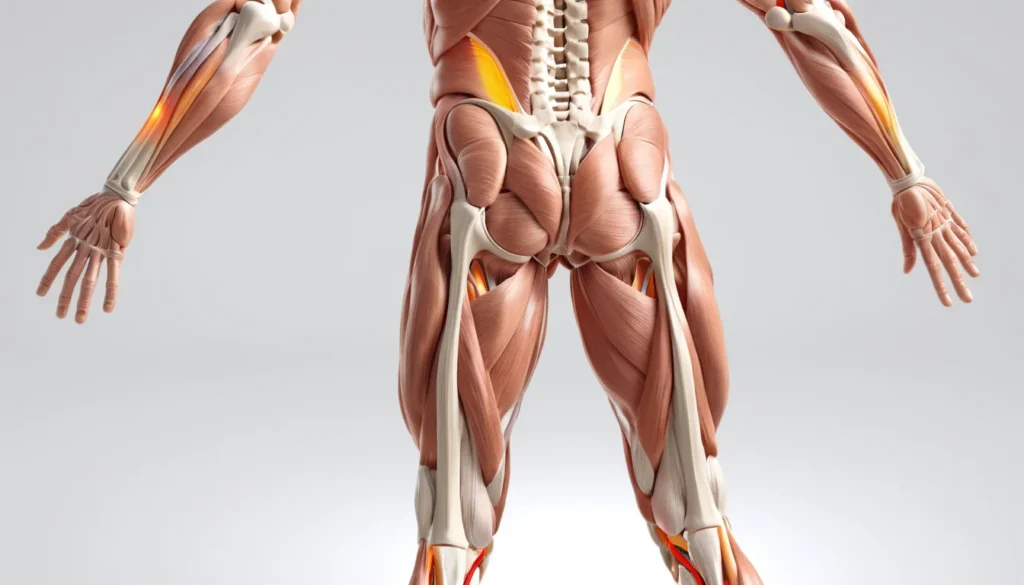
Muscle pain, also known medically as myalgia, refers to discomfort, soreness, or aching felt in one or more muscles. Almost everyone experiences it at some point in their life. It can affect any muscle in the body, including those in your legs, back, neck, or shoulders.
Muscle pain can be short-term (acute) or long-lasting (chronic). Acute muscle pain usually comes on suddenly and resolves within a few days. Chronic muscle pain lasts for weeks or even months and may signal an underlying condition that needs medical attention.
According to the Mayo Clinic’s overview of muscle pain, myalgia is extremely common and can involve ligaments, tendons, and the soft tissues around muscles as well.
Common Causes of Muscle Pain
Muscle pain has many possible causes. Some are straightforward, while others point to a more serious health issue. Understanding the cause is key to finding the right treatment.
Overuse and Physical Activity
One of the most frequent causes of muscle pain is overuse. This happens when you push your muscles harder than they are used to. For example, starting a new exercise routine, shovelling snow after a long winter, or doing heavy lifting can all lead to next-day soreness.
This type of muscle pain is known as delayed onset muscle soreness (DOMS). It usually peaks 24 to 72 hours after activity. Fortunately, it tends to improve on its own with rest.
Muscle Tension and Stress
High muscle tension, sometimes called hypertonia, is another common culprit. When muscles stay contracted for too long — often due to stress, poor posture, or sitting at a desk all day — they can become painful and stiff. Many Canadians who work office jobs experience this type of tension in their neck and shoulders.
Emotional stress can also cause muscles to tighten up. Therefore, managing stress through relaxation techniques, movement, and good sleep can make a real difference.
Injury and Trauma
A direct injury — such as a strain, sprain, or blow to the muscle — can cause immediate and sometimes severe muscle pain. Sports injuries are a common example. However, even everyday activities like twisting awkwardly or lifting something heavy can lead to muscle trauma.
Minor injuries often heal within a week or two with rest, ice, and over-the-counter pain relief. More serious injuries may need professional care.
Infections and Illness
Muscle pain is a well-known symptom of many infections. The flu is a classic example — that deep, whole-body ache you feel is your immune system fighting off the virus. COVID-19 also commonly causes significant muscle pain.
Other infections that can lead to muscle aches include Lyme disease, Rocky Mountain spotted fever, and certain bacterial infections. If your muscle pain comes with fever, chills, or a rash, see a healthcare provider promptly.
Autoimmune and Chronic Conditions
Some longer-term health conditions cause ongoing muscle pain. These include fibromyalgia, lupus, rheumatoid arthritis, and polymyalgia rheumatica. In these cases, the body’s immune system mistakenly attacks its own tissues, leading to widespread pain and inflammation.
Hypothyroidism (an underactive thyroid) and certain medications — such as statins used to lower cholesterol — can also cause muscle pain as a side effect. In addition, conditions like multiple sclerosis or chronic fatigue syndrome are sometimes linked to persistent muscle discomfort.
For more detail on the range of conditions that cause muscle pain, visit Healthline’s comprehensive guide to muscle aches.
Symptoms to Watch For
Muscle pain itself is a symptom, but it is important to pay attention to what comes along with it. The nature of your pain — where it is, how it feels, and what other symptoms you have — can help your doctor figure out the cause.
Localised vs. Widespread Pain
Localised muscle pain affects one specific area, such as a pulled calf muscle or a strained shoulder. Widespread muscle pain affects many parts of the body at once. Widespread pain is more commonly linked to infections, autoimmune conditions, or systemic illness.
Pay attention to whether your pain moves around, stays in one spot, or seems to get worse with certain movements. These details are helpful for your healthcare provider.
Other Symptoms That May Accompany Muscle Pain
Muscle pain often does not come alone. Depending on the cause, you might also notice:
Swelling or redness around the affected muscle
Weakness or difficulty moving the muscle
Fever or chills
Fatigue or low energy
Stiffness, especially in the morning
Skin changes, such as a rash
If you experience any of these alongside your muscle pain, it is a good idea to speak with a healthcare provider rather than waiting it out.
How Muscle Pain Is Diagnosed
Diagnosing the cause of muscle pain usually starts with a conversation. Your family doctor will ask about your symptoms, activity level, recent illnesses, and any medications you take. They will also perform a physical exam.
In some cases, blood tests may be ordered to check for infection, inflammation, thyroid problems, or autoimmune markers. Imaging tests like an X-ray or MRI are sometimes used if injury or a structural problem is suspected.
However, for most cases of short-term muscle pain linked to activity or mild tension, no tests are needed. Your doctor can usually determine the cause from your history alone.
Treatment Options for Muscle Pain
Treatment for muscle pain depends on what is causing it. The goal is always to address the underlying issue while also relieving your discomfort.
Rest and Home Remedies
For mild muscle pain caused by activity or tension, rest is often the best medicine. Give the affected muscles time to recover. Avoid the activity that caused the pain for a day or two.
Applying ice to the area in the first 48 hours can reduce swelling. After that, heat — such as a warm bath or heating pad — can help relax tight muscles. These simple steps work well for most cases of everyday muscle pain.
Over-the-Counter Pain Relief
Non-prescription pain relievers can help manage muscle pain effectively. Common options available in Canadian pharmacies include:
Acetaminophen (Tylenol): Good for general pain relief without anti-inflammatory effects
Ibuprofen (Advil, Motrin): Reduces both pain and inflammation
Naproxen (Aleve): Longer-lasting anti-inflammatory relief
Topical creams and gels: Products like diclofenac gel or menthol-based creams applied directly to the skin
Always follow the dosage instructions on the label. If you have kidney, liver, or stomach issues, check with your pharmacist before using anti-inflammatory medications.
Muscle Relaxants
For more significant muscle spasms or tension, a doctor may prescribe a muscle relaxant. These medications help reduce muscle contractions and ease discomfort. However, they are typically only used for short periods and can cause drowsiness.
Muscle relaxants are not available over the counter in Canada. You will need a prescription from your family doctor or a walk-in clinic physician.
Physiotherapy and Movement
Physiotherapy is a highly effective treatment for many types of muscle pain. A registered physiotherapist can assess your movement, identify muscle imbalances, and guide you through targeted exercises. This approach is especially helpful for chronic or recurring muscle pain.
Gentle movement and stretching are also important. Staying still for too long can actually make muscle pain worse. Low-impact activities like walking, swimming, or yoga can keep blood flowing and support recovery. Most provincial health plans in Canada cover physiotherapy to some extent, so check with your provider.
Treating the Underlying Condition
When muscle pain is caused by an infection, autoimmune disease, or another health condition, treating that underlying cause is the most important step. For example, antiviral or antibiotic medications may be used for infections, while anti-inflammatory drugs or immune-modulating therapies may be prescribed for autoimmune conditions.
As a result, getting an accurate diagnosis is essential. Masking pain without addressing its root cause can sometimes delay important treatment.
For guidance on managing chronic pain conditions, Health Canada’s chronic pain resources offer trusted Canadian information and support.
When to See a Doctor
Most muscle pain gets better on its own within a few days. However, some situations call for professional medical attention. Do not wait — visit your family doctor or a walk-in clinic if you experience any of the following:
Muscle pain that does not improve after one week of home treatment
Severe or sudden muscle pain with no clear cause
Muscle pain following a tick bite or a rash
Weakness, numbness, or tingling along with the pain
Difficulty breathing or swallowing
Fever above 38.5°C alongside muscle aches
Dark or brownish-red urine (this can indicate a serious muscle breakdown condition called rhabdomyolysis)
Muscle pain that began after starting a new medication
If you do not have a family doctor, walk-in clinics are available across Canada and can assess your muscle pain without an appointment. Many provinces also offer virtual care options where you can speak with a nurse or doctor by phone or video call.
As always, your healthcare provider is your best resource. This article provides general information, but it is not a substitute for personalised medical advice. Please consult your doctor for any concerns about your health.
Frequently Asked Questions About Muscle Pain
What is the most common cause of muscle pain?
The most common cause of muscle pain is overuse or physical activity, such as starting a new exercise routine or doing heavy work. This type of muscle pain usually resolves within a few days with rest. Tension from stress or poor posture is another very frequent cause, especially for neck and shoulder discomfort.
How do I know if my muscle pain is serious?
Muscle pain is likely serious if it is severe, does not improve after a week, or comes with symptoms like fever, weakness, rash, or dark urine. Unexplained widespread muscle pain that lasts more than a few weeks should also be assessed by a doctor. When in doubt, visit your family doctor or a walk-in clinic for a proper evaluation.
Can stress cause muscle pain?
Yes, stress is a well-recognised cause of muscle pain and tension. When you are stressed, your body releases hormones that cause muscles to tighten and contract. Over time, this sustained tension can lead to soreness, particularly in the neck, shoulders, and upper back.
What is the fastest way to relieve muscle pain at home?
For quick relief from muscle pain, try resting the affected area, applying ice in the first 48 hours, and using over-the-counter pain relievers like ibuprofen or acetaminophen. After 48 hours, switching to heat — such as a warm bath or heating pad — can help relax tight muscles. Gentle stretching and staying hydrated also support faster recovery.
Can muscle pain be a sign of a more serious condition?
Yes, persistent or widespread muscle pain can sometimes indicate an underlying condition such as fibromyalgia, lupus, hypothyroidism, or an infection like Lyme disease. Certain medications, including cholesterol-lowering statins, can also cause significant muscle pain as a side effect. If your muscle pain is ongoing or unusual, speak with your doctor to rule out these causes.
Does physiotherapy help with chronic muscle pain?
Physiotherapy is one of the most effective treatments for chronic muscle pain. A physiotherapist can identify the root cause of your pain, correct muscle imbalances, and guide you through targeted exercises to build strength and flexibility. Many provincial health plans in Canada offer some coverage for physiotherapy, making it an accessible option for many Canadians.
Key Takeaways
Muscle pain (myalgia) is extremely common and can be caused by overuse, tension, injury, infection, or chronic health conditions.
Short-term muscle pain from activity or stress usually resolves with rest, ice, heat, and over-the-counter pain relievers.
Widespread or persistent muscle pain may signal an underlying condition that needs medical diagnosis and treatment.
Physiotherapy, gentle movement, and addressing the root cause are key to long-term relief from muscle pain.
Visit your family doctor or a walk-in clinic if your muscle pain is severe, lasts more than a week, or comes with other concerning symptoms.
Always consult a healthcare professional for personalised advice — this article is for general information only.