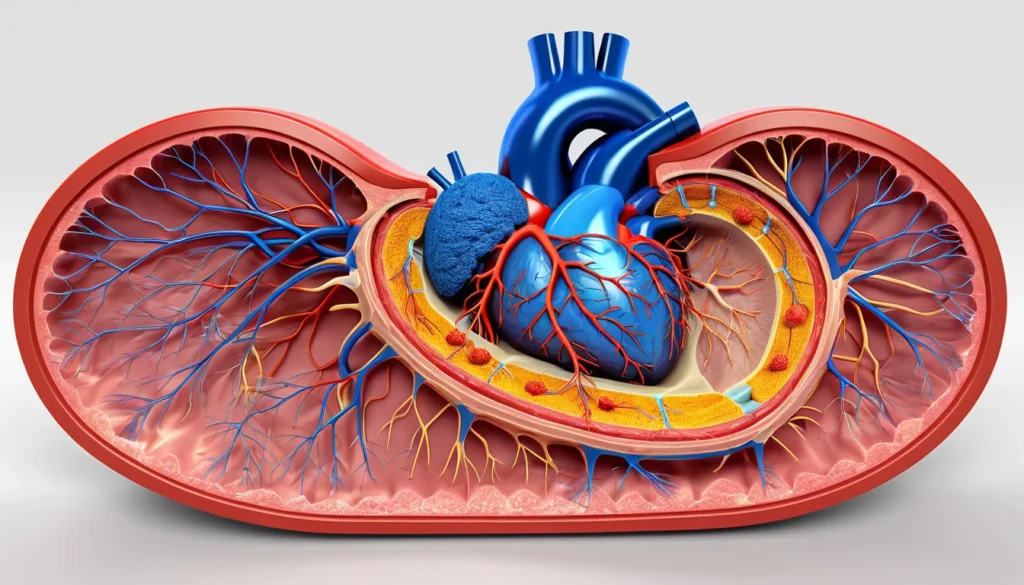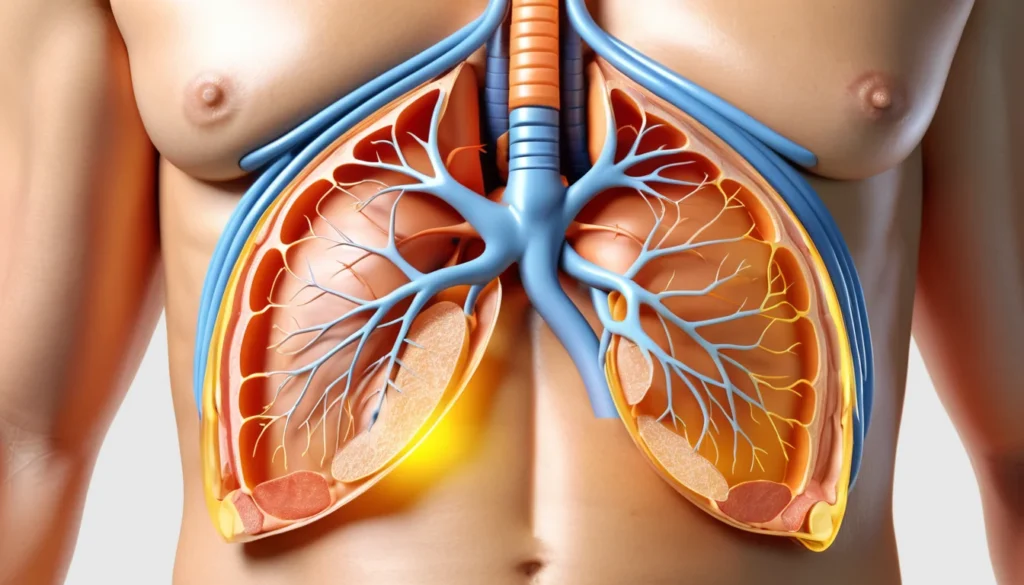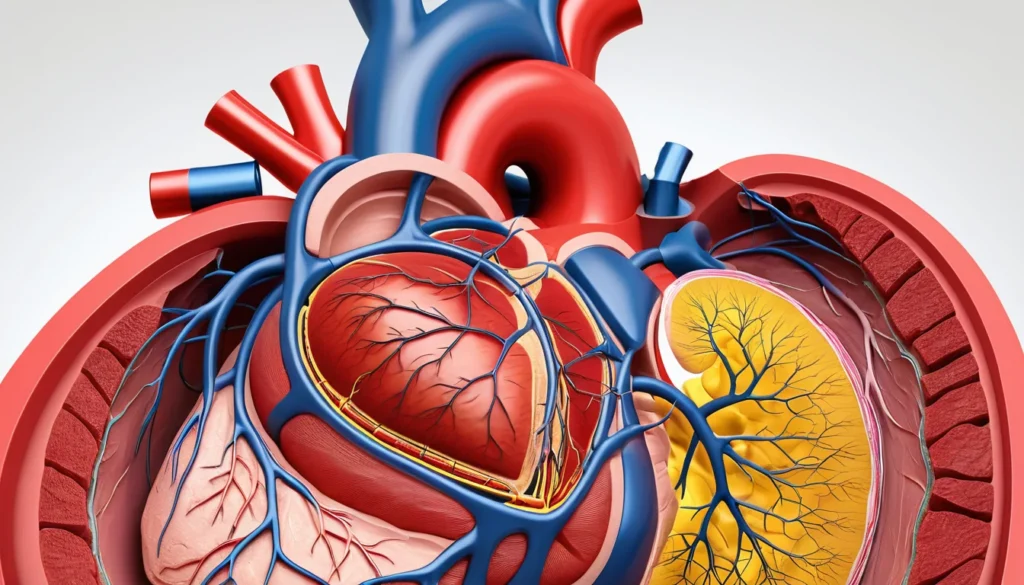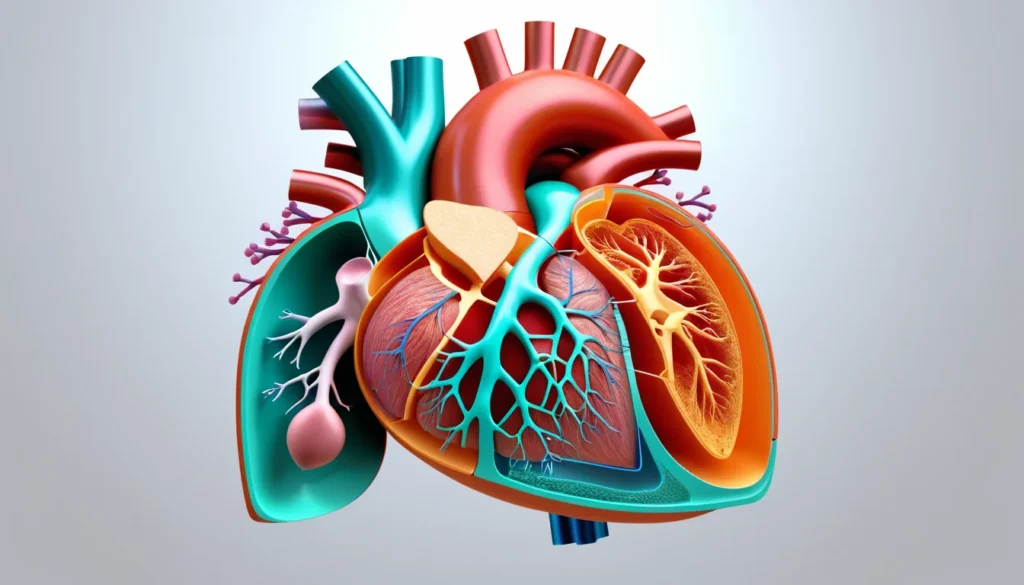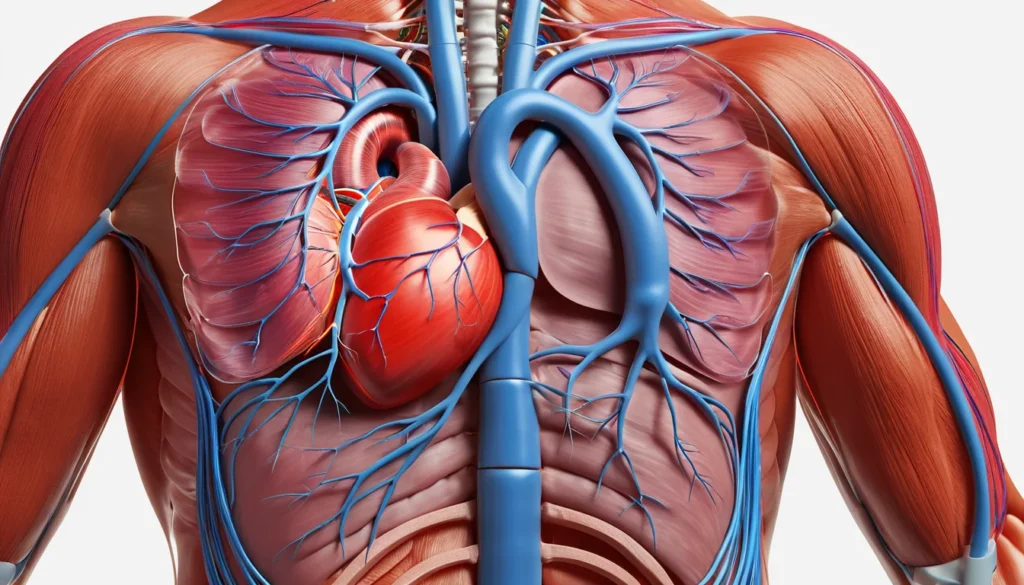
New research suggests a surprising link between muscle mass and heart disease risk. Studies show that men with lower muscle mass may face a significantly higher chance of developing cardiovascular problems, including stroke and heart attack. Understanding this connection could help everyday Canadians take better steps to protect their long-term heart health.
What Is Muscle Mass and Why Does It Matter?
The human body has over 600 muscles. Together, they make up roughly 40% of your total body weight. Muscles do far more than help you lift groceries or climb stairs.
Your muscles support vital organ function, regulate blood sugar, and help control body weight. Higher muscle mass is linked to better overall health and a longer life expectancy. In short, keeping your muscles strong is one of the smartest things you can do for your body.
Unfortunately, muscle loss is a natural part of aging. Research shows that men can lose 3–5% of their muscle mass per decade after age 30. Women also experience muscle loss, though typically at a slower rate. This gradual decline is called sarcopenia, and it can quietly raise your risk of serious health problems.
The Link Between Muscle Mass and Heart Disease
For years, doctors knew that people with heart disease who lost significant muscle mass faced worse outcomes. However, far less was known about whether low muscle mass could actually increase the risk of developing heart disease in the first place.
Researchers in Spain and Greece set out to fill that gap. Their findings shed important new light on muscle mass and heart disease risk, particularly in men over 45.
What the Research Found
The study followed 2,020 participants — half men, half women — over a period of 10 years. All participants were over 45 years old and had no history of heart disease at the start of the study.
Researchers collected detailed health data at the beginning of the study. This included diet habits, physical activity levels, blood fat levels, inflammation markers, blood pressure, height, and weight. They also measured each participant’s muscle mass and adjusted results based on body size.
Over the 10-year follow-up period, researchers recorded 272 cardiovascular events. These included non-fatal and fatal events such as stroke and heart attack.
Key Findings for Men
The results were striking, particularly for male participants. Men with the highest levels of muscle mass had an 81% lower risk of developing cardiovascular problems compared to men with the least muscle mass. That is a remarkable difference.
Furthermore, men overall were found to be four times more likely to develop cardiovascular disease than women during the study period. Researchers also noted that higher muscle mass was linked to a lower prevalence of major cardiovascular risk factors, including high blood pressure, type 2 diabetes, and obesity.
Why Were Results Different for Women?
Interestingly, the protective link between muscle mass and heart disease risk was not clearly observed in women. Researchers believe hormonal differences may play an important role. As men and women age differently from a hormonal standpoint, those differences may explain why the results varied between the two groups.
The study’s authors are clear that more research is needed. They also acknowledge that the study cannot prove direct cause and effect. However, the results do strongly highlight the importance of preserving skeletal muscle mass, especially in men as they get older.
How Muscle Mass Protects Your Heart
So how exactly might stronger muscles lead to a healthier heart? There are several well-supported explanations.
Greater muscle mass helps your body use insulin more efficiently. This reduces the risk of type 2 diabetes, which is itself a major risk factor for heart disease. In addition, more muscle tissue helps regulate blood pressure and reduces levels of harmful fats in the blood.
Muscles also play a role in reducing chronic inflammation. According to the World Health Organization, inflammation is a key driver of cardiovascular disease. Keeping your muscles active and healthy can help keep inflammation in check.
Therefore, building and maintaining muscle is not just about looking fit. It is a genuine strategy for protecting your heart over the long term.
How to Build and Maintain Muscle Mass
The good news is that muscle loss is not inevitable. There are practical, evidence-based steps that Canadians of all ages can take to protect and even rebuild muscle mass.
Aerobic Exercise
Aerobic exercise — also called cardio — involves sustained, moderate-intensity activity. Think brisk walking, swimming, cycling, or dancing. During aerobic activity, your body uses oxygen to fuel your muscles over a longer period of time.
This type of exercise burns fat and carbohydrates as fuel. It is excellent for cardiovascular health and helps maintain a healthy weight. Most Canadian health guidelines recommend at least 150 minutes of moderate aerobic activity per week.
Anaerobic Exercise
Anaerobic exercise involves short bursts of high-intensity effort. Examples include weightlifting, resistance band training, sprinting, and bodyweight exercises like push-ups or squats. These activities push your muscles close to their maximum capacity.
Each anaerobic effort typically lasts anywhere from a few seconds to about two minutes. However, the results are powerful. The Mayo Clinic explains that strength training builds muscle, improves bone density, and supports a healthy metabolism. For Canadians looking to protect their heart health, adding resistance training two to three times per week is a smart move.
Nutrition and Protein Intake
Exercise alone is not enough. Your muscles need proper fuel to grow and repair. Protein is the most important nutrient for muscle health. Good sources include lean meats, fish, eggs, dairy products, legumes, and tofu.
Fibre-rich foods also matter. A diet high in vegetables, whole grains, and fruit supports both muscle health and cardiovascular health. Healthline notes that most active adults benefit from 1.2 to 2.0 grams of protein per kilogram of body weight per day, depending on their activity level.
In addition, staying well hydrated supports muscle function and recovery. Limit processed foods, excess sodium, and added sugars, as these can contribute to high blood pressure and inflammation.
Stay Active Every Day
You do not need a gym membership to protect your muscle mass. Small daily habits add up over time. Take the stairs instead of the elevator. Walk or cycle to nearby destinations. Garden, dance, or play with your grandchildren.
As a result of staying consistently active, you can slow natural muscle loss significantly. Even modest increases in physical activity have measurable benefits for heart health and overall wellbeing.
When to See a Doctor
If you are over 45 and concerned about muscle loss or your heart health, it is a good idea to speak with your family doctor. Your doctor can assess your cardiovascular risk factors, review your physical activity levels, and recommend a plan suited to your needs.
Do not have a family doctor? Many Canadians can access a walk-in clinic for an initial assessment. You can also check your provincial health plan for programmes that support preventive health services. In some provinces, allied health professionals like physiotherapists and registered dietitians are covered under provincial plans or workplace benefits.
Always consult a qualified healthcare provider before starting a new exercise programme, especially if you have existing health conditions or have been inactive for a long time. Your doctor can help you exercise safely and effectively.
Frequently Asked Questions
Is there a link between muscle mass and heart disease risk?
Yes, recent research suggests a meaningful connection between muscle mass and heart disease. Men with higher muscle mass were found to have up to 81% lower risk of cardiovascular events, including stroke and heart attack. Maintaining healthy muscle mass may be an important part of protecting your heart as you age.
At what age does muscle loss become a concern for heart health?
Muscle loss typically begins after age 30 and accelerates after age 45. The studies linking muscle mass and heart disease focused on adults over 45, which is the age range where cardiovascular risk begins to rise noticeably. Starting healthy habits early can help slow muscle loss and protect your heart long term.
What type of exercise is best for building muscle and protecting heart health?
A combination of aerobic exercise and resistance training offers the best results for both muscle mass and heart health. Aerobic activities like walking or swimming strengthen the heart, while anaerobic exercises like weightlifting build and preserve muscle. Most Canadian health guidelines recommend doing both types of exercise each week.
Does low muscle mass affect women’s heart health too?
The current research on muscle mass and heart disease showed stronger results in men than in women. Researchers believe hormonal differences between men and women may explain this gap. However, maintaining healthy muscle mass is still recommended for women, as it supports bone health, blood sugar control, and overall wellbeing.
How much protein do I need to maintain muscle mass as I age?
Most health experts recommend 1.2 to 2.0 grams of protein per kilogram of body weight per day for active adults. Good protein sources include lean meats, fish, eggs, legumes, and dairy products. Speaking with a registered dietitian can help you find the right amount based on your age, health, and activity level.
Can I improve my muscle mass without going to a gym?
Absolutely. Bodyweight exercises like squats, push-ups, and lunges can be done at home and are effective for building and maintaining muscle. Daily habits like walking, gardening, and taking the stairs also contribute to muscle health over time. The key is to stay consistently active, regardless of where you exercise.
Key Takeaways
Muscle mass and heart disease are meaningfully connected, especially in men over 45.
Men with the highest muscle mass had an 81% lower risk of cardiovascular events in a major 10-year study.
Higher muscle mass is also linked to lower rates of high blood pressure, diabetes, and obesity.
Muscle loss begins gradually after age 30 and can increase cardiovascular risk if left unaddressed.
Both aerobic exercise and resistance training help build and preserve muscle mass.
A protein-rich, fibre-focused diet supports muscle health alongside regular physical activity.
Talk to your family doctor or visit a walk-in clinic if you have concerns about muscle loss or heart health.
Always get medical advice before starting a new exercise or nutrition programme.