Muscle cramps are sudden, involuntary contractions of one or more muscles. They can cause intense pain and make it impossible to move the affected muscle. Many Canadians know them as “charley horses,” especially when they strike the calf or foot. This article explains why muscle cramps happen, how to treat them at home, and when it’s time to call your family doctor.
What Are Muscle Cramps?
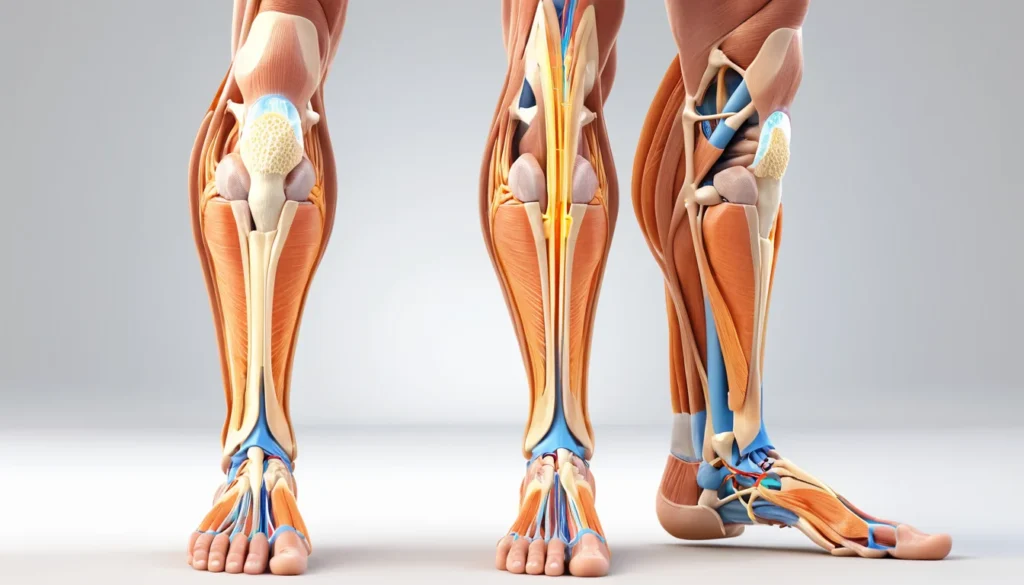
A muscle cramp happens when a muscle tightens suddenly and does not release. The pain can range from mild discomfort to sharp, severe pain. Most muscle cramps last only a few seconds to a few minutes.
You may also notice a hard lump of muscle tissue under the skin during a cramp. This is the contracted muscle and it is completely normal. It disappears once the cramp passes.
Muscle cramps are very common. They can affect anyone, from children to older adults. Athletes and pregnant people experience them more often than others.
Common Causes of Muscle Cramps
Many different things can trigger muscle cramps. Understanding the cause can help you prevent them in the future. Here are the most frequent reasons they occur.
Overuse and Physical Activity
Overworking a muscle is one of the top causes of muscle cramps. Athletes who train hard in hot weather are especially at risk. Fatigue and heavy sweating both reduce the muscle’s ability to function properly.
For example, playing hockey outdoors in summer or running a long race on a hot day can easily lead to cramping. Even repetitive tasks at home, like using a paintbrush or gardening tools for hours, can bring on cramps in the hands or arms.
Dehydration and Mineral Deficiency
Not drinking enough fluids is a major trigger. Muscles need water to contract and relax normally. When you are dehydrated, they become more irritable and prone to cramping.
Low levels of potassium, calcium, or magnesium in your diet can also contribute to muscle cramps. These minerals play a key role in muscle function. In addition, certain blood pressure medications called diuretics can lower potassium levels, making cramps more likely. Health Canada provides guidance on daily mineral intake for Canadians.
Poor Circulation
Narrowing of the arteries that supply blood to your legs can cause cramp-like pain during exercise. This condition is called arteriosclerosis of the extremities. The pain usually fades within a minute or two after you stop moving.
If you regularly get leg pain during walks that goes away with rest, speak with your family doctor. This pattern is worth investigating.
Nerve Compression
Pressure on the nerves in your lower spine can produce cramp-like pain down the leg. This is sometimes called lumbar stenosis. The pain often gets worse the longer you walk.
Interestingly, walking in a slightly bent-forward position — like pushing a shopping cart — can ease the discomfort. However, a proper diagnosis from a healthcare provider is important before assuming this is the cause.
Medical Conditions and Pregnancy
Muscle cramps can also be a symptom of underlying health conditions. These include diabetes, thyroid disorders, hormonal imbalances, anaemia, and low blood sugar. Therefore, frequent or unexplained cramps deserve medical attention.
Muscle cramps are also very common during pregnancy, especially in the later months. Leg cramps at night are particularly frequent. Mayo Clinic’s overview of muscle cramps confirms this is one of the most reported discomforts in pregnancy.
Symptoms to Watch For
The symptoms of muscle cramps are usually straightforward. Recognising them quickly helps you act fast and ease the pain sooner.
Common symptoms include:
A sudden, sharp pain in the affected muscle
A hard, visible lump or bulge under the skin
Inability to use the muscle normally during the cramp
Lingering soreness or tenderness after the cramp ends
Calf cramps and toe cramps during sleep are among the most common types. They often wake people up in the middle of the night. Furthermore, “writer’s cramp” can affect the thumb and first two fingers after long periods of writing or fine motor work.
How to Treat Muscle Cramps at Home
Most muscle cramps respond well to simple home treatment. You rarely need to visit a clinic for a basic cramp. However, acting quickly makes the recovery faster and more comfortable.
Stretch and Massage the Muscle
Gently stretching the cramped muscle is the most effective first step. For a calf cramp, stand and put your weight on the affected leg. Bend your knee slightly, or pull your toes upward toward your shin.
Follow the stretch with a light massage. Use your fingers to gently knead the muscle. This helps it relax and improves blood flow to the area.
Apply Heat or Cold
A cold compress can help relax a tense, knotted muscle right away. Apply it for a few minutes to reduce the initial tightness. Afterward, switch to warmth — a warm towel, heating pad, or warm bath works well.
The warmth helps ease any lingering soreness or sensitivity after the cramp passes. Many people find a warm bath especially soothing before bed if they get frequent nighttime leg cramps.
Stay Hydrated
Drinking fluids before, during, and after physical activity helps prevent muscle cramps from returning. Water is your best choice. Sports drinks with electrolytes can also help during intense or prolonged exercise.
As a general guide, aim for at least six glasses of fluid per day. Your exact needs depend on your age, activity level, the weather, and any medications you take.
How to Prevent Muscle Cramps
Prevention is always better than treatment. A few simple daily habits can significantly reduce how often you experience muscle cramps.
Stretch Regularly
Stretch the muscle groups you use most before and after physical activity. If nighttime leg cramps are a problem for you, try stretching your calves before bed. Hold each stretch for 20 to 30 seconds without bouncing.
Regular stretching improves flexibility and reduces muscle irritability. It is one of the most recommended strategies by physiotherapists across Canada.
Drink Enough Fluids
Do not wait until you feel thirsty to drink water. Thirst is already a sign that your body is mildly dehydrated. Keep a water bottle with you throughout the day, especially during physical activity or hot weather.
Fluids help your muscles contract and relax smoothly. They also keep muscle cells hydrated and less prone to spasms. Healthline’s guide to muscle cramps highlights hydration as one of the most important prevention tools.
Eat a Balanced Diet
Make sure your diet includes enough potassium, calcium, and magnesium. Good sources of potassium include bananas, oranges, and potatoes. Dairy products, leafy greens, and nuts provide calcium and magnesium.
If you take diuretic medications, ask your family doctor whether you need a supplement to replace lost minerals. Do not start supplements on your own without medical advice.
Avoid Staying in One Position Too Long
Holding any position for a long time — sitting, standing, or lying down — can trigger cramps. Take short breaks to move around and change positions. This is especially important if your job involves long hours at a desk or on your feet.
When to See a Doctor
Most muscle cramps are harmless and go away on their own. However, some situations call for a visit to your family doctor or a walk-in clinic.
You should seek medical advice if your muscle cramps:
Happen frequently and without an obvious cause
Are severe or last longer than a few minutes
Are accompanied by muscle weakness or swelling
Occur regularly during exercise and stop quickly with rest (possible circulation issue)
Get worse over time despite home treatment
Are associated with a new medication you have recently started
Your family doctor may recommend stretching exercises, review your medications, or order blood tests to check your mineral levels. For recurring nighttime cramps, they may also consider prescribing a muscle relaxant. Most provincial health plans in Canada cover these types of assessments, so do not hesitate to book an appointment.
If you do not have a family doctor, a walk-in clinic can assess your symptoms and refer you if needed. Always consult a healthcare professional before starting any new treatment or supplement for muscle cramps.
Frequently Asked Questions About Muscle Cramps
What causes muscle cramps at night?
Nighttime muscle cramps are often caused by dehydration, mineral deficiencies, or staying in one position for too long while sleeping. Calf and foot cramps are the most common type. Stretching your legs before bed and staying well hydrated during the day can help reduce them.
How do I stop a muscle cramp immediately?
To stop a muscle cramp quickly, gently stretch and massage the affected muscle right away. For a calf cramp, try standing on the leg and pulling your toes upward toward your shin. Applying a cold compress followed by warmth can also help ease the pain faster.
Are muscle cramps a sign of a serious health problem?
Occasional muscle cramps are usually harmless and not a sign of anything serious. However, frequent or severe muscle cramps can sometimes be linked to conditions such as diabetes, thyroid disorders, poor circulation, or nerve compression. If your cramps are happening often, it is worth discussing them with your family doctor.
Can dehydration really cause muscle cramps?
Yes, dehydration is one of the most common triggers of muscle cramps. When your body lacks fluids, your muscles become more irritable and are more likely to spasm. Drinking enough water throughout the day — especially before, during, and after exercise — is one of the best ways to prevent cramps.
What vitamins or minerals help with muscle cramps?
Low levels of potassium, magnesium, and calcium are all linked to muscle cramps. Eating a balanced diet with bananas, leafy greens, dairy, and nuts can help maintain healthy levels. Always speak with your doctor or pharmacist before taking mineral supplements, as too much of certain minerals can cause other health issues.
When should I go to a walk-in clinic for muscle cramps?
You should visit a walk-in clinic if your muscle cramps are severe, happen very frequently, or come with other symptoms like weakness, swelling, or numbness. If a new medication seems to be causing your cramps, a clinic visit is also a good idea. A healthcare provider can rule out underlying conditions and suggest the right treatment.
Key Takeaways
Muscle cramps are sudden, painful muscle contractions that affect people of all ages.
The most common causes include overuse, dehydration, mineral deficiencies, poor circulation, and nerve compression.
Most cramps can be treated at home with stretching, massage, and heat or cold therapy.
Staying well hydrated and stretching regularly are the best ways to prevent muscle cramps.
Frequent or severe muscle cramps may point to an underlying health condition and deserve attention from your family doctor or a walk-in clinic.
Always consult a healthcare professional if you are unsure about the cause of your cramps or before starting any new supplement or treatment.