Muscle atrophy means your muscles shrink and lose strength over time. It can happen gradually from inactivity, or more suddenly due to nerve damage or a serious medical condition. In Canada, many people experience some degree of muscle loss — and understanding the cause is the first step toward getting the right help.
What Is Muscle Atrophy?
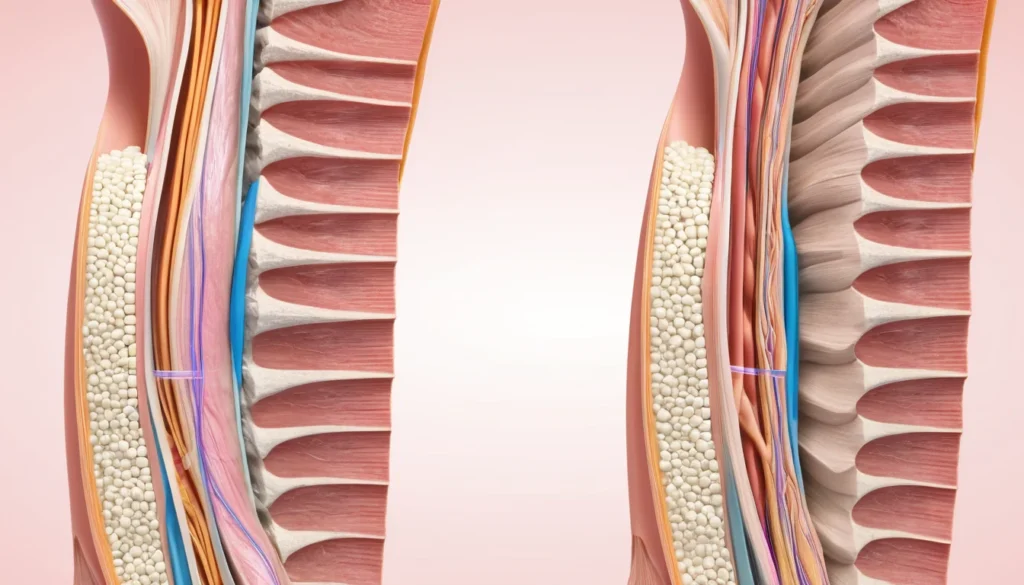
Muscle atrophy happens when muscle tissue breaks down faster than it rebuilds. The affected muscles become smaller, weaker, and harder to use. In some cases, the change is barely noticeable. In others, it can significantly affect your ability to move and live independently.
There are two main types of muscle atrophy. Knowing which type you have helps guide the right treatment.
Physiologic (Disuse) Atrophy
This is the most common type. It happens when muscles are not used enough over time. People with desk jobs, limited mobility, or low physical activity levels are most at risk. The good news is that this type is often reversible with exercise and proper nutrition.
Neurogenic Atrophy
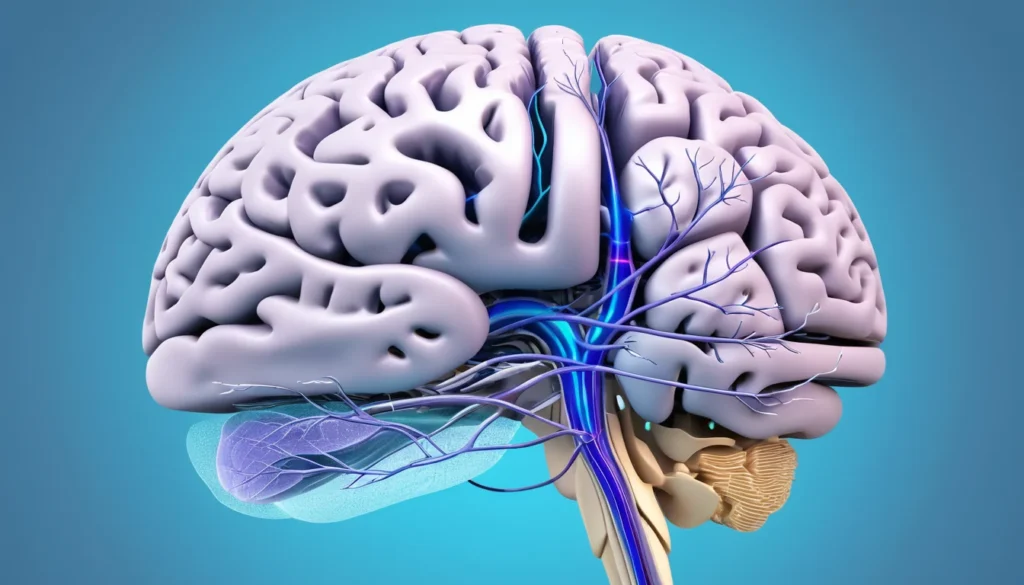
This type occurs when the nerves that control your muscles are damaged or diseased. It tends to develop more quickly than disuse atrophy. It is generally harder to treat and often requires specialist care. Conditions that can cause neurogenic atrophy include:
Amyotrophic lateral sclerosis (ALS)
Guillain-Barré syndrome
Poliomyelitis (polio)
Carpal tunnel syndrome
Spinal cord injury
Neurogenic muscle atrophy usually reduces both your range of motion and your ability to sustain physical effort. It often requires a team of healthcare providers to manage effectively.
Common Causes of Muscle Atrophy
Muscle loss becomes more common as we age. However, many other factors can speed up or cause the process. Some causes are temporary and treatable, while others are related to long-term or genetic conditions.
Common causes of muscle atrophy include:
Normal ageing
Long-term bed rest or immobility
Burns or serious injuries
Long-term use of corticosteroid medications
Stroke
Malnutrition or starvation
Osteoarthritis or rheumatoid arthritis
Spinal cord injuries
Motor neuropathy
Muscular dystrophy (about 30 different genetic diseases fall into this category)
Charcot-Marie-Tooth disease (a genetic nerve disorder)
Poliomyelitis
Guillain-Barré syndrome
ALS (amyotrophic lateral sclerosis)
In some cases, muscle loss is a side effect of a treatable illness. In others, it signals a more serious underlying condition. Therefore, it is always important to speak with a healthcare provider if you notice unexplained muscle changes.
Recognising the Symptoms
The most obvious sign of muscle atrophy is visible muscle loss. One limb may look noticeably smaller than the other. You may also notice that everyday tasks feel harder than they used to.
Other symptoms can include:
Weakness in one or more limbs
Difficulty lifting objects or climbing stairs
Reduced stamina during physical activity
Numbness or tingling (if nerve damage is involved)
Balance problems or frequent falls
Furthermore, people with neurogenic atrophy may also experience loss of coordination and reduced reflexes. These symptoms should never be ignored, especially if they appear suddenly or worsen quickly.
How Muscle Atrophy Is Diagnosed
Your doctor will start with a physical exam and a review of your medical history. They will ask questions such as when you first noticed the muscle loss, whether anything made it worse, and what other symptoms you have. This conversation helps narrow down the possible cause.
Your doctor will also examine your arms and legs and measure your muscle size. This helps them understand which nerves or muscle groups may be affected.
Tests and Investigations
To confirm a diagnosis and identify the underlying cause, your doctor may order one or more of the following tests:
CT scan — detailed imaging of muscles and surrounding tissues
MRI scan — detailed images of soft tissue, nerves, and the spine
Electromyography (EMG) — measures the electrical activity of muscles
Nerve conduction study — checks how well electrical signals travel through your nerves
Muscle biopsy — a small sample of muscle tissue is examined under a microscope
X-ray — used to check bones and joint-related causes
These tests help your healthcare team develop an accurate and personalised treatment plan. For more information on diagnostic testing, visit Mayo Clinic’s overview of muscle atrophy.
Treatment Options for Muscle Atrophy
Treatment depends on the type and cause of your muscle atrophy. In many cases, a combination of approaches works best. Your healthcare team — which may include your family doctor, a physiotherapist, and a specialist — will work together to create a plan that fits your needs.
Physiotherapy and Exercise
Physiotherapy is the most common and effective treatment for muscle atrophy. A registered physiotherapist will design a personalised programme of exercises to strengthen weakened muscles and restore function. These exercises are gradually increased in intensity as your strength improves.
For people with joint or mobility limitations, water-based exercises (hydrotherapy) are often recommended. The water supports your body weight, which reduces strain on muscles and joints during movement. Splints or supportive braces may also be used to help stabilise joints during therapeutic exercises.
Electrical Stimulation
In some cases, electrical stimulation therapy may be used to help tone and strengthen muscles. This involves applying a mild electrical current to the affected area. It stimulates muscle contractions without causing pain and can be a useful addition to a physiotherapy programme.
Medications
For muscle atrophy caused by certain systemic diseases, your doctor may recommend anabolic steroids given by injection. These are used in specific medical situations and are not appropriate for everyone. Your doctor will carefully weigh the benefits and risks before recommending this option.
Ultrasound Therapy and Surgery
Ultrasound therapy uses sound waves to stimulate deep tissue healing and can support muscle recovery in some cases. In severe cases — where a muscle has contracted and shortened — surgery may be required to correct the problem. However, surgery is considered only when other treatments have not been effective.
For a broader look at treatment approaches, Healthline’s guide to muscle atrophy treatments provides helpful detail.
When to See a Doctor
You should see a doctor if you notice unexplained muscle loss, especially if it affects one side of your body more than the other. Sudden or rapidly worsening muscle weakness also needs prompt attention. Do not wait to see if it improves on its own.
In Canada, you can start by booking an appointment with your family doctor. If you do not have a family doctor, a walk-in clinic can assess your symptoms and refer you to the appropriate specialist. Provincial health plans generally cover diagnostic tests and referrals to specialists such as neurologists or physiatrists.
See a doctor right away if you experience:
Sudden or severe muscle weakness
Muscle loss after a stroke, injury, or illness
Difficulty swallowing or breathing alongside muscle weakness
Muscle loss in a child or teenager
Early diagnosis and treatment can make a significant difference in outcomes. For trusted health information in Canada, you can also visit Health Canada’s official health resources.
Frequently Asked Questions
Can muscle atrophy be reversed?
In many cases, yes. Physiologic muscle atrophy caused by inactivity can often be reversed with a consistent exercise programme and proper nutrition. Neurogenic atrophy is harder to reverse, but physiotherapy and other treatments can help slow its progress and improve function.
What does muscle atrophy look like?
Muscle atrophy often causes one limb or muscle group to look noticeably smaller or thinner than the other side. The affected area may also feel softer or less firm to the touch. In some cases, the person may also notice weakness or difficulty using that muscle.
How quickly does muscle atrophy happen?
Disuse muscle atrophy can begin within just a few days of complete inactivity, such as during bed rest after surgery or illness. Significant muscle loss can occur within two to three weeks. Neurogenic atrophy can develop even faster, depending on the severity of the nerve damage.
Is muscle atrophy a sign of a serious illness?
It can be. While some muscle atrophy is a normal part of ageing or results from inactivity, it can also be a sign of conditions such as ALS, muscular dystrophy, or spinal cord disease. It is always best to consult your doctor if you notice unexplained muscle loss.
What exercises help with muscle atrophy?
Resistance training and physiotherapy exercises are the most effective for treating muscle atrophy. Water-based exercises are also helpful for people with joint pain or limited mobility. Always work with a registered physiotherapist to ensure the exercises are safe and appropriate for your condition.
Can a walk-in clinic help with muscle atrophy in Canada?
Yes. If you do not have a family doctor, a walk-in clinic can assess your symptoms of muscle atrophy and provide a referral to a specialist or physiotherapist. Most provincial health plans in Canada cover these referrals and associated diagnostic tests.
Key Takeaways
Muscle atrophy is the shrinking or wasting of muscle tissue, and it has two main types: physiologic (from inactivity) and neurogenic (from nerve damage).
Common causes include ageing, immobility, nerve disease, genetic conditions, and certain medications.
Symptoms include visible muscle loss, weakness, reduced stamina, and difficulty with everyday movement.
Diagnosis involves a physical exam and may include CT scans, MRI, EMG, nerve conduction studies, and muscle biopsy.
Treatment most often involves physiotherapy, a personalised exercise programme, and in some cases, electrical stimulation, medication, or surgery.
See your family doctor or a walk-in clinic if you notice unexplained or worsening muscle loss — early treatment leads to better outcomes.
Always speak with a qualified healthcare provider before starting any new treatment or exercise programme for muscle atrophy.