Multiple hereditary exostoses is a rare genetic condition that causes bony growths to form near the ends of long bones. These growths, called exostoses or osteochondromas, develop during childhood and can affect the arms, legs, and other bones throughout the body. This article explains what multiple hereditary exostoses is, what causes it, how it is diagnosed, and what treatment options are available in Canada.
What Are Multiple Hereditary Exostoses?
Multiple hereditary exostoses — also known as diaphyseal aclasis or hereditary multiple exostoses — is a congenital condition. This means it is present from birth, caused by a change in a person’s genes.
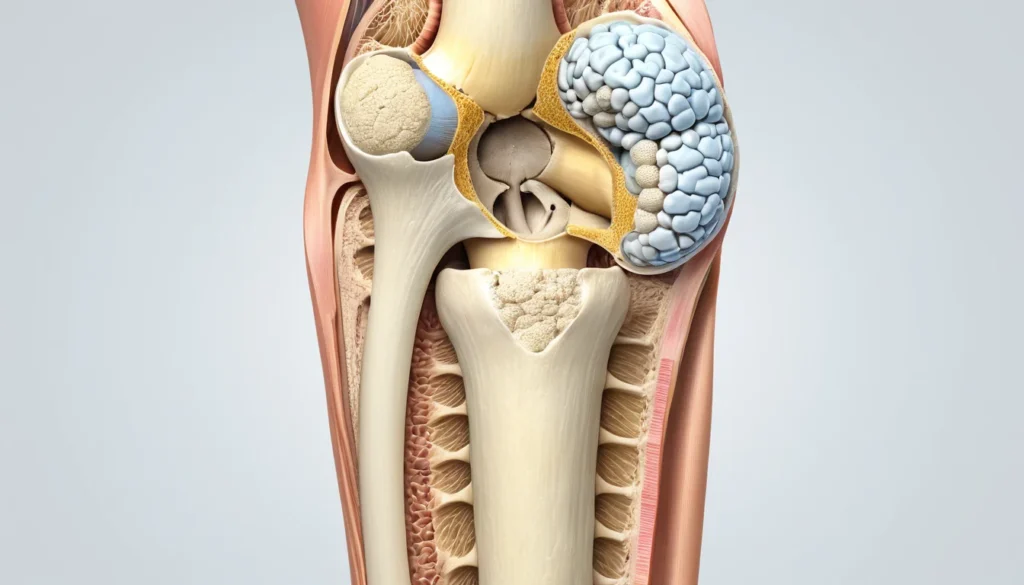
In this condition, the normal development of cartilage and bone is disrupted. As a result, abnormal bony lumps grow outward from the surface of bones, especially near growth plates at the ends of long bones like those in the arms and legs.
These growths are usually benign, meaning they are not cancerous. However, in rare cases, they can become malignant. Therefore, ongoing monitoring by a healthcare provider is very important.
Understanding Multiple Hereditary Exostoses: Causes and Genetics
Multiple hereditary exostoses is caused by mutations in specific genes — most commonly the EXT1 and EXT2 genes. These genes normally help control how cartilage and bone grow.
The condition follows an autosomal dominant inheritance pattern. This means a child only needs to inherit one faulty copy of the gene — from either parent — to develop the condition. If a parent has the condition, each child has a 50% chance of inheriting it.
In some cases, there is no family history. These cases result from a new gene mutation that occurs for the first time in that individual. According to Mayo Clinic, hereditary bone disorders like this one are being increasingly well understood thanks to advances in genetic research.
How Common Is It?
Multiple hereditary exostoses affects approximately 1 in 50,000 people worldwide. It is one of the more common hereditary bone disorders, although it is still considered a rare disease. It affects males and females, though males are diagnosed more often and may experience more growths.
Symptoms typically begin in early childhood, often before the age of 10. The condition becomes more noticeable as a child grows, since the bony growths tend to develop and enlarge until the bones stop growing in late adolescence.
Recognising the Symptoms of Multiple Hereditary Exostoses
The symptoms of multiple hereditary exostoses can vary widely from person to person. Some people have only a few bony growths and very mild symptoms. Others may have many growths that affect movement and cause significant discomfort.
Common symptoms include:
Hard, painless lumps near joints or along bones
Pain or tenderness if a growth presses on a nerve, blood vessel, or tendon
Limited range of motion in nearby joints
Unequal limb lengths, especially in the arms or legs
Bowing or curvature of bones
Shortened stature in some individuals
The growths most commonly appear near the knee, ankle, shoulder, and wrist. However, they can form on any bone that develops from cartilage.
When Symptoms Become More Serious
In most cases, the bony growths stop growing when a person reaches adulthood and bone development is complete. However, if a growth continues to enlarge in adulthood, this can be a warning sign of malignant transformation.
Furthermore, growths located near the spine or pelvis can sometimes compress nearby nerves or blood vessels. This can cause numbness, weakness, or circulatory problems that require prompt medical attention.
If you or your child notices any of these changes, contact your family doctor as soon as possible.
How Multiple Hereditary Exostoses Is Diagnosed
Diagnosis usually begins with a physical examination. Your doctor will feel for hard lumps near joints and ask about your family history. Since this is a hereditary condition, a family history of similar growths is an important clue.
In addition to a physical exam, your doctor may order:
X-rays: The most common first step. X-rays clearly show bony growths and help evaluate their size and location.
MRI or CT scans: These provide more detailed images, especially for growths near the spine, pelvis, or blood vessels.
Genetic testing: A blood test can identify mutations in the EXT1 or EXT2 genes. This is especially useful for confirming diagnosis in children with a family history.
Bone scan: Sometimes used to identify all areas of abnormal bone activity throughout the body.
In Canada, your family doctor can refer you to an orthopaedic specialist or a genetics clinic if multiple hereditary exostoses is suspected. Many major hospitals across Canadian provinces have orthopaedic and genetics departments equipped to handle this type of diagnosis.
Ruling Out Other Conditions
Your doctor will also want to rule out other conditions that cause similar bony growths, such as solitary osteochondroma or other bone tumours. Therefore, a thorough workup is important before confirming the diagnosis.
According to Health Canada, rare genetic conditions like this one may also be assessed through provincial rare disease programmes, which are available in many parts of the country.
Treatment Options for Multiple Hereditary Exostoses
There is currently no cure for multiple hereditary exostoses. However, treatment focuses on managing symptoms and preventing complications. The right approach depends on the number of growths, their location, and how much they affect daily life.
Monitoring and Watchful Waiting
For many people, especially those with mild symptoms, the main approach is careful monitoring. Your doctor will schedule regular check-ups and imaging to track any changes in the size or number of growths.
Children with the condition are usually monitored closely during growth years, since this is when new growths are most likely to appear. As a result, early detection of any complications is much more achievable.
Surgery
Surgery is the main treatment when growths cause pain, limit movement, press on nerves or blood vessels, or show signs of malignant change. The procedure involves surgically removing the bony growth, a process called excision.
In some cases, surgery may also correct bone deformities such as bowing of the forearm or unequal leg lengths. Orthopaedic surgeons across Canada perform these procedures in hospital settings covered by provincial health plans.
Recovery time varies depending on the size and location of the growth. Physical therapy is often recommended after surgery to help restore strength and range of motion.
Pain Management
For mild pain or discomfort, over-the-counter pain relievers such as acetaminophen or ibuprofen may help. Your family doctor or pharmacist can advise you on the right dose and frequency.
If pain is more severe, your doctor may refer you to a pain management specialist. In addition, physiotherapy can help improve mobility and reduce discomfort in affected joints.
Genetic Counselling
Because multiple hereditary exostoses is an inherited condition, genetic counselling is strongly recommended for affected individuals and their families. A genetic counsellor can explain the inheritance pattern, assess the risk for children, and help families make informed decisions.
Genetic counselling services are available through many hospitals and health centres across Canadian provinces. Ask your family doctor for a referral if this is something you would like to explore.
Living With Multiple Hereditary Exostoses
Most people with multiple hereditary exostoses live full, active lives. With proper monitoring and treatment when needed, many individuals manage their condition well over the long term.
However, the condition can have a physical and emotional impact, particularly for children who may feel self-conscious about visible lumps or who experience limitations in physical activity. Support from healthcare providers, school staff, and family is very helpful.
Connecting with others who have the same condition can also make a big difference. Patient advocacy organisations and online communities offer valuable support and information for individuals and families affected by multiple hereditary exostoses.
Staying Active
Physical activity is important for bone and muscle health. Most people with multiple hereditary exostoses can participate in regular exercise. However, high-impact activities that put significant stress on affected joints may need to be modified.
A physiotherapist can design a safe and effective exercise programme tailored to your needs. Your family doctor can provide a referral through your provincial health plan.
Long-Term Outlook
The long-term outlook for most people with multiple hereditary exostoses is positive. The majority of growths remain benign throughout life. The risk of malignant transformation — where a growth becomes cancerous — is estimated at less than 5% over a lifetime, according to information available through Healthline.
Regular follow-up with your healthcare team is the best way to catch any changes early and ensure the best possible outcome.
When to See a Doctor About Multiple Hereditary Exostoses
You should see a doctor if you or your child develops a hard lump near a joint or along a bone. Even if the lump is painless, it is important to have it properly evaluated.
See your family doctor or visit a walk-in clinic promptly if you notice:
A lump that is growing quickly or changing in shape
Increasing pain around a known growth
Numbness, tingling, or weakness near a bony growth
Difficulty moving a joint normally
A soft lump forming over an existing bony growth
These symptoms may indicate that a growth is pressing on surrounding structures or, in rare cases, that malignant transformation is occurring. In either case, prompt medical attention is essential.
If you have a confirmed diagnosis of multiple hereditary exostoses, work with your healthcare team to establish a regular monitoring schedule. Your family doctor can coordinate your care and refer you to orthopaedic, genetics, or pain management specialists as needed — all within your provincial health coverage.
Disclaimer: This article is for informational purposes only and does not replace professional medical advice. Always consult your family doctor or a qualified healthcare provider for diagnosis and treatment specific to your situation.
Frequently Asked Questions About Multiple Hereditary Exostoses
What is multiple hereditary exostoses?
Multiple hereditary exostoses is a rare genetic condition that causes multiple bony growths to develop near the ends of long bones. It is also known as diaphyseal aclasis or hereditary multiple exostoses. The condition is present from birth and usually becomes noticeable during childhood.
Is multiple hereditary exostoses dangerous?
For most people, multiple hereditary exostoses is not dangerous, as the bony growths are usually benign. However, there is a small risk — less than 5% — that a growth may become malignant over a lifetime. Regular monitoring by a healthcare provider is strongly recommended to catch any changes early.
How is multiple hereditary exostoses inherited?
Multiple hereditary exostoses follows an autosomal dominant inheritance pattern, meaning a child only needs to inherit one faulty gene copy from one parent to develop the condition. If a parent has multiple hereditary exostoses, each child has a 50% chance of inheriting it. Genetic counselling can help families understand their specific risk.
Can multiple hereditary exostoses be treated without surgery?
Yes, many people with multiple hereditary exostoses are managed without surgery, especially if their growths are small and cause minimal symptoms. Treatment may include regular monitoring, pain relief medication, and physiotherapy. Surgery is considered when growths cause significant pain, limit movement, or show signs of change.
At what age do symptoms of multiple hereditary exostoses appear?
Symptoms of multiple hereditary exostoses typically appear in early childhood, often before age 10, and become more noticeable as a child grows. The bony growths usually stop developing once the skeleton matures in late adolescence. However, any growth that continues to enlarge in adulthood should be evaluated by a doctor promptly.
Is multiple hereditary exostoses covered by provincial health plans in Canada?
In Canada, diagnostic tests, specialist referrals, and surgical procedures related to multiple hereditary exostoses are generally covered under provincial health plans, though coverage details vary by province. Your family doctor can guide you through the referral process and help you access the appropriate specialists. Genetic counselling services are also available through many provincial health centres.
Key Takeaways
Multiple hereditary exostoses is a rare genetic condition that causes multiple bony growths near the ends of long bones.
It is caused by mutations in the EXT1 or EXT2 genes and follows an autosomal dominant inheritance pattern.
Symptoms include hard lumps near joints, pain, limited movement, and in some cases, bone deformity.
Diagnosis involves physical examination, X-rays, and sometimes MRI, CT scans, or genetic testing.
Treatment ranges from watchful waiting and pain management to surgery for more serious cases.
The risk of malignant transformation is low but real — regular monitoring is essential.
In Canada, care for this condition is accessible through family doctors, specialist referrals, and provincial health coverage.
Always consult your family doctor or a walk-in clinic if you notice any unexplained bony lumps or changes in existing growths.