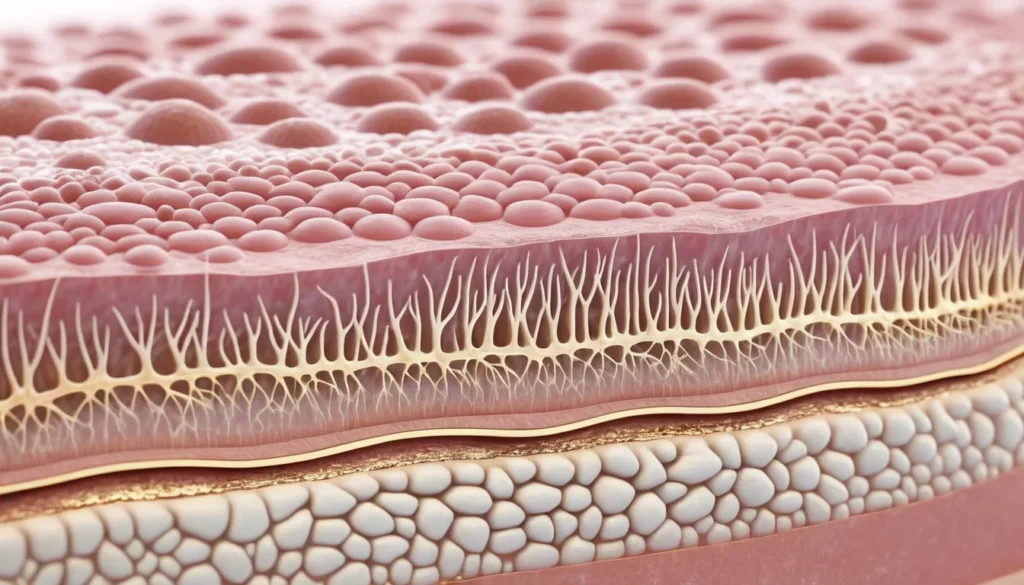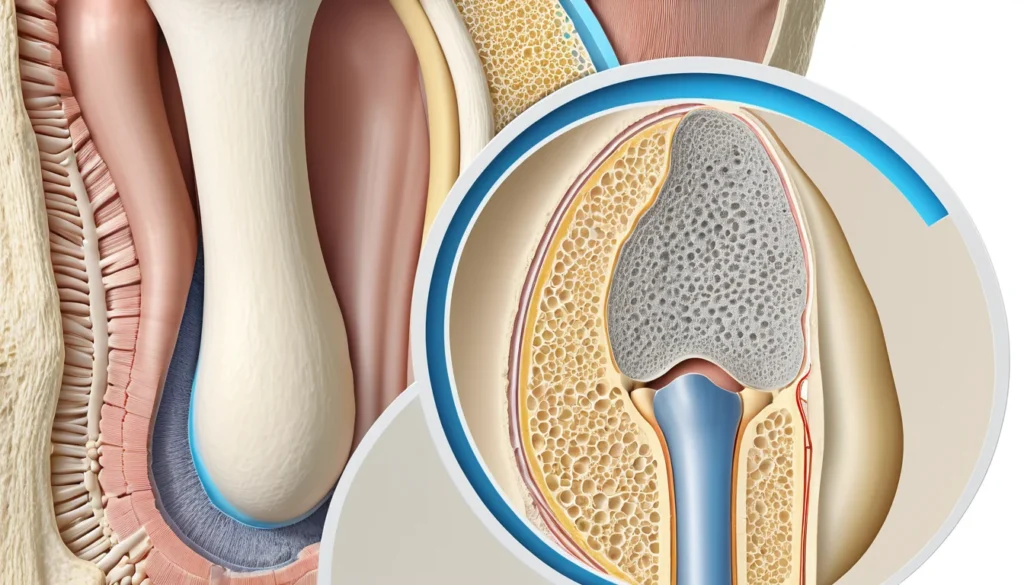
Multiple exostoses is a condition where abnormal bony growths form on the surface of bones throughout the body. These growths develop when bone tissue grows in a continuous but disordered way, spreading beyond its normal boundaries. This article explains what multiple exostoses is, what causes it, how it is diagnosed, and what treatment options are available to Canadians.
What Are Multiple Exostoses?
Multiple exostoses — also called hereditary multiple exostoses (HME) or diaphyseal aclasis — is a condition where several bony lumps grow on the skeleton. These lumps are called osteochondromas. They are made of bone and cartilage and usually form near the ends of long bones.
The term “aclasis” refers to a pathological continuity of a structure, meaning the bone tissue does not stop growing where it should. Instead, it continues in an abnormal direction or pattern. In multiple exostoses, this happens at several sites across the body at once.
Most people with this condition are born with it or develop it in early childhood. The growths are usually benign, meaning they are not cancerous. However, in rare cases, they can become malignant and require urgent medical attention.
What Causes Multiple Exostoses?
Multiple exostoses is most often caused by a change — called a mutation — in certain genes. The genes most commonly involved are EXT1 and EXT2. These genes normally help control how bone grows during childhood and adolescence.
When these genes do not work correctly, bone tissue can grow in an uncontrolled and continuous manner. This is what leads to the formation of multiple bony lumps across the skeleton. For example, growths may appear on the ribs, shoulder blades, and long bones of the arms and legs.
The condition is hereditary, which means it runs in families. If a parent has hereditary multiple exostoses, each child has a 50% chance of inheriting the condition. However, not everyone who inherits the gene mutation will have the same severity of symptoms. According to Mayo Clinic, genetic conditions like this one can vary widely from person to person, even within the same family.
In some cases, multiple exostoses occurs without any family history. This is called a spontaneous or de novo mutation. Scientists are still studying why this happens in some individuals.
Recognising the Symptoms of Multiple Exostoses
The most obvious sign of multiple exostoses is the presence of hard, painless lumps near the joints. These lumps can often be felt under the skin. They are most commonly found near the knees, ankles, hips, and shoulders.
In many cases, the growths do not cause any pain at all. However, if a growth presses on a nearby nerve, blood vessel, or tendon, it can cause discomfort or limited movement. For example, a growth near the knee might make it harder to fully straighten the leg.
Other symptoms may include:
Uneven limb lengths, where one arm or leg is longer than the other
Bowing or curving of the forearm or lower leg
Reduced range of motion in nearby joints
Numbness or tingling if a nerve is affected
Swelling around the affected bone
Children with multiple exostoses may also show signs of delayed growth or shorter-than-average stature. Parents and caregivers should monitor growth patterns carefully and speak with a family doctor if they notice anything unusual.
How Is Multiple Exostoses Diagnosed?
A doctor will usually start by asking about your family history and doing a physical examination. Since multiple exostoses often runs in families, knowing whether a parent or sibling has had the condition is very helpful.
The most common diagnostic tool is imaging. An X-ray can clearly show where bony growths are located and how large they are. In some cases, a doctor may also order an MRI or CT scan to get a more detailed picture, especially if a growth is near a nerve or blood vessel.
Genetic Testing
Genetic testing can confirm whether a mutation in the EXT1 or EXT2 gene is present. This is particularly useful for families who want to know if a child is at risk. In Canada, genetic testing is available through referrals made by your family doctor or a specialist. Depending on your province, coverage may be available through your provincial health plan.
A referral to a paediatric orthopaedic specialist or a genetics clinic may also be part of the diagnostic process. Your family doctor can guide you through the appropriate next steps based on your symptoms and health history.
Ruling Out Other Conditions
Not every bony lump is caused by multiple exostoses. Therefore, doctors must rule out other conditions such as single osteochondromas, bone cysts, or, in rare cases, bone cancer. Getting an accurate diagnosis early is important to ensure you receive the right care.
Treatment Options for Multiple Exostoses
There is currently no cure for the underlying genetic cause of multiple exostoses. However, many people live full and active lives with this condition. Treatment focuses on managing symptoms and preventing complications.
For growths that are small and not causing any problems, a “watch and wait” approach is often recommended. This means regular check-ups to monitor any changes in the size or behaviour of the growths over time.
Surgery
Surgery is the main treatment option when a growth causes pain, limits movement, or presses on a nerve or blood vessel. The procedure involves removing the bony growth. In most cases, the surgery is straightforward and recovery is relatively quick.
In children, surgery may sometimes be recommended to correct bone deformities, such as a bowed forearm. This can help prevent long-term complications as the child grows. Your orthopaedic surgeon will discuss the best timing for any procedure.
Pain Management
Over-the-counter pain relievers such as acetaminophen or ibuprofen can help manage mild discomfort. Physiotherapy may also be recommended to improve range of motion and strengthen the muscles around affected joints. In Canada, physiotherapy services may be partially covered depending on your provincial health plan or private insurance.
It is important to work with your healthcare team to develop a pain management plan that suits your lifestyle and needs. Healthline’s guide on hereditary multiple exostoses offers additional information on managing day-to-day life with this condition.
Living With Multiple Exostoses in Canada
Most people with multiple exostoses lead healthy, active lives. The condition does require ongoing monitoring, but it does not have to define your quality of life. Many Canadians with this condition participate in sports, work full-time, and raise families.
However, regular follow-up appointments are important. Over time, some growths may change in size or behaviour. In rare cases — estimated at around 1 to 5 percent — a growth can become cancerous. Early detection of any changes greatly improves outcomes.
Support groups and patient communities can also be a valuable resource. Connecting with others who have the same condition can help reduce feelings of isolation and provide practical advice. Health Canada provides resources to help Canadians navigate rare and genetic conditions through provincial and territorial health networks.
If you have children with multiple exostoses, working closely with a school and healthcare team can ensure they receive the accommodations and support they need to thrive.
When to See a Doctor
You should speak with your family doctor if you notice a hard lump near a joint, especially if it does not go away after a few weeks. Early assessment is always better than waiting to see if a lump resolves on its own.
Seek medical attention sooner if you experience any of the following:
A lump that is growing quickly
Pain that is getting worse over time
Numbness, tingling, or weakness in a limb
Limited movement in a joint
A family history of multiple exostoses or related bone conditions
If you do not have a family doctor, a walk-in clinic can provide an initial assessment and referral. Most provinces also offer telehealth services where you can speak with a nurse or doctor by phone or video. As always, please consult a qualified healthcare professional for any personal medical concerns — the information in this article is for educational purposes only.
Frequently Asked Questions About Multiple Exostoses
What is the difference between multiple exostoses and a single osteochondroma?
A single osteochondroma is one isolated bony growth, often occurring by chance. Multiple exostoses, on the other hand, involves several growths forming at different sites across the skeleton, usually due to a genetic mutation. The hereditary nature of multiple exostoses makes it a distinct and more complex condition to manage.
Is multiple exostoses a form of cancer?
No, multiple exostoses is not cancer. The bony growths are almost always benign, meaning they are non-cancerous. However, in rare cases — about 1 to 5 percent — a growth may become malignant, which is why regular monitoring is strongly recommended.
Can multiple exostoses be cured?
There is currently no cure for the genetic cause of multiple exostoses. Treatment focuses on managing symptoms and removing growths that cause pain or limit movement. Many people with the condition live full, healthy lives with appropriate medical follow-up.
Will my children inherit multiple exostoses if I have it?
Multiple exostoses follows an autosomal dominant inheritance pattern, meaning each child of an affected parent has a 50% chance of inheriting the condition. However, symptoms and severity can vary greatly, even among family members. Genetic counselling, available through a referral from your family doctor, can help you understand the risks.
At what age do multiple exostoses symptoms usually appear?
Symptoms of multiple exostoses most often appear during childhood or early adolescence, when bones are actively growing. In some cases, growths may be noticed at birth or in infancy. Most people are diagnosed before the age of 12.
Does exercise make multiple exostoses worse?
Light to moderate exercise is generally safe and even encouraged for people with multiple exostoses. Physical activity helps maintain muscle strength and joint mobility. However, high-impact activities may need to be adjusted if a growth is near a joint — speak with your physiotherapist or family doctor for personalised guidance.
Key Takeaways
Multiple exostoses is a condition where several bony growths form on the skeleton due to abnormal bone tissue continuity.
It is most often caused by mutations in the EXT1 or EXT2 genes and is hereditary in most cases.
Symptoms include hard lumps near joints, uneven limb lengths, and reduced range of motion.
Diagnosis involves physical examination, X-rays, and sometimes genetic testing through a referral from your family doctor.
Treatment ranges from monitoring to surgery, depending on the severity of symptoms.
The growths are usually benign, but regular medical follow-up is essential to catch any rare cancerous changes early.
Canadians can access support through their provincial health plan, walk-in clinics, and telehealth services.
Always consult your family doctor or a qualified specialist for advice tailored to your individual health needs.