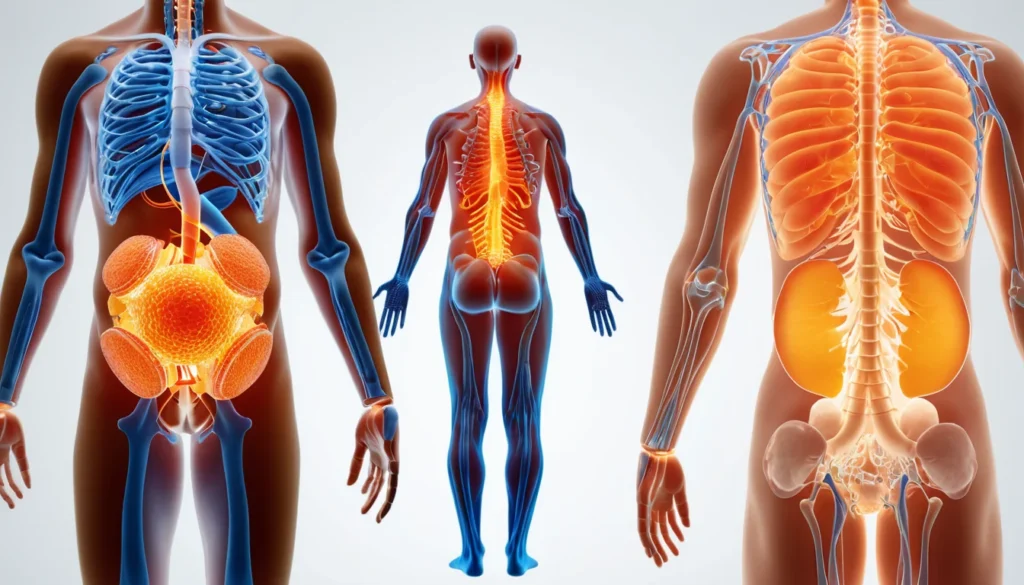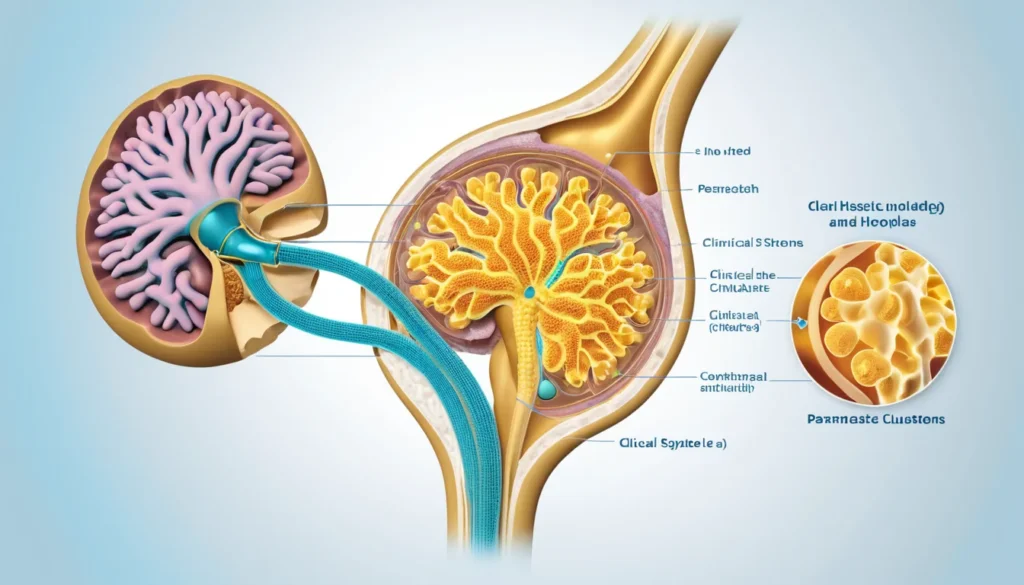
Multiple endocrine neoplasia (MEN) is a rare condition where tumours grow in two or more hormone-producing glands at the same time. These glands are part of your endocrine system, which controls important functions like metabolism, growth, and mood. MEN can affect people of any age, including children, and it often runs in families. This article explains what MEN is, the different types, symptoms to watch for, and how it is diagnosed and treated in Canada.
What Is Multiple Endocrine Neoplasia?
Your body has several glands that produce hormones. These include the thyroid, parathyroid, pituitary, adrenal glands, and the pancreas. In multiple endocrine neoplasia, tumours — called adenomas — form in at least two of these glands.
Most of these tumours are non-cancerous (benign). However, some types can become cancerous if not treated early. Because MEN affects hormone production, it can cause a wide range of symptoms that may seem unrelated at first.
MEN is also known by other names, including multiple endocrine adenomatosis and pluriglandular adenomatosis. Your doctor may use any of these terms. For more background on how hormones work, visit Health Canada’s official health resource centre.
Types of Multiple Endocrine Neoplasia
There are three main types of MEN. Each type affects different glands and carries different health risks. Knowing which type you have helps your healthcare team choose the right treatment.
MEN Type 1 (MEN1)
MEN1 is the most common type. It mainly affects the parathyroid glands, the pituitary gland, and the pancreas. The parathyroid glands sit behind your thyroid in your neck and help control calcium levels in your blood.
When these glands are overactive, it can lead to high calcium levels, kidney stones, and weak bones. Pituitary tumours can cause headaches and vision problems. Pancreatic tumours may affect digestion and blood sugar levels. MEN1 is almost always caused by an inherited gene change.
MEN Type 2A (MEN2A)
MEN2A involves the thyroid gland, the adrenal glands, and sometimes the parathyroid glands. The most serious concern is medullary thyroid cancer, which grows from cells in the thyroid that produce a hormone called calcitonin.
The adrenal glands, which sit on top of your kidneys, can develop a tumour called a pheochromocytoma. This tumour causes high blood pressure, rapid heartbeat, and sweating. MEN2A is linked to changes in the RET gene and can be passed down through families.
MEN Type 2B (MEN2B)
MEN2B is the rarest and most aggressive form. It also involves medullary thyroid cancer and pheochromocytoma. In addition, people with MEN2B often develop small, benign nerve tumours around the lips, tongue, and eyelids, called mucosal neuromas.
Furthermore, individuals with MEN2B may have a tall, thin body type and curved bones. This type can appear without any family history, due to a new genetic change. Early detection is especially important in MEN2B because the thyroid cancer can spread quickly.
Common Symptoms of Multiple Endocrine Neoplasia
Because multiple endocrine neoplasia affects different glands, the symptoms can vary widely from person to person. Some people have very mild symptoms for years. Others may notice more serious problems early on.
Here are some common symptoms grouped by the gland involved:
Parathyroid glands: Fatigue, bone pain, kidney stones, frequent urination, depression, and nausea
Pituitary gland: Headaches, vision changes, abnormal growth, irregular periods, or unexpected weight gain
Pancreas: Low blood sugar (hypoglycaemia), stomach ulcers, diarrhoea, and abdominal pain
Thyroid gland: A lump in the neck, difficulty swallowing, hoarse voice, or swollen lymph nodes
Adrenal glands: High blood pressure, rapid heartbeat, sweating, and anxiety
However, many of these symptoms can be caused by other, more common conditions. Therefore, it is important not to self-diagnose. If you notice several of these symptoms together, speak with your family doctor.
Causes and Risk Factors
Multiple endocrine neoplasia is most often caused by inherited gene mutations. This means it runs in families. If one of your parents carries the gene change, you have a 50% chance of inheriting it.
The two most important genes involved are:
MEN1 gene: A tumour-suppressor gene. When it does not work correctly, cells in the endocrine glands can grow out of control.
RET gene: A gene that controls cell growth. Mutations in the RET gene cause MEN2A and MEN2B.
In some cases, MEN2B can occur in a person with no family history, due to a spontaneous genetic change. As a result, even people without a family history should pay attention to warning signs.
Genetic testing is available in Canada through referrals from your family doctor or a specialist. If MEN runs in your family, your provincial health plan may cover genetic counselling. Check with your provincial health authority for details on coverage in your area.
How Is Multiple Endocrine Neoplasia Diagnosed?
Diagnosing multiple endocrine neoplasia usually involves a combination of blood tests, imaging, and genetic testing. Your family doctor may start the process, and then refer you to an endocrinologist — a specialist in hormone conditions.
Blood and Urine Tests
Doctors look for abnormal hormone levels in the blood. For example, high calcium in the blood can point to parathyroid problems. High levels of certain hormones like gastrin or insulin may suggest a pancreatic tumour. Urine tests can detect chemicals released by adrenal tumours.
Imaging Tests
Once blood work raises a concern, your doctor may order imaging tests. These can include ultrasound, CT scans, or MRI scans. These tools help doctors see the size and location of any tumours without surgery.
Genetic Testing
If your doctor suspects MEN, genetic testing can confirm whether you carry a gene mutation. This is especially helpful for family members who may not yet have symptoms. In Canada, genetic testing is typically done through a hospital-based genetics programme. Your family doctor can provide a referral.
For a detailed look at how endocrine tumours are diagnosed, the Mayo Clinic’s guide to multiple endocrine neoplasia is a trusted resource.
Treatment Options for Multiple Endocrine Neoplasia
There is no single cure for multiple endocrine neoplasia. However, treatment can manage tumours effectively and protect your long-term health. The right plan depends on which glands are affected and how severe the condition is.
Surgery
Surgery is often the first choice for removing tumours. For example, surgeons may remove overactive parathyroid glands or a pheochromocytoma from the adrenal gland. In MEN2 cases, doctors often recommend removing the thyroid gland early, even before cancer develops.
Medications
Some tumours can be managed with medication rather than surgery. Drugs can lower hormone levels, shrink tumours, or control symptoms. For instance, certain medicines reduce acid production caused by pancreatic tumours in MEN1.
Radiation and Targeted Therapy
In cases where cancer has spread, radiation therapy or targeted drug therapy may be used. These treatments are delivered through Canadian cancer centres and oncology teams. Furthermore, clinical trials for new MEN treatments are ongoing at several Canadian university hospitals.
Regular Monitoring
Even after treatment, people with MEN need lifelong monitoring. Regular blood tests and imaging scans help catch new tumours early. Your healthcare team will set up a monitoring schedule suited to your specific type of MEN.
You can also learn more about managing hormone-related conditions through Healthline’s overview of multiple endocrine neoplasia treatment.
Living With Multiple Endocrine Neoplasia in Canada
A diagnosis of MEN can feel overwhelming. However, many Canadians live full and active lives with this condition, especially when it is caught early and managed well. Building a strong relationship with your healthcare team is key.
In Canada, your care team may include your family doctor, an endocrinologist, a surgeon, a genetic counsellor, and a cancer specialist. Most provincial health plans cover the core tests and treatments for MEN. Ask your doctor about what is covered under your provincial plan.
Support groups and patient networks can also help. Connecting with others who have MEN can ease anxiety and provide practical advice. Ask your doctor or specialist about community resources available in your province.
It is also important to inform close family members if you are diagnosed with MEN. Since it is hereditary, siblings and children may benefit from early screening and genetic testing.
When to See a Doctor
You should speak with your family doctor if you notice any of the symptoms listed in this article, especially if they appear together or do not go away. Do not wait to see if symptoms improve on their own.
You should also see a doctor promptly if:
You have a family history of MEN, thyroid cancer, or adrenal tumours
You experience unexplained kidney stones, especially at a young age
You feel a lump in your neck or notice a change in your voice
You have episodes of very high blood pressure, sweating, and rapid heartbeat
Blood tests show abnormal calcium or hormone levels
If you do not have a family doctor, a walk-in clinic can help with initial blood tests and referrals. Many provincial health authorities also offer nurse practitioner clinics that can help assess your symptoms. Early action truly makes a difference with MEN.
Always consult a qualified healthcare provider before making any decisions about your health. The information in this article is for general education only and does not replace professional medical advice.
Frequently Asked Questions About Multiple Endocrine Neoplasia
What is multiple endocrine neoplasia in simple terms?
Multiple endocrine neoplasia is a condition where tumours grow in two or more hormone-producing glands in the body. It is usually caused by an inherited gene mutation. Most tumours are non-cancerous, but some types can become cancerous if not treated.
Is multiple endocrine neoplasia hereditary?
Yes, multiple endocrine neoplasia is most often passed down through families via gene mutations, particularly in the MEN1 or RET genes. If a parent carries the mutation, each child has a 50% chance of inheriting it. Genetic counselling is available in Canada through your family doctor.
What are the early warning signs of MEN syndrome?
Early signs of multiple endocrine neoplasia can include kidney stones, high blood calcium, stomach ulcers, high blood pressure, or a lump in the neck. Because these symptoms can seem unrelated, MEN is sometimes diagnosed late. See your family doctor if you have several of these symptoms at the same time.
Can multiple endocrine neoplasia be cured?
There is no complete cure for multiple endocrine neoplasia, but it can be managed effectively with surgery, medication, and regular monitoring. Many people live healthy lives with proper treatment. Lifelong follow-up care is essential to catch and treat new tumours early.
How is multiple endocrine neoplasia diagnosed in Canada?
In Canada, multiple endocrine neoplasia is diagnosed through blood tests, hormone level checks, imaging scans, and genetic testing. Your family doctor can start the process and refer you to an endocrinologist or a genetics programme at a hospital. Most provincial health plans cover these core diagnostic tests.
What is the difference between MEN1 and MEN2?
MEN1 mainly affects the parathyroid glands, pituitary, and pancreas, while MEN2 primarily involves the thyroid and adrenal glands. MEN1 is caused by a mutation in the MEN1 gene, whereas MEN2 is linked to changes in the RET gene. Both types of multiple endocrine neoplasia require lifelong monitoring and specialist care.
Key Takeaways
Multiple endocrine neoplasia causes tumours in two or more hormone-producing glands and is usually inherited. There are three main types: MEN1, MEN2A, and MEN2B, each affecting different glands. Symptoms vary widely but can include kidney stones, high blood pressure, neck lumps, and abnormal blood sugar. Diagnosis involves blood tests, imaging, and genetic testing, all available through the Canadian healthcare system. Treatment may include surgery, medication, and radiation, followed by lifelong monitoring. If MEN runs in your family, ask your family doctor about genetic counselling and early screening. Walk-in clinics and nurse practitioner clinics can help if you do not yet have a family doctor. Always speak with a healthcare professional