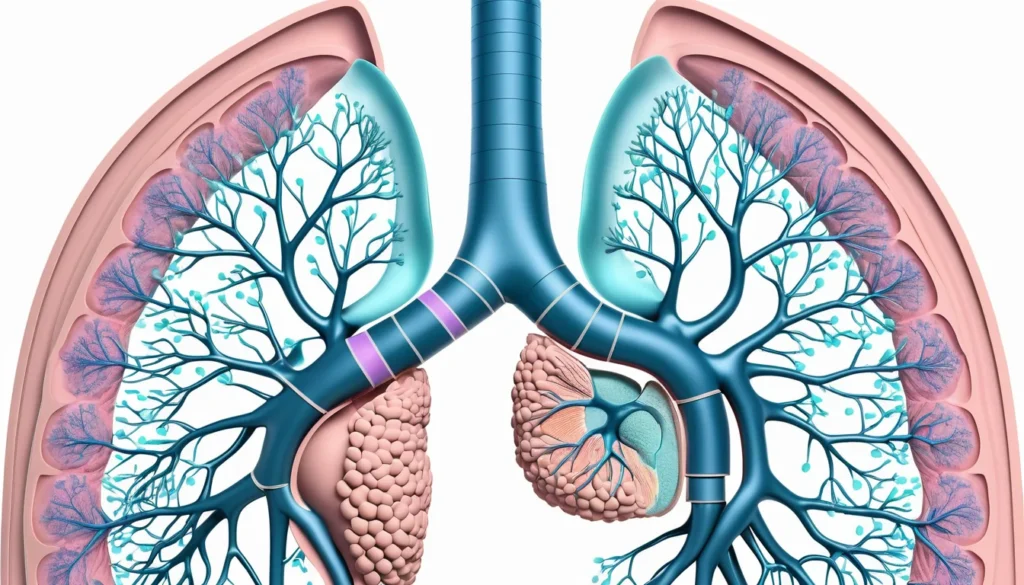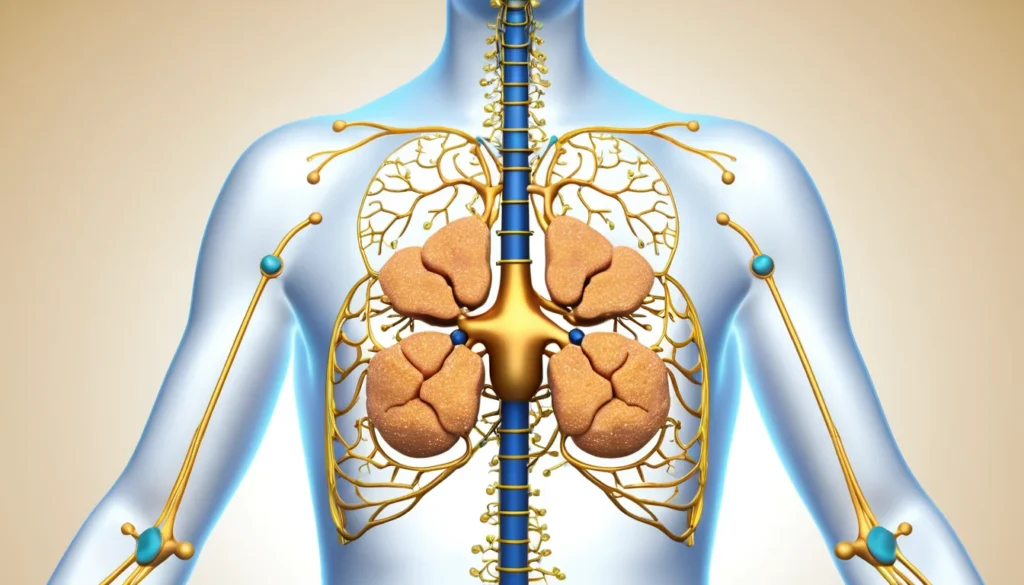
Multiple endocrine neoplasia (MEN) is a rare condition where tumours grow in two or more of the body’s hormone-producing glands at the same time. These glands control many vital functions, from blood sugar to blood pressure. Understanding MEN can help Canadians recognize early warning signs and get the right care sooner.
What Is Multiple Endocrine Neoplasia?
Multiple endocrine neoplasia is also called pluriglandular adenomatosis or multiple endocrine adenomatosis. All of these terms describe the same core problem: abnormal growths forming in the endocrine system.
The endocrine system is a network of glands that make hormones. Hormones are chemical messengers that travel through your blood and tell your organs what to do. When tumours grow in these glands, hormone levels can become too high or too low, causing a wide range of symptoms.
Most MEN tumours are adenomas — meaning they are non-cancerous growths. However, some can become cancerous over time. That is why early diagnosis and regular monitoring are so important.
Types of Multiple Endocrine Neoplasia
Doctors group MEN into three main types. Each type affects different glands and carries different health risks. Knowing which type you have helps guide your treatment plan.
MEN Type 1 (MEN1)
MEN1 is the most common form. It mainly affects the parathyroid glands, the pituitary gland, and the pancreas. The parathyroid glands sit behind the thyroid in your neck and help control calcium levels in your blood.
When these glands develop tumours, calcium levels can rise too high. This condition is called hypercalcaemia. It can cause symptoms like fatigue, bone pain, kidney stones, and digestive problems.
Tumours in the pancreas can affect insulin and other digestive hormones. Pituitary tumours may cause headaches, vision changes, or hormonal imbalances that affect growth and reproduction. MEN1 is caused by a change in the MEN1 gene and often runs in families. Learn more at Health Canada’s official health resource portal.
MEN Type 2A (MEN2A)
MEN2A involves the thyroid gland, the adrenal glands, and the parathyroid glands. The most serious concern in MEN2A is medullary thyroid carcinoma — a type of thyroid cancer. It develops in nearly all people with MEN2A if left untreated.
The adrenal glands sit on top of your kidneys. In MEN2A, they can develop a tumour called a phaeochromocytoma. This tumour releases adrenaline-like hormones that can cause dangerous spikes in blood pressure, rapid heartbeat, and severe headaches.
MEN2A is linked to changes in a gene called RET. Because thyroid cancer is such a major risk, doctors often recommend preventive surgery in people who carry this gene mutation.
MEN Type 2B (MEN2B)
MEN2B is the rarest and most aggressive form of MEN. Like MEN2A, it involves medullary thyroid carcinoma and phaeochromocytoma. However, MEN2B also causes distinctive physical features.
People with MEN2B often develop small benign tumours on the lips, tongue, and eyelids. They may also have a tall, thin build and curved spine. These features can help doctors identify MEN2B early, sometimes even in childhood.
Thyroid cancer in MEN2B tends to appear at a younger age and spread more quickly. Early intervention is therefore critical for the best possible outcomes.
What Causes Multiple Endocrine Neoplasia?
Multiple endocrine neoplasia is primarily a genetic condition. It is caused by inherited mutations in specific genes. If one of your parents carries the gene mutation, you have a 50% chance of inheriting it.
However, not everyone with a family history will develop the condition in the same way. Some people carry the gene mutation and have mild symptoms. Others experience more serious complications. This variation makes genetic testing and regular screening especially important for families affected by MEN.
In rare cases, MEN can occur in someone with no family history. This happens when a new gene mutation develops spontaneously. These cases are called de novo mutations.
Recognizing the Symptoms
The symptoms of multiple endocrine neoplasia vary widely. They depend on which glands are affected and how active the tumours are. Some people have noticeable symptoms early on. Others may have no symptoms at all for years.
Common Symptoms to Watch For
Because MEN affects multiple glands, the symptom list can feel overwhelming. Here are some of the most common signs that may prompt your doctor to investigate further:
Fatigue and weakness — often related to abnormal calcium or hormone levels
Kidney stones — a frequent sign of parathyroid involvement and high calcium
Abdominal pain or ulcers — caused by excess stomach acid from pancreatic tumours
High blood pressure — especially sudden spikes, which may signal an adrenal tumour
Headaches and vision changes — linked to pituitary gland tumours
A lump in the neck — possibly a sign of thyroid involvement
Unexplained weight changes — caused by hormonal disruption
Many of these symptoms overlap with more common conditions. Therefore, a thorough evaluation by a doctor — including blood tests and imaging — is essential for an accurate diagnosis.
How Is Multiple Endocrine Neoplasia Diagnosed?
Diagnosing MEN usually involves a combination of blood tests, imaging scans, and genetic testing. Your doctor may check hormone levels in your blood and urine. Elevated calcium, certain hormone markers, or unusual enzyme levels can all point toward MEN.
Imaging tools like ultrasound, CT scans, and MRI help doctors locate tumours and assess their size. In addition, genetic testing can confirm whether you carry a known MEN gene mutation. This is especially useful for family members of someone already diagnosed with MEN.
In Canada, genetic testing and specialist referrals are generally covered under provincial health plans, though wait times and specific coverage can vary by province. Your family doctor can guide you through the referral process and help you understand your options. For more detailed information on endocrine disorders, visit the Mayo Clinic’s guide to multiple endocrine neoplasia.
Treatment Options for Multiple Endocrine Neoplasia
There is no single cure for multiple endocrine neoplasia. Instead, treatment focuses on managing tumours and controlling hormone levels. The right approach depends on the type of MEN, the glands involved, and how advanced the tumours are.
Surgery
Surgery is often the first line of treatment. Removing affected glands or tumours can relieve symptoms and reduce the risk of cancer. In MEN2A and MEN2B, preventive thyroid surgery is commonly recommended even before cancer develops, especially in young patients carrying the RET gene mutation.
Medication
Medications can help control hormone overproduction. For example, drugs called somatostatin analogues can slow the growth of certain pancreatic tumours. Other medications manage high blood pressure caused by adrenal tumours, or lower calcium levels in parathyroid disease.
Regular Monitoring
Ongoing surveillance is a cornerstone of MEN management. People with MEN need regular blood tests, imaging scans, and specialist check-ups throughout their lives. This monitoring helps catch new tumours early, when they are easiest to treat.
Furthermore, all first-degree relatives of someone with MEN should consider genetic screening. Early identification gives families the best chance to stay ahead of the condition.
Living With Multiple Endocrine Neoplasia in Canada
A diagnosis of MEN can feel overwhelming, but many Canadians with this condition live full, healthy lives with the right support. Care for MEN is typically managed by a team of specialists, including endocrinologists, surgeons, and oncologists.
Most Canadians can access this specialist care through provincial health plans with a referral from their family doctor. Patient support groups and resources through academic health centres — such as those affiliated with major Canadian hospitals — can also provide valuable guidance and community connection.
It is also important to talk openly with your family about a MEN diagnosis. Because it is inherited, other relatives may need testing. Sharing this information can be difficult, but it may be life-saving for those who carry the gene mutation without knowing it. The World Health Organization’s health fact sheets offer additional background on hereditary conditions and genetic health.
When to See a Doctor
You should speak with your family doctor if you have a family history of multiple endocrine neoplasia or any of the symptoms listed above. Do not wait for symptoms to become severe before seeking help.
If you do not have a family doctor, a walk-in clinic can be a good starting point. A walk-in physician can order initial blood tests and refer you to a specialist if needed. Most provinces also offer Telehealth services where you can speak with a registered nurse or doctor by phone at no cost.
As always, this article is for general information only. Please consult your doctor or a qualified healthcare provider for advice specific to your situation. Every person’s health needs are different, and a medical professional is best placed to guide your care.
Frequently Asked Questions About Multiple Endocrine Neoplasia
Is multiple endocrine neoplasia curable?
Multiple endocrine neoplasia is not currently curable, but it is manageable. Surgery, medication, and regular monitoring can control tumours and reduce serious complications. Many people with MEN live long, active lives with proper medical care.
Is multiple endocrine neoplasia hereditary?
Yes, multiple endocrine neoplasia is primarily a hereditary condition caused by inherited gene mutations. If a parent carries the mutation, each child has a 50% chance of inheriting it. Genetic testing is strongly recommended for family members of anyone diagnosed with MEN.
What is the difference between MEN1 and MEN2?
MEN1 mainly affects the parathyroid glands, pituitary gland, and pancreas, and is caused by a mutation in the MEN1 gene. MEN2 primarily involves the thyroid and adrenal glands, and is linked to a mutation in the RET gene. The treatment approaches for each type differ significantly based on which glands are affected.
How rare is multiple endocrine neoplasia?
Multiple endocrine neoplasia is considered a rare condition. MEN1 affects approximately 1 in 30,000 people, while MEN2 affects roughly 1 in 35,000. Because it is rare, it is sometimes misdiagnosed or detected late, which highlights the importance of genetic testing in at-risk families.
Can children develop multiple endocrine neoplasia?
Yes, children can develop multiple endocrine neoplasia, particularly MEN2B, which can present very early in life. Genetic testing is often recommended for children in affected families so that preventive measures — such as thyroid surgery — can be taken before cancer develops. Speak with your family doctor or a paediatric endocrinologist if you have concerns about a child.
How is multiple endocrine neoplasia treated in Canada?
In Canada, multiple endocrine neoplasia is treated by a team of specialists including endocrinologists, surgeons, and oncologists. Treatment typically involves surgery to remove tumours, medications to manage hormone levels, and lifelong monitoring through provincial health plans. Your family doctor can refer you to the appropriate specialists through your provincial healthcare system.
Key Takeaways
Multiple endocrine neoplasia is a rare genetic condition causing tumours in two or more hormone-producing glands.
There are three main types: MEN1, MEN2A, and MEN2B, each affecting different glands with different risks.
MEN is primarily inherited, so family members of someone diagnosed should consider genetic testing.
Symptoms vary widely and may include fatigue, kidney stones, high blood pressure, and neck lumps.
Treatment includes surgery, medication, and lifelong monitoring — all generally accessible through Canadian provincial health plans.
Early detection leads to better outcomes. Talk to your family doctor or visit a walk-in clinic if you have concerns.
Always consult a qualified healthcare provider for advice tailored to your personal health needs.