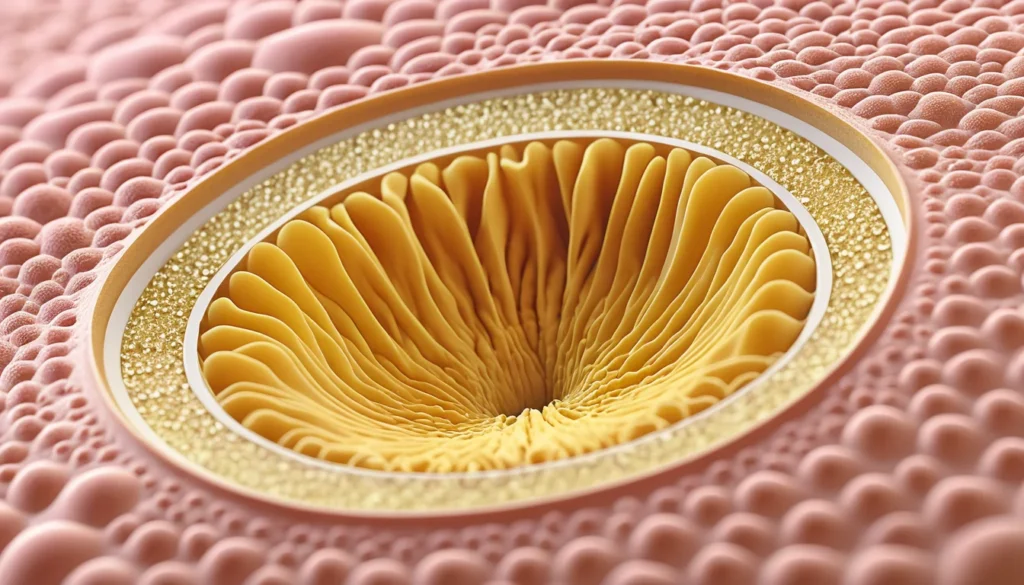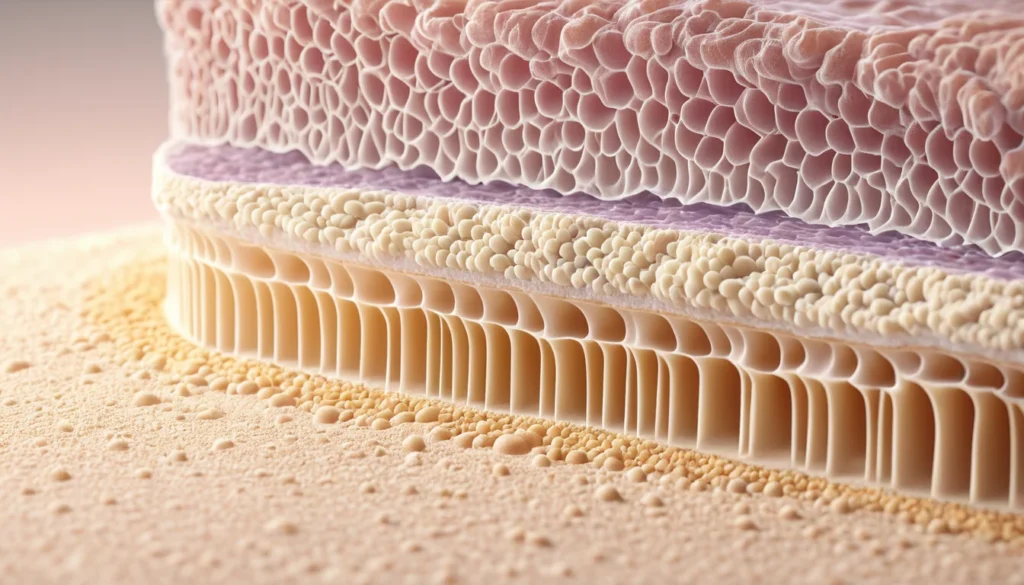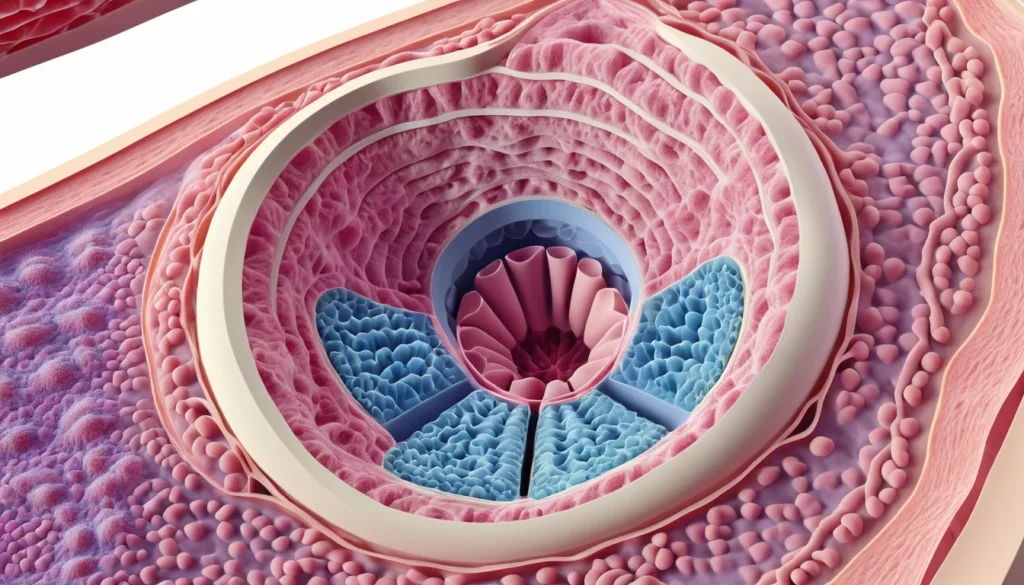
Your body is lined from head to toe by a remarkable tissue called mucous membranes. These thin, moist layers coat the inside of your mouth, digestive tract, lungs, urinary system, reproductive organs, and even your eyes. They produce mucus, which keeps your organs lubricated and protected. Understanding how mucous membranes work can help you spot problems early and take better care of your overall health.
What Are Mucous Membranes?
Mucous membranes are soft, wet tissues that line many of the body’s cavities and passageways. They are sometimes called “mucosa” by healthcare providers. Think of them as a protective wallpaper inside your body.
These membranes do more than just line surfaces. They actively produce mucus, a slippery fluid that keeps tissues moist and helps protect against bacteria, viruses, and other harmful particles. Without mucous membranes, your internal organs would dry out and become vulnerable to infection.
According to Healthline’s body map of mucous membranes, these tissues are found throughout almost every major system in the human body. They are among the most widespread and important tissues we have.
Where Are Mucous Membranes Found in the Body?
Mucous membranes are found in far more places than most people realize. They appear wherever the body’s interior meets the outside world. Here are the main locations.
The Digestive Tract
The mucous membrane lines your entire digestive tract. This runs from the inside of your mouth all the way down to your rectum. Every part of this long pathway — including your throat, stomach, small intestine, and large intestine — is coated by a layer of mucosa.
In the digestive system, mucous membranes play a very specific role. They help break down and absorb the food you eat. The glands in the digestive mucosa release enzymes and fluids that support digestion at every stage. For example, the stomach lining produces acid and protective mucus at the same time to prevent self-damage.
The Respiratory System
When you breathe in, air passes through a series of passages lined by mucous membranes. These include your nose, throat, windpipe, and bronchial tubes inside your lungs. The mucus here acts like a trap for dust, pollen, and germs.
Tiny hair-like structures called cilia work alongside the mucous membranes in your airways. They sweep trapped particles up and out of your lungs. This system is one of your body’s first lines of defence against respiratory illness. The World Health Organization explains how healthy airway function is key to preventing serious lung infections like pneumonia.
The Urinary and Reproductive Systems
Mucous membranes also line the urinary tract, including the bladder and urethra. They protect these tissues from the acidity of urine. In the reproductive system, mucous membranes line the vagina and uterus in women, and parts of the male reproductive tract as well.
In these areas, the mucosa adapts its secretions based on hormonal signals. For example, the cervical mucus changes throughout a woman’s menstrual cycle. These changes play an important role in reproduction and overall reproductive health.
The Eyes
The inside of your eyelids and the front surface of your eyeballs are covered by a special mucous membrane called the conjunctiva. This thin, clear tissue keeps your eyes moist and smooth. It also helps protect your eyes from dust and microbes.
When the conjunctiva becomes inflamed, the condition is called conjunctivitis — commonly known as pink eye. This is a very common condition treated at walk-in clinics and family doctor offices across Canada every year.
How Mucous Membranes Produce Mucus
Mucous membranes contain specialized cells called goblet cells. These cells produce and release mucus continuously. The amount and thickness of mucus can change based on irritation, infection, or allergies.
Mucus itself is made mostly of water. It also contains proteins called mucins, salts, and antibodies. This combination makes mucus both slippery and protective. However, not all mucus is the same. The mucus in your nose is different from the mucus lining your stomach, because each type is tailored to its specific job.
In addition, glands found beneath the mucous membrane surface also contribute secretions. These deeper glands are called submucosal glands. They add enzymes, immune proteins, and other substances that help each organ function properly.
Why Mucous Membrane Health Matters
Healthy mucous membranes are essential for your overall well-being. When they are working properly, you rarely notice them. When something goes wrong, the effects can range from mildly uncomfortable to seriously harmful.
Common Problems with Mucous Membranes
Many everyday health complaints involve the mucosa. Here are some of the most common issues:
Dry mouth (xerostomia): When the oral mucosa dries out, it can cause difficulty swallowing, bad breath, and tooth decay.
Gastritis: Inflammation of the stomach lining can cause pain, nausea, and digestive upset.
Sinusitis: Swelling of the nasal mucosa leads to sinus pressure, congestion, and headaches.
Conjunctivitis: Inflammation of the eye’s mucous membrane causes redness, discharge, and itching.
Urinary tract infections (UTIs): Bacteria can irritate the mucosa lining the bladder and urethra.
Inflammatory bowel disease (IBD): Conditions like Crohn’s disease and ulcerative colitis damage the digestive mucosa over time.
Furthermore, some medications — including certain chemotherapy drugs and NSAIDs like ibuprofen — can damage mucous membranes. This is why these medications are often taken with food or with protective stomach medications.
Mucous Membranes and Your Immune System
Mucous membranes are not just physical barriers. They are active players in your immune system. They contain immune cells that detect and respond to threats. This is known as the mucosal immune system.
The mucosal immune system produces a special type of antibody called secretory IgA. This antibody is found in saliva, breast milk, and mucus throughout the body. It helps neutralize viruses and bacteria before they can penetrate deeper tissues. As a result, keeping your mucous membranes healthy directly supports your immune defences.
The Mayo Clinic notes that keeping mucous membranes moist — especially during cold and flu season — can reduce the severity of respiratory infections.
How to Keep Your Mucous Membranes Healthy
The good news is that mucous membrane health is largely within your control. A few simple habits can make a big difference.
Stay Hydrated
Drinking enough water is the single most important thing you can do for your mucous membranes. Dehydration causes mucus to thicken and membranes to dry out. Most Canadian adults should aim for about 8 cups of water per day, though needs vary by body size and activity level.
Avoid excessive caffeine and alcohol, as both are dehydrating. Herbal teas and water-rich foods like fruits and vegetables also help keep mucous membranes moist and healthy.
Eat a Balanced Diet
Certain nutrients support mucous membrane health directly. Vitamin A is especially important — it helps maintain the integrity of mucosal tissues. Good sources include carrots, sweet potatoes, leafy greens, and dairy products.
Vitamin C supports collagen production in the mucosa. Zinc helps with cell repair and immune function. In addition, a diet rich in fibre supports the health of the gut’s mucous membranes by feeding beneficial bacteria in the colon.
Avoid Smoking and Air Pollutants
Smoking is one of the most damaging things you can do to your mucous membranes. Tobacco smoke destroys the cilia in the respiratory tract and causes chronic inflammation of the airway mucosa. This makes smokers far more vulnerable to respiratory infections.
Indoor air pollutants, mould, and chemical fumes can also irritate mucous membranes. Using an air purifier, ventilating your home well, and avoiding harsh cleaning chemicals can all help protect these tissues.
Manage Allergies and Chronic Conditions
Uncontrolled allergies cause repeated inflammation in the nasal and airway mucosa. Over time, this can lead to chronic sinusitis or asthma. Talk to your family doctor about an allergy management plan if you suffer from seasonal or year-round allergies.
If you have a chronic condition like IBD or acid reflux, follow your prescribed treatment plan closely. These conditions directly affect the health of your digestive mucosa.
When to See a Doctor
Most minor mucous membrane irritation — like a stuffy nose or mild sore throat — resolves on its own within a week or two. However, some symptoms need professional attention.
Visit your family doctor or a walk-in clinic if you notice any of the following:
Persistent dry mouth that does not improve with hydration
Blood in your stool, urine, or mucus
Chronic nasal congestion lasting more than 10 days
Eye discharge, redness, or pain that does not clear up in a few days
Recurring stomach pain or digestive problems
Mouth sores that do not heal within two weeks
Any unusual discharge from the urinary or reproductive tract
In Canada, your provincial health plan covers visits to family doctors and most walk-in clinics at no direct cost to you. If you do not have a family doctor, a walk-in clinic is an accessible first step. You can also call Health Link (811 in most provinces) to speak with a registered nurse for guidance.
As always, this information is meant to educate and inform — not to replace the advice of a qualified healthcare provider. If you are concerned about any symptoms, please speak with your doctor or nurse practitioner.
Frequently Asked Questions About Mucous Membranes
What is the main function of mucous membranes?
Mucous membranes line and protect the body’s internal passageways by producing mucus. This mucus keeps tissues moist, traps harmful particles like bacteria and dust, and supports the immune system. Without healthy mucous membranes, the body would be far more vulnerable to infection and injury.
Where are mucous membranes located in the body?
Mucous membranes are found throughout the body wherever internal tissues meet the outside environment. They line the digestive tract, respiratory airways, urinary tract, reproductive organs, and the surface of the eyes. Each location has a slightly different type of mucous membrane suited to its specific function.
What causes mucous membranes to become inflamed?
Mucous membranes can become inflamed due to infections, allergies, irritants like smoke or pollution, medications, and chronic conditions like IBD or acid reflux. Inflammation causes redness, swelling, excess mucus production, and discomfort. Identifying and treating the underlying cause is the best way to reduce inflammation.
Can dehydration affect your mucous membranes?
Yes, dehydration directly affects mucous membranes by causing them to dry out and produce thicker, less effective mucus. Dry mucous membranes in the nose and throat make it easier for viruses and bacteria to enter the body. Staying well hydrated is one of the simplest ways to support mucous membrane health.
Are mucous membranes part of the immune system?
Yes, mucous membranes are a key part of the body’s immune defences. They contain immune cells and produce antibodies — especially secretory IgA — that neutralize harmful microbes before they can cause infection. This mucosal immune system is one of the body’s first and most important lines of defence.
What foods help keep mucous membranes healthy?
Foods rich in vitamin A, vitamin C, zinc, and fibre all support healthy mucous membranes. Good choices include carrots, sweet potatoes, citrus fruits, leafy greens, nuts, seeds, and whole grains. Staying well hydrated with water and herbal teas also plays a major role in keeping mucosal tissues moist and functional.
Key Takeaways
Mucous membranes line the digestive tract, respiratory system, urinary tract, reproductive organs, and eyes.
They produce mucus that lubricates, protects, and supports the function of internal organs.
Mucous membranes are an active part of the immune system, producing antibodies that fight infection.
Common problems include dry mouth, sinusitis, conjunctivitis, gastritis, and UTIs.
Healthy habits — hydration, a balanced diet, and avoiding smoking — protect your mucosa.
See your family doctor or visit a walk-in clinic if symptoms are persistent, severe, or unusual.
In Canada, most provincial health plans cover visits to family doctors and walk-in clinics at no direct cost.