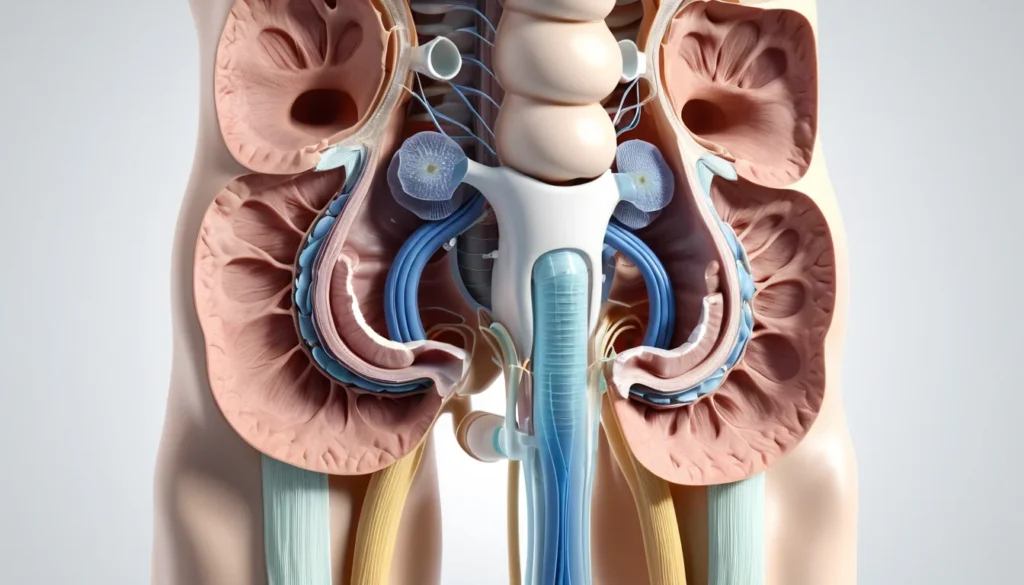
An MRI scan — short for magnetic resonance imaging — is one of the most powerful diagnostic tools available in Canadian healthcare today. It uses magnetic fields and radio waves to create detailed images of the inside of your body. Unlike X-rays or CT scans, an MRI scan does not use radiation. In this article, we explain how it works, what to expect, and who should avoid it.
What Is an MRI Scan?
An MRI scan uses a technology called nuclear magnetic resonance to produce images of your body’s tissues and organs. The machine detects how hydrogen atoms in your body respond to a strong magnetic field. It then turns those signals into highly detailed cross-sectional images.
These images can show problems that other scans simply miss. For example, an MRI scan can reveal soft tissue damage, nerve conditions, and certain types of tumours with remarkable clarity. This makes it an essential tool for doctors across Canada.
According to Health Canada, medical imaging plays a critical role in diagnosing and treating a wide range of conditions. MRI is among the most advanced and widely used imaging methods available in Canadian hospitals today.
What Conditions Can an MRI Scan Diagnose?
Doctors order an MRI scan for many different reasons. However, there are two main areas where it truly stands out: the nervous system and the bones and joints.
Brain and Nervous System
An MRI scan produces sharper images of the brain and spinal cord than a CT scan. This is especially true for specific areas and conditions. For example, MRI is the preferred tool for diagnosing multiple sclerosis (MS), a disease that affects the nervous system.
MRI is also highly effective for examining the spinal cord. It can detect tumours, infections, and damage from injury. Furthermore, it helps doctors map out the full extent of a problem before recommending surgery or other treatment.
Bones, Joints, and Discs
An MRI scan is also excellent for diagnosing bone and joint problems. It is particularly useful when a condition affects both the skeleton and the nervous system at the same time. A herniated disc — commonly called a “slipped disc” — is a good example of this.
In addition, MRI can detect hairline fractures, cartilage damage, and ligament tears that may not show up on a standard X-ray. This makes it very helpful for sports injuries and arthritis-related conditions.
Advanced MRI Techniques
Modern MRI technology has expanded well beyond basic imaging. Two important advances are worth knowing about.
The first is MR angiography (MRA). This technique creates images of blood vessels without the need for invasive procedures. It allows doctors to spot problems with blood flow, such as blockages or aneurysms, more easily than before.
The second is functional MRI (fMRI). This type of MRI scan analyses brain activity in real time. It helps doctors understand how certain areas of the brain handle sensory input and movement. As a result, fMRI is increasingly used in both research and clinical settings.
How to Prepare for an MRI Scan
One of the great advantages of an MRI scan is that it requires very little preparation. You do not need to fast beforehand. You do not need to be admitted to a hospital. You also do not need to rest after the exam.
However, there are a few important steps you must take before entering the scanning room.
Remove all metal objects, including watches, jewellery, and bra clasps.
Do not wear makeup on the day of your scan. Some cosmetics contain trace metals that can interfere with the images.
Tell your technologist about any dental fillings, implants, or prior surgeries. Dental fillings can sometimes affect image quality.
Inform the team if you are pregnant. Gadolinium contrast dye — sometimes used to improve image clarity — is not given to pregnant women as a precaution.
Your care team will ask you to complete a safety checklist before the scan begins. Answer every question honestly. This checklist protects you and helps the team provide the best possible results.
What Happens During an MRI Scan?
When you arrive for your MRI scan, a technologist will guide you through each step. The process is straightforward, and most people find it manageable once they know what to expect.
Inside the MRI Machine
You will lie down on a padded table. The table then slides smoothly into a large, tunnel-shaped machine. The tunnel is open at both ends, which helps reduce the feeling of being enclosed. The opening is typically about 60 centimetres wide and roughly two metres long.
Inside the machine, a powerful electromagnet surrounds you. You will not feel the magnetic field itself. However, you will hear a series of loud, repetitive knocking or thumping sounds. These sounds are completely normal — they are caused by the radio frequency pulses the machine uses to capture images.
The technologist will give you earplugs or headphones to protect your hearing and make the experience more comfortable. You will also be able to communicate with the technologist at all times through a microphone. If you feel unwell or anxious at any point, you can speak up immediately.
Staying Still
The most important thing you can do during an MRI scan is stay completely still. Even small movements can blur the images. If you find this difficult, let your doctor know in advance.
Children and adults with severe claustrophobia may require sedation or general anaesthesia to complete the scan safely. This is a common and well-managed practice in Canadian hospitals. Your care team will discuss the best approach with you beforehand.
Contrast Dye (Gadolinium)
In some cases, your doctor may request a contrast-enhanced MRI scan. For this, a substance called gadolinium is injected into a vein in your arm. Gadolinium does not contain iodine, which means it is safe for most people who have iodine allergies.
Side effects from gadolinium are rare. Nevertheless, as a precaution, it is not given to pregnant women. Always tell your care team if you are pregnant or if you have kidney problems, as gadolinium is processed through the kidneys.
According to the Mayo Clinic’s guide to MRI procedures, gadolinium contrast is generally very well tolerated and significantly improves diagnostic accuracy when needed.
How Long Does It Take?
A typical MRI scan takes between 30 and 45 minutes. More complex scans may take longer. Plan to arrive a few minutes early to complete your paperwork and change into a gown if needed.
After the scan is done, you can resume your normal activities right away. A radiologist will review the images and send a report to your referring doctor, who will then discuss the results with you.
Who Should Not Have an MRI Scan?
An MRI scan is very safe for most people. However, there are some situations where it is not recommended.
Metal Implants and Devices
Because the MRI machine uses an extremely strong magnetic field, certain metal objects inside the body can pose a serious risk. The following conditions are considered firm contraindications — meaning the scan cannot be performed safely:
Metal fragments in the body from an accident or injury
Certain types of brain or vascular clips or coils
A pacemaker or implantable cardiac device
Cochlear (inner ear) implants
Importantly, you may not always know if you have metal fragments in your body. Therefore, your doctor may order a standard X-ray first to check. This is a routine precaution.
What Is Safe
Not all implants are a problem. Hip replacement prostheses, most orthopaedic screws and plates, and standard dental materials are generally compatible with MRI scanning. Always disclose your full medical history to your care team so they can assess your specific situation.
Body Size
The MRI scanner has a fixed tunnel size. In some cases, patients with a very large body frame may not fit comfortably inside a standard machine. Larger “open” MRI machines are available at some Canadian imaging centres and may be a suitable alternative. Ask your doctor or imaging centre about your options.
MRI Scan vs. CT Scan: What Is the Difference?
Many Canadians wonder how an MRI scan differs from a CT scan (also called a CAT scan). Both are imaging tools, but they work very differently.
A CT scan uses X-rays to produce images. It is faster and better suited for some urgent situations, such as suspected internal bleeding or bone fractures. However, CT scans do expose you to a small dose of radiation.
An MRI scan, on the other hand, uses no radiation at all. It produces much more detailed images of soft tissues, such as the brain, spinal cord, muscles, and ligaments. Therefore, doctors often choose MRI when they need a clearer look at these structures.
As Healthline explains in their MRI overview, the choice between MRI and CT depends on what your doctor is looking for and how quickly results are needed. Your doctor will choose the right test for your situation.
When to See a Doctor
An MRI scan is always ordered by a doctor — you cannot book one on your own. If you are experiencing symptoms that concern you, your first step is to speak with your family doctor or visit a walk-in clinic.
Common reasons a doctor might refer you for an MRI scan include persistent back or neck pain, unexplained neurological symptoms such as numbness or vision changes, joint pain that does not respond to treatment, or suspected MS or another neurological condition.
In Canada, your provincial health plan typically covers medically necessary MRI scans when ordered by a physician. Wait times vary by province and by the urgency of your condition. Your doctor can help you understand what to expect in your region.
If you have any concerns about an upcoming MRI scan — including claustrophobia, implants, or pregnancy — do not hesitate to raise them with your care team before the appointment. They are there to help you through the process safely and comfortably.
Frequently Asked Questions About MRI Scans
Is an MRI scan covered by provincial health insurance in Canada?
In most provinces, an MRI scan is covered by your provincial health plan when it is medically necessary and ordered by a licensed physician. However, wait times can vary widely depending on your province and the urgency of your condition. Talk to your family doctor about what coverage looks like in your area.
Is an MRI scan painful?
No, an MRI scan is completely painless. You will not feel the magnetic field or the radio waves. The main discomfort most people report is the loud knocking sound the machine makes, which is managed with earplugs or headphones.
Can I have an MRI scan if I am claustrophobic?
Yes, it is still possible to have an MRI scan if you experience claustrophobia. Your doctor can prescribe a mild sedative to help you relax during the procedure. In some cases, general anaesthesia may be used, particularly for children or those with severe anxiety.
How long does an MRI scan take?
Most MRI scans take between 30 and 45 minutes to complete. More detailed or specialised scans may take a little longer. After the scan, you can return to your normal daily activities right away with no recovery time needed.
Is an MRI scan safe during pregnancy?
Current evidence suggests that an MRI scan is generally safe during pregnancy and does not use radiation. However, gadolinium contrast dye is not recommended for pregnant women as a precaution. Always tell your doctor and imaging team if you are pregnant before undergoing any scan.
What is the difference between an MRI scan and an X-ray?
An X-ray uses radiation to create images and is best suited for viewing bones. An MRI scan uses magnetic fields and radio waves — no radiation — and produces much more detailed images of soft tissues like the brain, spinal cord, and muscles. Your doctor will recommend the right test based on your symptoms.
Key Takeaways
An MRI scan uses magnetic fields and radio waves to produce detailed images of the body — with no radiation exposure.
It is especially useful for diagnosing conditions of the brain, spinal cord, and joints, including multiple sclerosis and herniated discs.
Very little preparation is needed. You do not need to fast, and you can go home right after the scan.
Remove all metal objects before the scan. Tell your care team about any implants, pacemakers, or pregnancy.
People with certain metal implants or pacemakers cannot safely have an MRI scan. Your doctor will assess your individual situation.
In Canada, medically necessary MRI scans are typically covered by your provincial health plan when ordered by a physician.
If you have symptoms that concern you, speak with your family doctor or visit a walk-in clinic. They will determine whether an MRI scan is right for you.
Please note: This article is for general informational purposes only and does not replace professional medical advice. Always consult your family doctor or a qualified healthcare provider before making any decisions about your health.