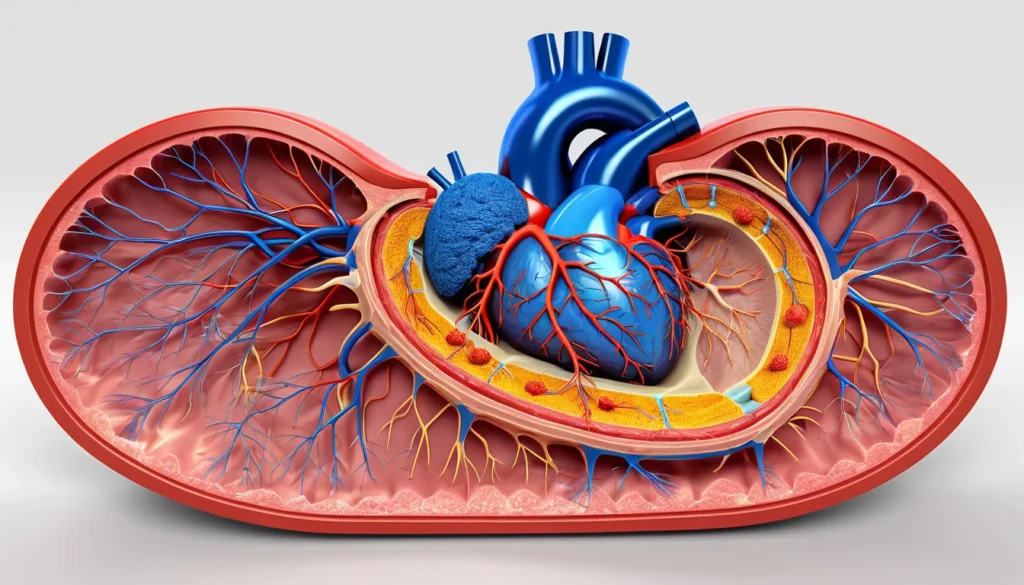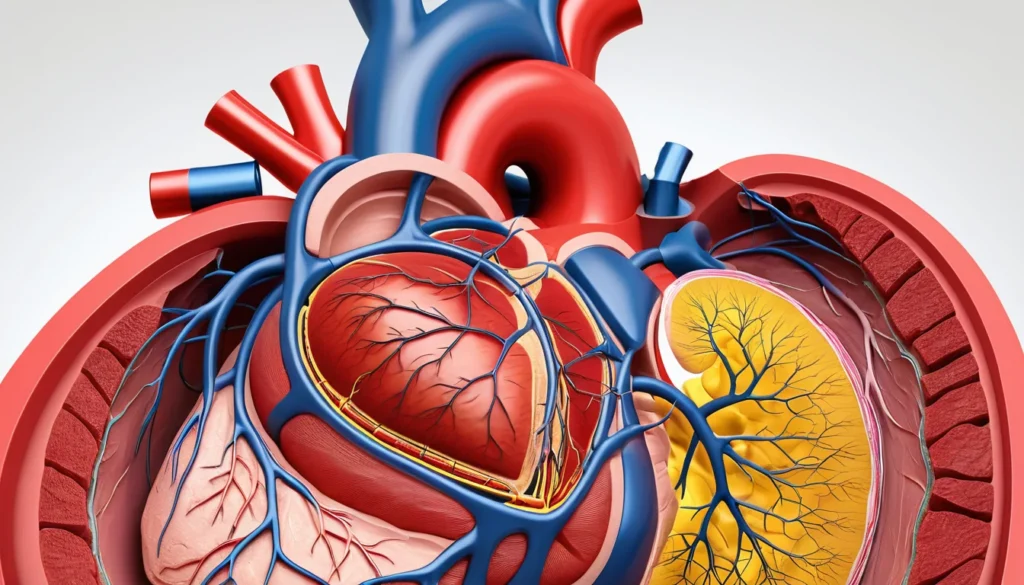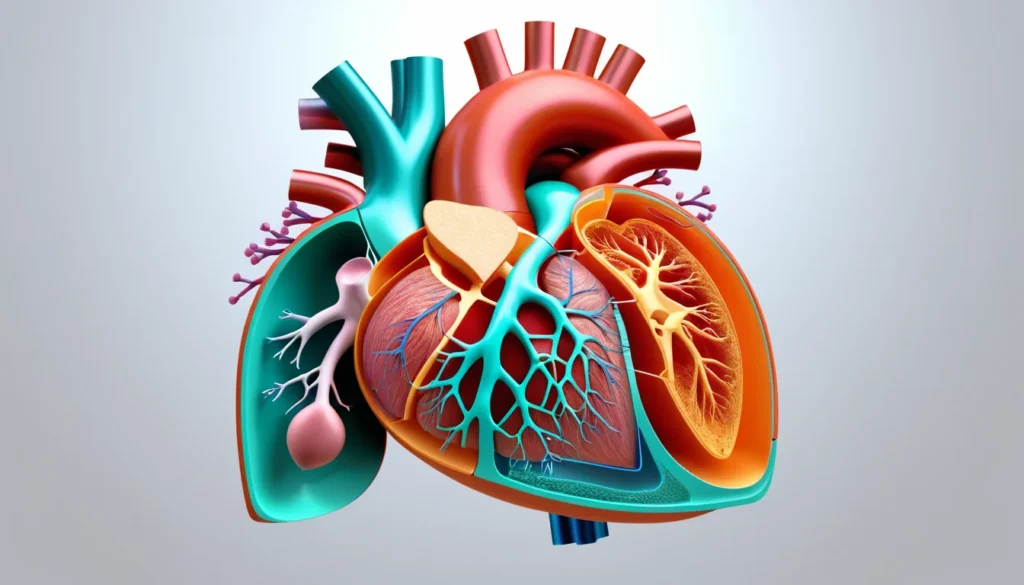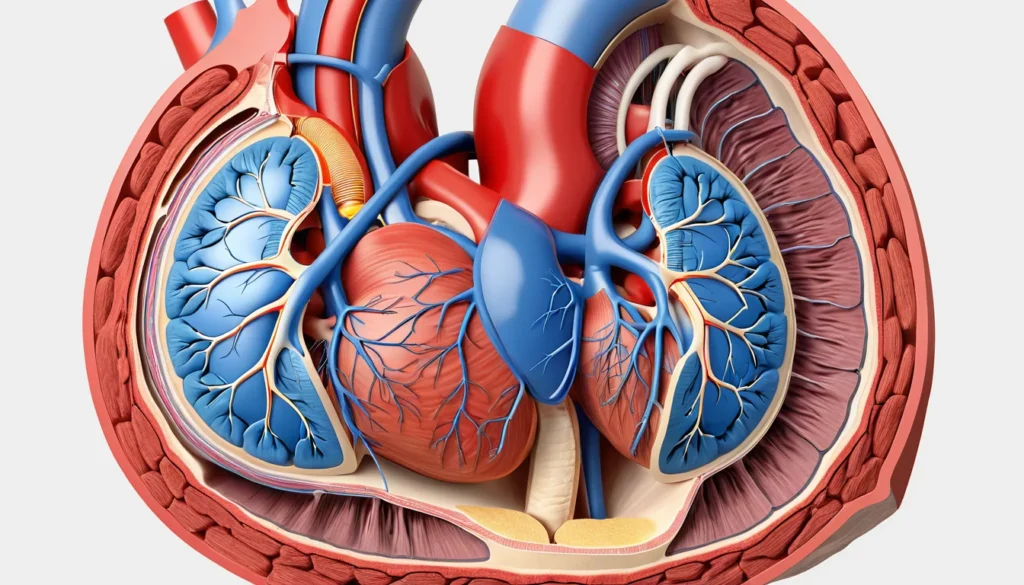
Mitral valve stenosis is a heart condition where the mitral valve thickens and stiffens, making it harder for blood to flow properly. Over time, this narrowing can lead to serious complications like heart failure, irregular heartbeats, and stroke. In Canada, most people with this condition are diagnosed in their 40s or 50s. This article explains what mitral valve stenosis is, what causes it, and what your treatment options look like.
What Is Mitral Valve Stenosis?
Your heart has four valves that keep blood moving in the right direction. The mitral valve sits between the left atrium and the left ventricle — two of your heart’s four chambers.
In a healthy heart, the mitral valve opens fully to let blood flow from the upper chamber to the lower chamber. However, in mitral valve stenosis, the valve thickens, scars, and stiffens. As a result, it cannot open all the way.
This narrowing restricts blood flow during diastole — the phase when your heart relaxes between beats. Blood backs up in the left atrium and eventually in the lungs, which can cause serious problems over time.
For a deeper look at how heart valves work, visit the Mayo Clinic’s overview of mitral valve stenosis.
What Causes Mitral Valve Stenosis?
Several conditions can damage the mitral valve and lead to stenosis. Some causes are more common than others.
Rheumatic Fever
The most common cause of mitral valve stenosis is rheumatic fever. This condition develops as a complication of untreated or undertreated strep throat — a bacterial infection caused by Group A Streptococcus.
When strep throat goes untreated, the immune system can mistakenly attack the heart’s connective tissue. This process damages the mitral valve over time. Symptoms of mitral valve stenosis may not appear until 10 to 20 years after the initial rheumatic fever attack — sometimes even longer.
Rheumatic fever is less common in Canada today thanks to widespread antibiotic use. However, it remains more prevalent in colder, damper regions and in communities with limited access to healthcare.
Other Causes
In some cases, mitral valve stenosis develops for other reasons. These include:
Congenital heart defects — Some people are born with a narrowed mitral valve. This is usually diagnosed in childhood.
Age-related valve degeneration — As we age, heart valve tissue can thicken and stiffen on its own.
Inflammatory conditions — Diseases like systemic lupus erythematosus (lupus) or rheumatoid arthritis can affect the heart valves.
Atrial myxoma — This is a rare, benign tumour that can block the mitral valve opening.
Certain medications or drug use — Some substances have been linked to valve damage over time.
According to Health Canada, heart disease remains one of the leading causes of illness and death in the country, making early detection of valve problems especially important.
Recognising the Symptoms of Mitral Valve Stenosis
Mitral valve stenosis often develops slowly. Many people have no symptoms for years. When symptoms do appear, they usually signal that the narrowing has become significant.
Early Symptoms
Early symptoms tend to be mild and easy to overlook. You might notice:
Shortness of breath during physical activity
Fatigue that seems unusual for your activity level
Heart palpitations — a feeling of fluttering or rapid beating in your chest
These symptoms often get worse during exercise, illness, or times of physical stress. For example, pregnancy can significantly increase the strain on a valve that is already narrowed.
Advanced Symptoms
As mitral valve stenosis progresses, symptoms become more serious. These may include:
Shortness of breath at rest — especially when lying flat at night
Paroxysmal nocturnal dyspnoea — waking suddenly at night gasping for air
Coughing up blood (hemoptysis) — this happens when pressure builds in the lung’s blood vessels
Swollen legs or ankles — a sign of fluid build-up from heart failure
Bluish skin colour (cyanosis) — caused by poor oxygen levels in the blood
Chest discomfort or tightness
In advanced cases, mitral valve stenosis can lead to atrial fibrillation — an irregular heart rhythm where the upper chambers of the heart beat chaotically. Atrial fibrillation raises the risk of blood clots forming in the left atrium. If a clot breaks free, it can travel to the brain and cause a stroke.
A Medical Emergency to Know
Acute pulmonary oedema — a sudden dangerous build-up of fluid in the lungs — is a medical emergency. If you or someone nearby experiences sudden severe shortness of breath, call 911 immediately. Do not wait to see a doctor.
How Is Mitral Valve Stenosis Diagnosed?
A doctor will typically start with a physical examination. Using a stethoscope, they may hear a distinctive heart murmur — an abnormal sound caused by turbulent blood flow through the narrowed valve.
Further tests help confirm the diagnosis and assess how severe the condition is. Common tests include:
Echocardiogram (echo) — an ultrasound of the heart. This is the most useful test for viewing the mitral valve and measuring the degree of narrowing.
Electrocardiogram (ECG) — records the heart’s electrical activity and can detect irregular rhythms.
Chest X-ray — can show an enlarged heart or fluid in the lungs.
Cardiac MRI or CT scan — used in more complex cases for detailed imaging.
Stress test — assesses how symptoms change with physical activity.
Most of these tests are covered under provincial health plans across Canada. Your family doctor can refer you to a cardiologist if they suspect a heart valve problem.
Treatment Options for Mitral Valve Stenosis
There is no medication that repairs a damaged mitral valve. However, several treatments can manage symptoms and prevent complications from mitral valve stenosis.
Medications
Your doctor may prescribe medications to:
Control your heart rate (beta-blockers or calcium channel blockers)
Reduce fluid build-up (diuretics)
Prevent blood clots (blood thinners like warfarin, especially if you have atrial fibrillation)
Treat irregular heart rhythms (antiarrhythmic drugs)
These medications do not fix the narrowing itself. Instead, they help your heart work more efficiently and lower the risk of complications.
Balloon Valvuloplasty (Valvotomy)
For suitable patients, a procedure called balloon valvuloplasty can open the narrowed valve without surgery. A thin, flexible tube (catheter) with a small balloon is threaded through a blood vessel to the heart. The balloon is inflated to widen the valve opening.
This is a less invasive option and works best for patients whose valves have not yet calcified heavily.
Valve Repair or Replacement Surgery
When the valve is too damaged for valvuloplasty, surgery may be necessary. Surgeons can either repair the existing valve or replace it with a mechanical or biological (tissue) valve.
Both options have advantages and trade-offs. Mechanical valves are very durable but require lifelong blood thinners. Tissue valves do not require blood thinners long-term but may wear out after 10 to 20 years.
Your cardiologist and cardiac surgeon will work with you to choose the best option based on your age, health, and lifestyle. For more information on valve surgery options, the Healthline guide to mitral valve stenosis provides a helpful overview.
When to See a Doctor
If you notice any unexplained shortness of breath, unusual fatigue, or a feeling that your heart is racing or fluttering, do not ignore it. These can be early signs of mitral valve stenosis or another heart condition.
Start by booking an appointment with your family doctor. If you do not have one, a walk-in clinic can assess your symptoms and refer you for further testing. Canadians in most provinces can access cardiac specialist care through their provincial health plan with a referral.
Seek emergency care right away if you experience:
Sudden, severe shortness of breath
Coughing up blood
Chest pain
Fainting or near-fainting
Sudden weakness or numbness (possible stroke signs)
Always speak with a qualified healthcare provider before making any decisions about your health. This article is for informational purposes only and does not replace professional medical advice.
Frequently Asked Questions About Mitral Valve Stenosis
Can mitral valve stenosis go away on its own?
No, mitral valve stenosis does not reverse on its own. The narrowing of the mitral valve is caused by physical changes to the valve tissue, such as scarring or calcification. Without treatment, the condition typically worsens over time, so medical monitoring is essential.
Is mitral valve stenosis a serious condition?
Yes, mitral valve stenosis can become serious if left untreated. It can lead to complications such as heart failure, atrial fibrillation, and stroke. However, many people manage the condition well with the right treatment and regular follow-up care with a cardiologist.
What does mitral valve stenosis feel like?
Many people with mild mitral valve stenosis feel no symptoms at all. As the condition progresses, you may notice shortness of breath during activity, unusual tiredness, or a fluttering sensation in your chest. In advanced cases, symptoms can occur even at rest.
What is the most common cause of mitral valve stenosis in adults?
The most common cause of mitral valve stenosis in adults is rheumatic fever, which is a complication of untreated strep throat. The immune response damages the heart valves, and symptoms may not appear for 10 to 20 years after the original infection. This cause has become less common in Canada due to antibiotic treatment.
How is mitral valve stenosis treated in Canada?
Treatment for mitral valve stenosis in Canada depends on how severe the narrowing is. Options range from medications to manage symptoms, to a minimally invasive balloon procedure, or valve repair and replacement surgery. Most diagnostic tests and specialist referrals are covered under provincial health plans.
Can you live a normal life with mitral valve stenosis?
Many people with mild to moderate mitral valve stenosis live active, full lives with proper medical care. Regular monitoring by a cardiologist, taking prescribed medications, and making heart-healthy lifestyle choices all play an important role. Those with more severe stenosis may need a procedure or surgery to restore quality of life.
Key Takeaways
Mitral valve stenosis is a narrowing of the heart’s mitral valve that restricts blood flow between the left atrium and left ventricle.
The most common cause is rheumatic fever, a complication of untreated strep throat.
Symptoms — including shortness of breath, fatigue, and palpitations — often develop slowly and may not appear for decades.
Serious complications include atrial fibrillation, heart failure, stroke, and acute pulmonary oedema.
Treatment ranges from medications to balloon valvuloplasty to valve surgery, depending on the severity.
In Canada, your family doctor or walk-in clinic can start the process of diagnosis and refer you to a cardiologist.
Always consult your healthcare provider if you experience heart-related symptoms — early detection leads to better outcomes.