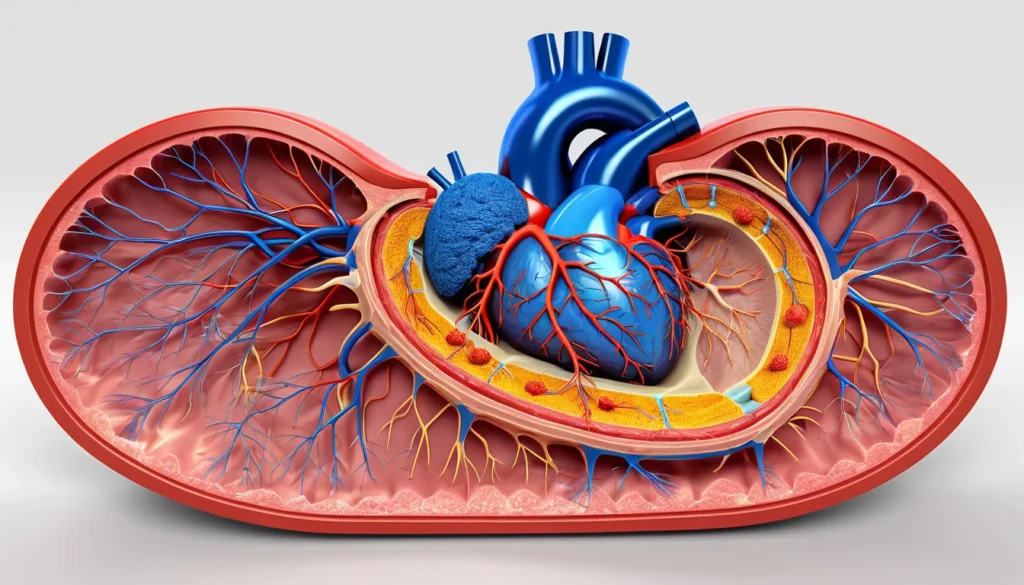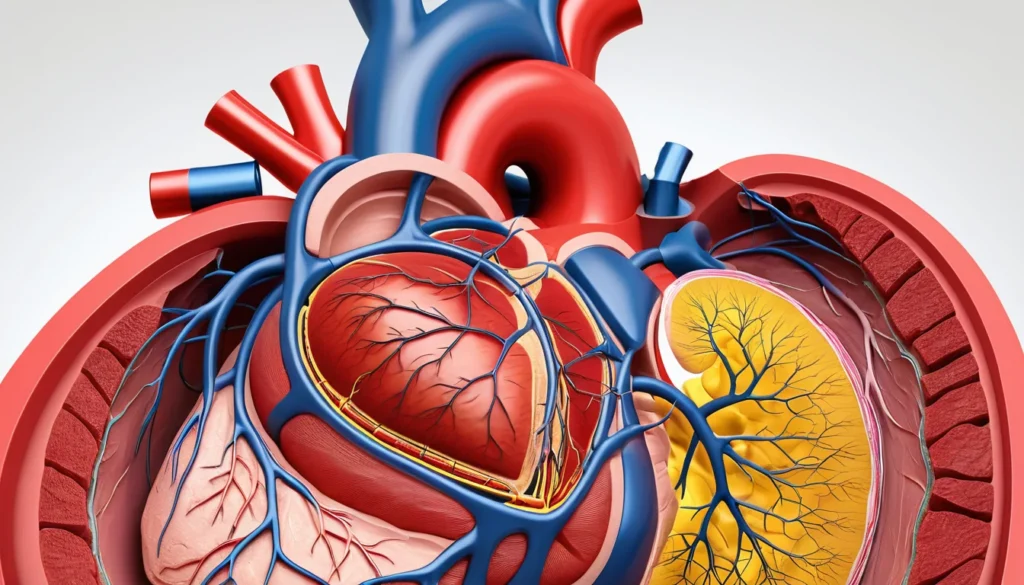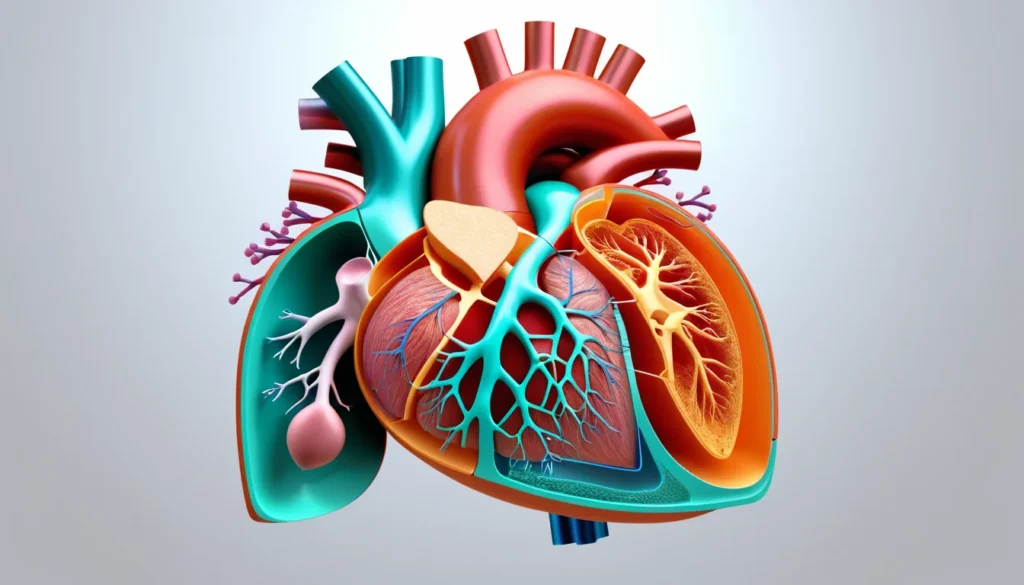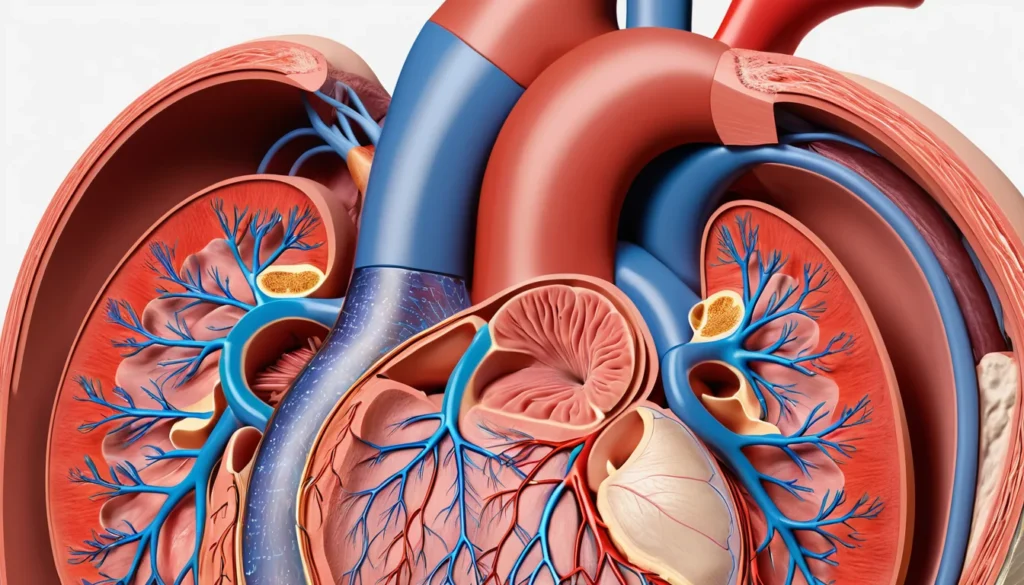
Mitral valve prolapse is one of the most common heart valve conditions in Canada, affecting an estimated 2–3% of the population. It happens when the mitral valve — the door between the upper and lower chambers on the left side of your heart — does not close properly. Instead of sealing shut, one or both of the valve’s flaps bulge backward into the upper chamber during each heartbeat. For most people, this condition is mild and causes no serious problems. However, understanding the causes, symptoms, and treatment options can help you take charge of your heart health.
What Is Mitral Valve Prolapse?
Your heart has four valves that control blood flow in one direction. The mitral valve sits between the left atrium (upper chamber) and the left ventricle (lower chamber). With each heartbeat, this valve opens to let blood flow down, then closes tightly to prevent backflow.
In mitral valve prolapse, the valve flaps are slightly too large or too flexible. During the pumping phase of your heartbeat, they bulge back by more than 2 mm into the left atrium. This can allow a small amount of blood to leak backward — a condition doctors call mitral regurgitation.
The degree of leakage varies greatly from person to person. Many people have a very minor leak that never causes any trouble. Others may develop more significant regurgitation over time, which requires closer monitoring and sometimes treatment.
Causes and Risk Factors of Mitral Valve Prolapse
In most cases, mitral valve prolapse does not have a single clear cause. Doctors often call this “idiopathic,” meaning it simply occurs on its own. It tends to run in families and can be inherited as an autosomal dominant trait, which means a child has a 50% chance of inheriting it if one parent carries the gene.
The most common underlying change in the valve tissue is called myxomatous degeneration. This means the valve tissue becomes thicker and more rubbery than normal, allowing it to bulge during heartbeats. This change affects the valve flaps, the ring around the valve, and the supporting cords attached to the valve.
Conditions Associated With Mitral Valve Prolapse
Mitral valve prolapse is more common in people who have certain connective tissue disorders or other heart conditions. Associated conditions include:
Marfan syndrome — a connective tissue disorder affecting the heart, eyes, and skeleton
Osteogenesis imperfecta — a genetic disorder causing fragile bones
Atrial septal defect — a hole between the upper chambers of the heart
Hypertrophic cardiomyopathy — a condition where the heart muscle becomes abnormally thick
Rheumatic fever — a complication of untreated strep throat that can damage heart valves
Ischaemic heart disease — reduced blood flow to the heart muscle
Wolff-Parkinson-White syndrome — an electrical pathway disorder in the heart
Furthermore, mitral valve prolapse is more commonly diagnosed in young women, though it can affect people of any age or gender. If you have a family history of heart valve problems, mention this to your family doctor.
Symptoms of Mitral Valve Prolapse
The majority of people with mitral valve prolapse have absolutely no symptoms. Many people only find out they have it during a routine physical exam when their doctor hears an unusual sound through a stethoscope.
When symptoms do occur, they tend to be varied and mild. They can also be easy to confuse with anxiety, stress, or other conditions. As a result, getting a proper diagnosis is important before drawing any conclusions.
Common Symptoms to Watch For
Symptoms that some people with mitral valve prolapse experience include:
Palpitations — a fluttering or racing sensation in the chest
Chest discomfort — usually mild, and rarely similar to angina pain
Shortness of breath — especially during physical activity
Fatigue or weakness — a general feeling of low energy
Dizziness or lightheadedness
Fainting (syncope) — in rare cases, related to abnormal heart rhythms
Low blood pressure (hypotension)
In rare cases, people may experience transient ischaemic attacks (TIAs), sometimes called “mini-strokes.” These are caused by small clots forming on the valve surface and travelling to the brain. However, this complication is uncommon and typically occurs in younger patients.
What Doctors Hear With a Stethoscope
One of the hallmarks of mitral valve prolapse is a distinctive clicking sound, known as a mid-systolic click. Doctors may also hear a murmur — a whooshing sound — following the click. These sounds change depending on body position. Standing up makes the click happen earlier and the murmur longer. Lying down does the opposite.
Diagnosing Mitral Valve Prolapse
If your doctor suspects mitral valve prolapse, they will refer you for further testing. The most important diagnostic tool is echocardiography — an ultrasound of the heart. This painless test uses sound waves to create images of your heart in motion.
An echocardiogram can clearly show whether the valve flaps are bulging backward and by how much. It can also measure how much blood — if any — is leaking back through the valve.
Other Tests Your Doctor May Order
In addition to an echocardiogram, your cardiologist or family doctor may recommend:
Doppler echocardiography — a very sensitive technique that can detect even small amounts of mitral regurgitation
Electrocardiogram (ECG) — usually normal in people with mitral valve prolapse, but helpful for checking heart rhythm
Chest X-ray — typically normal in pure mitral valve prolapse, but useful for ruling out other issues
Holter monitor — a portable ECG worn for 24–48 hours to detect irregular heart rhythms
Some patients also show skeletal features such as a flat back, sunken chest (pectus excavatum), or scoliosis. These physical traits can sometimes suggest an underlying connective tissue condition that your doctor will want to investigate further.
For more information on heart diagnostics in Canada, visit Health Canada’s official health information portal.
Complications of Mitral Valve Prolapse
Most people with mitral valve prolapse never develop serious complications. However, in some cases, the condition can progress and lead to more significant health issues.
Mitral Regurgitation
The most common complication is severe mitral regurgitation — where large amounts of blood leak backward into the left atrium. Over time, this extra workload can weaken the left ventricle and lead to heart failure. When this happens, surgery may be necessary to repair or replace the valve.
Heart Rhythm Problems
Some people with mitral valve prolapse develop arrhythmias — irregular heartbeats. These include:
Atrial fibrillation — a fast, irregular rhythm in the upper chambers
Ventricular arrhythmias — irregular rhythms in the lower chambers, including frequent extra heartbeats
In very rare cases, serious ventricular arrhythmias can lead to sudden cardiac death. This risk is very low overall, but it is higher in people who already have significant mitral regurgitation or other heart problems.
Infective Endocarditis
People with a heart murmur caused by mitral valve prolapse have a slightly higher risk of infective endocarditis — an infection of the heart valve. Bacteria can enter the bloodstream during dental procedures or surgeries and attach to the abnormal valve tissue.
For this reason, some patients may need antibiotic prophylaxis before certain dental or surgical procedures. Your cardiologist will advise you on whether this applies to your situation. You can learn more about mitral valve prolapse risks and complications at the Mayo Clinic.
Stroke and Embolic Events
Small blood clots can occasionally form on the surface of a prolapsed mitral valve. If these clots travel to the brain, they can cause a stroke or TIA. This risk is higher in people who also have atrial fibrillation. Anticoagulant (blood-thinning) medications can help reduce this risk.
Treatment Options for Mitral Valve Prolapse
Treatment for mitral valve prolapse depends on how severe the condition is and whether you have symptoms. Many Canadians with this condition require no treatment at all — just regular monitoring by their family doctor and cardiologist.
Lifestyle and Monitoring
For people with mild mitral valve prolapse and no symptoms, the main “treatment” is awareness and regular check-ups. Your doctor may recommend:
Annual or biannual echocardiograms to monitor the valve
Regular appointments with your cardiologist through your provincial health plan
Staying physically active with moderate exercise, as approved by your doctor
Reducing caffeine and alcohol if they trigger palpitations
Managing stress, which can worsen symptoms
Medications
When symptoms are present or complications arise, your doctor may prescribe medications. These can include:
Beta-blockers — to slow the heart rate and reduce palpitations
Diuretics — to reduce fluid buildup if the heart is under strain
Digoxin (digitalis) — to help control heart rate in atrial fibrillation
Anticoagulants — blood thinners to reduce stroke risk in people with atrial fibrillation or a history of embolic events
Antiarrhythmic medications — to manage abnormal heart rhythms
Surgery
Surgery is considered when mitral regurgitation becomes severe and begins to affect heart function. The preferred approach is valve repair rather than replacement, as it preserves more of your natural heart tissue and carries better long-term outcomes. Valve replacement is only necessary in a small number of cases.
For a broader overview of heart valve disease and its management, Healthline’s guide to mitral valve prolapse offers helpful additional information.
When to See a Doctor
If you experience any unexplained chest discomfort, heart palpitations, dizziness, or fainting, it is important to speak with a healthcare provider. You do not need to wait for a specialist referral — your family doctor or a walk-in clinic can assess your symptoms and arrange appropriate tests.
If you have already been diagnosed with mitral valve prolapse, keep all follow-up appointments with your cardiologist. Under most provincial health plans across Canada, cardiology referrals and echocardiograms are covered when medically necessary. Ask your family doctor for a referral if you have not yet seen a cardiologist.
Seek emergency care immediately if you experience severe chest pain, sudden shortness of breath, loss of consciousness, or symptoms of a stroke — such as face drooping, arm weakness, or speech difficulty.
Always speak with your doctor or a qualified healthcare professional before making any changes to your treatment plan. Every person’s situation is different, and personalised medical advice is essential.
Frequently Asked Questions About Mitral Valve Prolapse
Is mitral valve prolapse a serious condition?
For most people, mitral valve prolapse is not a serious condition and requires no treatment. However, a small number of patients may develop complications such as severe mitral regurgitation or heart rhythm problems, which need ongoing monitoring by a cardiologist. Regular check-ups with your family doctor are the best way to catch any changes early.
Can mitral valve prolapse go away on its own?
Mitral valve prolapse is a structural condition, meaning the valve does not return to normal on its own. However, many people live their entire lives with mitral valve prolapse without it causing any significant health problems. Symptoms and severity can remain stable for decades with proper monitoring.
Can I exercise with mitral valve prolapse?
Most people with mitral valve prolapse can exercise safely and are encouraged to stay active. However, if you have significant mitral regurgitation or a history of arrhythmias, your doctor may place some restrictions on high-intensity activities. Always get personalised guidance from your cardiologist or family doctor before starting a new exercise programme.
What does mitral valve prolapse feel like?
Many people with mitral valve prolapse feel nothing at all and are only diagnosed during a routine exam. Those who do have symptoms often describe palpitations, mild chest discomfort, fatigue, or occasional dizziness. These symptoms can be easy to confuse with anxiety or stress, so a proper diagnosis from a doctor is important.
Is mitral valve prolapse hereditary?
Yes, mitral valve prolapse often runs in families and can be passed down through generations. It is typically inherited in an autosomal dominant pattern, which means a parent with the condition has about a 50% chance of passing it to each child. If a close family member has been diagnosed, let your family doctor know so they can assess your risk.