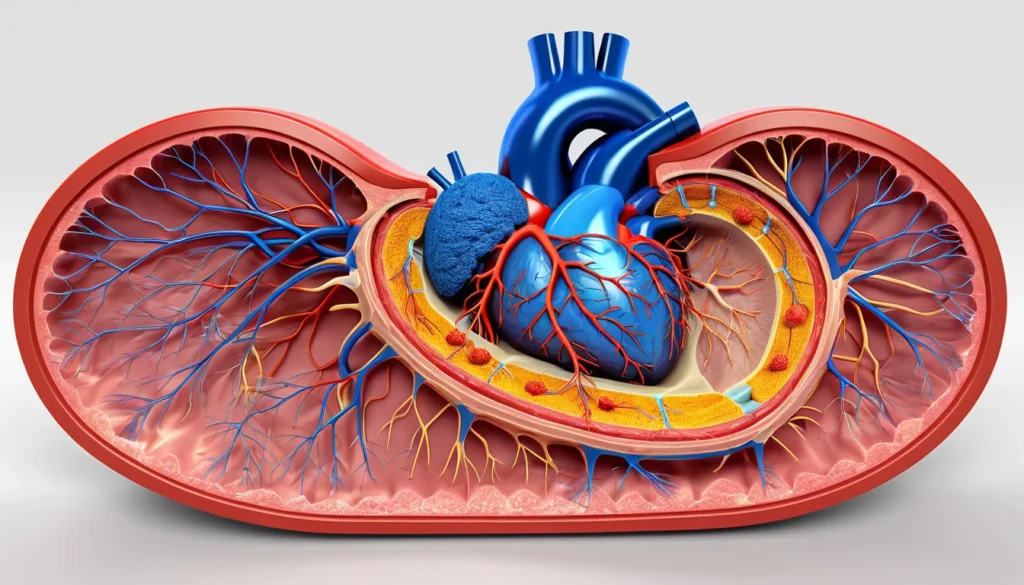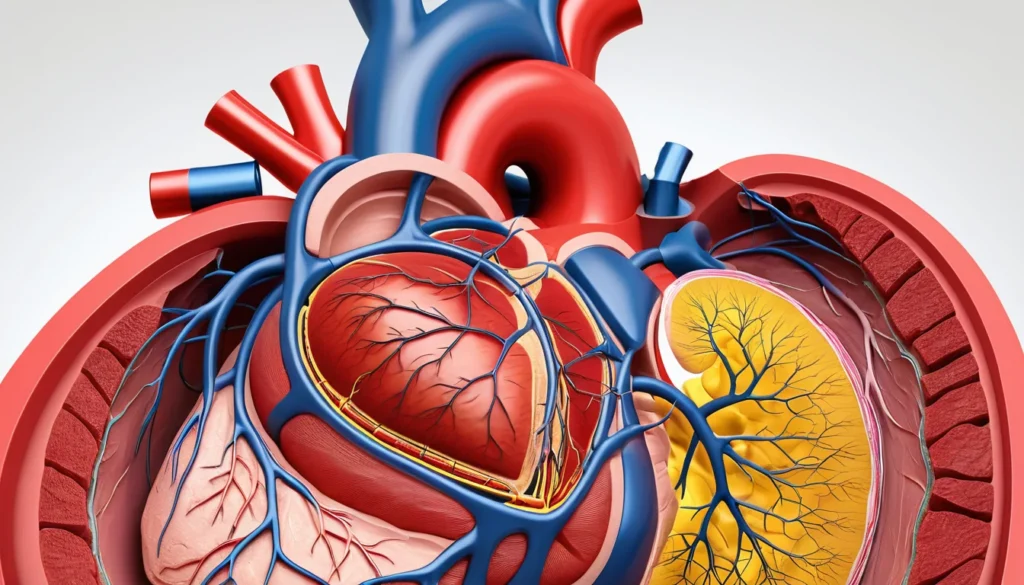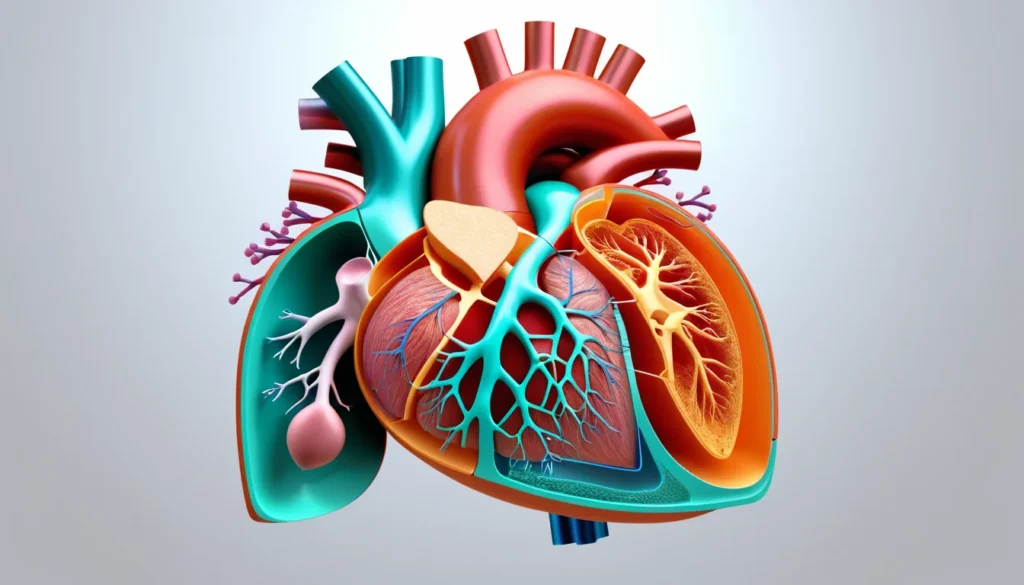
Mitral regurgitation is a common heart valve condition where the mitral valve does not close properly. This causes blood to flow backward in the heart instead of moving forward. In Canada, heart valve disease affects hundreds of thousands of people, and mitral regurgitation is one of the most frequent forms. Understanding this condition can help you recognize symptoms early and get the right care.
What Is Mitral Regurgitation?
Your heart has four valves that act like one-way doors. They open and close with each heartbeat to keep blood moving in the right direction. The mitral valve sits between the left atrium and the left ventricle.
In mitral regurgitation, the mitral valve does not seal tightly when the heart contracts. As a result, some blood leaks backward into the left atrium. Over time, this backward flow puts extra strain on the heart.
The mitral valve is made up of four key parts:
Two leaflets (anterior and posterior)
The mitral annulus (the ring around the valve)
Chordae tendineae (thin, cord-like tendons)
Papillary muscles (which anchor the cords)
Damage to any one of these parts can lead to mitral regurgitation. The severity of the leakage depends on how much the valve fails to close. Learn more about mitral valve regurgitation from the Mayo Clinic.
Acute vs. Chronic Mitral Regurgitation
Doctors divide mitral regurgitation into two main types: acute and chronic. Each type behaves differently and requires different treatment approaches.
Acute Mitral Regurgitation
Acute mitral regurgitation develops suddenly. The left atrium does not have time to adapt to the sudden increase in pressure. As a result, pressure builds up quickly in the lungs. This can lead to serious complications such as pulmonary edema (fluid in the lungs) or cardiogenic shock.
Acute mitral regurgitation is a medical emergency. It requires immediate attention at a hospital emergency department.
Chronic Mitral Regurgitation
Chronic mitral regurgitation develops slowly over many years. The heart gradually adjusts to the extra workload. The left atrium slowly stretches to hold the extra blood. However, over time, the heart muscle weakens and can no longer compensate.
Many people with mild chronic mitral regurgitation have no symptoms for years. Furthermore, they may not discover the condition until a doctor hears a heart murmur during a routine check-up.
Common Causes of Mitral Regurgitation
Many different conditions can damage the mitral valve. Some causes are present from birth, while others develop over time.
Causes Related to the Valve Leaflets
Mitral valve prolapse — the most common cause in Canada; the leaflets bulge backward into the atrium
Myxomatous degeneration — a weakening of the valve tissue
Rheumatic fever — which can scar and stiffen valve tissue
Systemic lupus erythematosus (lupus)
Congenital heart defects present from birth
Hypertrophic cardiomyopathy
Causes Related to the Valve Ring or Chords
Dilation of the left ventricle — which stretches the ring and prevents proper closure
Calcification (hardening) of the valve ring
Ruptured or elongated chordae tendineae, often from infective endocarditis or heart attack
Causes Related to the Papillary Muscles
Heart attack (myocardial infarction) — can rupture or damage the papillary muscles
Ischemic dysfunction — reduced blood supply weakens the muscles
In some cases, mitral regurgitation is called “functional.” This means the valve itself is normal, but the surrounding heart structures have changed shape, preventing the valve from closing correctly. Healthline offers a helpful overview of mitral valve regurgitation causes and risk factors.
How Mitral Regurgitation Affects the Heart
Understanding the mechanics helps explain why symptoms develop over time.
When the left ventricle contracts, it should push blood forward into the aorta and out to the body. However, with mitral regurgitation, some blood flows backward into the left atrium instead. This creates a pressure wave in the atrium, causing it to dilate (enlarge).
During the next heartbeat, the left ventricle receives both the normal amount of blood and the blood that leaked back. Therefore, the ventricle has to work harder than normal. Over time, this extra workload causes the ventricle to enlarge and weaken.
In advanced stages, the increased pressure spreads to the lungs. This can eventually affect the right side of the heart as well. As a result, the person may develop global heart failure, where both sides of the heart struggle to pump effectively.
Signs and Symptoms to Watch For
Symptoms of mitral regurgitation vary greatly depending on whether the condition is acute or chronic, and how severe the leakage is.
Symptoms of Acute Mitral Regurgitation
Acute mitral regurgitation comes on suddenly and causes severe symptoms. These include:
Sudden, severe shortness of breath (dyspnea)
Inability to breathe comfortably while lying down (orthopnea)
Coughing, sometimes with frothy or blood-tinged mucus
Rapid heart rate with a weak pulse
Low blood pressure
Bluish skin colour (cyanosis), especially around the lips and face
Swollen neck veins
These symptoms signal a medical emergency. Call 911 or go to your nearest emergency department immediately.
Symptoms of Chronic Mitral Regurgitation
In mild to moderate cases, there may be no symptoms at all. However, as the condition progresses, the following symptoms can appear:
Shortness of breath during physical activity, which gradually gets worse
Persistent cough or mucus production
Fatigue and reduced ability to exercise
Heart palpitations (a fluttering or racing feeling in the chest)
Swollen feet or ankles in later stages
A doctor may also detect a heart murmur — a whooshing sound heard through a stethoscope. In mitral regurgitation, this murmur occurs throughout the entire contraction phase of the heartbeat. It is usually loudest at the tip of the heart (the apex) and may radiate toward the armpit.
Conditions such as infective endocarditis, atrial fibrillation with a rapid heart rate, fever, anaemia, or thyroid problems can trigger a sudden worsening of chronic mitral regurgitation.
How Is Mitral Regurgitation Diagnosed?
If your doctor suspects mitral regurgitation, they will refer you for several tests. These help confirm the diagnosis and measure how severe the leakage is.
Common diagnostic tests include:
Echocardiogram — an ultrasound of the heart; this is the most important test for diagnosing mitral regurgitation
Electrocardiogram (ECG) — checks for abnormal heart rhythms
Chest X-ray — can show enlargement of the heart or fluid in the lungs
Cardiac MRI — provides detailed images of the heart’s structure
Cardiac catheterization — used in some cases before surgery to check the coronary arteries
Your provincial health plan typically covers these diagnostic tests when ordered by your family doctor or a specialist. Ask your family doctor for a referral to a cardiologist if you are experiencing any concerning symptoms. Health Canada provides information on accessing cardiac care through the Canadian health care system.
When to See a Doctor
You should speak with your family doctor if you notice any new or worsening symptoms related to your heart, such as shortness of breath during everyday activities, unusual fatigue, or swollen ankles.
If you do not have a family doctor, a walk-in clinic can assess your symptoms and arrange for an echocardiogram or refer you to a cardiologist. Do not wait if symptoms come on suddenly or feel severe.
Call 911 immediately if you experience sudden, severe shortness of breath, chest pain, or loss of consciousness. These could be signs of acute mitral regurgitation or another serious cardiac emergency.
Regular monitoring is essential for people already diagnosed with mitral regurgitation. Your cardiologist will schedule follow-up echocardiograms to track any changes over time. Always follow your healthcare provider’s recommendations regarding medications, activity levels, and surgery if it is advised.
This article is for general information only. Always consult your family doctor or a qualified healthcare provider for advice about your personal health situation.
Frequently Asked Questions About Mitral Regurgitation
What is mitral regurgitation, and is it serious?
Mitral regurgitation is a condition where the mitral valve does not close fully, allowing blood to leak backward in the heart. It can range from mild, with no symptoms at all, to severe, which can lead to heart failure. Prompt diagnosis and regular monitoring by a cardiologist are important for managing this condition.
What are the most common symptoms of mitral regurgitation?
The most common symptoms of mitral regurgitation include shortness of breath during activity, persistent fatigue, heart palpitations, and coughing. In severe cases, people may experience difficulty breathing while lying down or swollen ankles. Some people with mild mitral regurgitation have no symptoms at all.
Can mitral regurgitation go away on its own?
Mitral regurgitation does not typically go away on its own. Mild cases can remain stable for many years with regular monitoring. However, moderate to severe mitral regurgitation usually requires medical treatment or surgical repair of the valve.
What causes mitral valve regurgitation in otherwise healthy people?
Mitral valve prolapse is the most common cause of mitral regurgitation in otherwise healthy Canadians. In this condition, the valve leaflets bulge slightly backward, preventing a tight seal. Other causes include congenital defects, connective tissue disorders, or prior rheumatic fever.
How is mitral regurgitation treated in Canada?
Treatment for mitral regurgitation depends on the severity of the condition. Mild cases may only require regular monitoring with echocardiograms and medications to manage symptoms. Severe mitral regurgitation may require surgical valve repair or replacement, which is available through the Canadian public health system with a referral from your cardiologist.
Is mitral regurgitation the same as a leaky heart valve?
Yes, mitral regurgitation is commonly referred to as a “leaky mitral valve.” The term describes exactly what happens: the valve leaks, allowing blood to flow in the wrong direction. Other heart valves can also become leaky, but mitral regurgitation specifically refers to the mitral valve between the left atrium and left ventricle.
Key Takeaways
Mitral regurgitation occurs when the mitral valve does not close fully, causing blood to leak backward in the heart.
It can be acute (sudden and severe) or chronic (developing slowly over years).
Common causes include mitral valve prolapse, rheumatic fever, heart attack, and infective endocarditis.
Symptoms range from none at all in mild cases to severe shortness of breath and heart failure in advanced cases.
An echocardiogram is the key test used to diagnose and monitor this condition.
Treatment ranges from watchful waiting and medication to surgical valve repair or replacement.
Speak with your family doctor or walk-in clinic if you experience shortness of breath, fatigue, or palpitations.
Call 911 immediately if symptoms are sudden and severe.