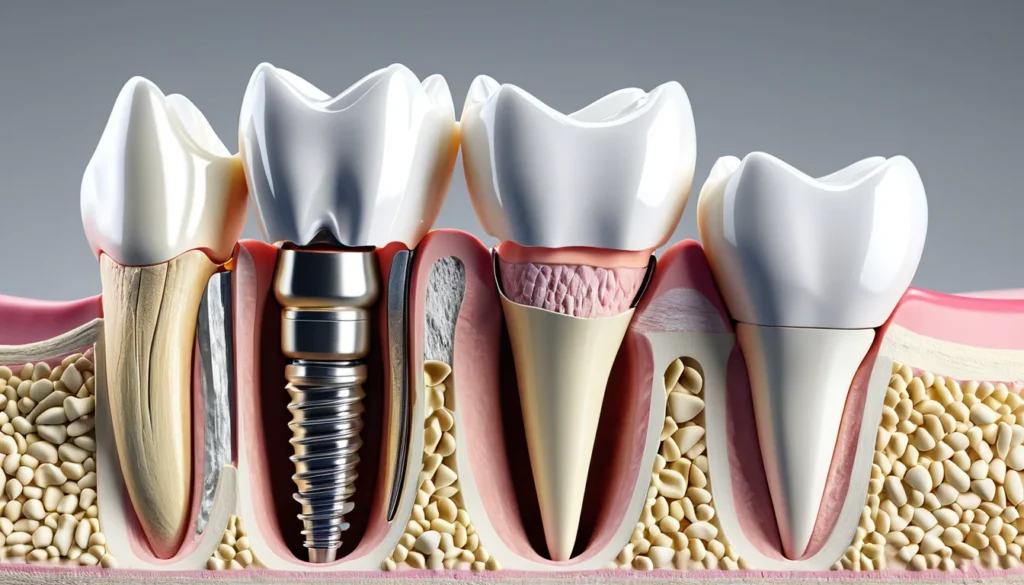
Dealing with missing teeth is more common than you might think. Whether you’ve lost a tooth to decay, injury, or gum disease, you’re not alone — and you have real options. This article walks you through the most effective tooth replacement treatments available, explains what to expect at the dentist, and shares simple steps to protect the teeth you still have.
Why Missing Teeth Are a Bigger Problem Than They Look
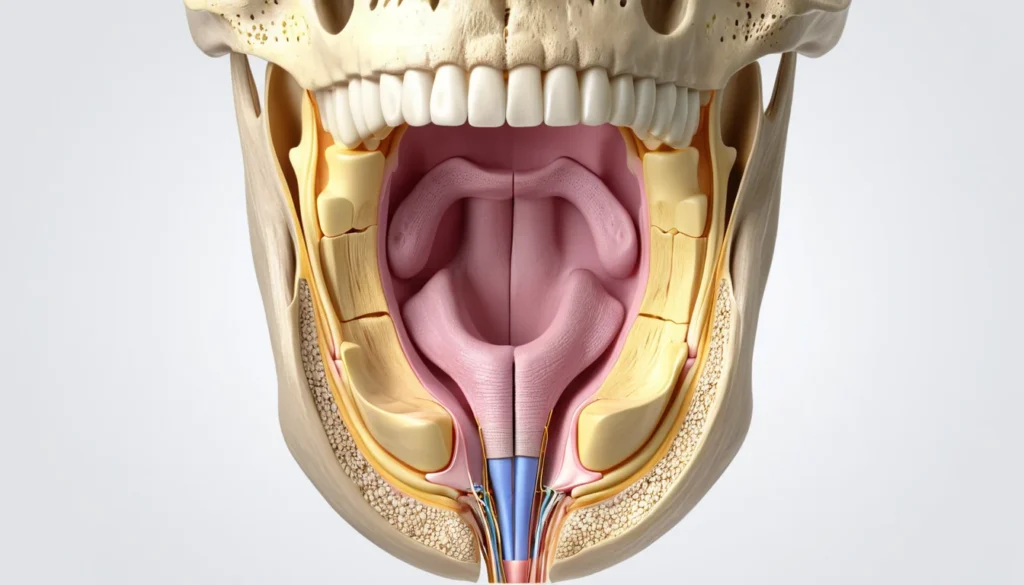
A gap in your smile isn’t just a cosmetic issue. When a tooth is missing, the bone underneath it slowly begins to shrink. This process, called bone resorption, can change the shape of your jaw over time.
Neighbouring teeth may also shift into the empty space. This can affect your bite, make chewing harder, and even lead to jaw pain. According to the World Health Organization, oral diseases affect nearly 3.5 billion people worldwide — and tooth loss is one of the most common outcomes of untreated dental problems.
The sooner you see a dentist after losing a tooth, the more options you’ll have. Waiting too long can make treatment more complex and more expensive.
Common Reasons People Lose Teeth
Understanding why tooth loss happens can help you prevent it. There are several key causes that dentists see regularly.
Advanced Tooth Decay
Cavities start small, but they grow. When decay reaches the inner pulp of the tooth — the soft tissue containing nerves and blood vessels — it causes infection and severe pain. At this stage, a root canal or extraction may be the only choices left.
Many Canadians put off dental visits because of cost. However, catching a cavity early means a simple filling instead of a root canal or implant. The difference in price and discomfort is significant.
Gum Disease (Periodontitis)
Gum disease is the leading cause of tooth loss in adults. It begins as gingivitis — red, swollen gums that bleed easily. If left untreated, it progresses to periodontitis, where the gums pull away from the teeth and the supporting bone breaks down.
In advanced stages, teeth become loose and may fall out on their own. Mayo Clinic notes that periodontitis is largely preventable with good oral hygiene habits. Regular brushing, flossing, and professional cleanings make a real difference.
Injury or Trauma
A fall, sports injury, or accident can knock out a tooth. In some cases, if you act quickly and keep the tooth moist, a dentist may be able to re-implant it. Time matters — ideally, you need to see a dentist within 30 minutes.
Even when the visible part of the tooth breaks, the root may still be intact. Your dentist can sometimes save the tooth with a post and crown, especially with newer techniques like laser-assisted gum treatment.
Your Missing Teeth Replacement Options
Once a tooth is lost or must be removed, your dentist will discuss which replacement option suits your situation. The right choice depends on how many teeth are missing, the health of your jawbone, and your overall oral health.
Root Canal Treatment: Saving the Tooth First
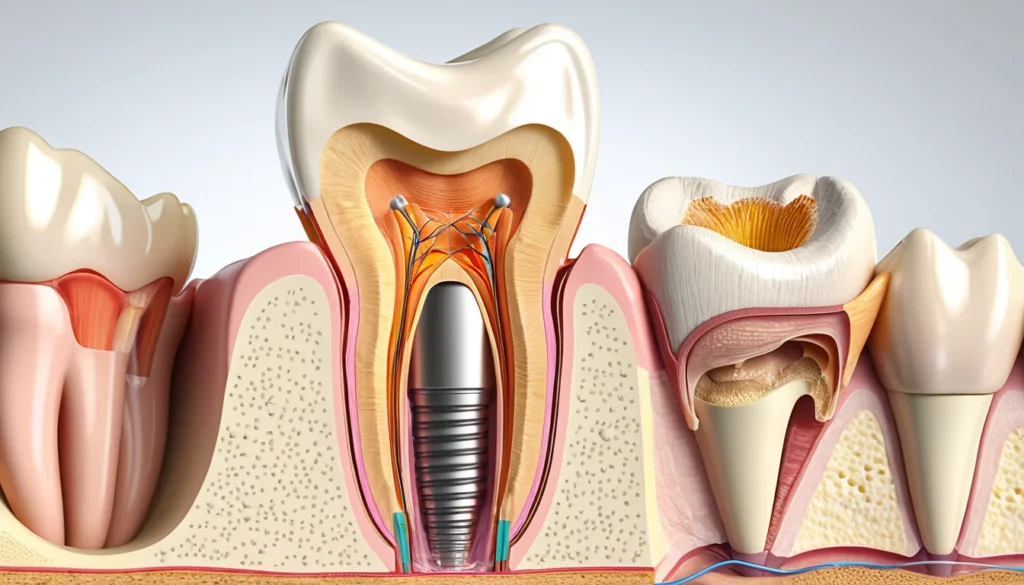
If your tooth is still in place but badly infected, a root canal may save it. Your dentist removes the infected nerve and tissue, cleans and seals the root canal, and then covers the tooth with a dental crown. This is not the same as losing a tooth — it is saving one.
A standard root canal usually takes one to two hours in a single appointment. More complex cases may need two or more visits. After treatment, a dental crown is placed over the tooth to protect it, since the treated tooth becomes more brittle over time.
Dental Implants: The Long-Term Solution
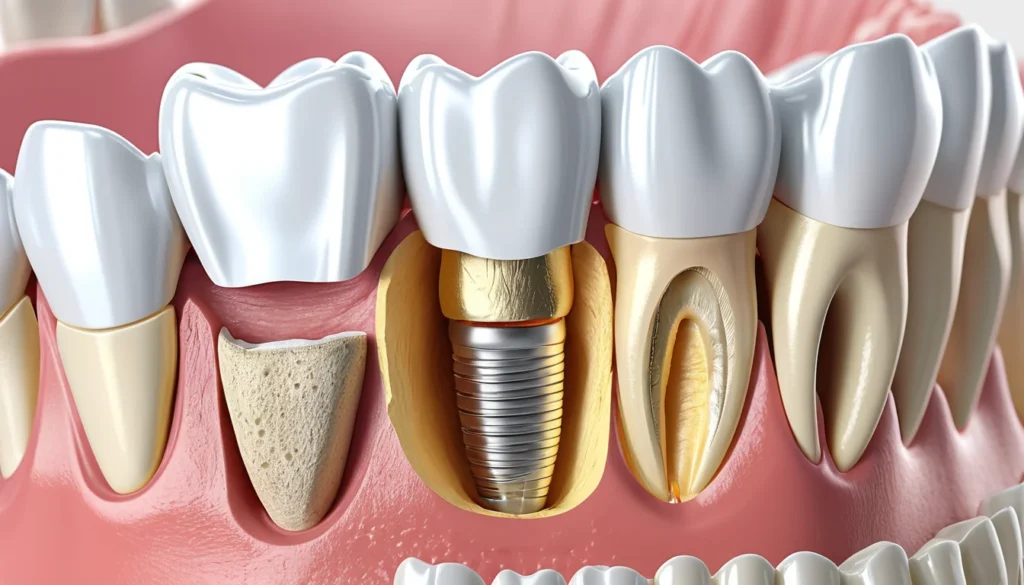
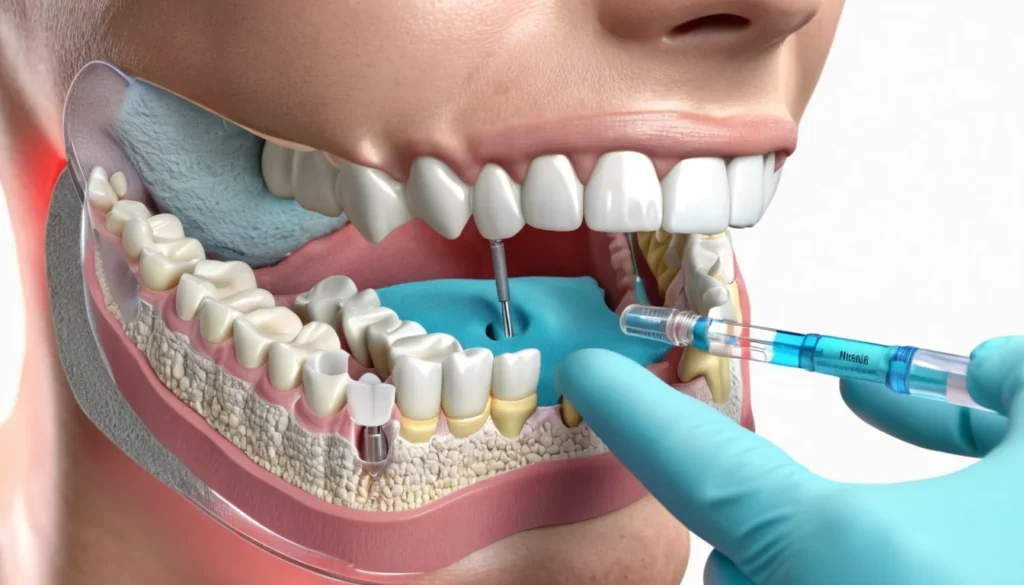
A dental implant is a small titanium post placed into your jawbone. It acts as an artificial tooth root. Once it fuses with the bone — a process that takes a few months — a crown is attached on top.
Implants look and feel like natural teeth. They also help preserve the jawbone, which is their biggest advantage over other options. However, they do require sufficient healthy bone to work. If too much bone has been lost, a bone graft may be needed first, which adds time and cost to the process.
For patients missing many or all of their teeth, a technique called All-on-4 uses just four implants to support a full arch of teeth. The implants are placed at an angle to use the available bone more efficiently. In many cases, a temporary set of teeth can be attached on the same day as surgery.
Dental Crowns and Bridges
A dental crown is a cap that fits over a damaged or weakened tooth. It restores the tooth’s shape, strength, and appearance. Crowns are often used after root canal treatment.
A dental bridge is used to replace one or more missing teeth. It anchors to the healthy teeth on either side of the gap. The bridge is a good option when implants are not suitable, though the neighbouring teeth must be filed down to hold the bridge in place.
Dentures: Partial and Full
Dentures are removable replacements for missing teeth. A partial denture fills gaps when some natural teeth remain. A full denture replaces an entire upper or lower set of teeth.
Modern dentures fit better and look more natural than older versions. They are generally the most affordable option for replacing multiple missing teeth. However, they do not prevent bone loss the way implants do, and they may need to be adjusted or replaced over time as the jaw changes shape.
Protecting the Teeth You Still Have
The best treatment for missing teeth is preventing tooth loss in the first place. This does not have to be complicated or expensive.
Brush twice a day with a fluoride toothpaste and floss daily. These two habits alone remove the plaque that causes both cavities and gum disease. Health Canada recommends regular dental check-ups as a key part of overall health.
Professional cleanings, typically every six months, remove tartar that brushing can’t reach. They also give your dentist a chance to spot early problems — a small cavity found at a check-up costs far less to fix than an infected tooth found in an emergency.
Furthermore, a balanced diet plays a role. Limiting sugary and acidic foods and drinks helps protect your enamel. Drinking plenty of water, especially fluoridated tap water, supports strong teeth as well.
When to See a Doctor or Dentist
If you have a knocked-out tooth, severe toothache, swelling in your jaw or face, or signs of infection such as fever or pus, seek care right away. These are dental emergencies.
In Canada, you can visit your family dentist, a walk-in dental clinic, or a hospital emergency department for serious dental pain or swelling. Some provincial health plans, including programs for children and lower-income adults, may cover part of your dental care costs. Check with your provincial health authority or ask your family doctor about programmes available in your area.
For non-urgent concerns — a chipped tooth, mild sensitivity, or a loose filling — book an appointment with your dentist as soon as possible. Early action almost always leads to simpler, less costly treatment.
If you do not have a regular dentist, a walk-in dental clinic is a good starting point. Your family doctor can also refer you to dental services in your community and advise you on any health conditions that may affect your oral health. Always speak with a qualified dental professional before starting any treatment.
Frequently Asked Questions About Missing Teeth
What happens if you leave missing teeth untreated?
Leaving missing teeth untreated causes the jawbone beneath the gap to shrink over time. Nearby teeth can shift, affecting your bite and making chewing difficult. Over time, this can lead to further tooth loss and make future treatment more complicated and costly.
How much do dental implants cost in Canada?
The cost of dental implants in Canada varies by province and clinic, but a single implant typically ranges from $1,500 to $6,000 or more when all components are included. Most provincial health plans do not cover implants for adults, though some workplace benefits may help. It is worth checking with your insurance provider and asking your dentist about payment plans.
Is a dental implant better than a bridge for missing teeth?
Dental implants are generally considered the gold standard for replacing missing teeth because they preserve jawbone and do not affect neighbouring teeth. A bridge is a good alternative when there is not enough bone for an implant or when cost is a concern. Your dentist can help you decide which option fits your specific situation.
Can gum disease cause tooth loss?
Yes — advanced gum disease, called periodontitis, is one of the most common causes of tooth loss in Canadian adults. It destroys the gum tissue and bone that hold teeth in place. The good news is that gum disease is largely preventable with regular brushing, flossing, and professional dental cleanings.
Does the Canadian government cover dental care?
Basic dental coverage in Canada varies by province. The federal Canadian Dental Care Plan now offers coverage to eligible Canadians who do not have private dental insurance, including children, seniors, and adults with lower incomes. Check the Government of Canada website or speak with your family doctor to find out if you qualify.
How can I prevent missing teeth as I get older?
The most effective way to prevent missing teeth is to maintain good daily oral hygiene — brush twice a day, floss regularly, and see your dentist for check-ups at least once a year. Treating small cavities and early gum disease promptly stops problems from becoming serious. A healthy diet low in sugar also goes a long way in protecting your teeth for life.
Key Takeaways
Missing teeth affect more than your appearance — they impact bone health, bite, and overall oral function.
The most common causes of tooth loss are advanced decay, gum disease, and injury.
Treatment options include root canal and crown, dental implants, bridges, and dentures — your dentist will recommend what suits you best.
The All-on-4 implant technique is an option for patients missing most or all of their teeth, often completed in a single day.
Regular brushing, flossing, and professional cleanings are your best defence against tooth loss.
In Canada, walk-in dental clinics and family doctors can connect you with care, and some provincial and federal programmes help with costs.
Always consult a qualified dentist before choosing any tooth replacement treatment.