Missing teeth disorders such as anodontia, hypodontia, and oligodontia are rare genetic conditions where some or all permanent teeth never develop. These conditions can affect both children and adults, and they often go hand in hand with other inherited health issues. If you or your child seems to have fewer teeth than expected, understanding these conditions is an important first step. This article explains what these disorders are, what causes them, and what treatment options are available in Canada.
What Are Missing Teeth Disorders?
Missing teeth disorders are conditions where a person is born without some or all of their teeth. This happens because of genetic changes that affect how teeth develop before birth. There are three main types, each defined by how many teeth are absent.
These conditions are different from losing teeth due to injury or decay. Instead, the teeth simply never form in the first place. Dentists usually confirm the diagnosis after a child’s permanent teeth are expected to have come in.
Anodontia
Anodontia vera is the most severe form of missing teeth disorders. It means a person is born with no teeth at all — not a single baby tooth or permanent tooth ever develops. In its pure form, anodontia is extremely rare.
It almost always appears alongside other genetic conditions, particularly ectodermal dysplasias. It is very unusual to see anodontia in isolation without other associated health concerns.
Hypodontia
Hypodontia is the most common of the three missing teeth disorders. A person with hypodontia is missing between one and six teeth. The missing teeth are usually the wisdom teeth, upper lateral incisors, or lower second premolars.
Hypodontia can affect either the baby teeth or the permanent teeth. However, dentists typically make the diagnosis once a child’s permanent teeth should have fully come in — usually by the early teenage years.
Oligodontia
Oligodontia means a person is missing more than six teeth, not counting wisdom teeth. This condition is less common than hypodontia but more common than full anodontia. Like the other missing teeth disorders, oligodontia has a genetic basis and often runs in families.
People with oligodontia may have significant challenges with chewing, speaking, and the alignment of their remaining teeth. Early diagnosis and treatment planning are key to managing this condition well.
What Causes Missing Teeth Disorders?
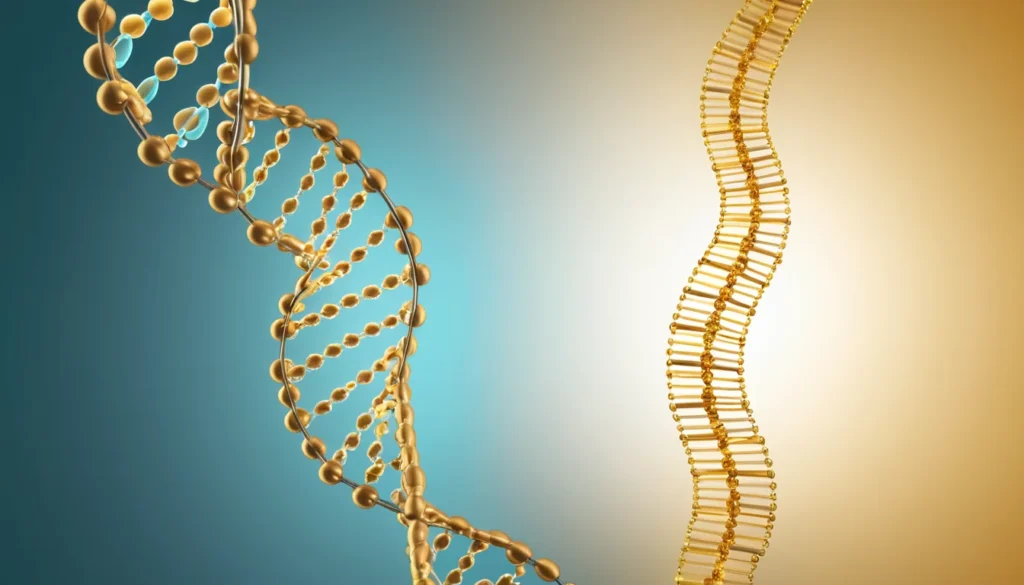
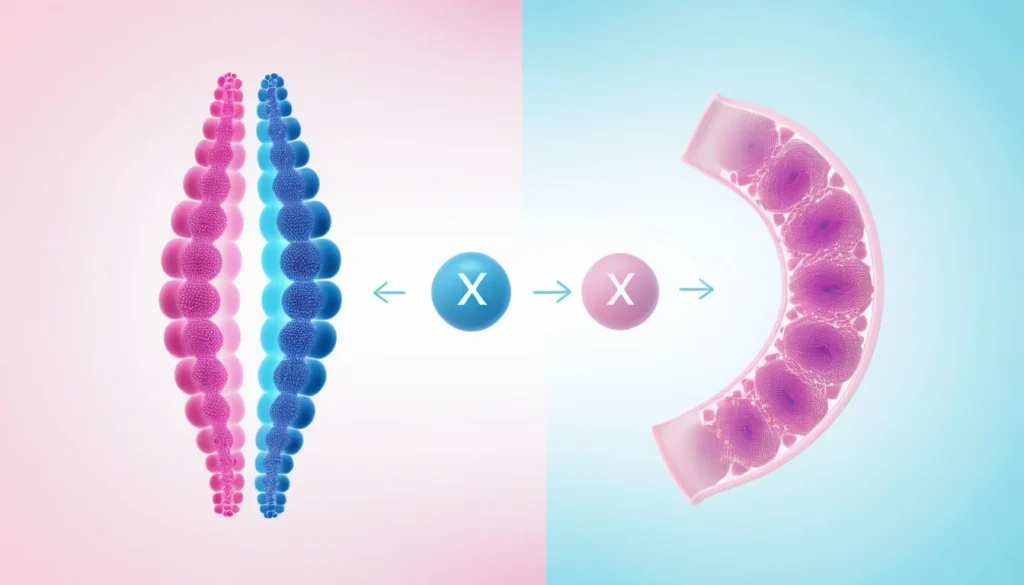
All three missing teeth disorders — anodontia, hypodontia, and oligodontia — are caused by genetic mutations. These mutations affect the genes that control tooth development during pregnancy. In many cases, the condition is inherited, meaning it runs in the family.
Researchers have identified several genes linked to these conditions, including PAX9 and MSX1. Changes in these genes disrupt the normal signals that tell dental tissue to grow and form. For more information on how genetics influence development, you can visit Health Canada’s health information portal.
The Role of Ectodermal Dysplasia
Missing teeth disorders — especially anodontia — are strongly linked to a group of conditions called ectodermal dysplasias. These are genetic disorders that affect tissues formed from the ectodermal layer of the developing embryo.
Ectodermal dysplasias can affect the teeth, nails, sweat glands, hair, and even the bones of the face and skull. A person with ectodermal dysplasia may have two or more of these features affected at the same time. This is why a diagnosis of anodontia often leads doctors to investigate for broader genetic conditions.
Is It Always Inherited?
Not always. While many cases of missing teeth disorders run in families, some occur as new mutations with no family history. Both dominant and recessive inheritance patterns have been identified. This means a child can develop the condition even if neither parent appears to be affected.
If there is a family history of missing teeth, a genetic counsellor can help assess the risk for future children. Ask your family doctor for a referral to a genetics specialist if this concerns you.
Signs and Symptoms to Watch For
The most obvious sign of missing teeth disorders is simply the absence of teeth where teeth should be. In children, parents may notice that baby teeth or permanent teeth are slow to come in — or never arrive at all. An X-ray can confirm whether the tooth buds are present under the gum.
Beyond the missing teeth themselves, there are other signs that may point to an underlying condition. These can include:
Teeth that are unusually small or cone-shaped
Widely spaced remaining teeth
Delayed eruption of baby or permanent teeth
Dry skin or reduced ability to sweat (linked to ectodermal dysplasia)
Thin or sparse hair and eyebrows
Abnormal fingernails or toenails
Difficulty chewing or speaking clearly
If you notice several of these signs together, it is worth speaking with a dentist and your family doctor. These symptoms together may suggest a broader genetic condition that needs to be assessed.
Diagnosis and Dental Assessment
Diagnosing missing teeth disorders typically begins with a routine dental examination. Your dentist will take a full set of dental X-rays to check for tooth buds that have not yet erupted. This is especially important for children between ages six and thirteen, when permanent teeth are expected to come through.
A panoramic X-ray — one that shows all teeth in a single image — is the most useful tool. It can clearly show which teeth are present, which are missing, and whether any are developing abnormally. According to Mayo Clinic’s dental health resources, early diagnosis allows for better long-term treatment outcomes.
Genetic Testing and Specialist Referrals
If a missing teeth disorder is confirmed, your dentist may refer you to a specialist. In Canada, this could mean seeing a paediatric dentist, an orthodontist, a prosthodontist, or a medical geneticist — depending on the severity.
Genetic testing may be recommended if a broader syndrome like ectodermal dysplasia is suspected. This testing can help confirm a diagnosis and guide family planning decisions. Many provincial health plans in Canada cover specialist referrals when they are medically necessary, so be sure to ask your family doctor about your coverage.
Treatment Options for Missing Teeth Disorders
The goal of treating missing teeth disorders is to restore function, improve appearance, and support overall oral health. Treatment depends on how many teeth are missing, the patient’s age, and whether other conditions are present. There is no single solution that works for everyone.
Treatment is usually planned by a team of dental professionals working together. This often includes a dentist, orthodontist, and prosthodontist. For children, treatment plans are adjusted as the jaw grows and changes over time.
Dentures and Removable Prosthetics
For young children or patients with extensive missing teeth, removable dentures are often the first line of treatment. These prosthetics help restore chewing ability and speech while the jaw continues to grow. They must be updated regularly as the child develops.
Removable dentures are a practical and cost-effective option, particularly for patients with full anodontia. They significantly improve quality of life and allow children to eat and speak more comfortably.
Dental Implants
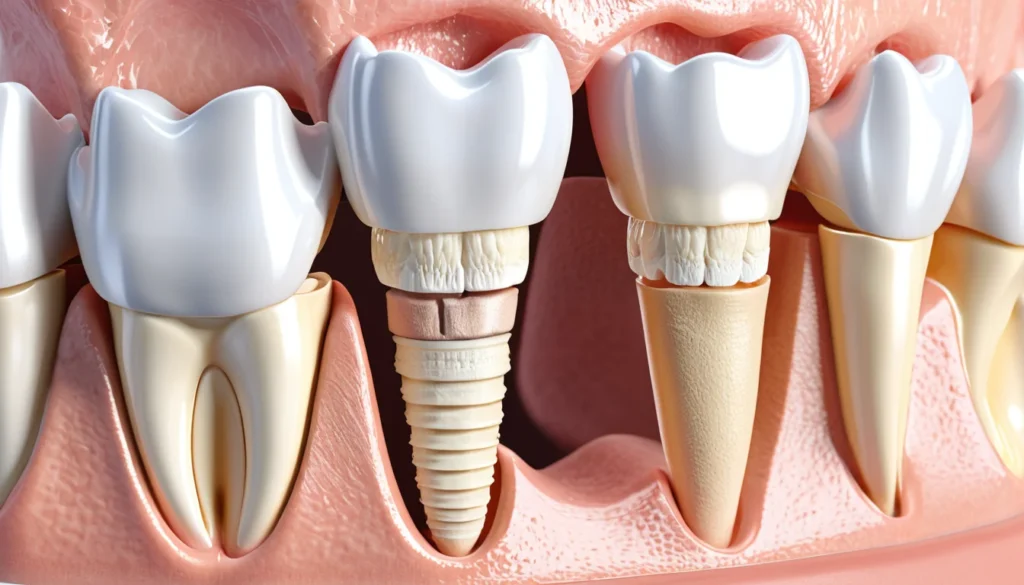
Dental implants are a long-term solution for older teenagers and adults whose jaws have finished growing. An implant is a titanium post placed into the jawbone, onto which a crown is attached. Implants look and function very much like natural teeth.
However, implants are not suitable for growing children because the jawbone is still developing. Cost can also be a barrier, as implants are generally not covered under provincial dental plans. The new Canadian Dental Care Plan may cover some eligible Canadians — check with your dentist or visit Health Canada for the latest eligibility information.
Orthodontic Treatment
Orthodontic treatment — such as braces or clear aligners — is often part of the management plan for hypodontia and oligodontia. Braces help move existing teeth into the correct positions and can close gaps or create space for implants later.
In addition, orthodontic treatment helps protect the long-term health of remaining teeth by improving bite alignment. Starting orthodontic assessment early gives the best results over time.
Managing Associated Health Complications
Patients with anodontia and ectodermal dysplasia have an increased risk of lung and skin infections. This is because the sweat glands and other protective tissues may not work properly. Therefore, these patients need regular monitoring and a multidisciplinary care team.
Furthermore, patients with ectodermal dysplasia may need care from dermatologists, ear, nose and throat specialists, and ophthalmologists, in addition to dental professionals. A good family doctor can help coordinate this care across the Canadian healthcare system.
When to See a Doctor
You should speak with your family doctor or dentist if your child is missing teeth that should have come in by now. Most children have all 20 baby teeth by age three. Permanent teeth begin to appear around age six, and most should be in by age thirteen.
If several permanent teeth are absent, or if you notice symptoms like sparse hair, dry skin, or unusual nails alongside missing teeth, do not wait. Book an appointment with your family doctor as soon as possible. If you do not have a family doctor, a walk-in clinic can provide an initial assessment and refer you to the right specialist.
Early diagnosis of missing teeth disorders leads to earlier treatment, which protects jaw development and quality of life. Always consult a qualified healthcare professional before making any decisions about dental or medical treatment.
Frequently Asked Questions
What is the difference between anodontia, hypodontia, and oligodontia?
These are all missing teeth disorders, but they differ in severity. Hypodontia means one to six teeth are missing, oligodontia means more than six teeth are absent, and anodontia means no teeth develop at all. All three are genetic conditions diagnosed by a dentist using dental X-rays.
Can missing teeth disorders be detected early in children?
Yes, missing teeth disorders can often be identified early through dental X-rays, which show whether tooth buds are forming under the gum. Dentists typically begin monitoring for these conditions once a child’s permanent teeth should start coming in, around age six. Early detection allows for better long-term treatment planning.
Are missing teeth disorders hereditary?
In most cases, yes — missing teeth disorders are caused by genetic mutations that can be passed down through families. However, some cases occur as new mutations with no family history at all. If missing teeth run in your family, a genetic counsellor can help assess the risk for your children.
What treatment is available in Canada for anodontia or oligodontia?
Treatment for missing teeth disorders in Canada typically includes removable dentures, dental implants for adults, and orthodontic treatment. The right option depends on the patient’s age, how many teeth are missing, and overall health. Some costs may be covered through provincial dental plans or the Canadian Dental Care Plan — ask your dentist for details.
Is anodontia related to other health conditions?
Yes, anodontia is almost always associated with ectodermal dysplasia, a group of genetic disorders that affect the teeth, hair, nails, sweat glands, and facial bones. People with these conditions may also face a higher risk of lung and skin infections. A multidisciplinary medical team is usually needed to manage all aspects of the condition.
Can dental implants fix missing teeth disorders permanently?
Dental implants can be an excellent long-term solution for adults with missing teeth disorders, once the jaw has finished growing. They are not suitable for children or younger teens because their jawbones are still developing. Your dentist or prosthodontist can advise whether implants are the right choice for your specific situation.
Key Takeaways
Missing teeth disorders include anodontia (no teeth), hypodontia (1–6 missing teeth), and oligodontia (more than 6 missing teeth).
All three conditions are caused by genetic mutations and often run in families.
Anodontia is almost always linked to ectodermal dysplasia, a broader genetic condition affecting teeth, nails, hair, and sweat glands.
Diagnosis is confirmed through dental X-rays, usually after a child’s permanent teeth are expected to have come in.
Treatment options include removable dentures, dental implants, and orthodontic care — tailored to the patient’s age and severity of the condition.
Patients with anodontia and ectodermal dysplasia have a higher risk of lung and skin infections and need ongoing medical monitoring.
If you are concerned about missing teeth in your child or yourself, speak with your family doctor or dentist — or visit a walk-in clinic if you do not have a regular provider.
Some treatment costs may be covered through provincial dental plans or the Canadian Dental Care Plan — always check your eligibility.