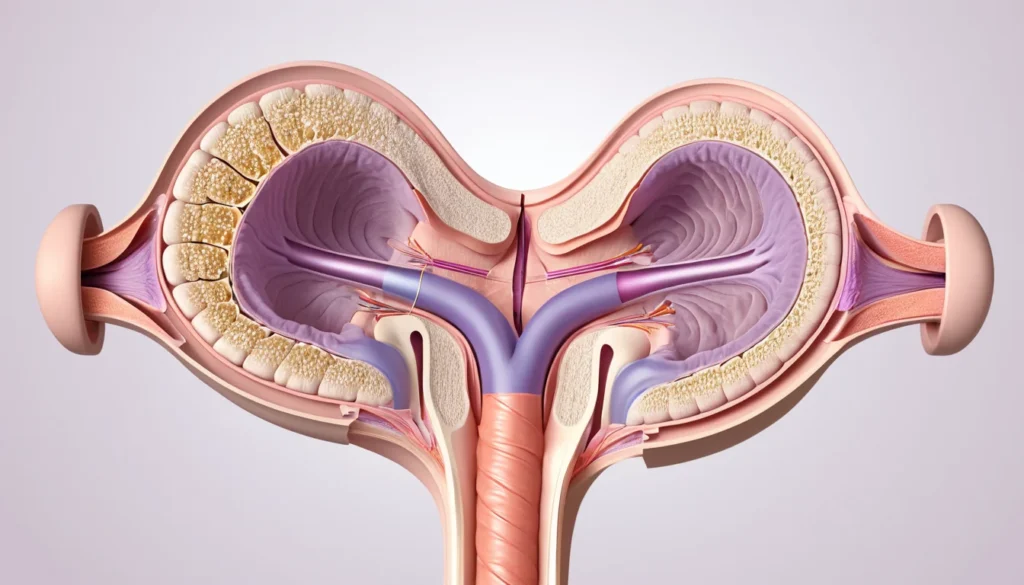
A missed period can be alarming, but it is often not a sign of serious illness. Doctors call this condition amenorrhea, and it affects women at many different stages of life. This article explains what causes a missed period, what symptoms to watch for, and when it is time to speak with a healthcare provider.
What Is a Missed Period (Amenorrhea)?
Amenorrhea simply means the absence of menstruation. It is not a disease on its own. Instead, it is a symptom that points to something else happening in the body.
There are two main types. Understanding which type applies to you helps your doctor find the right cause quickly.
Primary Amenorrhea
Primary amenorrhea occurs when a young woman has never had a menstrual period by age 16. This affects roughly one in every 1,000 young women. If your daughter has not started her period by this age, it is worth speaking with your family doctor.
Secondary Amenorrhea
Secondary amenorrhea occurs when periods stop after they have already begun. The general guideline is three to six months without a period. This is the more common form, and pregnancy is always the first thing to consider.
Common Symptoms Associated With a Missed Period
The main symptom of amenorrhea is simply the absence of your period. However, depending on the underlying cause, you may notice other signs as well.
These additional symptoms can give your doctor important clues. Pay attention to any changes happening alongside your missed period.
Unexpected milk production (lactation) when not breastfeeding
Headaches that are new or getting worse
Mood changes or emotional disturbances
Hair loss from the scalp
Excess facial or body hair (hirsutism)
Acne that is new or worsening
Unexplained weight changes
Not everyone experiences these extra symptoms. Some women simply notice that their period has stopped, with no other obvious changes.
Causes of a Missed Period
There are many reasons why a missed period can happen. Some causes are temporary and resolve on their own. Others need medical attention. Here is a breakdown of the most common ones.
Pregnancy and Breastfeeding
Pregnancy is the most common cause of a missed period in women of reproductive age. When a fertilised egg implants in the uterine lining, the body stops shedding that lining each month.
Breastfeeding can also suppress menstruation. Even if ovulation resumes, your period may not return right away. This is important to know because pregnancy can still occur during this time.
Stress and Emotional Health
Mental and emotional stress can directly affect your hypothalamus. The hypothalamus is a small structure in the brain that controls your entire hormonal system, including your menstrual cycle.
When stress levels are high, the hypothalamus may temporarily stop sending the signals needed to trigger ovulation. As a result, your period can disappear for weeks or even months. In most cases, it returns once the stressful period passes.
Exercise and Eating Disorders
Intense physical exercise, especially in athletes, can disrupt hormonal balance and cause a missed period. This is sometimes called the “female athlete triad.” It involves low energy availability, low bone density, and absent periods.
Similarly, eating disorders such as anorexia nervosa reduce the body’s available energy. The body responds by shutting down non-essential functions, and menstruation is often the first to stop. Health Canada offers resources on recognising and addressing eating disorders.
Hormonal Imbalances
Polycystic ovary syndrome (PCOS) is one of the most common hormonal causes of irregular or missed periods. In PCOS, the body produces higher-than-normal levels of androgens (male hormones). This disrupts the normal hormonal cycle needed for ovulation.
PCOS is often associated with weight gain, acne, and excess body hair. However, it can affect women of any body size. A simple blood test and ultrasound can help your doctor diagnose it.
Thyroid and Pituitary Gland Problems
The thyroid gland and the pituitary gland both play key roles in regulating your menstrual cycle. A problem with either gland can cause a missed period.
An overactive or underactive thyroid affects many body functions, including hormone production. The pituitary gland, located at the base of the brain, controls hormone secretion across the body. A small non-cancerous tumour on the pituitary gland can raise prolactin levels, which suppresses ovulation and menstruation.
Medications
Certain medications can interfere with your menstrual cycle. This is a well-known and documented side effect for several drug categories.
Common medications that may cause a missed period include:
Antidepressants
Antipsychotic medications
Chemotherapy drugs
Corticosteroids (such as prednisone)
Some blood pressure medications
If you have recently started a new medication and your period has stopped, mention this to your pharmacist or doctor. Do not stop taking any prescribed medication without speaking to a healthcare provider first.
Birth Control
Hormonal birth control is another common reason for a missed period. Some forms, such as the hormonal IUD or the continuous birth control pill, are designed to reduce or eliminate periods entirely.
After stopping oral contraceptives, it can take three to six months for regular periods and ovulation to return. This is normal for most women. However, if your period does not return after six months, see your doctor.
Chronic Illness
Serious or long-term illness can cause menstruation to stop. The body prioritises survival during illness, and reproductive functions may be temporarily suspended. Periods typically return after successful treatment and recovery.
Structural Causes (Primary Amenorrhea)
In young women who have never had a period, the cause may be structural. Some women are born with differences in the development of reproductive organs, such as an absent uterus or a blockage in the vaginal canal.
Chromosomal differences can also play a role. These affect how the reproductive organs develop and function. A doctor can investigate these causes through a physical examination, blood tests, and imaging.
When to See a Doctor About a Missed Period
A missed period is worth discussing with a healthcare provider, especially if it lasts longer than three months or if you are experiencing other symptoms. You do not need to wait for it to become a pattern before reaching out.
In Canada, you have several options for getting care. Your family doctor is the best starting point, as they know your health history. If you do not have a family doctor, a walk-in clinic can assess you and refer you to a specialist if needed. Many provincial health plans cover the cost of these visits and the basic tests required to investigate amenorrhea.
See a doctor sooner if you experience any of the following alongside a missed period:
Sudden, unexplained weight loss or gain
Significant hair loss
Nipple discharge when not breastfeeding
Severe acne or excess facial hair
Pelvic pain
Vision changes or persistent headaches
Early investigation leads to faster answers and appropriate treatment. The Mayo Clinic provides a detailed clinical overview of amenorrhea that you can review before your appointment.
How Is a Missed Period Diagnosed?
Diagnosing the cause of a missed period usually begins with a conversation. Your doctor will ask about your menstrual history, recent lifestyle changes, stress levels, and any medications you take.
From there, investigations may include:
Pregnancy test — always the first step for women of reproductive age
Blood tests — to check hormone levels, thyroid function, and other markers
Pelvic ultrasound — to examine the uterus, ovaries, and surrounding structures
MRI or CT scan — in some cases, to look at the brain and pituitary gland
Genetic testing — if a chromosomal cause is suspected
Most cases are straightforward to investigate. With a few targeted tests, your doctor can usually identify the cause and recommend next steps. Healthline offers additional information on amenorrhea diagnosis and treatment options.
Frequently Asked Questions About a Missed Period
How many missed periods before I should see a doctor?
If you have had three or more consecutive missed periods and you are not pregnant or breastfeeding, it is a good idea to speak with your family doctor or visit a walk-in clinic. A single missed period is common and usually not cause for alarm, but a pattern warrants investigation.
Can stress really cause a missed period?
Yes, stress is a well-recognised cause of a missed period. High levels of mental or emotional stress can disrupt the hypothalamus, which controls the hormones needed for ovulation and menstruation. Once the stressful situation passes, your cycle usually returns on its own.
Can I still get pregnant if I have a missed period?
Yes, it is possible to become pregnant even when you are experiencing a missed period, because ovulation can still occur before your period returns. If you are sexually active and your period is absent, take a pregnancy test to be sure. Do not rely on a missed period as a sign that you cannot conceive.
Does polycystic ovary syndrome (PCOS) always cause a missed period?
Not always, but PCOS is one of the most common hormonal reasons for irregular or missed periods. Women with PCOS may experience infrequent periods, very light periods, or periods that stop entirely. A doctor can diagnose PCOS with blood tests and an ultrasound.
How long after stopping the birth control pill will my period return?
Most women see their period return within one to three months after stopping the pill. However, it can take up to six months for some women before their cycle becomes regular again. If your period has not returned after six months, speak with your family doctor.
Is a missed period covered under provincial health plans in Canada?
In most provinces, a visit to your family doctor or a walk-in clinic to discuss a missed period is covered under your provincial health plan. Basic blood tests and ultrasounds ordered by your doctor are typically covered as well. Coverage for specialist referrals may vary by province, so check with your local health authority for details.
Key Takeaways
A missed period (amenorrhea) is a symptom, not a disease in itself.
Primary amenorrhea means no period has ever occurred by age 16. Secondary amenorrhea means periods have stopped for three to six months or more.
Common causes include pregnancy, breastfeeding, stress, hormonal imbalances like PCOS, medications, eating disorders, and thyroid problems.
Additional symptoms such as hair loss, headaches, or unexpected milk production can help your doctor find the cause faster.
In Canada, your family doctor or a local walk-in clinic is a good first step. Most investigations are covered under provincial health plans.
Always consult a qualified healthcare provider before drawing conclusions. A missed period has many possible causes, and only a doctor can determine the right one for you.