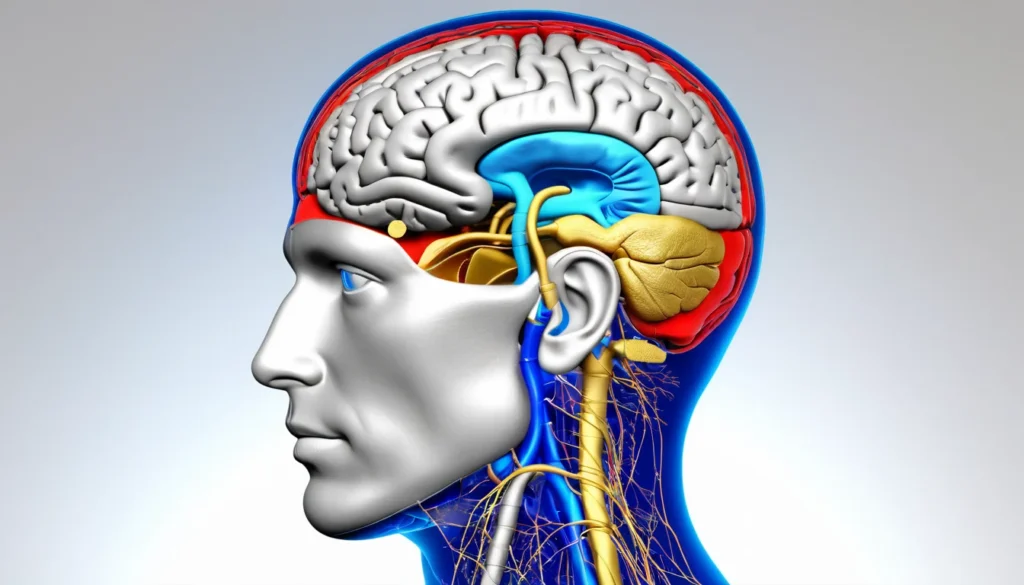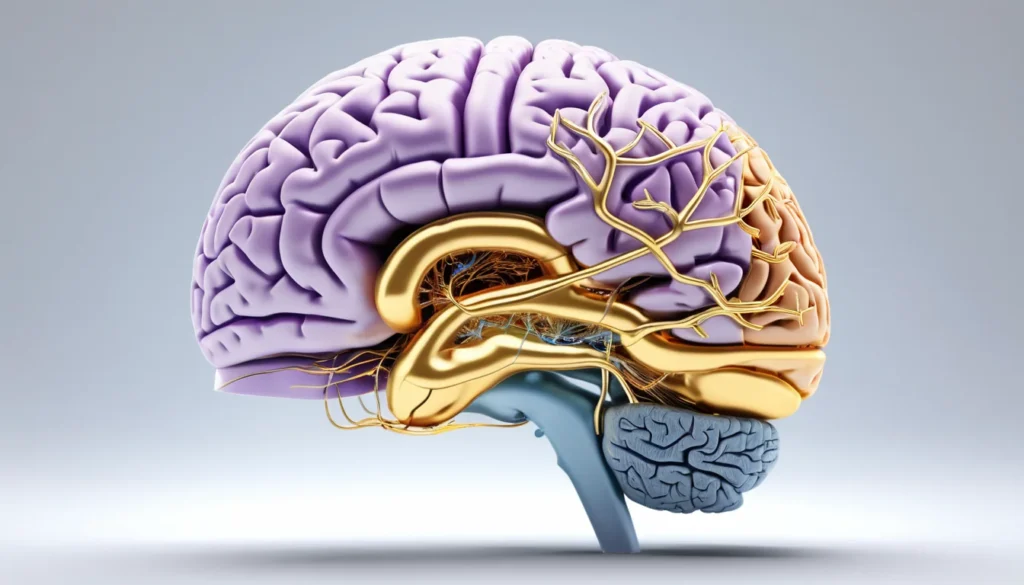
Mild cognitive impairment is a condition that affects memory, concentration, and thinking — but does not yet interfere with daily life. It sits in a grey zone between normal aging and dementia. For many Canadians, catching it early can make a real difference in slowing decline and improving quality of life. This article explains what mild cognitive impairment is, what causes it, and what you can do about it.
What Is Mild Cognitive Impairment?
Mild cognitive impairment (MCI) causes changes in thinking that are noticeable — to you and to the people around you. However, these changes are not severe enough to stop you from doing everyday tasks like cooking, driving, or managing your finances.
Think of it as an early warning sign. Some people with MCI go on to develop dementia, including Alzheimer’s disease. Others stay stable for years, or even improve. The outcome depends on the underlying cause and how quickly it is addressed.
According to the World Health Organization, dementia affects over 55 million people worldwide. MCI is often the stage that comes before it — which is exactly why early action matters.
Common Signs of Mild Cognitive Impairment
The symptoms of mild cognitive impairment can be easy to dismiss at first. Many people blame stress, poor sleep, or simply getting older. However, there are specific patterns worth paying attention to.
Common signs include:
Forgetting recent conversations or appointments more often than usual
Trouble concentrating at work or during everyday tasks
Feeling mentally foggy or slower to process information
Difficulty finding the right words when speaking
Increased anxiety, irritability, or low mood
Sleep problems, including trouble falling or staying asleep
Waking up tired even after a full night of rest
One patient story illustrates this well. A man in his late 50s noticed months of worsening headaches, morning fatigue, and difficulty focusing at work. He also began forgetting things more frequently. These changes pushed him to seek medical help — and that decision led to an early diagnosis.
How Is It Different from Normal Aging?
It is normal to occasionally forget where you put your keys. It is also normal to take a little longer to recall a name. However, mild cognitive impairment is different — the forgetting is more frequent and more noticeable to others around you.
If your family members or close friends have commented on changes in your thinking or behaviour, that is worth taking seriously. Self-awareness alone is not always enough to detect MCI.
Risk Factors That Can Contribute to Cognitive Decline
Mild cognitive impairment does not have a single cause. In most cases, several risk factors combine over time to affect brain health. Understanding these factors is a key step toward prevention and treatment.
Vascular and Metabolic Risk Factors
High blood pressure (hypertension) is one of the most significant and treatable risk factors for cognitive decline. When blood pressure stays uncontrolled for long periods, it can damage the small blood vessels that supply the brain.
Other important metabolic risk factors include:
High cholesterol — especially elevated LDL (“bad” cholesterol) and triglycerides
Low levels of folate (vitamin B9) and vitamin D
Poorly managed blood sugar or type 2 diabetes
In the patient case described in the original research, doctors found uncontrolled high blood pressure, high cholesterol, low folate, and low vitamin D. All of these are addressable with medical care and lifestyle changes.
Lifestyle Risk Factors
Lifestyle choices play a major role in brain health. Smoking damages blood vessels throughout the body, including in the brain. Regular alcohol consumption — even moderate amounts — can also affect cognitive function over time.
Furthermore, chronic work-related stress has emerged as a serious risk factor. Prolonged stress raises cortisol levels, which can damage areas of the brain involved in memory. In addition, exposure to certain chemicals in some workplaces may also contribute to early cognitive decline.
The good news is that many of these risk factors are modifiable. That means changing them can genuinely help protect your brain.
Other Contributing Factors
Head injuries — even minor ones without loss of consciousness — have been linked to an increased risk of cognitive decline later in life. Certain chronic infections and inflammatory conditions may also play a role.
Nutritional deficiencies, particularly low folate and vitamin D, are surprisingly common in Canada, especially during winter months when sunlight exposure is limited. These deficiencies are easy to test for and treat.
How Mild Cognitive Impairment Is Diagnosed
Diagnosing mild cognitive impairment involves more than a single test. A proper evaluation looks at the whole picture — your medical history, current symptoms, blood work, brain imaging, and standardized cognitive testing.
Cognitive and Functional Testing
Doctors use a battery of standardized tests to measure different aspects of thinking and memory. These tests assess short-term memory, verbal fluency, attention, and the ability to carry out daily activities independently.
Common tools include the Mini-Mental State Examination (MMSE), the Clock Drawing Test, and various memory recall tasks. These tests give doctors a measurable baseline. From there, they can track changes over time to monitor whether a patient is improving, staying stable, or declining.
Brain Imaging and Blood Tests
Brain imaging, such as an MRI scan, can reveal structural changes in areas linked to memory — including the hippocampus, which is the brain’s main memory centre. Shrinkage (atrophy) of the hippocampus is associated with increased risk of Alzheimer’s disease.
Blood tests help identify treatable causes of cognitive symptoms. Low vitamin D, low folate, high cholesterol, and certain infections can all affect brain function and show up in routine lab work. As a result, addressing these findings often leads to meaningful improvement.
Treatment and Management Options
There is no single pill that reverses mild cognitive impairment. However, a combination of targeted treatments and lifestyle changes can significantly reduce symptoms and slow progression. Early treatment of the underlying risk factors is the most powerful tool available.
Treating the Root Causes
When the patient mentioned earlier was re-evaluated six months after starting treatment, the results were encouraging. His folate and vitamin D levels had normalized. His cholesterol dropped. His sleep improved. His anxiety and mood stabilized. His cognitive test scores also showed measurable improvement.
This outcome highlights a crucial point: treating the contributing risk factors — not just the symptoms — can lead to real cognitive improvement. High blood pressure medication, cholesterol management, nutritional supplements, and stress counselling all played a role.
Lifestyle Changes That Support Brain Health
Lifestyle modifications are a powerful complement to medical treatment. Health Canada recommends regular physical activity for all adults, and research shows it benefits brain health too.
Key lifestyle changes that support cognitive function include:
Regular aerobic exercise — aim for at least 150 minutes per week
A diet rich in vegetables, fruits, whole grains, and healthy fats
Adequate sleep — 7 to 9 hours per night for most adults
Quitting smoking and reducing alcohol intake
Managing stress through counselling, relaxation techniques, or mindfulness
Staying socially and mentally active
Physical rehabilitation, including balance training and gentle movement therapy, can also support overall brain and body health — particularly for older adults managing multiple conditions.
Mental and Emotional Well-Being
Anxiety and depression are common companions to mild cognitive impairment. In fact, they can both cause and worsen cognitive symptoms. Addressing mental health is therefore a core part of any treatment plan.
Work-related stress management — through counselling or cognitive behavioural therapy — has shown a positive impact on brain health outcomes. Your family doctor or a mental health professional can help you find the right support.
When to See a Doctor
If you or someone close to you has noticed changes in memory, concentration, or behaviour that seem beyond normal, it is time to speak with a healthcare provider. Do not wait for symptoms to get significantly worse before seeking help.
In Canada, your first point of contact should be your family doctor. They can perform an initial assessment, order blood work, and refer you to a specialist such as a geriatrician or neurologist if needed. If you do not have a family doctor, a walk-in clinic can also help with an initial evaluation and referrals.
Most provinces and territories in Canada offer coverage for diagnostic tests and specialist referrals through provincial health plans. You do not need to navigate this alone — ask your healthcare provider what resources are available in your area.
Early assessment is especially important if you have known risk factors such as high blood pressure, high cholesterol, a history of head injury, or a family history of dementia. The earlier mild cognitive impairment is identified, the more treatment options are available.
Always speak with a qualified healthcare provider before starting any new treatment, supplement, or programme for cognitive health. Self-diagnosis is not a substitute for professional medical evaluation.
Frequently Asked Questions
What is the difference between mild cognitive impairment and dementia?
Mild cognitive impairment causes noticeable changes in memory and thinking, but daily functioning remains largely intact. Dementia is more severe and significantly interferes with the ability to carry out everyday tasks. Not everyone with mild cognitive impairment will develop dementia.
Can mild cognitive impairment be reversed?
In some cases, yes — particularly when the underlying causes are treatable. For example, correcting nutritional deficiencies, managing high blood pressure, and reducing stress have all been shown to improve symptoms of mild cognitive impairment. However, outcomes vary depending on the cause and how early treatment begins.
What are the early warning signs of mild cognitive impairment?
Early signs of mild cognitive impairment include forgetting recent conversations, difficulty concentrating, trouble finding words, increased irritability, and poor sleep. These changes are noticeable to the person affected and to those around them. If these symptoms are new or worsening, speak with your family doctor.
How is mild cognitive impairment diagnosed in Canada?
Diagnosis typically involves a combination of cognitive tests, blood work, and brain imaging such as an MRI. Your family doctor can perform an initial assessment and refer you to a specialist if needed. Most diagnostic tests are covered under provincial health plans across Canada.
Does high blood pressure cause memory problems?
Yes, uncontrolled high blood pressure is a well-established risk factor for cognitive decline and mild cognitive impairment. It can damage the small blood vessels that supply the brain over time. Managing blood pressure with medication and lifestyle changes can help protect brain health.
At what age can mild cognitive impairment start?
While mild cognitive impairment is more common in adults over 65, it can begin earlier — even in people in their 50s. Early-onset cases are often linked to vascular risk factors, metabolic issues, chronic stress, or nutritional deficiencies. Early assessment and treatment can make a significant difference regardless of age.
Key Takeaways
Mild cognitive impairment affects memory and thinking but does not yet disrupt daily life — it is an important early warning sign.
Common risk factors include high blood pressure, high cholesterol, low vitamin D, low folate, smoking, alcohol use, and chronic stress.
Diagnosis involves cognitive testing, blood work, and brain imaging — all available through the Canadian healthcare system.
Treating the underlying risk factors early — not just the symptoms — can lead to measurable cognitive improvement.
Lifestyle changes including exercise, a healthy diet, better sleep, and stress management are powerful tools for brain health.
If you notice changes in your memory or thinking, speak with your family doctor or a walk-in clinic as soon as possible.
Always consult a qualified healthcare provider before starting any new treatment or health programme.