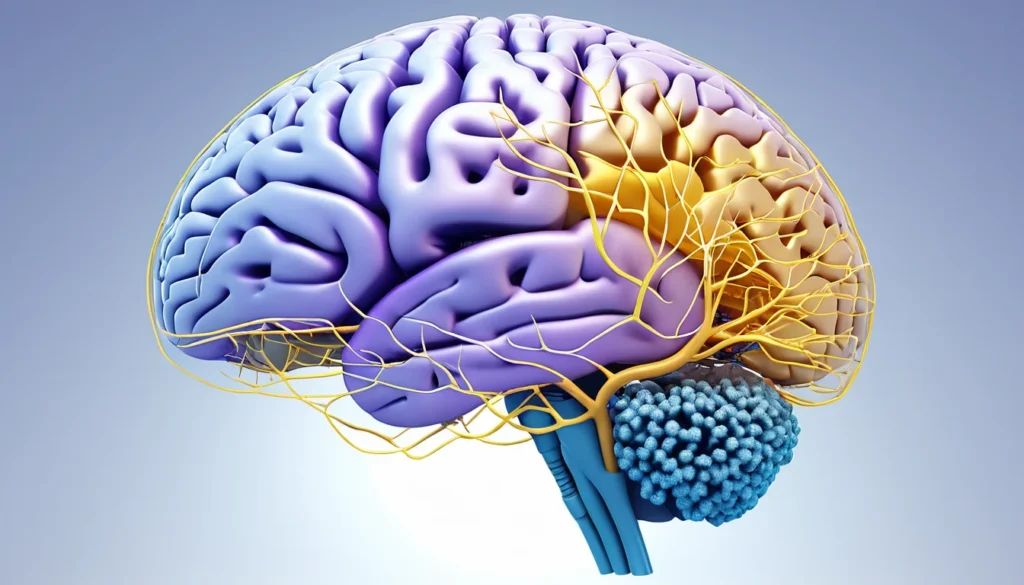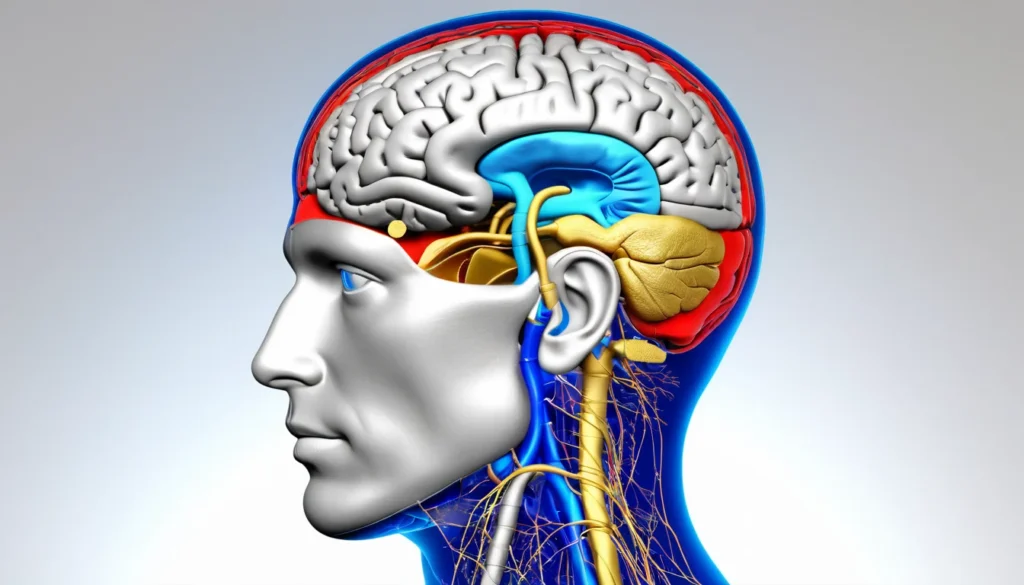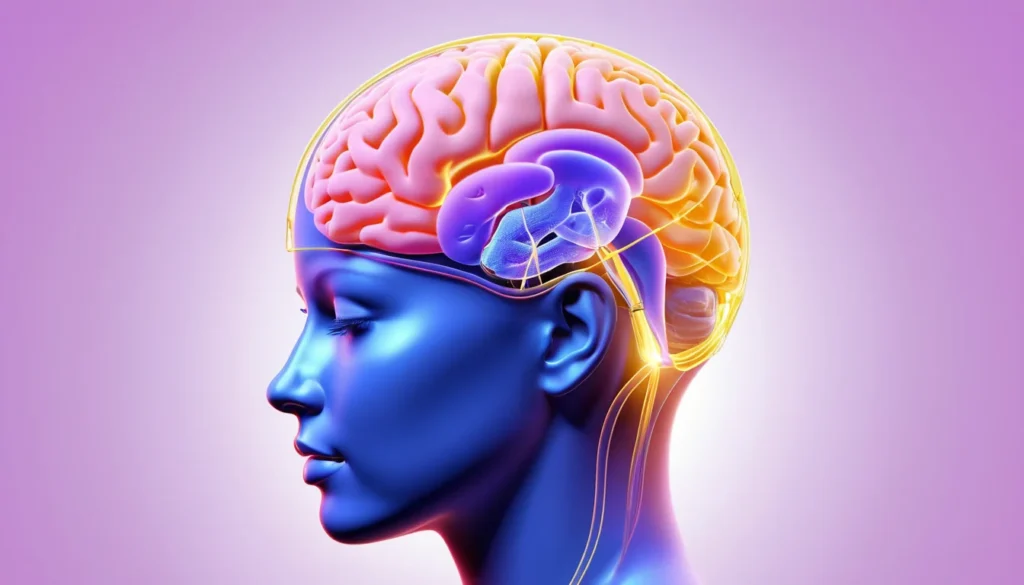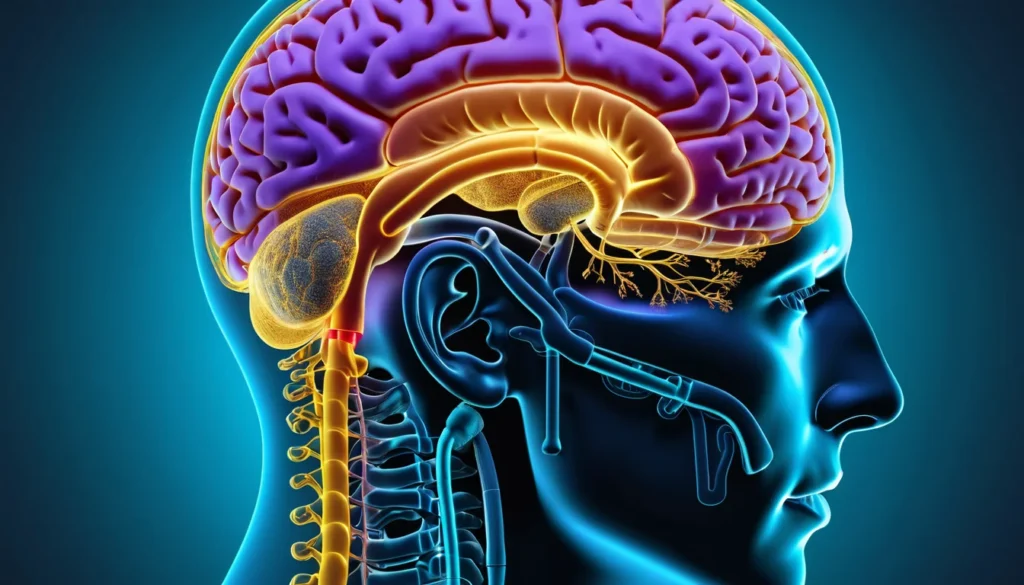
Migraines are more than just bad headaches. They are intense, often disabling episodes of head pain that can last anywhere from two hours to four days. Migraines can come with nausea, vomiting, and extreme sensitivity to light, sound, and smell. In Canada, millions of people live with migraines — and the condition affects women about three times more often than men.
What Are Migraines?
A migraine is a neurological condition that causes severe, often throbbing head pain. It is not simply a “bad headache.” Migraines can seriously disrupt daily life, making it hard to work, care for your family, or enjoy everyday activities.
Migraines begin with a change in brain chemistry. Specifically, the body releases a chemical called serotonin into the bloodstream. Serotonin is stored in blood platelets and plays an important role in how your blood vessels behave.
When serotonin is released, blood vessels first narrow (constrict). Then, as the kidneys remove serotonin from the body, levels in the brain drop. As a result, blood vessels in the brain widen (dilate). This widening puts pressure on nearby nerves and triggers the pain we know as a migraine.
The Four Stages of a Migraine
A classic migraine has four distinct stages. Not everyone experiences all four stages, but understanding them can help you recognize and manage your migraines more effectively.
Stage 1: Prodrome
The prodrome stage can begin up to 24 hours before the headache arrives. During this time, you may feel unusually tired, irritable, or have trouble concentrating. Some people experience mood changes, including mild depression or sudden excitement.
Stage 2: Aura
The aura stage involves changes in your senses, most commonly your vision. You might see flickering lights, zigzag patterns, or notice blind spots developing slowly across your field of vision. Some people also experience tingling, numbness, or a burning sensation on one side of the body.
Not all migraines include an aura. When they do, the aura typically lasts between 20 and 60 minutes.
Stage 3: The Headache
This is the main stage most people associate with migraines. The pain is usually severe and throbbing, often on one side of the head. Bright light and loud sounds tend to make the pain worse. Nausea and vomiting are common during this stage as well.
Stage 4: Postdrome
After the headache fades, many people feel drained and exhausted. This recovery phase is sometimes called a “migraine hangover.” You may feel foggy, fatigued, or simply worn out for up to a day after the headache ends.
Types of Migraines
While the classic migraine is the most common type, there are several other less common forms. Each type has its own set of symptoms and characteristics.
Hemiplegic migraine: This type causes temporary muscle weakness or partial paralysis on one side of the body. The weakness usually lasts less than one hour.
Ophthalmologic migraine: This type involves temporary eye problems, such as a drooping eyelid or changes in pupil size. Symptoms can last from a few days to several weeks.
Basilar artery migraine: This type involves neurological spasms and can last approximately six to eight hours. It may cause dizziness, double vision, or difficulty speaking.
Status migrainosus: This is a severe, prolonged migraine attack that lasts more than 24 hours. It often requires medical attention.
If you experience any new or unusual migraine symptoms, speak with your family doctor or visit a walk-in clinic to get properly assessed.
Common Causes and Triggers of Migraines
Migraines do not have a single cause. Instead, they are triggered by a combination of genetic, environmental, and lifestyle factors. Identifying your personal triggers is one of the most effective ways to reduce how often migraines occur.
Stress and Emotional Triggers
Emotional stress is one of the most common migraine triggers. This includes feelings of anxiety, anger, shock, or depression. Even positive excitement — like planning a wedding or starting a new job — can bring on a migraine in some people. Changes in your daily routine can also act as a trigger.
Food and Drink Triggers
Certain foods and beverages are well-known migraine triggers. These include:
Chocolate
Aged cheeses
Red wine and other alcohol
Fried or highly processed foods
Tomatoes, onions, and citrus fruits like oranges
Skipping meals or not drinking enough water can also trigger a migraine. Keeping a food diary can help you spot patterns over time.
Sensory Triggers
Your environment can also play a role. Bright or flickering lights, strong perfumes or chemical smells, and loud noises are all common sensory triggers. Many people with migraines find fluorescent lighting particularly difficult to tolerate.
Hormonal Triggers
Hormonal changes are a major reason why migraines are more common in women. Triggers related to hormones include:
Menstrual cycles
Hormonal therapies or treatments
Oral contraceptives (birth control pills)
Medication Triggers
Certain medications can trigger migraines as a side effect. These include nitroglycerin, lithium, some blood pressure medications, certain anti-inflammatory drugs, and some bronchodilators used for asthma. If you suspect a medication is triggering your migraines, talk to your doctor before making any changes. Do not stop taking prescribed medication on your own.
Family History
Migraines tend to run in families. If a close family member — such as a parent or sibling — has migraines, your own risk is higher. Researchers believe genetics play a significant role in how the brain responds to certain triggers.
Symptoms of Migraines
Migraine symptoms can vary from person to person. However, some symptoms are very common. Knowing what to look for can help you act quickly when a migraine begins.
Common symptoms include:
Throbbing or dull pain on one or both sides of the head
Nausea and vomiting
Diarrhoea
Visual disturbances (bright spots, zigzag lines, flickering lights)
Sensitivity to light (photophobia)
Sensitivity to sound (phonophobia)
Sensitivity to smell
Fatigue and confusion
Nasal congestion
Chills and sweating
Anxiety
Tenderness of the scalp
Cold hands and feet
Not every migraine includes all of these symptoms. However, if your headache is accompanied by sudden vision loss, weakness, or difficulty speaking, seek emergency care immediately. These could be signs of a stroke.
How Are Migraines Diagnosed?
There is no single definitive test for diagnosing migraines. Instead, doctors diagnose migraines based on your medical history, a physical examination, and a careful review of your symptoms and potential triggers.
Your doctor may also order tests — such as an MRI or CT scan — to rule out other causes of your headaches. This process of elimination is an important part of reaching an accurate diagnosis. Learn more about migraine diagnosis from the Mayo Clinic.
If you have been experiencing recurring headaches, bring a headache diary to your appointment. Recording when your headaches happen, how long they last, and what you were doing beforehand gives your doctor valuable information to work with.
Treatment Options for Migraines
Migraine treatment falls into two main categories: preventive therapy (stopping attacks before they start) and symptomatic therapy (reducing pain once a migraine has begun). Many people benefit from a combination of both approaches.
Preventive Treatment
Preventive treatment aims to reduce how often and how severely migraines occur. Key strategies include:
Avoiding known triggers, such as certain foods or alcohol
Improving overall physical and mental health through regular exercise and relaxation techniques
Getting consistent, quality sleep
Managing stress through mindfulness, therapy, or other programmes
Your doctor may also prescribe daily medications to prevent migraines. The most commonly used preventive medications are beta-blockers. These drugs work by preventing blood vessels from dilating and by reducing overactive brain signals. Other preventive medications include calcium channel blockers, antidepressants, low-dose aspirin, and serotonin antagonists.
It is important to take preventive medications every day as prescribed — even when you feel fine. These medications do not work if you only take them during an attack. Health Canada offers guidance on safe medication use for Canadians.
Symptomatic Treatment
Once a migraine has started, the goal is to reduce pain and discomfort as quickly as possible. There are both non-medication and medication-based options available.
Non-medication approaches include:
Applying a cold compress to your forehead
Resting in a quiet, darkened room
Gentle scalp massage
Acupuncture (some people find this helpful for pain relief)
Relaxation techniques to reduce blood pressure at the temples
Medication-based approaches for active migraines include over-the-counter pain relievers (such as ibuprofen or acetaminophen) and prescription-strength medications, including triptans. Triptans are specifically designed to target the brain chemistry involved in migraines. Your family doctor or neurologist can help determine which medication is right for you. Healthline provides a helpful overview of migraine treatment options.
When to See a Doctor About Migraines
If you experience frequent or severe headaches, it is important to speak with a healthcare provider. In Canada, your first step is typically your family doctor or a walk-in clinic if you do not have a regular physician.
See a doctor promptly if:
Your headaches are happening more than twice a week
Over-the-counter medications are not helping
Your headaches are getting progressively worse
You experience new or unusual symptoms with your headaches
Call 911 or go to your nearest emergency department immediately if a headache comes on suddenly and feels like “the worst headache of your life,” or if it is accompanied by fever, stiff neck, confusion, vision loss, weakness, or difficulty speaking. These are warning signs of a medical emergency.
Most provincial health plans in Canada cover visits to your family doctor and specialist referrals for conditions like migraines. If you do not have a family doctor, a walk-in clinic is a good place to start.
Frequently Asked Questions About Migraines
What is the difference between a migraine and a regular headache?
Migraines are a neurological condition that cause intense, throbbing pain, often on one side of the head. Unlike a regular tension headache, migraines are frequently accompanied by nausea, vomiting, and sensitivity to light and sound. They can also include visual disturbances and can last up to several days.
What triggers migraines most commonly?
Common migraine triggers include stress, hormonal changes, certain foods (such as chocolate, aged cheese, and red wine), bright lights, strong smells, and changes in sleep patterns. Keeping a migraine diary can help you identify your personal triggers so you can try to avoid them.
Can migraines be prevented?
Yes, migraines can often be prevented or reduced in frequency with the right approach. Avoiding known triggers, maintaining a regular sleep schedule, managing stress, and taking daily preventive medications (if prescribed by your doctor) can all help reduce how often migraines occur.
Are migraines more common in women?
Yes, migraines affect women significantly more often than men — roughly 75% of people who experience migraines are women. This is largely due to hormonal fluctuations, including those related to the menstrual cycle, pregnancy, and menopause. Hormonal therapies and birth control pills can also influence migraine frequency.
When should I go to the emergency room for a migraine?
You should seek emergency care immediately if your headache is sudden and extremely severe, or if it comes with symptoms such as fever, stiff neck, confusion, vision loss, or weakness in the face or limbs. These symptoms may indicate a serious condition such as a stroke or meningitis, rather than a typical migraine.
What medications are used to treat migraines in Canada?
In Canada, migraines are treated with a range of medications depending on their severity and frequency. Over-the-counter options include ibuprofen and acetaminophen for mild attacks. For more severe migraines, doctors may prescribe triptans or daily preventive medications such as beta-blockers or antidepressants. Always consult your family doctor before starting any new medication.