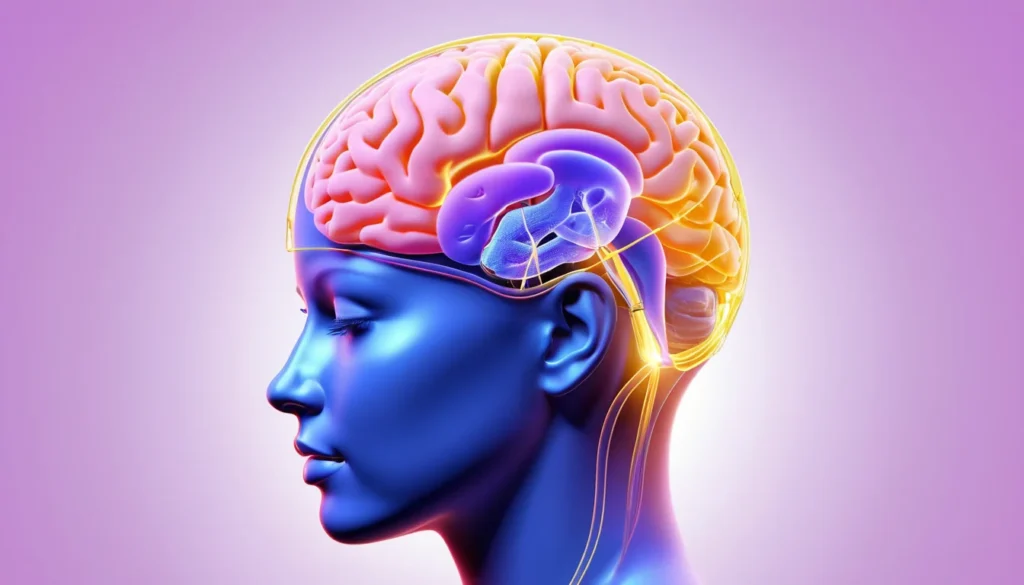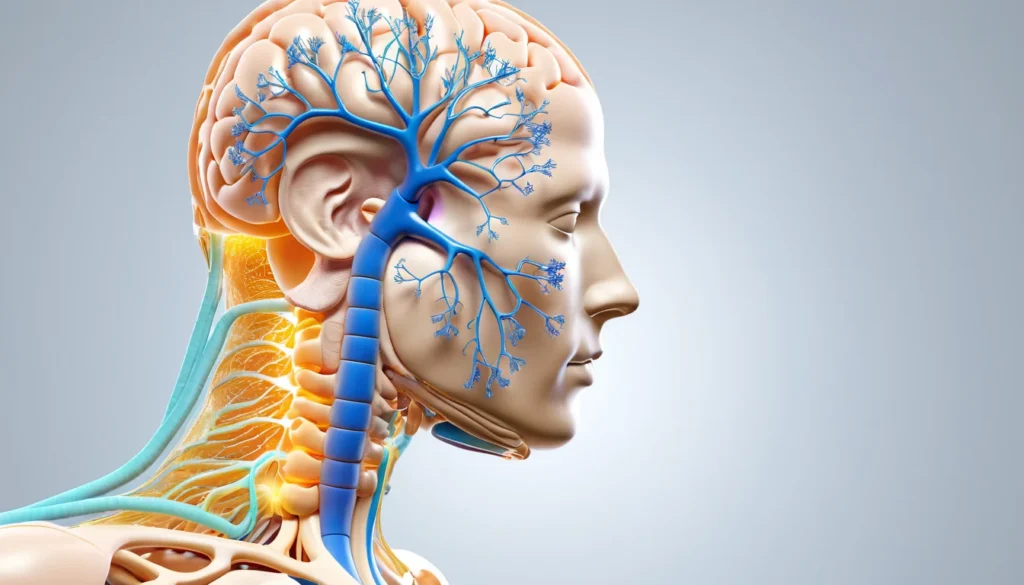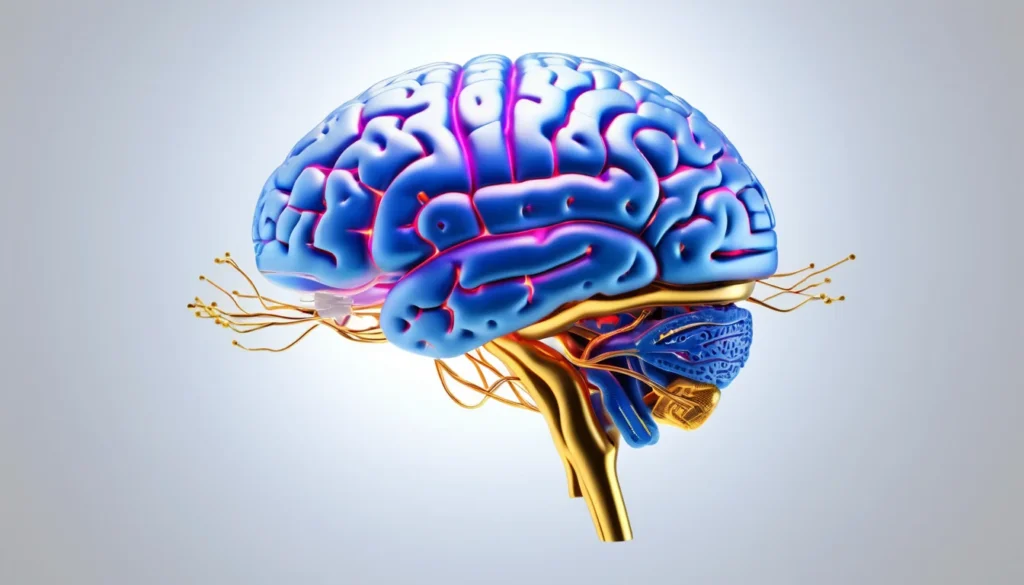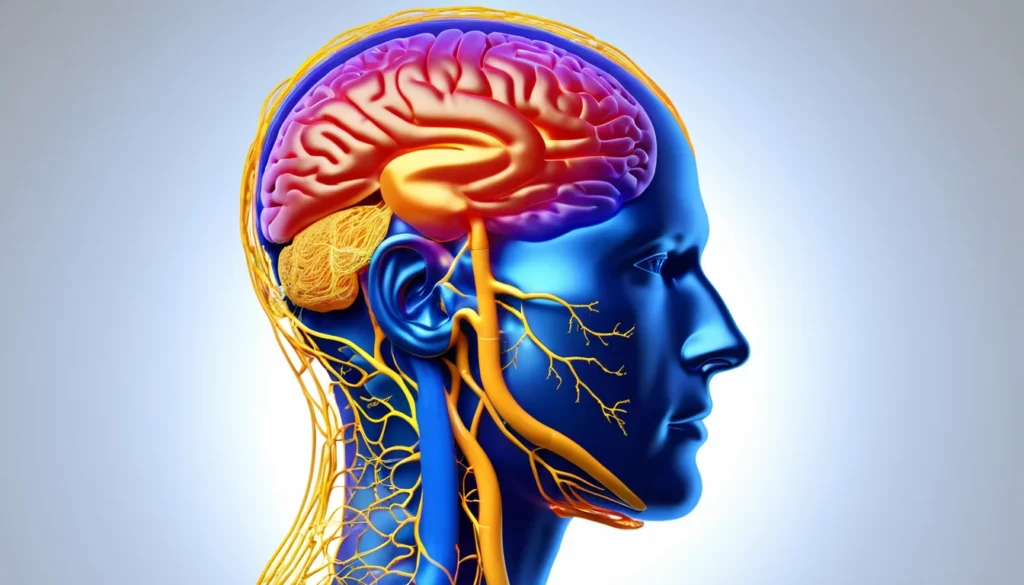
Migraines are far more than just a bad headache. They are a complex neurological condition that causes intense, throbbing pain — often on one side of the head — and can last anywhere from a few hours to three days. In Canada, millions of people live with migraines, yet many do not fully understand what triggers them or how to manage them. This article explains the symptoms, causes, and treatment options available, so you can take better control of your health.
What Are Migraines?
Migraines are a common, often inherited neurological condition. They tend to begin in childhood or adolescence and may become less frequent as a person gets older.
Unlike a regular tension headache, migraines involve a series of symptoms that can be disabling. The pain is usually pulsating, moderate to severe, and often focused on one side of the head. However, the experience varies from person to person.
According to Health Canada, neurological conditions like migraines are among the leading causes of disability in the country. Understanding your condition is the first step toward managing it well.
Common Migraine Symptoms
Migraine symptoms go well beyond head pain. Many people experience a range of warning signs and accompanying symptoms that can make daily life very difficult.
Head Pain and Physical Symptoms
The headache itself typically feels like a deep, throbbing or pulsating pain. It is usually on one side of the head, though it can affect both sides. The pain can last between 4 and 72 hours if left untreated.
In addition to head pain, many people report nausea and vomiting during a migraine episode. Dizziness and numbness in the face or limbs are also common. These physical symptoms can make it hard to carry out everyday tasks.
Sensitivity and Visual Disturbances
Migraines often cause extreme sensitivity to light, sound, and sometimes smell. Many people need to lie down in a dark, quiet room during an attack. Furthermore, some people experience visual disturbances such as flashing lights, blind spots, or zigzag patterns — this is known as a migraine with aura.
Drowsiness and difficulty concentrating are also common, both during and after an episode. This “migraine hangover” can last for hours after the main headache fades.
What Causes Migraines?
The exact causes of migraines are not fully understood. However, most experts agree that a combination of genetic and environmental factors plays a role. If a parent has migraines, their children are more likely to develop them as well.
Researchers believe that migraines involve changes in brain activity that affect nerve signals, chemicals, and blood vessels. As a result, certain triggers can set off an episode in people who are prone to them. Learning your personal triggers is one of the most powerful tools for prevention.
Dietary Triggers
What you eat and drink can play a significant role in triggering migraines. Common dietary triggers include:
Chocolate
Dairy products such as aged cheese
Citrus fruits
Caffeine, including coffee and tea
Alcohol, especially red wine
Foods high in salt or preservatives
Skipping meals or fasting
Not everyone reacts to the same foods. Therefore, keeping a food and symptom diary can help you identify which items affect you personally.
Environmental Triggers
Your surroundings can also bring on a migraine. Environmental triggers are often harder to avoid, but being aware of them helps. Common ones include:
Bright or flickering lights, including fluorescent lighting
Loud noises
Strong smells such as perfume, paint, or smoke
Changes in weather or barometric pressure
Stuffy or smoky rooms
In Canada, where weather changes can be dramatic and sudden, many migraine sufferers report that shifts in temperature or pressure are a frequent trigger, especially during seasonal transitions.
Psychological and Lifestyle Triggers
Stress is one of the most widely reported migraine triggers. Emotional stress, anxiety, and even the relief after a stressful period — sometimes called a “let-down headache” — can all spark an episode.
Poor sleep habits are another major factor. Too little sleep, too much sleep, or an irregular sleep schedule can all increase your risk. In addition, hormonal changes — particularly in women around menstruation, pregnancy, or menopause — are strongly linked to migraines.
Other lifestyle factors include:
Dehydration
Lack of regular physical activity
Overuse of pain medications, which can cause “rebound headaches”
Irregular meal times
Migraine Treatment Options
There is no single cure for migraines. However, a range of treatments can significantly reduce both the frequency and severity of attacks. Treatment generally falls into two categories: relief during an attack and prevention over time.
Over-the-Counter Relief
For mild to moderate migraines, over-the-counter pain relievers are often the first option people try. Common choices include acetaminophen (such as Tylenol), ibuprofen (such as Advil), and ASA (Aspirin). These work best when taken at the very first sign of a migraine.
However, it is important not to rely on these medications too often. Taking pain relievers more than 10 to 15 days per month can lead to medication overuse headaches — a condition where the headaches actually become more frequent as a result of the medication itself.
Prescription Medications
If over-the-counter options are not effective, a doctor can prescribe stronger medications. A class of drugs called triptans — such as sumatriptan — are specifically designed to treat migraines. They work by narrowing blood vessels and blocking pain signals in the brain.
For people who experience frequent or severe migraines, preventive medications may be recommended. These are taken daily to reduce how often attacks occur. Options include certain blood pressure medications, antidepressants, anti-seizure drugs, and newer CGRP inhibitors. Your doctor will help determine the best fit based on your health history.
For more detailed information on migraine medications, visit the Mayo Clinic’s migraine treatment guide.
Non-Medication Approaches
Many Canadians find relief through non-drug strategies, either on their own or alongside medication. These approaches focus on reducing triggers and building healthy habits:
Regular sleep schedule: Go to bed and wake up at the same time every day, even on weekends.
Stress management: Techniques such as deep breathing, meditation, and yoga can lower stress levels and reduce migraine frequency.
Regular exercise: Moderate aerobic activity, such as walking or swimming, has been shown to help prevent migraines over time.
Hydration: Drink enough water throughout the day, especially during warm weather or physical activity.
Migraine diary: Track your headaches, food, sleep, and stress to identify personal patterns and triggers.
Cold or warm compresses: Applying a cold pack to the forehead or a warm compress to the neck can ease pain during an attack.
According to Healthline’s guide on migraine prevention, a combination of lifestyle changes and medical treatment tends to produce the best long-term results.
Measuring Treatment Success
How do you know if your treatment is working? Doctors generally look for a few key outcomes. Successful migraine treatment typically means being pain-free within two hours of taking medication. It also means the headache does not return within 24 hours without needing further medication.
A good treatment plan should be effective in at least two out of every three migraine attacks. If your current approach is not meeting these goals, speak with your doctor about adjusting it.
When to See a Doctor
Many Canadians manage mild migraines on their own. However, there are times when it is important to seek medical attention. You should always speak with your family doctor if your migraines are becoming more frequent, more severe, or if they are changing in character.
If you do not have a family doctor, a walk-in clinic is a good first step. A doctor there can assess your symptoms and refer you to a neurologist if needed. Most provincial health plans in Canada cover visits to neurologists with a valid referral.
Seek emergency care immediately if you experience any of the following:
A sudden, extremely severe headache — sometimes called a “thunderclap headache”
Headache with fever, stiff neck, confusion, or vision changes
Headache following a head injury
Weakness, numbness, or difficulty speaking alongside head pain
A headache that is unlike any you have had before
These symptoms may signal a more serious condition that requires immediate medical attention. Do not wait — call 911 or go to your nearest emergency department.
As always, this article is for general information only. Please consult your family doctor or a qualified healthcare provider before starting, changing, or stopping any treatment for migraines.
Frequently Asked Questions About Migraines
What is the difference between a migraine and a regular headache?
Migraines are a neurological condition that cause intense, throbbing pain — usually on one side of the head — and often come with nausea, light sensitivity, and visual disturbances. A regular tension headache is typically milder and does not include these additional symptoms. Migraines can last up to 72 hours, while most tension headaches resolve within a few hours.
What triggers migraines most commonly?
Common migraine triggers include stress, poor sleep, hormonal changes, certain foods (such as aged cheese, chocolate, and caffeine), dehydration, and changes in weather or barometric pressure. Triggers vary widely from person to person, so keeping a diary can help you identify your own. Avoiding your personal triggers is one of the most effective ways to reduce how often migraines occur.
Can migraines be cured permanently?
There is currently no permanent cure for migraines. However, with the right combination of medication and lifestyle changes, many people are able to significantly reduce the frequency and severity of their attacks. Some people find that migraines naturally become less frequent as they age.
When should I go to the doctor for migraines?
You should see your family doctor or visit a walk-in clinic if your migraines are becoming more frequent, more severe, or if over-the-counter medications are no longer helping. Seek emergency care right away if you experience a sudden, extremely severe headache, or if your headache comes with fever, confusion, weakness, or vision changes. These could be signs of a more serious condition.
Are migraines covered under provincial health plans in Canada?
Yes, visits to your family doctor or a neurologist for migraines are generally covered under provincial health insurance plans across Canada. A referral from your family doctor or a walk-in clinic physician is usually required to see a specialist. Some prescription migraine medications may also be covered under provincial drug benefit programmes, depending on your province and income level.
What does a migraine with aura feel like?
A migraine with aura includes neurological warning signs that appear before or during the headache phase. These often include visual disturbances such as flashing lights, zigzag lines, or temporary blind spots. Some people also experience tingling or numbness in the face or hands, and occasionally difficulty speaking.
Key Takeaways
Migraines are a neurological condition, not just a bad headache. They involve throbbing pain, nausea, and sensitivity to light and sound.
Common triggers include stress, poor sleep, certain foods, hormonal changes, and weather shifts.
Treatment options range from over-the-counter pain relievers to prescription medications and lifestyle changes.
Tracking your symptoms in a diary helps identify personal triggers and measure how well treatment is working.
See your family doctor or visit a walk-in clinic if your migraines are worsening or if medication is no longer helping.
Call 911 or go to emergency if you experience a sudden severe headache or new neurological symptoms alongside head pain.
There is no permanent cure, but with the right plan, most people can manage migraines effectively and improve their quality of life.