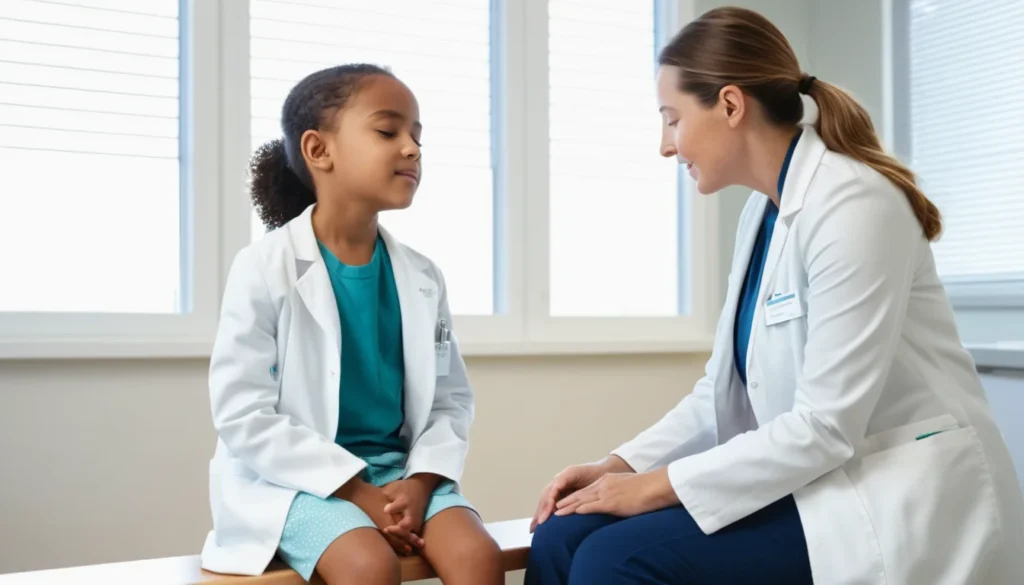
Migraines in children are more common than many Canadian parents realize. Studies show that around 3% of school-age children and up to 15% of teenagers experience migraines. These are not ordinary headaches — they can last anywhere from 2 to 48 hours and seriously disrupt your child’s daily life. This article explains what migraines in children look like, what causes them, and what you can do to help.
What Is a Migraine in Children?
A migraine is a moderate to severe headache that tends to come back regularly. In children, migraines typically occur 2 to 4 times per month. However, they can happen more or less often depending on the child.
Migraines are not just “bad headaches.” They often come with other symptoms like nausea, light sensitivity, and mood changes. They can stop a child from going to school, playing sports, or enjoying time with friends.
Interestingly, younger children and teens going through puberty tend to be more affected if they are boys. However, this pattern flips in later adolescence. After puberty, girls are more frequently affected than boys.
Types of Migraines in Children
There are two main types of migraines: migraine without aura and migraine with aura. Understanding the difference can help you describe your child’s symptoms clearly to your family doctor.
Migraine Without Aura
This is the most common type, accounting for up to 85% of all migraines in children. It usually starts in the first half of the day. The headache comes on without any warning signs beforehand.
Migraine With Aura
This type is less common but more complex. An aura is a group of warning signs that appear about 30 minutes before the headache begins. These signs typically involve vision and hearing changes.
Children who experience aura often report:
Blurry or distorted vision
Dark spots in their field of vision
Sensitivity to light or flashing lights
Difficulty speaking clearly
Reduced or muffled hearing
Migraines with aura typically occur in the second half of the day. They can be harder to manage and may cause more distress for the child.
Complicated Migraines
A smaller group of children experience what doctors call complicated migraines. These involve additional neurological symptoms alongside the headache. They can occur with or without aura.
Complicated migraines may include symptoms such as:
Ophthalmologic migraine: weakness or paralysis of the muscles around the eye, causing the eye to move or appear differently
Hemiplegic migraine: temporary weakness on one side of the body
Basilar migraine: pain at the base of the skull with vision problems and loss of balance
Confusional migraine: confusion and difficulty speaking
These types can be alarming. In some cases, they may look like other serious neurological conditions. Therefore, it is very important to get a proper medical assessment if your child shows these symptoms.
What Causes Migraines in Children?
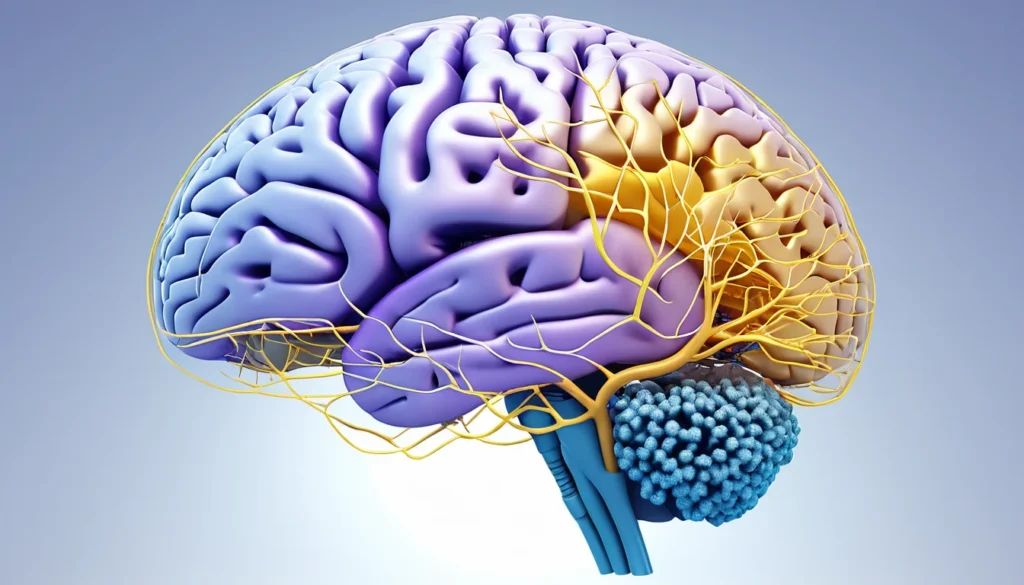
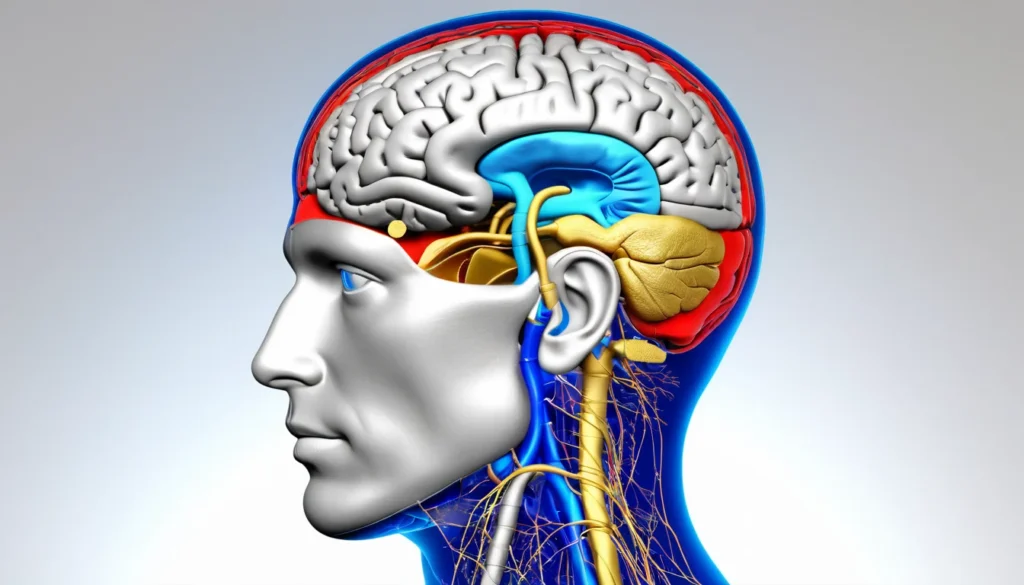
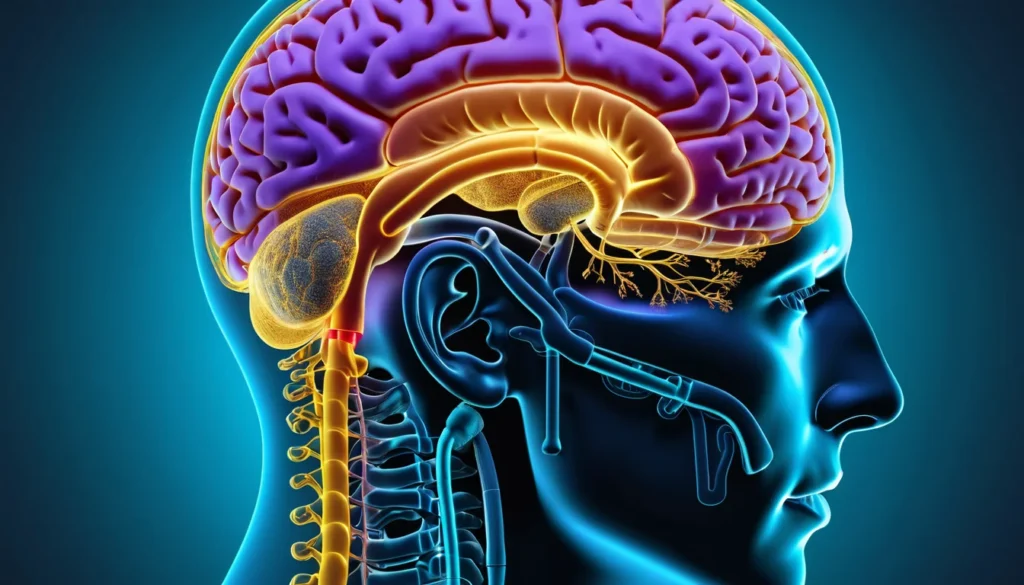
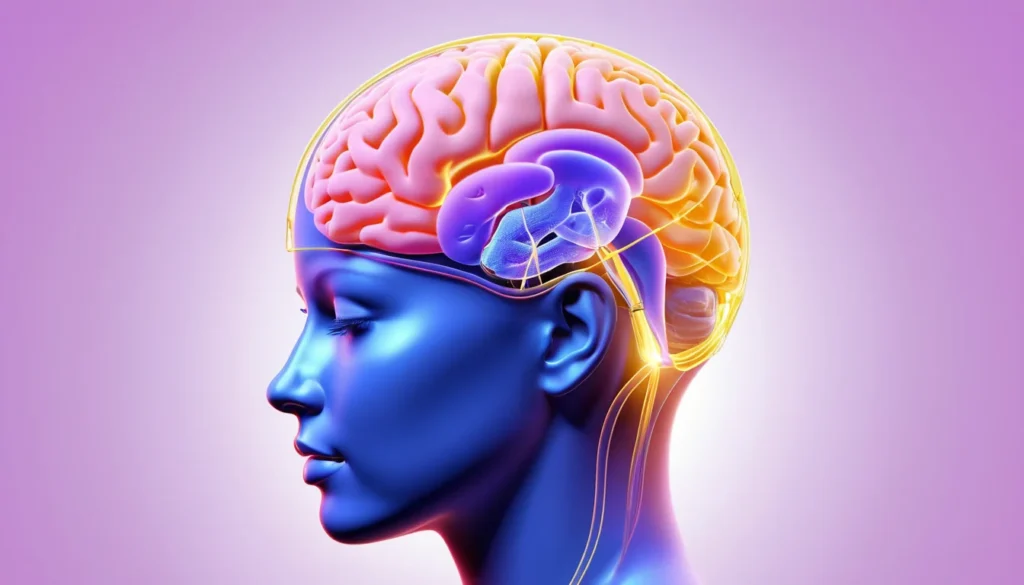
For a long time, doctors believed migraines were caused mainly by changes in blood vessels in the brain. However, newer research tells a more complete story. Today, migraines are understood to involve a dysfunction in how the brain’s nerves and blood vessels communicate.
One key player is serotonin, a chemical messenger in the brain. When serotonin levels shift, it can set off a cycle of inflammation and pain. This cycle is what produces the throbbing, intense pain of a migraine.
The Role of Genetics
Migraines in children also have a strong genetic component. In other words, they tend to run in families. Research shows that up to 70% of children with frequent migraines have a close family member — such as a parent or sibling — who also gets them.
If migraines run in your family, it is worth mentioning this to your child’s doctor. This information can help confirm a diagnosis more quickly. You can learn more about how genetics influences neurological conditions through Health Canada’s neurological health resources.
Common Symptoms of Migraines in Children
The good news is that migraines do not cause lasting physical damage. They are not linked to a higher risk of brain tumours or other serious neurological diseases. However, they can cause real disruption to your child’s daily life and emotional wellbeing.
Symptoms vary from child to child. However, the most common signs of migraines in children include:
A throbbing or pulsing headache, often felt at the front or sides of the head
Pale skin or looking washed out
Irritability or mood changes
Sensitivity to light
Sensitivity to noise
Loss of appetite
Nausea and vomiting
In younger children, the headache pain is often felt on both sides of the forehead rather than on one side. This is different from the classic one-sided migraine that adults typically describe. For a broader look at migraine symptoms across age groups, the Mayo Clinic’s migraine overview is a reliable resource.
Common Migraine Triggers in Children and Teens
Migraines can sometimes appear without any obvious cause. However, they are often set off by specific triggers. Identifying these triggers is one of the most powerful tools for managing your child’s migraines.
Stress and School Pressure
Stress is one of the most common migraine triggers in children and teenagers. Academic pressure, friendship difficulties, and social anxiety can all play a role. Many parents are surprised by how much stress affects their child’s physical health.
Helping your child manage stress — through open conversation, physical activity, or speaking with a school counsellor — may reduce how often migraines occur.
Sleep and Routine Changes
Lack of sleep is a well-known trigger. So are sudden changes in daily routine. For example, sleeping in on weekends, skipping meals, or changes in school schedules can all bring on a migraine.
Keeping a consistent sleep and eating schedule — even on weekends — can make a real difference in how often your child experiences migraines.
Hormonal Changes in Teen Girls
For teenage girls, the hormonal shifts that come with the menstrual cycle can trigger migraines. These are sometimes called menstrual migraines. If your daughter notices a pattern between her cycle and her headaches, this is worth discussing with her family doctor.
Food and Drink Triggers
Certain foods and drinks are common migraine triggers. These include:
Aged cheeses
Processed meats containing nitrates (such as hot dogs or deli meats)
Caffeinated drinks
Pizza and heavily processed foods
Foods containing monosodium glutamate (MSG)
Alcohol (relevant for older teens)
It helps to keep a food diary and note what your child ate before a migraine started. Over time, patterns often become clear.
Environmental Triggers
Sudden changes in weather, bright lights, loud environments, or strong smells can also bring on a migraine. Furthermore, certain medications — including oral contraceptives, some asthma medications, and stimulants — have been linked to migraines in adolescents. Always speak with a doctor before changing any medications.
How Are Migraines in Children Diagnosed?
There is no single test that diagnoses migraines. Instead, your child’s doctor will rely heavily on the history of the headaches. The more information you can provide, the easier it is to reach a diagnosis.
Before your appointment, try to note the following:
How often the headaches occur
How long each one lasts
Where the pain is located on the head
What the pain feels like (throbbing, pressing, stabbing)
Any warning signs (aura) before the headache starts
What your child was doing or eating before the headache began
Any other symptoms that come with the headache
Be sure to mention any medications or supplements your child takes regularly. Also, share any family history of migraines. This information is very helpful for your child’s doctor.
In most cases, a physical and neurological exam will appear normal. However, your doctor may sometimes recommend further tests — such as an MRI or blood work — to rule out other conditions. According to the World Health Organization’s headache disorder fact sheet, headache disorders are among the most common neurological conditions worldwide, and proper diagnosis is key to effective management.
When to See a Doctor About Your Child’s Headaches
If your child is having frequent or severe headaches, it is important to speak with a healthcare provider. Start with your family doctor or paediatrician. If you do not have a family doctor, a walk-in clinic can provide an initial assessment and refer you to the right specialist if needed.
Seek immediate medical attention — call 911 or go to the nearest emergency room — if your child experiences any of the following:
A sudden, extremely severe headache that comes on in seconds
Headache with fever, stiff neck, or rash
Headache after a head injury
Weakness or paralysis on one side of the body
Confusion, difficulty speaking, or loss of consciousness
Vision loss or significant changes in vision
These symptoms may indicate a more serious condition that needs urgent care. Do not wait for a regular appointment in these situations.
For ongoing migraine management, your provincial health plan may cover visits to a neurologist or paediatric specialist. Ask your family doctor for a referral if your child’s migraines are not well controlled.
Frequently Asked Questions About Migraines in Children
Can migraines in children go away on their own?
Yes, many children do outgrow migraines over time. However, some continue to experience them into adulthood, particularly if there is a strong family history. Working with your child’s doctor to manage triggers and find effective treatment can help reduce their frequency and severity.
How do I know if my child’s headache is a migraine or just a regular headache?
Migraines in children tend to be more intense than ordinary headaches and are often accompanied by nausea, vomiting, or sensitivity to light and sound. They also tend to recur regularly and may be preceded by warning signs called an aura. If your child’s headaches are frequent or severe, a family doctor can help determine the cause.
What can I give my child for migraine pain relief?
Over-the-counter pain relievers such as ibuprofen or acetaminophen are often used as a first step for migraines in children. However, it is important to use them only as directed and not too frequently, as overuse can actually worsen headaches over time. Always consult your child’s doctor before starting any treatment plan.
Are migraines in children linked to brain tumours or serious brain conditions?
No — migraines in children are not associated with a higher risk of brain tumours or other serious neurological conditions. They do not cause lasting damage to the brain. That said, if your child’s headaches change suddenly in pattern or intensity, it is always wise to speak with a doctor to rule out other causes.
Can stress at school cause migraines in children?
Yes, stress is one of the most common triggers for migraines in children and teenagers. Academic pressure, social anxiety, and emotional stress can all contribute to more frequent headaches. Helping your child develop healthy coping strategies and speaking with a school counsellor may help reduce stress-related migraines.
Is migraine with aura dangerous for children?
Migraine with aura can be alarming for both children and parents, but it is not typically dangerous on its own. However, some types of complicated migraines — such as hemiplegic or confusional migraines — can look similar to other serious neurological events. Always have your child evaluated by a doctor if they experience new or unusual neurological symptoms alongside their headache.
Key Takeaways
Migraines in children are common, affecting up to 15% of teenagers in Canada. There are two main types: migraine without aura (most common) and migraine with aura. Migraines are caused by a brain dysfunction involving nerves, blood vessels, and chemical signals like serotonin. They have a strong genetic link — if migraines run in your family, your child is more likely to experience them. Common triggers include stress, poor sleep, skipped meals, certain foods, hormonal changes, and weather shifts. Keeping a headache diary can help identify your child’s personal triggers. Migraines do not cause brain damage and are not linked to brain tumours. Talk to your family doctor or visit a walk-in clinic if your child has frequent or severe headaches. Seek emergency care immediately if your child has sudden severe headache, weakness, confusion, or headache after a head injury.