Migraines are intense, recurring headaches that can last anywhere from 4 to 72 hours. They affect millions of Canadians and can make it nearly impossible to carry out everyday tasks. However, with the right information and medical support, most people can manage their migraines effectively. This article covers the causes, symptoms, risk factors, and when to seek help from your family doctor or a walk-in clinic.
What Are Migraines?
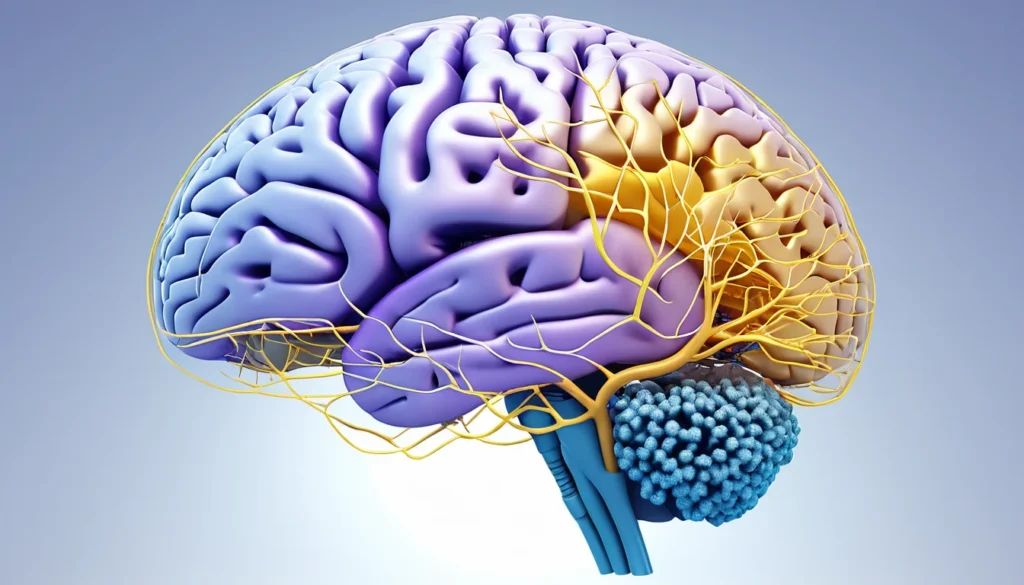
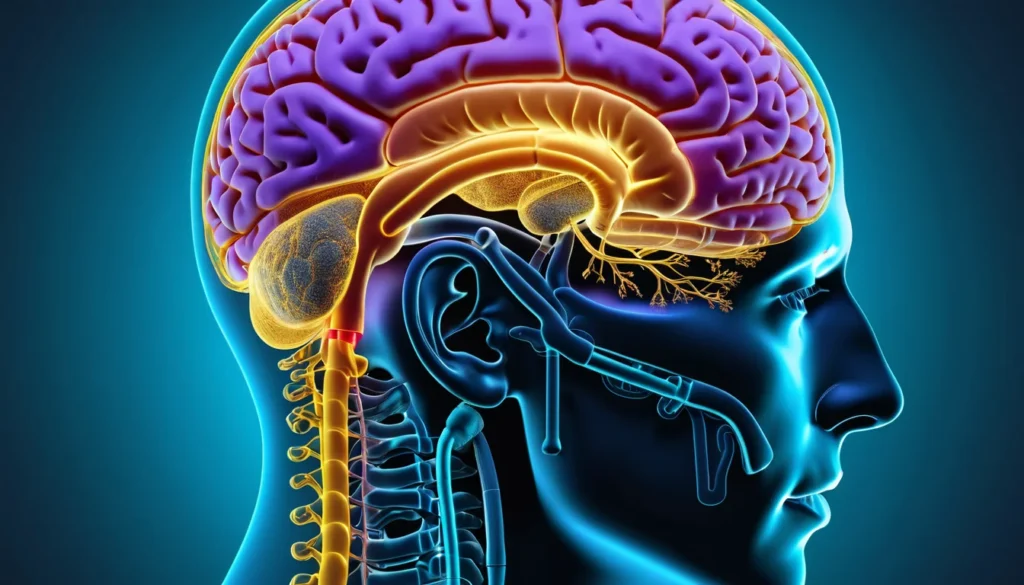
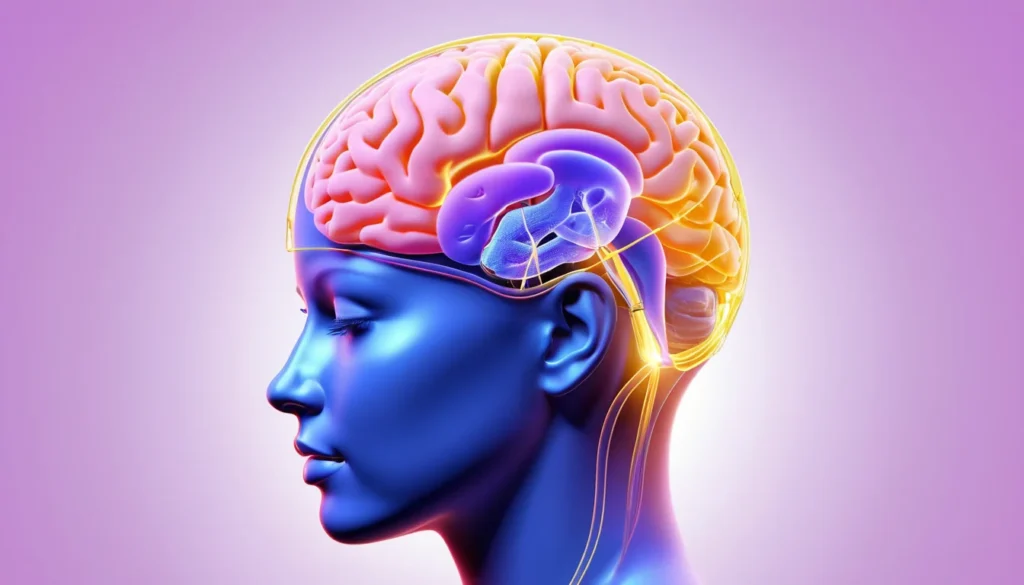
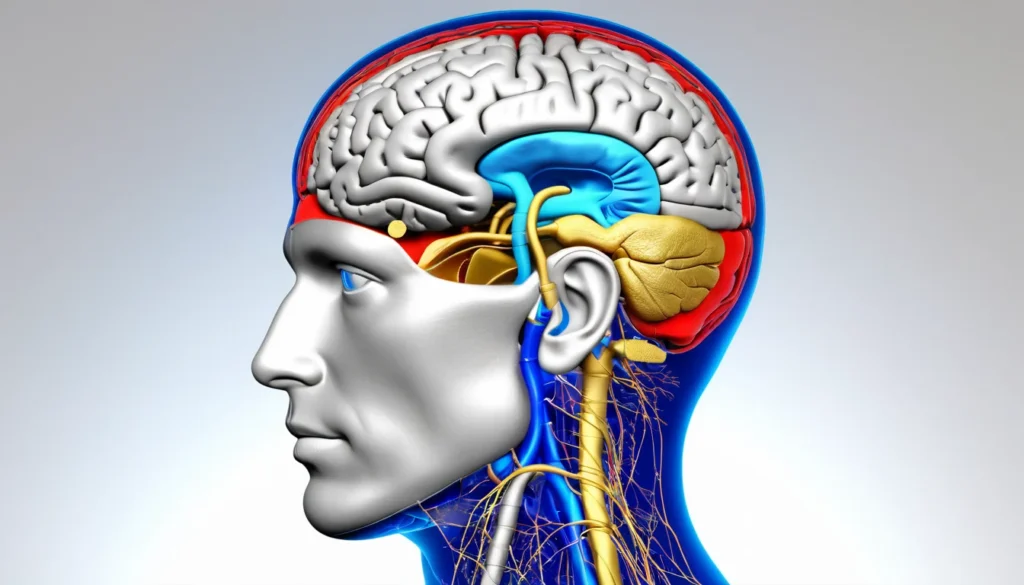
A migraine is more than just a bad headache. It is a neurological condition that causes severe, throbbing head pain — usually on one side of the head. Episodes repeat over time, which makes migraines a chronic condition worth taking seriously.
The good news is that migraines do not cause long-term damage to the brain. However, they can seriously affect your quality of life. Many people miss work, school, or family activities because of them. Fortunately, there are treatments available through your provincial health plan that can help reduce the severity and frequency of attacks.
According to Health Canada, neurological conditions like migraines are among the leading causes of disability in Canada. Understanding the condition is the first step toward managing it well.
What Causes Migraines?
Researchers do not fully understand what causes migraines. However, two main factors appear to play a role.
Genetics and Family History
Migraines tend to run in families. If one or both of your parents have migraines, you are more likely to develop them too. Scientists believe certain genes affect how the brain processes pain signals. That said, not everyone with a family history will experience migraines.
Changes in the Brain and Blood Vessels
Some researchers believe migraines occur when blood vessels in the brain widen or narrow. These changes can trigger chemical reactions that lead to inflammation, swelling, and pain. The brain becomes temporarily more sensitive to stimulation, which explains why light, sound, and smell can feel overwhelming during an attack.
For a deeper look at the science behind migraines, visit the Mayo Clinic’s migraine overview.
Recognising Migraine Symptoms
Migraine symptoms vary from person to person. They often unfold in stages, and knowing what to look for can help you respond quickly and effectively.
Warning Signs Before a Migraine (Prodrome)
One to two days before a migraine strikes, you may notice early warning signs. These can include extreme tiredness, drowsiness, cravings for certain foods (like chocolate), irritability, or restlessness. Not everyone experiences this stage, but it is fairly common.
The Aura Stage
About 30% of people with migraines experience an aura before the headache begins. An aura is a set of sensory disturbances that develop over 5 to 20 minutes. They typically appear about 30 minutes before the headache itself.
Common aura symptoms include:
Flashes of bright light or dark spots in your vision
Distorted or blurry images
Numbness or tingling in the hands, arms, or face
Difficulty finding words or speaking clearly
Sudden weakness on one side of the body (less common)
However, most people with migraines do not experience an aura at all. If aura symptoms are new or suddenly more severe, seek medical attention right away.
The Headache Phase
This is the most recognisable stage. The pain typically affects one side of the head, though it can shift sides or spread to both sides. Without treatment, this phase can last between 4 and 72 hours.
Common symptoms during this phase include:
Throbbing or pulsing pain, usually on one side of the head
Moderate to severe pain that may feel completely disabling
Increased sensitivity to light (photophobia)
Increased sensitivity to sound or even certain smells
Pain that gets worse with physical activity, even walking
Nausea or vomiting in some cases
After the Migraine (Postdrome)
Once the headache fades, you may still feel the effects for up to 24 hours. This stage is sometimes called the “migraine hangover.” Symptoms can include muscle aches, cramps, fatigue, and occasionally a brief feeling of mental clarity or even mild euphoria.
In addition, some people feel emotionally drained or physically exhausted long after the pain is gone. Rest and hydration can help during this phase.
Different Types of Migraines
Not all migraines look the same. There are several recognised types, each with its own characteristics.
Migraine with aura includes visual or sensory disturbances before the headache. Migraine without aura is the most common type — the headache arrives without warning signs. Menstrual migraines affect some women in the days before or during their period, linked to hormonal changes. These can be especially difficult to manage without medical guidance.
Furthermore, migraines can occur alongside other health conditions. These include asthma, depression, and anxiety disorders. It is important to distinguish migraines from other types of headaches, such as those caused by sinus infections or tension. Your family doctor can help make that determination.
Risk Factors for Migraines
Some people are more likely to develop migraines than others. The following factors increase your risk:
Family history: Having a parent or sibling with migraines significantly raises your risk.
Sex: Women are three times more likely than men to experience migraines. Hormonal fluctuations — especially around menstruation, pregnancy, or menopause — often play a role.
Age: Migraines most commonly begin in adolescence and early adulthood. They can, however, affect people of all ages.
Other health conditions: Depression, anxiety, epilepsy, and asthma are all associated with a higher likelihood of developing migraines.
Understanding your personal risk factors can help you have a more productive conversation with your doctor about prevention and treatment options.
Common Migraine Triggers
A trigger is anything that sets off a migraine attack. Triggers are highly individual — what affects one person may have no effect on another. Therefore, keeping a headache diary can be a useful tool.
Common migraine triggers include:
Stress or sudden relief from stress
Skipping meals or fasting
Poor sleep or oversleeping
Hormonal changes in women
Bright lights, loud noises, or strong smells
Certain foods or drinks, including alcohol, caffeine, and aged cheeses
Dehydration
Weather changes or shifts in barometric pressure
As a result of identifying your personal triggers, you may be able to reduce how often migraines occur. Your family doctor or a neurologist can help you create a migraine management plan based on your specific pattern.
When to See a Doctor
Many Canadians put off seeking help for migraines, assuming they just have to endure the pain. In fact, there are effective treatments available — and your family doctor or a local walk-in clinic is a great place to start. Most provincial health plans cover consultations for migraine assessment and management.
You should book an appointment if:
Your headaches are happening more often or becoming more severe
Over-the-counter pain relievers are no longer helping
Migraines are interfering with your work, family life, or daily activities
You are unsure whether your headaches are truly migraines or something else
Call 911 or go to the nearest emergency room immediately if you experience:
A sudden, extremely severe headache unlike any you have had before
New or unusual aura symptoms, such as sudden weakness on one side of the body or trouble speaking
A headache accompanied by fever, stiff neck, or confusion
Headache after a head injury
These symptoms could indicate a more serious condition, such as a stroke or brain bleed. While serious causes of headache are relatively rare, it is always better to get checked. As Healthline explains in their migraine guide, sudden onset of severe head pain should never be ignored.
As always, speak with a qualified healthcare provider before starting or stopping any treatment for migraines. This article is for informational purposes only and is not a substitute for professional medical advice.
Frequently Asked Questions About Migraines
How do I know if I have migraines or just a regular headache?
Migraines typically cause moderate to severe throbbing pain on one side of the head, often with sensitivity to light and sound. Regular tension headaches usually feel like a dull, steady pressure on both sides. If your headaches are frequent, disabling, or accompanied by nausea or visual changes, talk to your family doctor about whether migraines may be the cause.
Can migraines be cured?
There is currently no permanent cure for migraines, but they can be effectively managed. Many Canadians find significant relief through a combination of lifestyle changes, trigger avoidance, and medication prescribed by their doctor. With proper treatment, the frequency and severity of migraines can often be greatly reduced.
Are migraines more common in women?
Yes — women are about three times more likely than men to experience migraines. Hormonal changes related to menstruation, pregnancy, and menopause are believed to play a significant role. If your migraines follow a hormonal pattern, your doctor may explore specific treatments tailored to that cycle.
What foods or drinks can trigger migraines?
Common dietary triggers include alcohol (especially red wine), caffeine, aged cheeses, processed meats, and foods containing MSG. However, triggers are highly personal — not everyone reacts the same way. Keeping a food and headache diary can help you identify patterns and share them with your healthcare provider.
Can children get migraines?
Yes, migraines can affect children and teenagers, not just adults. In younger children, the headache may be shorter in duration and affect both sides of the head rather than just one. If your child has recurring severe headaches, speak with your family doctor or paediatrician for a proper assessment.
Is it safe to take pain relievers for migraines every time they happen?
Using pain relievers too frequently can actually lead to “medication overuse headaches,” also known as rebound headaches. If you find yourself reaching for pain medication more than 10 to 15 days per month, it is important to speak with your doctor. There are prescription migraine-specific treatments that may be more appropriate for regular sufferers.
Key Takeaways
Migraines are a neurological condition causing severe, recurring headaches that can last up to 72 hours.
They are more common in women and often run in families.
Symptoms can include throbbing one-sided head pain, sensitivity to light and sound, and — in some cases — an aura before the headache begins.
Migraines can appear alongside other conditions such as depression, anxiety, and asthma.
Identifying and avoiding personal triggers can significantly reduce the frequency of attacks.
Effective treatment is available through your family doctor, walk-in clinic, or neurologist — and most provincial health plans cover these services.
Seek emergency care immediately if you experience a sudden, unusually severe headache or any new neurological symptoms alongside a headache.