If you suffer from migraines, what you eat may matter more than you think. Certain migraine trigger foods can set off a painful attack within hours of eating them. Research suggests that diet plays a role in up to 30% of migraine episodes. The good news is that identifying and avoiding these foods can significantly reduce how often your migraines occur.
How Migraine Trigger Foods Affect Your Brain
Migraines are more than just bad headaches. They are a complex neurological condition that affects millions of Canadians, often causing intense throbbing pain, nausea, dizziness, and sensitivity to light and sound.
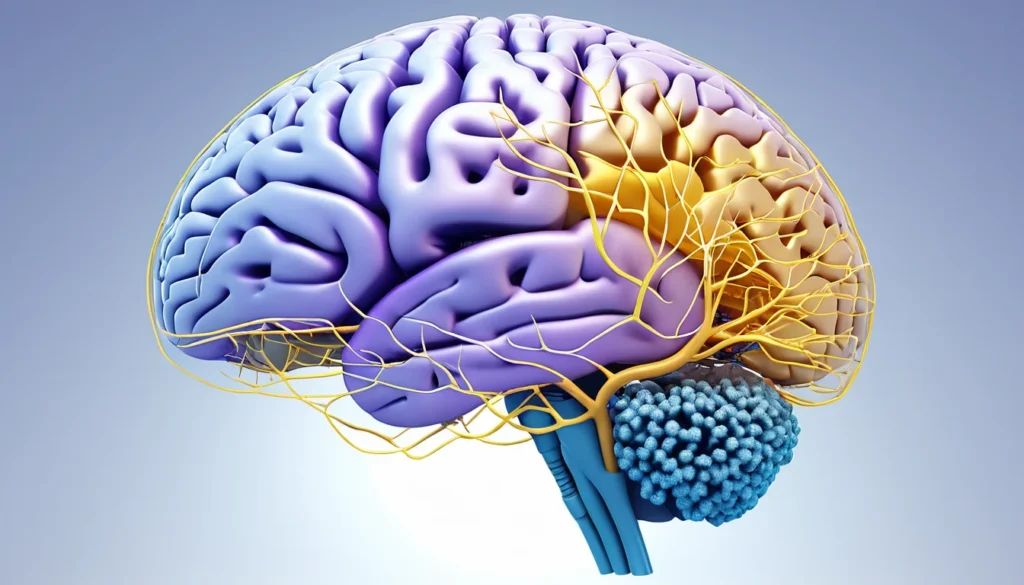
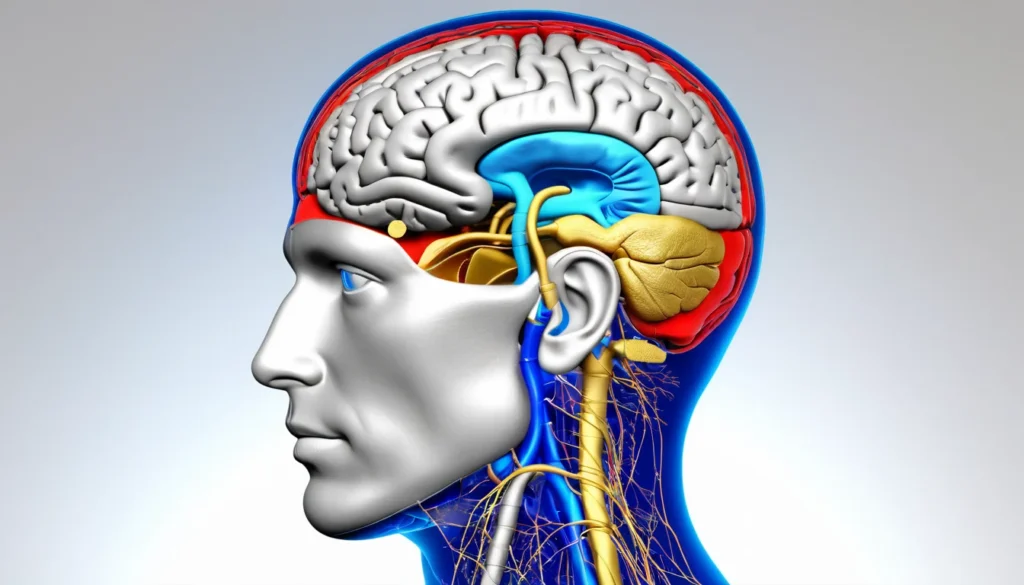
Scientists believe migraines involve changes in blood flow to the brain. When certain substances enter your bloodstream, blood vessels in the brain can expand and press on sensitive nerve endings. This is what causes that familiar, pounding pain.
Many people with migraines notice over time that specific foods reliably trigger their attacks. According to Mayo Clinic’s overview of migraine causes, dietary triggers are among the most common and most manageable factors in migraine frequency.
The Role of Hunger and Meal Timing
It is not just what you eat — it is also when you eat. Skipping meals is one of the most overlooked migraine trigger foods-related habits. Studies show that skipping meals or fasting triggers migraines in over 50% of people who are prone to them.
When you skip a meal, your blood sugar drops quickly. This sudden dip can spark a migraine attack. Therefore, keeping your blood sugar steady throughout the day is a powerful way to reduce your risk.
Doctors recommend eating small, regular meals and snacks every three to four hours. Combining protein with complex carbohydrates (low glycaemic index carbs) helps keep blood sugar stable. For example, whole grain toast with peanut butter is an easy, migraine-friendly snack.
A food journal is also a helpful tool. Writing down everything you eat each day allows you to spot patterns between certain foods and your migraine episodes. Many Canadians find this simple habit makes a real difference.
Common Migraine Trigger Foods to Avoid
Certain foods contain chemicals and additives that are strongly linked to migraine attacks. Knowing which ones to watch for can help you take control of your condition.
Processed and Cured Meats
Deli meats such as salami, hot dogs, sausages, and pepperoni are common migraine trigger foods. They contain tyramine — an amino acid that causes blood vessels to expand and contract — as well as nitrates and other additives.
The headache caused by these substances is often felt on both sides of the head. If you eat lunch meat regularly, try switching to freshly cooked chicken or turkey instead.
Aged Cheeses
Aged cheeses are high in tyramine, which acts directly on blood vessels in the brain. The following cheeses are best avoided if you suffer from migraines:
Blue cheese
Brie
Cheddar
Stilton
Feta
Gorgonzola
Mozzarella
Muenster
Parmesan
Swiss cheese
Processed cheese slices
However, not every person with migraines reacts to every cheese on this list. Keeping a food journal will help you figure out which ones are a problem for you specifically.
Alcohol
Alcohol contains tyramine and sulphites, both of which are associated with triggering migraines. In addition, alcohol speeds up blood flow to the brain, which can make migraine pain more intense.
Dark alcoholic drinks, such as red wine, are generally more problematic than lighter ones. Even a small amount of red wine is a well-known migraine trigger for many Canadians. If you choose to drink, lighter options and staying well hydrated may help reduce your risk.
Caffeine
Caffeine is a double-edged sword when it comes to migraines. In small amounts, it can actually relieve a migraine. However, consuming large amounts of caffeine from coffee, tea, energy drinks, or cola can cause migraines and worsen anxiety and sleep problems.
Furthermore, if you drink caffeine daily and then suddenly stop, the withdrawal can trigger a rebound migraine. This is a common experience for Canadians who try to cut back on coffee cold turkey. Reducing your intake gradually is the safer approach.
Cold Foods
Foods eaten at very cold temperatures — such as ice cream or a cold smoothie consumed quickly — can cause a sharp, brief headache. Most people know this as a “brain freeze,” and it usually passes within five minutes.
However, for people prone to migraines, even this brief pain can set off a full migraine episode. Over 90% of people who suffer from migraines report being cautious around foods that are extremely cold or hot. Eating cold foods slowly and in small amounts can help.
MSG and Fermented Foods
Monosodium glutamate (MSG) is a flavour enhancer found in many processed and pickled foods. It is also common in certain restaurant dishes, particularly in some Chinese-Canadian takeout meals.
MSG has been linked to migraine attacks in multiple studies. Foods to watch for include pickled vegetables, soy sauce, instant soups, seasoning packets, and many canned or frozen ready-made meals available at Canadian grocery stores.
Artificial Sweeteners
Diet sodas, sugar-free gum, and many low-calorie packaged foods contain aspartame, an artificial sweetener. Research has associated regular aspartame consumption with increased migraine frequency, especially in people who already have a tendency toward migraines.
Check ingredient labels carefully. Aspartame can hide in products you might not expect, including flavoured yogurt, protein bars, and certain breakfast cereals sold at major Canadian retailers.
Other Foods Linked to Migraines
In addition to the foods listed above, the following have also been associated with triggering migraine attacks in some people:
Onions (which also contain tyramine)
Very ripe bananas and citrus fruits
Dried fruits
Pizza
Potato chips and other salty snacks
Organ meats
Sour cream and full-fat yogurt
Broth-based soups made with bouillon cubes
As a result, reading food labels and being mindful of what you order when eating out can go a long way toward reducing your migraine frequency.
Foods That May Help Prevent Migraines
While many foods can trigger migraines, others may actually help protect you from them. Adding these to your regular diet is a simple, practical step.
Fatty fish such as salmon, mackerel, and herring are rich in omega-3 fatty acids, which have anti-inflammatory properties. Magnesium-rich foods like spinach, pumpkin seeds, and black beans have also been shown to reduce migraine frequency. According to Healthline’s guide to magnesium and migraines, many people who suffer from migraines have lower magnesium levels than those who do not.
Staying well hydrated is equally important. Dehydration is a well-known migraine trigger that is easy to overlook. Aim for at least eight glasses of water per day, and increase this amount during hot Canadian summers or after physical activity.
Foods rich in riboflavin (vitamin B2), such as eggs, lean meats, and fortified breakfast cereals, may also help reduce how often migraines occur. Health Canada’s information on riboflavin outlines how this vitamin supports healthy brain and nerve function.
When to See a Doctor About Migraines
If your migraines are frequent, severe, or interfering with your daily life, it is important to speak with a healthcare professional. Your family doctor is the best starting point. They can review your symptoms, rule out other causes, and create a management plan that may include dietary changes, medication, or referrals to a neurologist.
If you do not have a family doctor, a walk-in clinic can provide an initial assessment. Many provincial health plans across Canada cover migraine-related consultations and referrals, so cost should not be a barrier to getting help.
Always consult your doctor before making significant changes to your diet, especially if you take medication for migraines or other conditions. A registered dietitian can also work alongside your healthcare team to help you identify your specific migraine trigger foods.
Frequently Asked Questions About Migraine Trigger Foods
What are the most common migraine trigger foods?
The most common migraine trigger foods include aged cheeses, processed meats, red wine, caffeine, MSG, artificial sweeteners, and very cold foods. These foods contain chemicals like tyramine, sulphites, and aspartame that can affect blood vessels in the brain. Keeping a food diary helps you identify which specific foods trigger your migraines.
Can skipping meals trigger a migraine?
Yes, skipping meals is a well-known migraine trigger. When you go too long without eating, your blood sugar drops quickly, which can set off a migraine attack. Eating small, regular meals every three to four hours helps keep your blood sugar stable and reduces your risk.
Does caffeine help or hurt migraines?
Caffeine can both help and hurt, depending on how much you consume. A small amount may relieve a migraine headache, but large or daily amounts can become a migraine trigger food habit that is hard to break. Suddenly stopping regular caffeine use can also cause withdrawal migraines, so cutting back gradually is recommended.
Is chocolate a migraine trigger food?
Chocolate is often listed as a migraine trigger food because it contains both caffeine and a compound called beta-phenylethylamine. However, research on chocolate and migraines is mixed, and not everyone with migraines reacts to it. Tracking your symptoms after eating chocolate can help you determine if it is a trigger for you personally.
What foods should I eat to help prevent migraines?
Foods rich in magnesium, omega-3 fatty acids, and riboflavin (vitamin B2) may help reduce migraine frequency. Good choices include fatty fish like salmon, leafy greens, pumpkin seeds, eggs, and whole grains. Drinking plenty of water throughout the day is also one of the simplest ways to prevent migraines.
How do I figure out which foods trigger my migraines?
The most effective way to identify your migraine trigger foods is to keep a detailed food and symptom journal. Write down everything you eat and drink each day, along with any migraine symptoms you experience. After a few weeks, you and your doctor or dietitian can review the journal together to spot patterns and eliminate problem foods.
Key Takeaways
Migraine trigger foods include aged cheeses, processed meats, alcohol, caffeine, MSG, cold foods, and artificial sweeteners.
Skipping meals and low blood sugar are also major migraine triggers — eat small, regular meals throughout the day.
Tyramine, sulphites, MSG, and aspartame are the most common dietary chemicals linked to migraines.
Foods rich in magnesium, omega-3s, and riboflavin may help reduce how often migraines occur.
Keeping a food diary is one of the most practical tools for identifying your personal triggers.
Speak with your family doctor or visit a walk-in clinic if migraines are affecting your quality of life.
Always consult a healthcare professional before making major changes to your diet or stopping any medication.